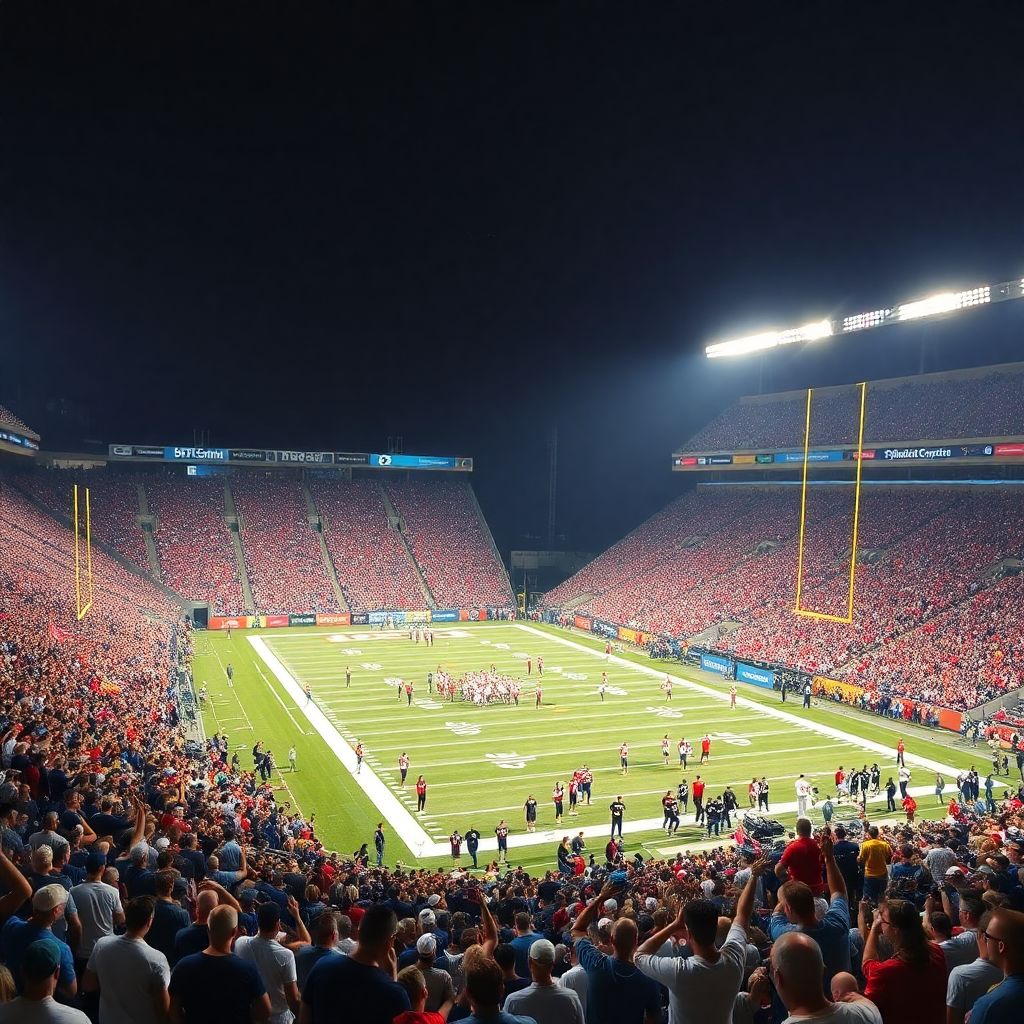
College football’s biggest rivalries are long running matchups between schools whose histories, cultures, and competitive stakes repeatedly collide, creating intense emotion and lasting stories. They are built from geography, conference titles, national relevance, famous games, dramatic finishes, and fan traditions that turn a single weekend into a defining event for programs and communities.
What Makes a College Football Rivalry Enduring
- Shared history that spans multiple coaching eras and playing styles, not just a brief competitive window.
- High stakes games that regularly influence conference races, rankings, or postseason opportunities.
- Distinct traditions, from trophies to pregame rituals, that give the matchup a unique identity.
- Geographic, cultural, or institutional contrasts that help each fan base define its own identity.
- Iconic finishes that older fans retell and younger fans grow up learning about.
- Healthy levels of dislike that remain passionate but mostly respectful between schools.
Origins and Evolution of Major Rivalries
At its core, a college football rivalry begins when two programs meet often enough, and with high enough stakes, that fans start circling the game on the calendar every season. Many of the biggest rivalries grew out of simple geography, with nearby campuses competing for regional bragging rights and media attention.
Over time, those early contests layered on new meanings. Conference realignment, shifting playoff formats, and television exposure helped transform local grudges into national showcases. Historic series like the annual meetings between flagship state universities, military academies, or long standing private powers evolved as each school changed conferences, built stadiums, and cycled through coaching legends.
Specific seasons often accelerated that evolution. A late upset that ruined a title bid or a dramatic comeback in a rivalry classic can permanently raise the emotional temperature of the matchup. Once fans have experienced that level of tension and joy or heartbreak, every future meeting feels weightier, even during rebuilding years.
- Clarify for yourself where a rivalry started: geography, conference stakes, or cultural contrast.
- When you study a rivalry, track how coaching changes and realignment reshaped it.
- Look for one or two turning point seasons that pushed the matchup into true national relevance.
Games That Defined Generations
Some rivalry games become generational touchstones that shape how fans talk about the series for decades. A few examples stand out in almost every major matchup.
- Classic comebacks and last second finishes. Field length drives in the closing minutes, walk off kicks, and unexpected defensive scores in the final moments are retold at tailgates for years. Think of a powerhouse stunned at home by an underdog in the final rivalry game before a coaching change.
- Upsets that derail title dreams. Rivalries often feature a heavily favored team chasing a perfect season, only to fall to its most hated opponent. One famous case involves a national contender losing at home when a tipped pass turned into a go ahead score late in the fourth quarter.
- Weather games and physical slugfests. Snow covered fields, driving rain, or brutal defensive battles often become shorthand for a rivalry’s toughness. Fans remember mud soaked uniforms and low scoring battles as proof of their program’s grit.
- Neutral site epics. Some rivalries play in iconic venues that split the stadium in school colors. A back and forth shootout in such a setting can redefine both programs for a generation of fans.
- Farewell or hiatus matchups. Games played before a temporary pause due to realignment, or before a legendary coach retires, carry extra emotional weight and often produce unforgettable moments.
- When learning a rivalry, identify the one game older fans mention first and study that contest.
- Notice how each fan base names games, from miracle finishes to heartbreak losses, and use that language carefully.
- Do not judge a rivalry only by recent scores; trace the iconic clashes that built its reputation.
Traditions, Trophies, and Game-Day Pageantry
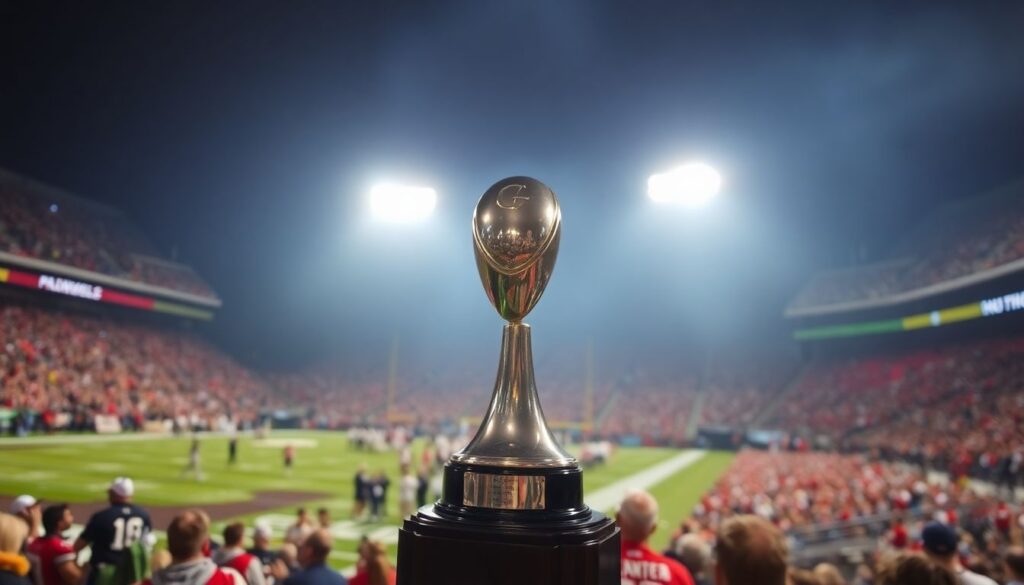
Rivalries become truly distinctive through their rituals. Many feature a named trophy exchanged at midfield, ranging from historic cups and axes to symbolic statues that represent local industries or shared history. The object itself is less important than the story fans tell about earning it back or defending it.
Pregame traditions add another layer. Bands may perform special rivalry shows, alumni crowds might stage coordinated marches, and student sections often prepare chants and visual displays reserved only for this opponent. Nighttime kickoffs, campus parades, and ceremonial team walks through fan lined paths turn the whole weekend into a festival.
These rituals also spill into travel and consumer behavior. Dedicated supporters plan months ahead to secure college football rivalries tickets, sometimes bundling them with college football rivalry weekend travel packages that include tailgate events and stadium tours. Many fans collect college football rivalry game merchandise specific to certain matchups or landmark wins, turning clothing and memorabilia into portable markers of identity.
- Before attending a rivalry, learn the basic meaning of its trophy and signature songs or chants.
- Arrive early enough to watch pregame rituals; they explain much of the emotion you see during the game.
- When buying gear, focus on timeless rivalry logos or game specific merchandise that will age well.
When Rivalry Turns Heated: Incidents and Controversies
Intense emotion can push rivalries close to the edge. Occasionally, player scuffles at midfield, unnecessary late hits, or postgame confrontations between teams and fans become national talking points. Past incidents include benches emptying after pregame trash talk and stormed fields that put visiting players and staff at risk.
Controversy also arises from officiating and scheduling. Questionable calls late in tight rivalry games can live in fan memory for decades, overshadowing what happened on the field for entire seasons. Realignment driven breaks in traditional series, or moving a rivalry off campus to a neutral site, can spark frustration among long time supporters who feel something essential was lost.
Handled well, these flashpoints lead to better security planning, clearer sportsmanship messages, and smarter policies about field storming. Handled poorly, they can fuel hateful behavior online and in person, including harassment of players and their families. Programs, conferences, and fan bases share responsibility for keeping passion within healthy limits.
Upsides of intense rivalries:
- Stronger fan engagement that benefits attendance, television interest, and recruiting.
- Memorable atmospheres that players cherish and alumni proudly describe.
- Clear focus games that help teams measure growth under new coaches or systems.
Risks and downsides when emotion spills over:
- Increased chances of fights, unsafe field storming, and property damage around stadiums.
- Online harassment, doxxing, or targeted abuse toward players, coaches, and their families.
- Long term resentment between schools that complicates scheduling and cooperative projects.
- Set a personal line: never target individual players or families, even after painful losses.
- Support clear rules on field access and tailgating to keep rivalry weekends safe.
- Focus your banter on teams, plays, and history rather than personal insults or stereotypes.
Shifts in Competitive Balance and Pivotal Turning Points
A common misconception is that a lopsided series cannot be a real rivalry. In practice, many famous matchups have long stretches where one team dominates, only for momentum to swing later. Coaching hires, schematic innovations, and recruiting breakthroughs can all flip the feel of a rivalry in a surprisingly short span.
For example, a traditional underdog might hire an innovative coach who emphasizes tempo and space, catching an older style rival off guard in consecutive seasons. Another case involves a powerhouse that fell behind after facility neglect, only to surge back once the school invested in modern training and fan amenities. These shifts remind fans that rivalry hierarchies are rarely permanent.
Fans also overreact to brief winning streaks, assuming the old balance is gone forever. Usually, underlying factors like quarterback play, assistant coaching continuity, and health in the trenches explain short runs of dominance more than vague ideas like toughness or heart.
- Myth: A rivalry is dead once one side wins too often. Reality: new coaches and investments regularly reset the matchup.
- Myth: The tougher team always wins rivalry games. Reality: depth, turnovers, and special teams often matter more.
- Myth: Neutral fields remove home advantage entirely. Reality: travel distance, ticket splits, and routine still matter.
- Myth: Rankings decide everything. Reality: unranked rivals upset top teams often enough to be part of the rivalry’s identity.
- Track deeper trends like recruiting, staff stability, and investment, not just recent scores.
- Be cautious about declaring a rivalry finished; history shows momentum swings back and forth.
- Respect how underdog teams often play their cleanest, sharpest game on rivalry day.
Rivalries Off the Field: Recruiting, Media, and Fan Economy
Big rivalries extend far beyond sixty minutes of game time. Coaches use rivalry success to sell recruits on program momentum, tradition, and exposure. A highlight reel win in a packed stadium, with a national audience watching, can resonate with high school prospects who dream of starring in that setting.
Media amplify this effect. Sports networks build entire weeks of content around rivalry storylines, replaying past finishes and promoting new personalities. Local outlets highlight alumni angles, booster influence, and community rituals, keeping the rivalry present all year. Social platforms give fans and players direct ways to trade jabs and share memories, for better and worse.
The economic footprint is also large. Many fans time their searches for cheap flights and hotels for college football rivalry games to secure better deals months ahead. Travel companies respond with college football rivalry weekend travel packages that bundle lodging, stadium tours, and tailgate access. On the ground, local businesses see spikes in restaurant traffic, bar sales, and demand for college football rivalries tickets and college football rivalry game merchandise.
A simple planning pattern for a rivalry trip looks like this:
- Choose the rivalry and target season based on likely stakes and weather preferences.
- Lock in travel and lodging early, then monitor team performance and kickoff time announcements.
- Allocate a budget for tickets, local food, and one or two meaningful rivalry specific souvenirs.
- If you plan to travel, start watching flight and hotel prices as soon as the schedule drops.
- Compare on campus atmospheres with neutral site experiences; each offers different strengths.
- Support local game day businesses that help sustain the rivalry tradition for future seasons.
Origins and Emotions: Quick Self Check Before Rivalry Week
- Can you explain in one short sentence why the two schools became rivals in the first place?
- Do you know at least one iconic game and one key tradition from the matchup you follow?
- Have you set personal lines to keep your rivalry banter passionate but not personal or hateful?
- Are you realistic about recent trends, avoiding snap judgments about a rivalry being finished?
- If you travel, have you planned early enough for tickets, logistics, and respectful fan behavior?
Fan Clarifications: Short Answers to Common Rivalry Doubts
What actually qualifies a game as a true rivalry?
A true rivalry involves repeated meetings, shared history, and emotional investment from both fan bases. Occasional matchups between strong teams can be exciting, but they become rivalries only when tradition, stories, and identity build up over many seasons.
Why do some rivalries feel bigger than others even when rankings are similar?
Size comes from cultural weight, not just team quality. Deep traditions, distinctive trophies, and famous finishes make fans and broadcasters treat certain games as events, so the entire week feels different from a typical conference matchup.
Is a rivalry still real if one team dominates for a long stretch?
Yes, because fans, players, and recruits still feel the emotional stakes. Long losing streaks can even intensify the desire to upset the rival, and swings in competitive balance have revived many series that once looked lopsided.
How early should I buy tickets and plan travel for a major rivalry?
The safer approach is to begin planning as soon as the schedule and location are set. Prices for college football rivalries tickets, along with cheap flights and hotels for college football rivalry games, usually climb as kickoff approaches, especially when both teams start the season well.
Are neutral site rivalry games less intense than on campus matchups?
Neutral sites feel different, but not automatically weaker. Shared travel, split stadiums, and destination cities add another layer of excitement, though many fans still prefer campus games for their traditions and student driven energy.
How can I enjoy trash talk without crossing a line?
Keep your comments focused on teams, plays, and history rather than individuals or personal traits. If you would not say something directly to a player’s family member standing beside you, it is better left unsaid online or in person.
Do rivalry results really affect recruiting?
A single result rarely decides a commitment, but patterns matter. Dominance in a rivalry can signal program health and appeal to prospects, while dramatic upsets give underdogs fresh momentum to sell on the recruiting trail.