Injury comebacks are structured, stepwise returns to sport after significant damage, where athletes not only regain previous performance but often return stronger. They combine realistic recovery timelines, progressive rehabilitation, mental skills training, and smart workload management. Even without elite facilities, disciplined planning, low-cost tools, and community support can replicate key elements of high-level recovery.
Core Lessons from Successful Injury Comebacks
- Strong comebacks follow clear phases: protect, restore, rebuild, then return and refine.
- Objective criteria (pain, strength, range of motion, movement quality) matter more than the calendar.
- Confidence is trained deliberately through graded exposure, not just “waiting to feel ready.”
- Well-designed sports injury recovery programs integrate medical care, rehab, and sport-specific training.
- Training volume, intensity, and frequency must be reintroduced in small, trackable steps.
- Nutrition, sleep, and medication choices can speed or quietly stall tissue repair.
- Limited resources can be offset with good planning, basic equipment, and targeted online guidance.
Typical Injury Trajectories and Recovery Timelines
Typical injury trajectories describe the predictable phases an athlete passes through from acute damage to full performance: protection, early rehab, strength and capacity building, and sport-specific return. Recovery timelines vary widely by tissue, severity, and prior training, so decisions should rely on milestones rather than fixed dates.
In the acute phase, the priority is controlling pain and swelling, protecting the injured area, and maintaining overall circulation and gentle mobility. In the rebuilding phase, the focus shifts toward restoring range of motion, strength, and movement control, then gradually adding speed, power, and sport-specific skills under increasing fatigue.
Useful markers along the way include: pain at rest versus during activity, symmetry of strength and range of motion compared with the uninjured side, movement quality in basic tasks (squats, lunges, landings), and the ability to complete controlled practice sessions without next-day flare-ups. These checkpoints are central to modern sports injury recovery programs.
For athletes without access to the best physiotherapy clinic for athletes, similar trajectories still apply. Basic home tools (bands, a backpack for loading, steps, a sturdy chair) and clear progressions can imitate clinic exercises. Occasional check-ins with a general practitioner or remote physio can help confirm that milestones are being hit safely.
Psychological Strategies to Rebuild Confidence and Competitiveness
Psychological recovery means systematically reducing fear, rebuilding trust in the injured body part, and restoring competitive mindset. It uses evidence-based mental skills rather than relying on motivation alone.
- Clear injury narrative. Understand what was damaged, what has healed, and why current loads are safe. This reduces vague fear and “fragile body” beliefs.
- Graded exposure to fear triggers. Break scary actions (cutting, landing, contact) into easier steps, practicing each until they feel routine before progressing.
- Performance-focused goals. Shift attention from the injury (“Will my knee hold?”) to specific, controllable goals for each session (e.g., smooth landings, quick first step).
- Imagery and rehearsal. Mentally rehearse executing key sport skills confidently and pain-free, especially those linked to the original injury.
- Objective tracking. Use simple measures (reps, loads, times, heart rate) to prove progress and counteract emotional overreactions to bad days.
- Social support and role models. Talk with teammates or athletes who have returned from similar injuries to normalize fears and setbacks.
- Pre-competition routines. Develop a repeatable warm-up and mental checklist that signal readiness on game day.
For athletes working mostly alone or using online training for athletes after injury, these same tools can be guided through apps, simple journals, or video calls with a coach or counselor. Short daily mindset routines (two to five minutes) often outperform occasional long sessions.
Rehabilitation Protocols: From Acute Care to Sport-Specific Performance
Rehabilitation protocols are structured plans that move an athlete step by step from early protection to full-speed competition. High-quality protocols are criteria-based: you advance when you meet specific movement, strength, and pain targets, not just after a certain number of weeks.
-
Acute protection and pain control.
Goal: reduce pain and swelling, protect the injured tissue, and prevent unnecessary stiffness. Typical elements include relative rest, protected weight-bearing, gentle range of motion, and basic isometric (static) contractions if allowed.
Action steps:
- Clarify exactly what movements and loads are allowed by your provider.
- Perform short, frequent mobility drills within the safe range several times daily.
- Maintain cardio with non-involved body parts (e.g., arm bike, single-leg work) when appropriate.
-
Restoration of range and basic strength.
Goal: regain near-normal mobility and begin rebuilding strength and proprioception (joint position sense). Exercises become more dynamic but remain controlled and usually pain-limited.
Action steps:
- Use light resistance bands and bodyweight to target the injured area from multiple angles.
- Introduce balance tasks (single-leg stance, stable-to-unstable surfaces where available).
- Track range and strength symmetry with the opposite side weekly.
-
Strength, power, and capacity building.
Goal: build the ability to tolerate higher forces repeatedly. Exercises now include heavier loading, faster movements, and multi-joint patterns resembling sport actions.
Action steps:
- Progress from two-leg to single-leg work, then add speed (jumps, bounds, resisted sprints where appropriate).
- Use simple loading progressions: add small amounts of resistance or volume every one to three sessions if recovery is good.
- Introduce positional and directional variations matching your sport (e.g., lateral cuts for soccer, deceleration for basketball).
-
Return-to-sport and performance refinement.
Goal: reintroduce practice, then competition, while monitoring symptoms and performance. Volume, intensity, and unpredictability are layered gradually.
Action steps:
- Use a staged return: individual drills → small-sided practice → full practice → limited minutes → normal play.
- Log pain (during and next day), fatigue, and performance markers to guide weekly adjustments.
- Continue one to two targeted strength sessions weekly even after full return.
If you cannot access a sports rehabilitation center near me or an equivalent local facility, you can still follow these phases using open-access guidelines, remote consultations, and low-cost gear. Short visits to a sports medicine doctor for knee and ACL injuries, spaced out over key checkpoints, can anchor a largely home-based plan.
Training Modifications That Reduce Re-Injury Risk
Training modifications are deliberate changes to volume, intensity, exercise selection, and scheduling that protect healing tissues while still improving fitness and skill. Well-designed changes lower re-injury risk but can also limit short-term performance if made too conservatively or without a plan.
Practical scenarios for applying smart modifications
These example scenarios illustrate how to connect principles with daily decisions, especially when resources are limited.
- Club athlete with limited physio access. Keeps one heavy lower-body strength day per week, substitutes one running session with bike intervals, and caps changes in weekly running distance to small, predictable increases.
- School athlete post-ankle sprain. Completes all team warm-ups plus modified drills without contact, then finishes practice with simple single-leg strength at home using a backpack and stairs.
- Adult recreational player. Uses an online template to alternate harder and easier days, tracks steps or distance, and maintains one “skills-only” low-impact session weekly during the return phase.
Advantages of targeted training modifications
- Reduce sudden spikes in load, which are strongly associated with flare-ups and re-injury.
- Allow maintenance or even improvement of overall fitness while a specific tissue recovers.
- Provide a clear structure that calms anxiety about “doing too much” or “not doing enough.”
- Make it easier to integrate rehab exercises into normal training days instead of adding separate long sessions.
- Support long-term resilience by encouraging better planning even after full recovery.
Limitations and trade-offs of training modifications
- Overly cautious reductions can lead to unnecessary deconditioning and slower return.
- Poorly communicated changes may frustrate coaches or teammates if they misunderstand restrictions.
- Complex plans can be hard to execute consistently without guidance, especially for younger athletes.
- Limited access to monitoring tools (GPS, force plates) means decisions rely more on subjective feedback.
- Some sports or competitions with congested schedules make ideal load management difficult in practice.
Nutrition, Sleep and Pharmacology in Tissue Repair
Nutrition, sleep, and pharmacology shape how well the body repairs damaged tissues. Misconceptions in these areas are common and can silently slow comebacks or increase risk of chronic issues.
- Mistake: treating food as an afterthought. Many injured athletes unintentionally under-eat because training volume drops, forgetting that healing is energy-demanding. Aim for consistent, balanced meals with sufficient protein across the day instead of big, irregular intakes.
- Mistake: assuming weight gain is always bad during rehab. Slight weight changes are often acceptable or even helpful if they reflect increased muscle around a vulnerable joint. Focus on body composition, strength, and performance, not just scale numbers.
- Mistake: cutting sleep due to “more free time.” Using injury time to stay up late gaming or scrolling undermines hormone balance and tissue repair. Keeping a regular bedtime and wake time is a powerful, free recovery tool.
- Myth: more painkillers mean faster recovery. Pain relief has a role, especially early, but long-term or high-dose use without medical guidance can mask overload and alter tissue adaptation. Always follow the plan set by your clinician.
- Myth: supplements can replace rehab work. No pill or powder can match the impact of well-structured loading, movement quality, and sleep. Supplements are add-ons, not substitutes.
- Low-resource alternatives. When dietitians or sleep specialists are not accessible, basic habits-cooking simple whole-food meals, staying hydrated, keeping consistent sleep schedules, and limiting late caffeine-provide most of the benefit at minimal cost.
Case Studies: How Specific Players Engineered Stronger Returns
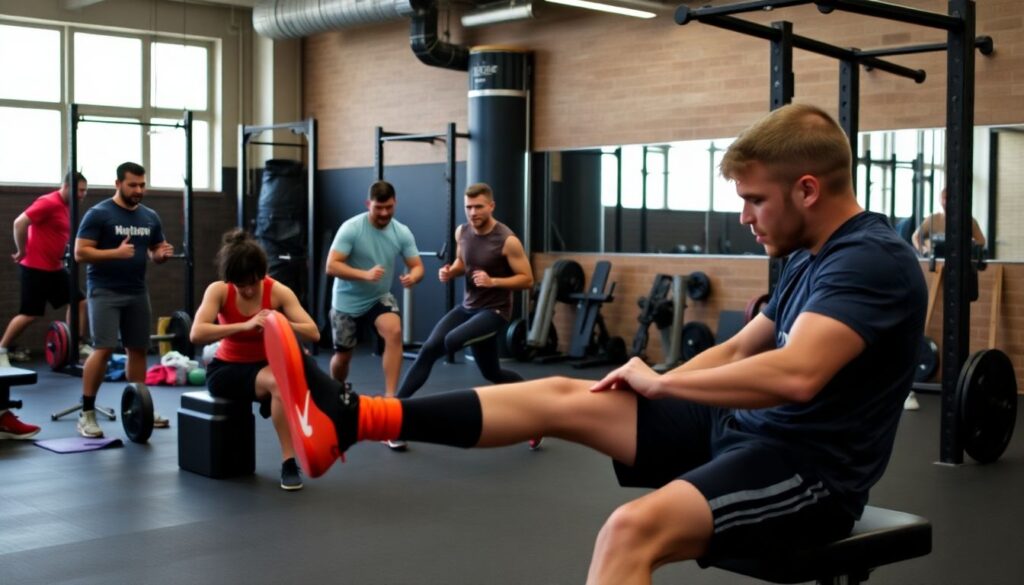
These short case-style stories show how athletes in different situations used structure and creativity to return from injury stronger, even with varying levels of support and resources.
Club Soccer Player Returning After ACL Reconstruction
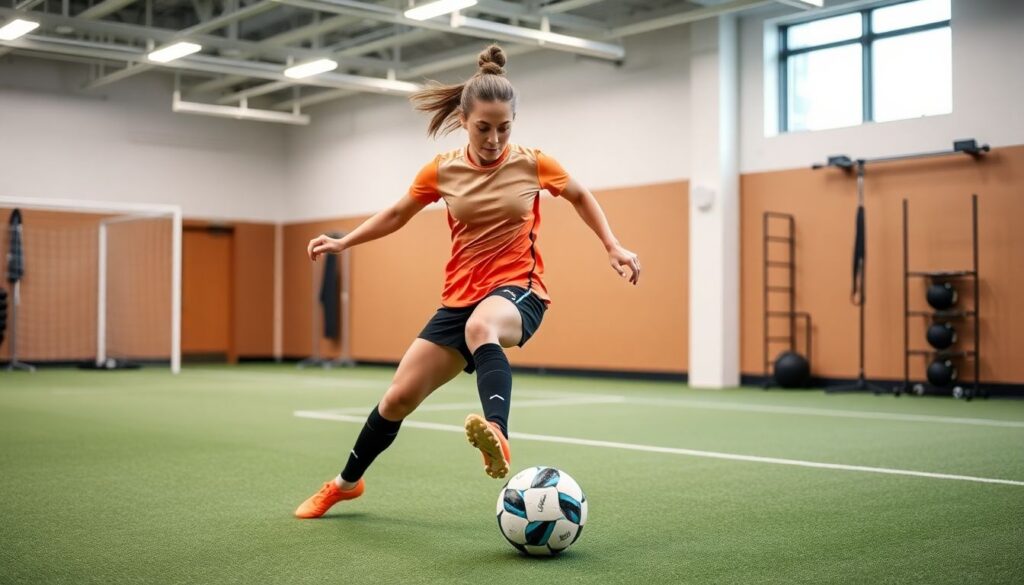
A competitive club defender sustained an ACL tear and underwent surgery. With help from a sports medicine doctor for knee and ACL injuries and a structured clinic program, she moved through clear phases: early knee control, progressive strength, then soccer-specific cutting and contact drills.
- She tracked quad strength every few weeks and delayed full match return until it closely matched the uninjured leg.
- Running load increased slowly using intervals on turf before chaotic play.
- Psychologically, she rehearsed the tackle that caused the injury, first in visualization, then in controlled drills.
Outcome: she returned to full competition with improved strength, more efficient running mechanics, and fewer late-game knee symptoms than before the injury.
High-School Basketball Guard with Limited Access to Care
A high-school guard sprained an ankle badly but had no easy access to a sports rehabilitation center near me or a specialist clinic. After an initial medical check, he relied on school facilities, a basic home program, and free online training for athletes after injury videos.
- He used a backpack for progressive loading (single-leg calf raises, split squats) and practiced balance while brushing teeth or studying.
- His coach adjusted drills: more form shooting and passing, fewer full-speed scrimmages early on.
- He tracked ankle soreness each morning and only increased practice intensity if the previous day stayed within a mild discomfort range.
Outcome: despite modest resources, he returned on schedule, with better single-leg strength and landing control that helped him avoid repeat sprains across the season.
Adult Recreational Runner with Overuse Knee Pain
An adult runner developed gradual knee pain while preparing for a race. Without access to the best physiotherapy clinic for athletes, she consulted a general physio once, then followed an adapted home plan.
- She reduced running days, added cycling and strength work, and kept weekly mileage changes small and deliberate.
- Simple cues (soft landings, shorter strides) improved mechanics without needing sophisticated tech.
- She joined a low-cost community strength class to stay accountable and maintain general fitness.
Outcome: she completed her target race pain-controlled and maintained a more balanced routine afterward, reducing recurrence of knee issues.
Practical Concerns Players Encounter During Return-to-Play
How do I know if I am progressing fast enough after an injury?
Use objective checkpoints instead of guessing: gradually decreasing pain, improving range of motion, and increasing strength and training volume without next-day flare-ups. If you stall on these for several weeks, seek a review of your plan rather than simply pushing harder.
Is it safe to rely on online programs instead of in-person rehab?
Online guidance can work well for straightforward injuries if it includes clear criteria for progression and some personalized feedback. For complex injuries, surgeries, or repeated setbacks, combine online material with at least occasional in-person assessments when possible.
What if my coach wants me back sooner than my body does?
Share specific restrictions and milestones from your healthcare provider, not just “I am not ready.” Offer alternatives such as partial practice, modified drills, or reduced minutes so you remain valuable without compromising recovery.
How much pain is acceptable during rehab exercises?
Mild, short-lived discomfort is usually acceptable, but sharp, increasing pain or soreness that worsens the next day suggests overload. A common rule is that discomfort should stay mild during activity and return to baseline within 24 hours.
Can I still get fitter while protecting my injury?
Yes, by training non-injured areas and systems: upper body strength, core stability, conditioning on safer modes, and technical skills. Careful substitutions keep you progressing while the injured tissue receives appropriate loads.
What should I do if I cannot afford a specialist sports clinic?
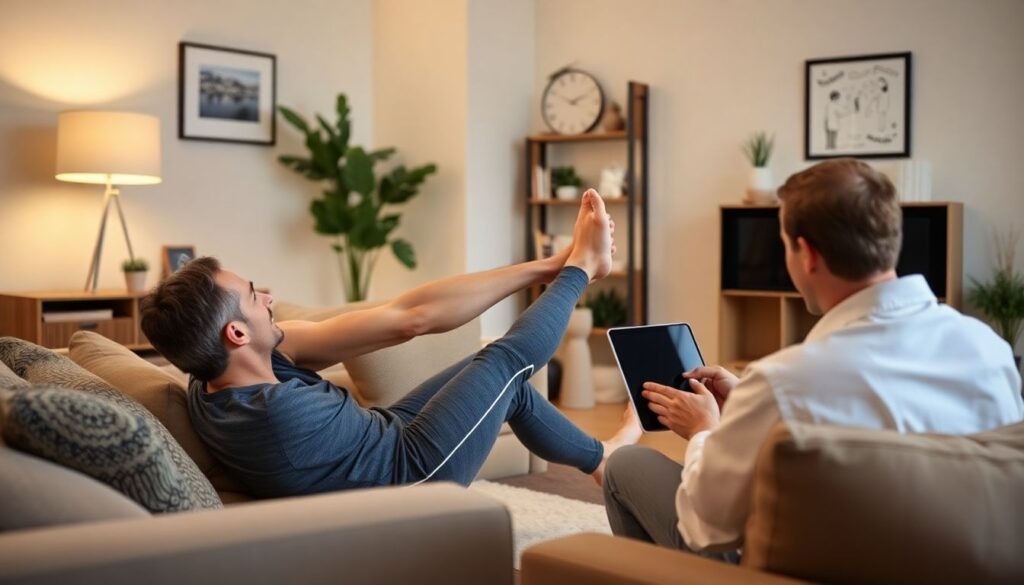
Prioritize at least one or two visits with a knowledgeable provider to confirm diagnosis and key restrictions. Then use home-based exercise progressions, community facilities, and well-reviewed sports injury recovery programs online to guide daily work.
How long should I keep doing injury-prevention exercises after I am back?
Keep one to two focused strength or control sessions per week for at least several months after full return, then maintain elements that address your personal weak links. Many athletes continue a brief, targeted routine throughout their careers.