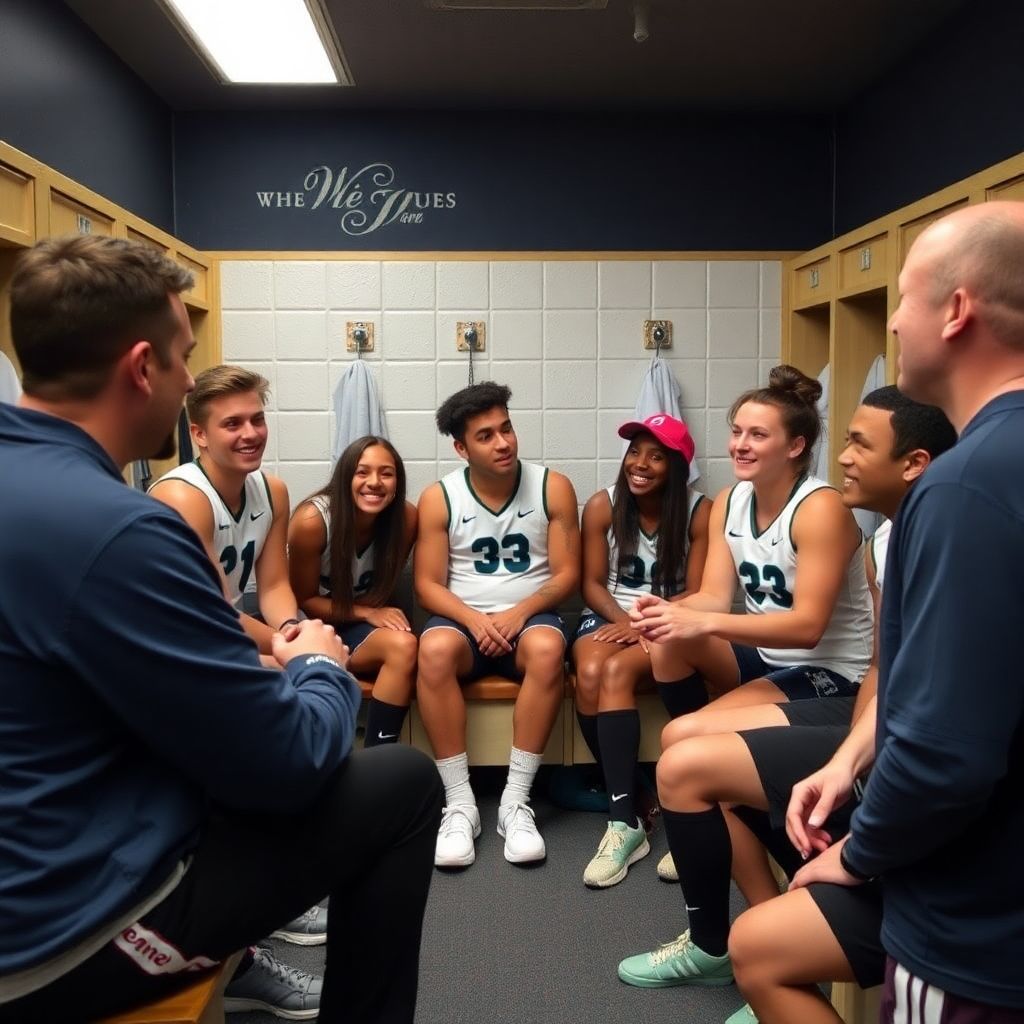
Locker-room chemistry grows from consistent off-field routines, clear leadership, and safe, low-pressure social time. Build small daily habits, not rare big events. Rotate roles, protect psychological safety, and give players voice. Track simple signals-attendance, communication quality, and conflict handling-to adjust your plan and steadily improve trust and connection.
Core Principles of Locker-Room Chemistry
- Build chemistry through frequent, small interactions rather than occasional grand gestures.
- Make routines predictable but flexible so athletes can engage without extra stress.
- Share leadership duties and encourage peer accountability instead of top-down control.
- Protect the locker room as a safe space for honest, respectful conversation.
- Use simple feedback loops and observable behaviors to guide adjustments.
- Integrate new players quickly with intentional introductions and buddy systems.
- Handle conflict early and calmly so performance and trust are not derailed.
Designing Off-Field Routines That Stick

Off-field routines work best for squads that practice at least several times a week and already have basic discipline. They support anyone asking how to improve team chemistry in sports without adding risky or extreme activities.
Avoid heavy add-on routines if:
- The group is in crisis with serious off-field issues or investigations.
- Players already show clear burnout or overscheduling.
- Basic safety, respect, or compliance rules are not yet enforced.
Start with light, repeatable team building activities for sports teams that fit into existing time blocks:
- Five-minute daily check-in before or after practice: each player shares one win and one challenge.
- Weekly connection round: short partner conversations with a rotating teammate on a simple prompt.
- Monthly off-site hangout: low-cost, optional gathering such as a team meal or walk.
If you later add bigger experiences, like the best team bonding retreats for athletes, keep the small daily and weekly habits-those drive lasting locker-room culture more than rare events.
Leadership Roles and Peer Accountability
Strong chemistry needs clear sports team leadership and bonding programs that reach beyond captains. You only need simple tools and consistent follow-through.
Prepare the following:
- Defined micro-roles:
- Culture captain: leads warmups, sets tone for greetings and celebrations.
- Welcome lead: coordinates new-player introductions and buddy assignments.
- Logistics rep: relays schedule details and checks on attendance issues.
- Shared expectations document:
- One page, plain language, covering communication norms, punctuality, and respect.
- Reviewed at the start of each season and after major conflicts.
- Feedback channels:
- Regular short coach-player meetings focusing on team climate, not only tactics.
- Anonymous survey once or twice per season about trust, voice, and safety.
Locker room culture training for coaches should include how to model vulnerability, interrupt toxic jokes, and redirect criticism toward behaviors instead of personalities. When leaders use these tools consistently, peer accountability feels supportive instead of punitive.
Structured Social Interactions vs Spontaneity
Follow this safe, simple process to balance planned and organic connection inside and around the locker room.
-
Map your weekly social moments
List all natural gathering points: arrival, taping, warmup, cooldown, and travel. Identify two to three short windows where players already linger and can safely talk without rushing.
-
Add light structure to two existing windows
Choose moments where energy is moderate, like pre-practice taping or post-practice stretching. Add a simple, optional social structure that takes under five minutes.
- Example: quick-pair discussions on a fun prompt.
- Example: one player tells a two-minute story about a past game lesson.
-
Rotate low-risk connection formats
Keep structure fresh by rotating formats so players do not tune out. Stay within safe, non-embarrassing topics that respect all backgrounds.
- Week 1: name one teammate you appreciated and why.
- Week 2: share something you are working on outside sport.
- Week 3: small-group problem-solving about a game situation.
-
Protect space for unstructured hanging out
After adding structure, leave nearby time blocks completely free. Do not over-program every minute. Spontaneous bonding grows when athletes feel unhurried and not supervised for a while.
-
Watch and adjust based on comfort and engagement
Ask a few players how the interactions feel. If participation is forced or quiet, simplify prompts. If energy is high, extend by a minute or invite more voices.
-
Connect activities to your identity as a team
Link interactions to values and goals so they do not feel random. Clarify that this is part of how to improve team chemistry in sports, not just a time filler.
Fast-Track Mode: Quick Interaction Plan
- Pick two consistent weekly windows around practice for short connection moments.
- Use a simple rotating prompt, such as appreciations, off-field interests, or game lessons.
- Keep each interaction under five minutes and always optional to speak.
- Check in with two to three players monthly and tweak based on their feedback.
Integrating New Players Quickly and Effectively
Use this checklist to confirm new athletes are joining the locker-room culture smoothly and safely.
- Each new player is matched with a same-position buddy within the first week.
- Captains or leaders publicly introduce newcomers by name and basic background.
- The team shares clear norms about punctuality, communication, and social media.
- New players know who to contact for schedule questions or logistical help.
- At least one veteran checks in privately after the first practice and first game.
- New athletes speak at least once in a team setting within the first two weeks.
- There are no initiation rituals involving humiliation, secrecy, or risky behavior.
- Coaches ask new players in one-on-one meetings how welcome and safe they feel.
- Any early conflicts or misunderstandings are addressed quickly and respectfully.
- New players participate in at least one low-key off-field activity within a month.
Conflict Resolution Without Derailing Performance
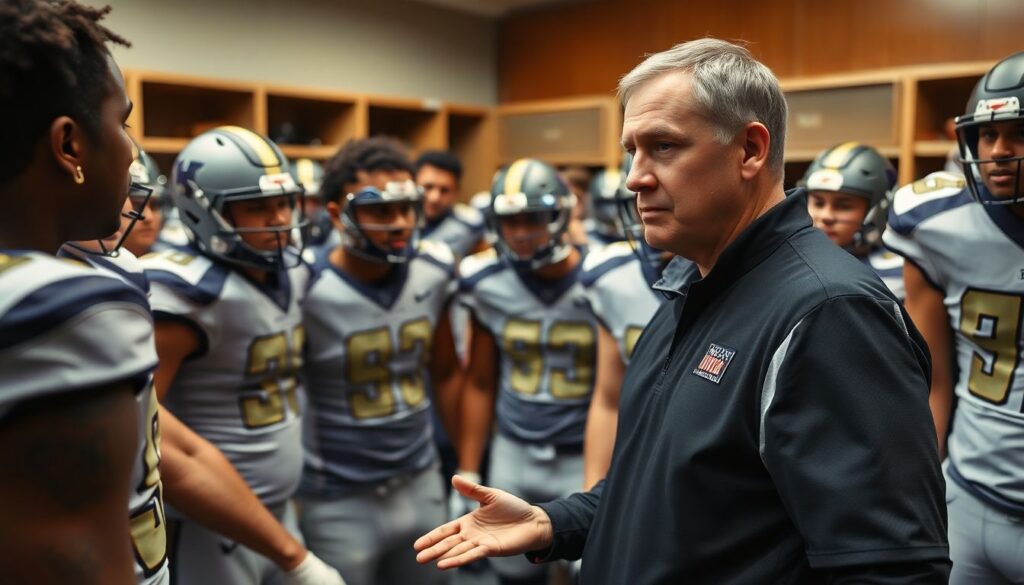
These common mistakes turn small disagreements into chemistry problems. Avoid them to keep performance on track.
- Letting issues fester because the team is winning and results look fine.
- Confronting players only in front of the group, which can trigger shame and defensiveness.
- Allowing sarcasm or inside jokes to stand in for clear, direct communication.
- Treating all conflicts as identical instead of separating performance feedback from personal behavior.
- Skipping basic listening: not letting each person state their view without interruption.
- Turning the team into a courtroom by asking teammates to pick sides.
- Using punishment alone instead of combining accountability with repair and next steps.
- Ignoring power dynamics, such as veterans versus rookies or starters versus reserves.
- Failing to follow up after an apology to confirm behavior actually changed.
- Relying only on ad hoc talks instead of building simple sports team leadership and bonding programs that teach conflict skills.
Measuring Team Cohesion: Metrics and Signals
There is no single perfect measure of chemistry, but you can combine simple, safe approaches that match your context.
- Observation-based logs – Coaches and captains note patterns in engagement, encouragement, and body language during practices and games. Useful when you see mood shifts but want to stay low-tech.
- Short anonymous surveys – Occasional questionnaires on trust, voice, and belonging. Fits clubs that already use digital tools and want clearer data without heavy analytics.
- Behavioral indicators – Track punctuality, voluntary extra work, and participation in team building activities for sports teams and the best team bonding retreats for athletes. Helpful if you prefer visible actions over self-reports.
- Guided reflection sessions – Periodic group talks about what helps and hurts chemistry. These can be part of locker room culture training for coaches and captains who want qualitative insight and shared problem-solving.
Choose one or two methods and keep them consistent each season so you can see trends instead of chasing single data points.
Common Practical Concerns and Solutions
How often should we schedule off-field chemistry activities?
Anchor one very short routine to almost every practice, such as a two-minute check-in, and one slightly longer activity every few weeks. It is better to do less but consistently than to run long events that drain time and energy.
What if some players refuse to participate in bonding exercises?
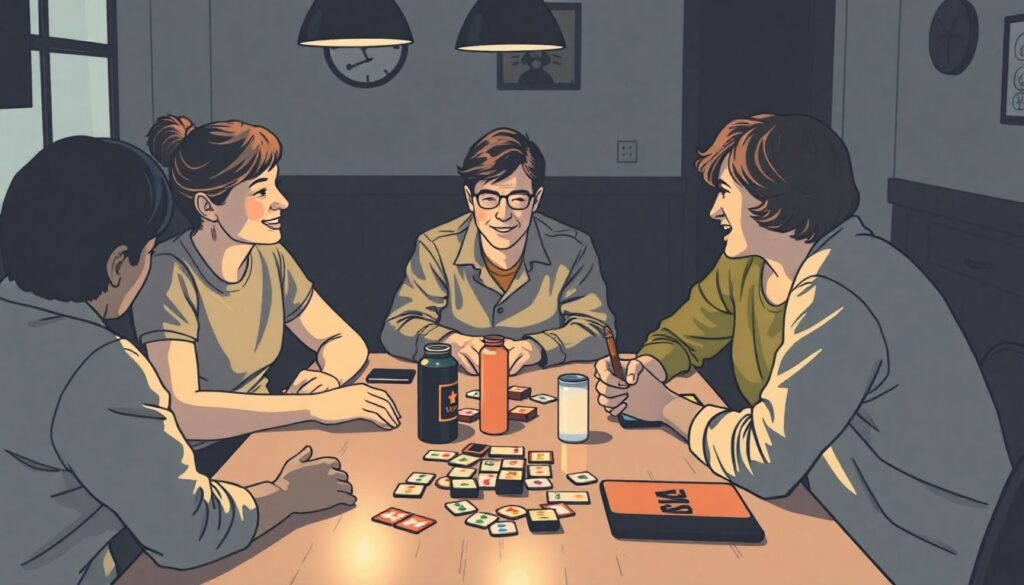
Keep activities low-pressure and optional to speak. Allow quiet participation and private opt-outs. Over time, use player leaders to invite, not force, involvement and adjust formats to fit different personalities and comfort levels.
How can smaller or budget-limited teams build chemistry?
Focus on routines that cost nothing: structured conversations, shared goal check-ins, and peer recognition. Free or low-cost sports team leadership and bonding programs, mentorship by alumni, and intentional use of existing practice time can match many benefits of expensive retreats.
When should we bring in an external facilitator or program?
Consider outside help when conflicts repeat, cliques harden, or staff feel stuck. External experts can run workshops, guide how to improve team chemistry in sports, or deliver short programs without making coaches the only authority in emotional topics.
How do we protect boundaries and safety during team bonding?
Ban hazing, humiliation, secrets, and risky stunts. Keep all activities voluntary, inclusive, and age-appropriate. Ensure travel, curfew, and supervision rules are clear when you organize any overnight or off-site events, including formal sports team leadership and bonding programs.
Do we really need formal training for coaches on culture?
Yes, even experienced coaches benefit from targeted locker room culture training for coaches. Short clinics on communication, bias awareness, and conflict skills help align staff and reduce mixed messages, which supports stable, healthy chemistry.
How do we know if a retreat is right for our team?
Retreats work best when basic trust exists and schedules allow rest before and after. If the group is fragmented or exhausted, start with simple, regular routines; add larger events like the best team bonding retreats for athletes only after foundations are in place.