
Athletes can turn visibility into real-world change by treating social impact like a disciplined season: define one clear cause, build athletes social impact initiatives with experts, align brand partners, track simple outcome metrics, and prepare for backlash. This guide gives step-by-step, low-risk instructions for teams, agents and socially conscious players.
Strategic Snapshot: Where Athletes Drive Social Change
- Anchor every effort to one or two focused issues instead of reacting to every headline.
- Use existing community organizations as operators; athletes provide attention, resources and access.
- Design programs with measurable outcomes from day one, not as one-off appearances.
- Target aligned brand partnerships with socially conscious athletes to unlock scale and credibility.
- Prepare crisis and backlash protocols before a campaign goes live, especially around social justice themes.
- Plan how the work will outlive peak playing years through foundations, funds or advisory roles.
Leveraging a Star’s Brand for Policy and Advocacy
Using a star player’s profile for policy and advocacy is most effective when the athlete has a clear personal connection to the issue and a stable support system (agent, PR, legal, community advisors). It can amplify how athletes use their platform for social justice or education, health, and youth development.
It is usually not the right move when:
- The athlete is still building basic on-field credibility and job security.
- There is no clear position or understanding of the policy landscape.
- The topic is highly polarizing and the athlete is unwilling to accept long-term reputational risk.
- There are unresolved personal controversies that could overshadow the cause.
Safer early plays include:
- Storytelling: interviews, op-eds and social media threads about lived experience.
- Listening tours: private roundtables with affected communities and experts.
- Non-partisan advocacy: promoting voter registration, civic participation and education.
- Joining coalitions instead of acting solo, especially around policing, housing or health policy.
Designing Community Programs with Measurable Outcomes

To move beyond sports stars philanthropy and charity work as photo ops, treat every community program like a small social enterprise with clear inputs, activities, outputs and outcomes.
You will typically need:
- Issue focus and target group
- One priority issue (for example, youth education, mental health, food insecurity).
- A specific population (age range, neighborhood, school district, athlete’s hometown, etc.).
- Delivery partners and operators
- At least one established nonprofit, school or community group with local trust.
- Clear division of roles: who runs programs, who handles data, who manages communications.
- Basic tools and systems
- Secure data collection (simple online forms or partner systems) for attendance and follow-up.
- A shared project tracker (spreadsheet or project tool) listing activities, dates, owners and status.
- A lightweight dashboard (slide deck or simple analytics tool) summarizing key metrics each quarter.
- Legal and risk management
- Legal review for waivers, image rights, and safeguarding policies for youth events.
- Insurance coverage for events, volunteers and facilities.
- Funding and budget discipline
- Multi-year funding commitments where possible, including corporate sponsorships for athlete-led social causes.
- A simple budget with caps for travel, content production and events to avoid unsustainable costs.
Structuring Partnerships with NGOs, Governments and Sponsors
Strong partnerships are the backbone of most athletes social impact initiatives. Use this safe, stepwise approach.
- Clarify the athlete’s purpose and red lines
Write a one-page brief stating the core cause, what success looks like, and non-negotiables (for example, no partisan endorsements). Share this with all potential partners to prevent misalignment. - Map credible local and national operators
Identify NGOs, community groups, and relevant public agencies already doing quality work. Prioritize those with transparent governance and a proven record of working in the chosen issue area. - Design a shared value proposition
Co-create a short concept note explaining what each party gains and contributes.- Athlete: attention, network, limited time, some funding leverage.
- NGO or government: program design, implementation, measurement, community relationships.
- Sponsors: funding, amplification, creative assets, employee engagement.
- Define roles, risks and boundaries in writing
Use simple, plain-language agreements describing responsibilities, usage of image and logo, decision rights, and exit options. This protects everyone, especially when brand partnerships with socially conscious athletes are involved. - Set shared goals and basic metrics
Agree on a short list of indicators tracked by all partners (for example, number of participants served, sessions delivered, follow-up actions). Keep them simple enough for small organizations to report regularly. - Secure aligned funding and sponsorship
Approach potential sponsors with a clear narrative, governance structure, and budget. Emphasize risk management, transparency, and how corporate sponsorships for athlete-led social causes can strengthen community trust. - Launch in stages, starting small
Begin with a pilot in one city, school, or club before promising national expansion. Use early learning to refine messaging, scheduling, and partner coordination. - Agree on evaluation and storytelling rules
Decide in advance how impact data will be collected and who can share which stories publicly. This prevents overclaiming and protects participant privacy.
Быстрый режим: Lean partnership setup in 5 moves
- Pick one issue and write a one-page purpose and boundaries brief.
- Choose one trusted NGO and one aligned sponsor, both already active on that issue.
- Draft a simple agreement: roles, risks, image use, and exit terms.
- Run a small, time-bound pilot with two to three clear metrics.
- Review results with partners, adjust, then decide whether to scale or close.
Evaluating Impact: Metrics, Dashboards and SROI
Keep evaluation practical so it guides better decisions rather than becoming a burden.
- Define one primary outcome (for example, school persistence, job placement, or mental well-being) and two to three secondary outcomes.
- Agree on a small set of input and activity metrics (time spent, funds distributed, sessions delivered).
- Track simple reach metrics: how many people engaged, where, and how often.
- Collect qualitative stories from participants, coaches and community leaders several times a year.
- Build a basic dashboard that can fit on one slide and is updated on a regular cadence.
- Compare effort versus outcomes regularly to decide whether to deepen, adapt or retire a program.
- Document what does not work, not just success stories, and share learning with partners.
- Invite an independent advisor or organization to review methods and claims for credibility.
Crisis, Backlash and Reputation Management
Wherever how athletes use their platform for social justice intersects with politics, backlash is possible. Common mistakes to avoid:
- Launching bold public statements without internal agreement among the athlete, agent, club and key partners.
- Commenting on breaking news without sufficient facts or local context.
- Allowing sponsors to drive the message in ways that feel inauthentic or opportunistic.
- Ignoring community criticism instead of listening, acknowledging and adjusting.
- Over-personalizing the movement so it lives or dies with one star player.
- Failing to separate personal accounts from foundation or initiative channels.
- Not rehearsing crisis scenarios such as past posts resurfacing or partner misconduct.
- Underestimating language barriers and cultural nuances when work spans multiple regions.
Sustaining and Scaling Impact After Peak Career Years
When playing days wind down, there are several safe ways to keep impact growing.
- Formal foundation or donor-advised fund: Suitable for athletes with consistent income and a desire for structured giving, governance and legacy, beyond occasional sports stars philanthropy and charity work.
- Issue-focused investment or venture involvement: For players interested in backing social enterprises aligned with their cause, often in education, health tech or community infrastructure.
- Advisory, ambassador and board roles: Good for athletes who prefer to lend reputation, network and strategic input rather than run day-to-day operations.
- Training and mentoring the next wave of advocates: Ideal when the athlete wants to shift from front-line activism to coaching younger players on safe, credible advocacy.
Practical Implementation Questions and Short Answers
How should an athlete choose a single cause to focus on?
Start with lived experience, existing community ties and personal energy levels. Test interest by quietly supporting two or three groups for a season, then commit to the one where the player shows up consistently and partners see real traction.
What is the safest first step for a young player new to social impact?
Join an existing program run by a trusted team foundation or local nonprofit. Listen, volunteer, and learn operations before launching personal campaigns or making public policy statements.
How can we keep brand partners aligned with the athlete’s values?
Share a written values and boundaries brief before any deal, and include clear clauses on issue alignment, veto rights on messaging, and consequences if the brand acts against core principles.
What budget size is needed to start a credible initiative?
Begin with what you can sustain for several seasons, even if it is modest. Focus on depth and follow-through for one community rather than broad but shallow campaigns in many places.
How do we balance performance commitments with community work?
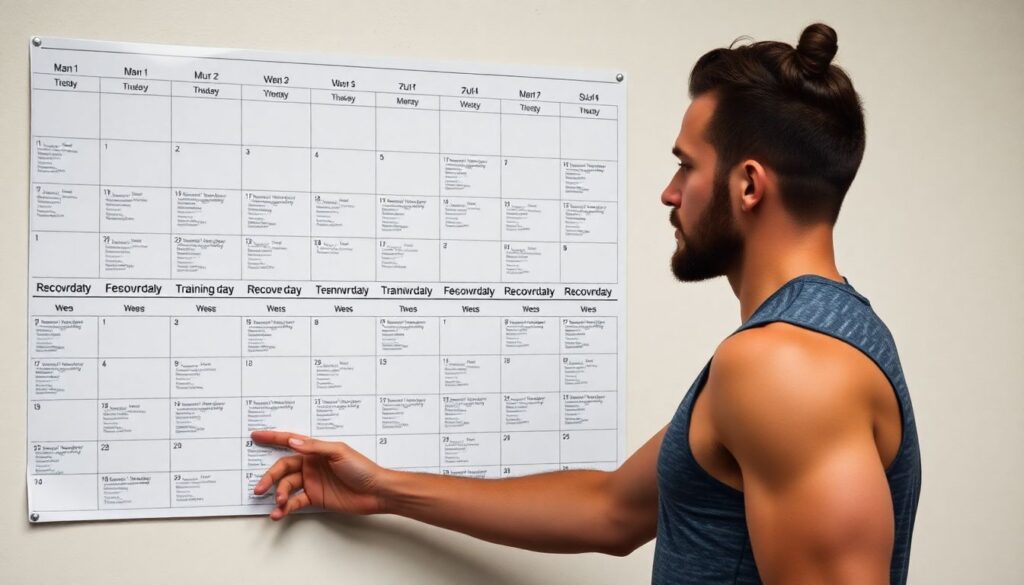
Set strict time limits per month for appearances and meetings, and protect recovery days. Use off-season and bye weeks for heavier lifts like camps, summits and strategy sessions.
When should we involve government agencies in an initiative?
Involve them when your work touches public systems like schools, policing or health, or when you need access to public facilities and data. Start with informal conversations to understand constraints before announcing formal partnerships.
What if public opinion turns against the cause the athlete supports?
Review the evidence and community feedback with trusted advisors. If the cause still aligns with facts and values, refine messaging and stay consistent; if not, communicate clearly why the approach is changing.