
College vs. pro sports differ most in rules that shape tempo, strategic risk tolerance, and how players are developed and protected. For most athletes, college is best for broad development and education; pro is best for elite specialists. The right path depends on your ceiling, support system, and risk appetite.
Side-by-side summary: rules, strategy, development
- Rule sets in college favor wider playbooks, faster substitution, and more schematic variety; pro rules reward precision, efficiency, and consistency.
- Strategic risk is higher in college, with more trick plays and tempo; pros emphasize matchup exploitation and mistake-free execution.
- College emphasizes physical growth, broad skill sets, and exposure; pro systems emphasize specialization, durability, and film-driven refinement.
- Coaching in college must balance recruiting, teaching, and scheme; pro staffs focus on game-planning, contract realities, and veteran management.
- Rosters in college are large with constant turnover; pro rosters are smaller, contract-driven, and highly optimized for specific roles.
- For long-term security, college plus a degree is often safer; for maximal performance growth, thriving in a pro environment scales your ceiling fastest.
Rule distinctions that change game flow (timing, field, substitutions)
Core college vs pro football differences and similar gaps in basketball rules create very different rhythms and physical demands.
- Game timing and clock rules: College football stops the clock for first downs and has different timing around out-of-bounds and replay; pros keep the clock moving more, amplifying the value of efficient drives and two-minute management.
- Field dimensions and spacing: In football the field is the same size, but college hash marks are wider, changing angles for run game and passing; in basketball, the NBA three-point line and defensive rules reshape spacing compared with NCAA.
- Substitution freedom: College systems use mass substitutions and situational packages; pros must manage tighter, real-time subs, which rewards players who can stay on the field and handle multiple responsibilities.
- Overtime and end-game formats: College football’s alternating-possession OT and different targeting/enforcement rules change late-game risk; pro OT and NBA end-game rules prioritize clock, fouls-to-give, and timeout management in a different way.
- Contact, targeting, and protection rules: Stricter targeting rules in college, differences in illegal contact/hand-checking, and how defensive holding is enforced affect how aggressive defenders can be at each level.
- Eligibility, amateurism, and replay challenges: College replay is booth-driven with different standards and no coach’s challenge flag; pros must manage challenge strategy as a critical resource.
- Special teams and kicking rules: College rules on fair catches, touchbacks, and coverage lanes change risk-reward on returns and kickoff strategy relative to the NFL.
- Defensive alignment rules: In NBA vs NCAA, defensive three seconds and illegal defense rules reshape how teams can defend the paint compared with college schemes.
If/then guide: rules and game flow
- If you thrive in chaotic, high-tempo games with frequent subs, then college environments usually fit your current strengths better.
- If you excel at precision, situational awareness, and late-game clock mastery, then pro-style rules will eventually favor you.
- If you coach players with limited stamina but strong situational skills, then lean on college-style rotations while teaching pro timing concepts.
- If your athlete’s main edge is physicality at the catch point, then study how contact is called differently before choosing a scheme focus.
Strategic divergences: play design, tempo, and risk tolerance
Strategic gaps between college and pro levels are clear when you compare NCAA vs NFL and college vs NBA basketball rules and strategy: college leans into volume and disruption; pros lean into matchup hunting and high-efficiency decisions.
| Variant | Best for | Pros | Cons | When to choose |
|---|---|---|---|---|
| Up-tempo spread (college-style) | Deep college rosters, QBs/guards who process quickly, teams seeking to neutralize talent gaps. | Stresses conditioning, simplifies reads, increases play volume, creates busts on defense. | Harder to sustain in pros; exposes defenses, demands constant communication and fitness. | Use when you are the underdog talent-wise and want more possessions and chaos. |
| Conservative ball-control (pro-style) | Teams with strong OL/frontcourt, smart veteran leaders, and efficient set plays. | Limits turnovers, controls clock/pace, travels well on the road, fits NFL-type development. | Lower explosion potential; may not generate enough possessions vs superior offenses. | Use when you are favored or evenly matched and trust your execution over time. |
| Isolation / star-centric (NBA-style) | Squads with one or two elite scorers or matchup-proof skill players. | Maximizes your best player, simple late in games, aligns with pro playoff basketball. | Predictable if others can’t punish help; can stunt role-player growth in college. | Use in tight games or tournaments when your star is clearly better than any defender. |
| Multiple pro-style with college tempo | Teams with smart QBs/point guards and coordinators able to carry more scheme volume. | Gives you pro concepts plus pace, great lab for compare NCAA vs NFL player development. | Heavy install burden; execution drops if teaching time or football IQ is limited. | Use in advanced college programs or academies preparing athletes explicitly for pros. |
| Defensive disruption first | Rosters long on athletes, short on polished skill; aggressive DCs/defensive coaches. | Generates turnovers, masks schematic inexperience, ideal in college tournaments. | Risky versus disciplined pro-style units; can backfire with big plays allowed. | Use when you lack elite offense but have depth, length, and buy-in on effort. |
If/then guide: strategy and risk
- If you have raw athletes but not many high-IQ veterans, then use up-tempo spread or disruption to create extra possessions.
- If your best players are decision-makers (QB, point guard), then lean into multiple pro-style concepts taught early.
- If your team relies on one star, then build late-game isolation packages modeled on NBA and NFL matchup-hunting.
- If your depth is poor and injuries would cripple you, then favor conservative ball-control and reduce total snaps/possessions.
Player development models: athleticism, technique, and specialization
When families ask college vs professional sports which is better for athletes, they are really asking how different systems develop bodies, skills, and careers, and what is the best path to go from college to pro sports without stalling out.
- If you are a late-physical-maturity athlete, then prioritize a college program known for redshirting and strength development, not early playing time at any cost. The pro game will still be there when your body catches up.
- If you are already dominating athletically but raw technically, then choose a staff with a clear record of skill development in your position; in football, compare NCAA vs NFL player development by studying how often their alumni stick in the league.
- If you are undersized for your target pro position, then emphasize versatility in college (special teams, multiple positions, both backcourt spots). Pros value role flexibility that compensates for pure measurables.
- If you have elite skill but average athleticism, then choose schemes that showcase IQ: heavy pick-and-roll and read-based offenses in basketball, or progression-based passing in football that lets you show processing speed.
- If you are injury-prone or returning from major surgery, then value medical, rehab, and sports science resources over brand name. A stable college environment can extend your window to reach the pros.
- If you can choose between early pro contract and extra college years, then go pro only if you project to earn meaningful playing time and development minutes, not just a roster spot, within a reasonable horizon.
If/then guide: choosing a development track
- If your primary goal is long-term earning power and life stability, then leverage college for a degree plus elite training before betting on a pro contract.
- If unbiased scouts already view you as a clear pro prospect, then target programs that mirror pro terminology and playbooks to shorten your learning curve.
- If your current ceiling is unclear, then choose the situation with the most trusted coaching and consistent role, not the flashiest league.
- If academic support and mental health resources are critical for you, then prioritize college environments that can actually deliver them before chasing pro status.
Coaching structures and schematic complexity at each level
Coaching hierarchies and playbook volume are central in any college vs NBA basketball rules and strategy comparison and in football’s jump from NCAA to NFL. Use this quick checklist to match environment to your needs as a coach or player.
- Define teaching capacity: If your staff is small and part-time, then carry a simpler, more college-like scheme with clear rules instead of a bloated pro-style playbook.
- Assess player bandwidth: If film and meeting time is limited (typical for students), then limit checks and audibles; if you are in a pro setting, then invest fully in pre-snap adjustments.
- Align terminology early: If your long-term aim is pro placement, then gradually introduce pro language in college so the transition from NCAA to NFL or NBA concepts is smoother.
- Balance freedom vs structure: If your roster has multiple high-IQ veterans, then empower them with more read-based structure; if it is young and inconsistent, then call more set plays and scripted looks.
- Match scheme to staff expertise: If your position coaches come from pro backgrounds, then lean into what they know; if not, avoid copying complex pro schemes just because they are trendy.
- Plan for staff turnover: If you expect frequent coaching changes (common in college), then simplify your core philosophy to protect players from yearly system resets.
If/then guide: schematic complexity
- If you cannot rep a concept at game speed at least several times weekly, then it should not be in your game plan at any level.
- If players consistently bust in the same situation, then remove checks before blaming effort.
- If your best players are thinkers as much as athletes, then embrace more pro-style autonomy earlier in their careers.
- If standardized tests or course loads are currently overwhelming key players, then streamline scheme rather than adding mental load.
Roster construction, draft incentives, and contract-driven choices
How rosters are built and maintained is where college vs pro football differences and basketball differences may matter most for your actual role and minutes.
- Chasing logo over role: Choosing a famous college or pro club where you are recruit number 15 at your position, instead of a smaller environment that guarantees a clear path to the floor or field.
- Ignoring draft and age curves: Staying in college so long that age becomes a negative in drafts or pro signings, or leaving too early with no clear market.
- Misreading contract realities: Assuming a pro deal guarantees playing time; many contracts are team-friendly, and role competition is ruthless.
- Overlooking special teams and niche roles: In football, neglecting special teams; in basketball, refusing 3-and-D or energy roles that often secure pro roster spots.
- Underestimating roster churn: In college, not accounting for transfer portals and yearly recruiting; in pros, ignoring how quickly contracts and trades can change depth charts.
- Short-term money over long-term platform: Jumping at the first paycheck instead of weighing whether one more year in a strong college system could double your long-term value.
- Not studying archetypes: Failing to analyze what body types, skills, and statistics actually get drafted or signed from your position out of your conference or league.
- Relying on non-objective advice: Letting only family or local coaches guide decisions without getting honest feedback from neutral scouts or player personnel people.
If/then guide: roster and contract thinking
- If you cannot clearly explain how you make a roster better in one sentence, then you are not yet ready to thrive in a pro environment.
- If your projected role at a school is unclear, then assume you are depth until proven otherwise.
- If an offer does not include a realistic development plan specific to you, then treat it as a red flag regardless of level.
In-game decision tree: situational calls from college to pro
- If you are a developmental athlete or coach prioritizing teaching, reps, and broader life outcomes, then a college-centered path is usually the better initial choice.
- If you are already playing at or near pro level against top competition and have verified interest from pro evaluators, then transitioning earlier to a professional environment can maximize your peak performance window.
- If your main concern is stability and degree completion, then plan to exhaust college eligibility or secure your diploma before fully committing to a pro-only path.
- If your primary metric of success is reaching the highest competitive level regardless of risk, then optimize every decision – school choice, scheme, role – around what scouts and pro systems actually value.
Overall, college is usually best for broad development, mistakes in a lower-pressure environment, and building an educational base; professional leagues are best for fully committed, top-end prospects ready to specialize, accept business realities, and compete daily for their spot.
Practical dilemmas and short resolutions for coaches and players
How do I decide between more playing time in college and entering the pros earlier?
Estimate your likely role in each scenario and ask trusted evaluators, not just friends. If you would sit as a pro but play major minutes in college while improving, staying usually increases long-term value.
What is the quickest best path to go from college to pro sports for a borderline prospect?
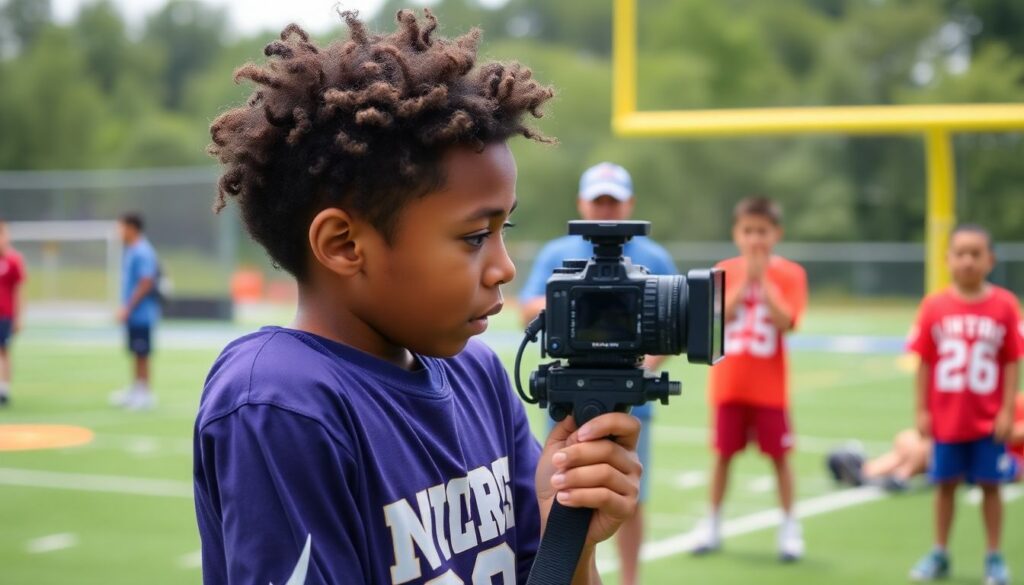
Earn a defined role, master one bankable skill (shooting, pass-rush, coverage, ball-handling), and compete against the best available competition each year. Combine that with proactive networking: camps, combines, and verified video for scouts.
Should my college playbook copy pro schemes to help players reach the next level?
Mirror core concepts and terminology, but only at a volume your roster can actually execute. A smaller, well-taught pro-influenced menu is better than a bloated book players cannot handle.
How important are special teams or “role player” duties for pro chances?

They are often decisive. Many NFL and overseas basketball contracts go to athletes who can fill multiple low-glamour roles reliably; that versatility proves you can help a roster on day one.
Does transferring schools hurt my professional chances?
A single, well-reasoned transfer to gain fit, health, or playing time rarely hurts. Serial transfers without production or clear improvement make evaluators question adaptability and accountability.
How should I weigh academics against athletic opportunity?
If your pro odds are uncertain, lean harder into academics. A strong academic fit plus solid athletic development keeps both doors open, while poor academics can close options even if your game improves.
Is it easier to reach the pros from certain conferences or leagues?
High-visibility conferences help, but evaluators now find talent everywhere. Production against strong competition, measurable traits, and verified film matter more than the logo on your jersey.