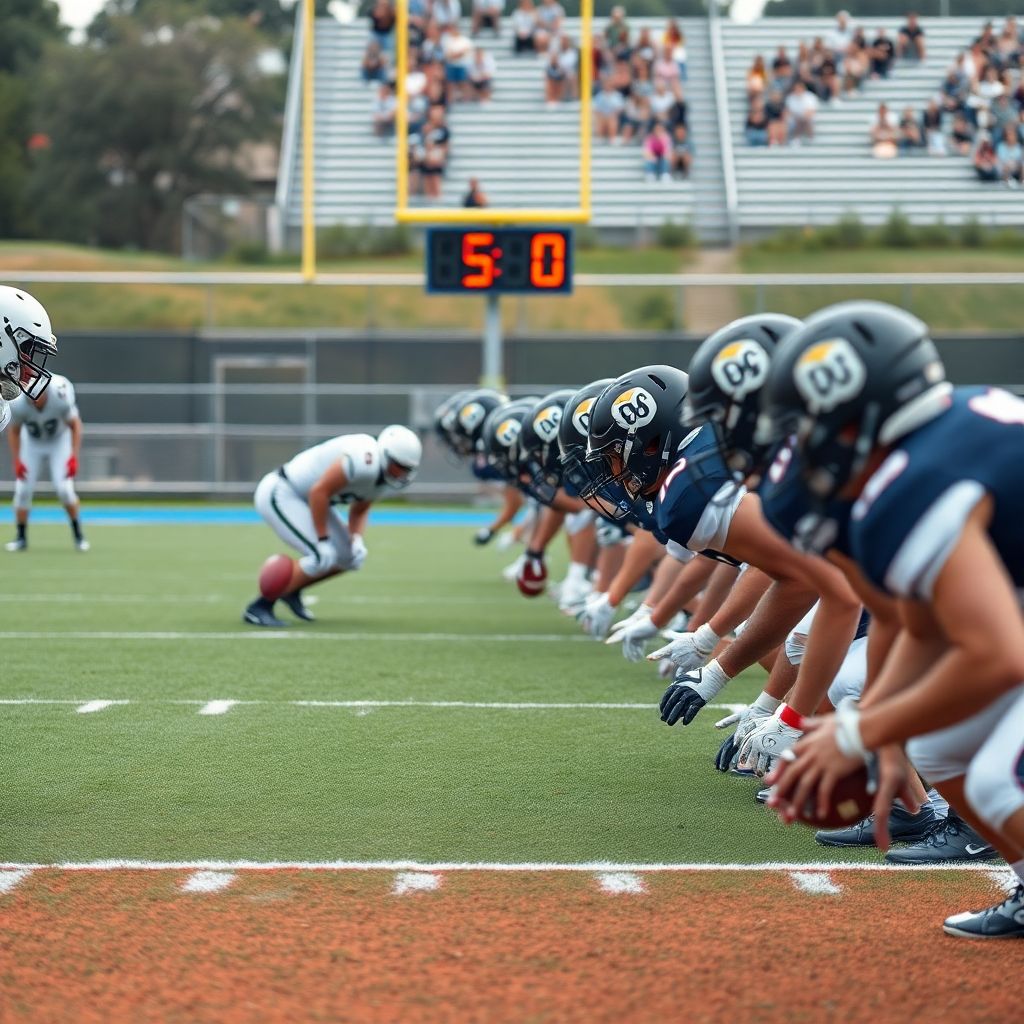
The two-minute drill is an up-tempo, end‑of‑half or end‑of‑game offensive sequence designed to maximize plays and scoring chances while minimizing time used. It blends clock rules, field position, personnel, and communication into a tightly scripted package that good teams rehearse weekly and adjust based on opponent, weather, and game state.
Essential Concepts Before the Tape
- The two-minute drill is a specific game-state package, not just “hurry-up offense.”
- Clock rules (timeouts, spikes, out-of-bounds) define what is realistically possible.
- Route concepts and formations must favor the sideline, tempo, and quick decisions.
- Personnel groupings trade explosiveness for protection and substitution limits.
- Communication systems must work under noise, stress, and compressed play clocks.
- Analytics help select safe but efficient target zones, routes, and clock strategies.
Debunking Common Myths About Two‑Minute Offenses
In NFL terminology, a two-minute drill is a situational package used when time is the scarcest resource, usually at the end of the first half or in the fourth quarter. It is defined less by the exact time remaining and more by the need to manage clock, field, risk, and communication in a coherent way.
Myth 1: “Two-minute = call all your deep shots.” In reality, top NFL offenses lean on high-percentage concepts that move the chains and the sideline: outs, comebacks, corners, dagger, and drive. For example, the 2021 Chiefs at Chargers (Week 15) repeatedly used dagger and shallow cross to reach field‑goal range, saving the true vertical shot for a coverage bust.
Myth 2: “Just go as fast as possible.” Pure speed can cause substitution chaos, missed signals, and protection errors. Smart two-minute drills use “controlled tempo” – hurry to the line, then use a common cadence and simple shifts. The 2022 Bills at Chiefs (Divisional) are a classic: rapid organization, but enough time to check the protection versus overloaded boxes.
Myth 3: “It’s just the normal playbook, faster.” Good staffs build a dedicated two‑minute menu during the week. They trim to a handful of pass‑heavy concepts, 1-2 draws, 1 screen, and 1 shot play. Many teams lean on an NFL coaches film breakdown subscription or an internal NFL game analysis service to identify which concepts consistently beat the opponent’s late‑game coverages.
Myth 4: “Analytics only matter before the game.” Advanced NFL analytics tools for coaches now heavily inform two‑minute structure: target line for the kicker, expected yards by area of field, and time‑cost of specific play types. During the week, this information is turned into simple sideline rules so players can make safe, fast decisions without staring at charts.
Safe application steps and boundaries:
- Define clear two‑minute thresholds (e.g., timeouts, time remaining, score margin) before the game.
- Limit the two‑minute call sheet to concepts everyone can execute at full speed under pressure.
- Rehearse end‑of‑half and end‑of‑game separately, because risk tolerance and target line change.
Film note: When you build your own professional NFL film study course or do football offensive strategy consulting for others, start myth‑busting with concrete drive cutups, like the 2017 Patriots at Steelers (Week 15) for surgical, clock‑aware execution.
Clock Management Mechanics: Rules, Constraints, and Real‑Time Decisions
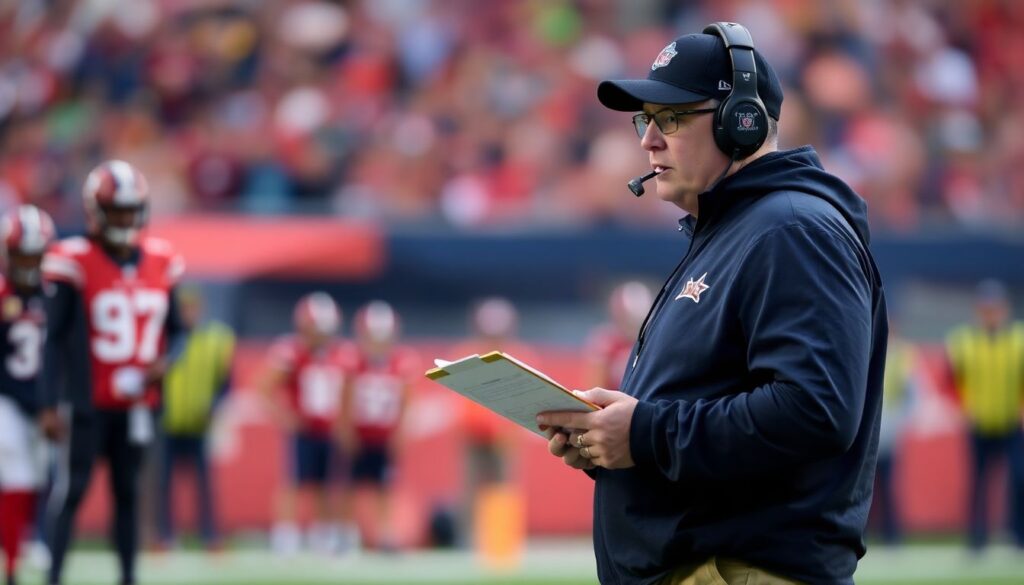
Clock management is the backbone of every two‑minute drill. Before you dive into tape, outline the rules that matter most in the NFL, then overlay your risk profile: do you only need a field goal, or a touchdown? How many timeouts? How is your protection holding up?
-
Timeout inventory and “use points”
Count your remaining timeouts and pre‑decide “use points” on the field (e.g., first snap in plus territory, any sack, or any play with in‑bounds tackle over 15 yards). This prevents emotional, ad‑hoc burning of timeouts after routine plays. Safe step: designate one coach to manage this, not the quarterback in the moment. -
The real cost of the spike
A spike trades one down for clock stoppage. With 3+ downs left and enough time (40+ seconds), spikes are usually sub‑optimal unless you’ve had chaotic substitution or a big scramble. Limitation: inside the 10‑yard line, spiking on first down often compresses the red‑zone call sheet too much and exposes the offense to holding calls and sacks on fewer remaining plays. -
Sideline vs. middle of field usage
Without timeouts, favor the sideline, but not to the point of predictability. Teams like the 2019 Saints at Texans used in‑breaking digs and benders to exploit soft middle coverage, then immediately went NASCAR tempo to the line to kill or run a fast out. Limitation: repeated sideline throws invite trap coverages and pick‑six risk. -
First-down clock behavior
In the NFL, the clock stops briefly on out‑of‑bounds plays and incomplete passes, and restarts on the ready‑for‑play signal except inside the last two minutes of the half. Teams must understand exactly when the clock restarts to avoid walking to the huddle after “safe” completions that are still burning seconds. -
Sack and scramble management
Every two‑minute plan must address: “What happens after a sack or scramble?” Safe script: if you have timeouts, call one immediately on a sack after midfield; if not, go to a pre‑tagged “rally” call (basic all‑purpose concept) that the offense knows it will run in emergency tempo, as the 2020 Seahawks often did with all‑curls or dagger. -
Target line and kick setup
Instead of “get as close as possible,” define a realistic target line based on your kicker and weather, then build 2-3 calls that reliably reach or slightly surpass that spot while favoring the correct hash. Limitations: chasing extra yards with risky plays after reaching target line has burned many teams; it should be rare and opponent‑specific.
Film examples: study the 2016 Packers at Cowboys (Divisional) and the 2021 Raiders at Chargers (Week 18) for contrasting but effective clock‑use philosophies, both anchored by clear target‑line thinking and disciplined timeout usage.
Play Designs That Thrive Under Pressure: Formations, Motions, and Route Trees
Core two‑minute concepts must be simple to communicate, flexible against common coverages, and low‑risk in the middle of the field. Think in terms of route families and formation families rather than isolated plays, so your quarterback can recognize matchups quickly on film and on the field.
-
Spread 3×1 isolations
Common look: trips to one side, X‑receiver isolated back side. You pair a “read the coverage” trips concept (e.g., stick, dagger, mesh) with a one‑on‑one isolation like a comeback or fade. Safe step: favor comebacks, outs, or quick stops over pure fades; they allow throws to the boundary with lower turnover risk, as seen in many 2020 Chiefs two‑minute drives. -
Boundary‑driven flood concepts
Floods and sail concepts layer vertical, intermediate, and flat routes to the sideline. The quarterback works high‑to‑low toward the boundary, always with an outlet that steps out or is easily tackled out of bounds. Limitation: defenses will start rolling a corner and safety into the flood; build a backside slant or dig as a hot answer. -
Mesh and shallow crosses for “run‑after” yards
When defenses sit back in soft zones, mesh and shallow cross concepts give your receivers room to run without forcing dangerous jump balls. The 2018 Rams used these heavily in late‑half drives. Safe practice: emphasize ball security and sideline awareness to avoid in‑bounds tackles that cost 20 seconds for 6 cheap yards. -
RB check‑throughs and draws
A two‑minute menu still needs a run threat. Slow‑developing runs are rarely safe; instead, pair quick‑hitting draws and RB check‑throughs (check protection, then leak) with your spread looks. Limitation: if your line is struggling, even draw plays can lead to negative‑yardage chaos. Use them selectively when the box is clearly light. -
Screen game as pressure outlet
Screens can punish blitz‑heavy defenses, but mis‑timed screens are drive killers. Integrate one or two screens you rep constantly, with strict rules: only throw if the numbers and leverage are right. Example: the 2013 Broncos were excellent at punishing all‑out pressure with well‑timed RB screens, but rarely forced them into tight coverage. -
Motion and formation tags, not new schemes
Motions should clarify coverage and create leverage, not invent new plays at the worst possible time. Safe approach: keep the same 4-6 core concepts, but tag them with different motions and alignments (bunch, stack, reduced splits) you have already drilled all week.
Film suggestions for self‑study or an in‑house NFL game analysis service: 2017 Patriots at Texans (Brady’s use of dagger and option routes), 2019 Seahawks at 49ers (Metcalf comebacks and crossers), and 2020 Chiefs at Raiders (trips‑based sideline isolations).
Personnel Choices and Substitution Patterns for High‑Tempo Endings
Personnel in the two‑minute drill is a trade‑off between matchup hunting and operational safety. Over‑rotating packages in this phase can lead to illegal substitutions, tired linemen, and misaligned receivers. Under‑rotating keeps things clean but may limit your best mismatches against specific defenders.
Advantages of Common Two‑Minute Personnel Packages
- 11 personnel (1 RB, 1 TE, 3 WR): Most popular blend of pass threats and protection. TE helps chip edge rushers and gives a middle‑of‑field option; three WRs threaten the whole width. Safe default group when in doubt.
- 10 personnel (1 RB, 0 TE, 4 WR): Maximizes spread and isolates weaker DBs. Effective for teams with deep WR rooms, like several recent Bengals iterations. Advantage: constant three‑ or four‑wide route trees from similar looks, making tempo easier.
- 12 personnel (1 RB, 2 TE, 2 WR): Useful when you fear edge pressure or want to disguise draws and screens. The second TE can stay in for protection or leak late. This was a staple for the 2018 Eagles in several two‑minute situations.
- RB type decisions: A reliable pass‑protection back is often more critical than the most explosive runner. Safe step: prioritize the RB who makes the right blitz‑pickup decision over the one who occasionally breaks a big draw.
Limitations, Risks, and Substitution Boundaries
- Subbing between every snap: Frequent personnel changes allow the defense to match and slow your tempo. They also increase risk of illegal substitution penalties if the ball is snapped with players still exiting.
- Heavier sets vs. obvious pass situations: Rolling out 12 or 21 personnel when everyone knows you are throwing can invite exotic pressure looks. Limitation: you may protect better, but your route inventory shrinks and receivers have less space to win.
- Fatigue‑blind playcalling: In long drives, skill players and linemen tire. Rotating a fresh WR in can help, but constant changes may cause communication breakdowns. Safe rule: keep the quarterback, center, and main signal WR consistent; rotate the complementary pieces.
- Mismatched tempo planning: If your two‑minute package relies on specific “speed” subs (e.g., a niche slot receiver), rehearse those groupings together during the week. Limitation: using “practice‑only” combinations in live two‑minute can trigger alignment errors you never saw in normal‑tempo team periods.
- Over‑specialized stars: Designing the entire drill around one WR or TE makes you predictable. Defenses bracket that player, and your quarterback presses. Safe approach: build mirrored concepts where at least two receivers can be the primary, depending on coverage.
If you work with a football offensive strategy consulting group, ask them to chart which personnel sets your team executes cleanest in late‑half situations, not just which sets produce the biggest single plays.
On‑field Communication: Signals, Cadence, and Sideline Coordination
Communication breakdowns are the most common and most preventable failures in two‑minute drills. Even elite quarterbacks suffer burned downs and wasted timeouts when motions, protections, and hot routes are not universally understood.
-
Mistake: Overloaded verbiage under the two‑minute clock
Long, formation‑heavy calls slow everything down. Many successful two‑minute units shift to one‑word or two‑word calls that encode formation + concept (e.g., “Vegas Right”). Safe step: shrink terminology, not the concept quality. -
Mistake: Inconsistent sideline and QB messaging
If coaches signal one idea to the QB and something slightly different to WRs or RBs, confusion is inevitable. Use a single point of origin for signals and ensure every position group practices reading the same cue. Limitation: changing signal systems mid‑season without full re‑repping can be more dangerous than living with a slightly predictable code. -
Mistake: Ignoring crowd noise in practice
Quiet‑field practice creates false confidence. Safe habit: rehearse two‑minute with crowd noise and reduced verbal communication so players default to hand signals, eye contact, and built‑in rules. The 2014 Seahawks were famous for thriving in noise because it was their default practice environment. -
Mistake: Cadence variability at the wrong time
Players love using hard counts and freezes, but in a two‑minute context they often waste time and generate false starts. Safe standard: a simple, consistent cadence that everyone associates with hurry‑up-no special tricks unless the defense is jumping offside repeatedly. -
Mistake: Unclear “kill” and “alert” rules
Many systems have “kill” calls (change the play) and “alert” tags (potential change based on look). Under stress, players mix these up. Film‑room step: in your professional NFL film study course or internal meetings, tag every successful and failed kill/alert in two‑minute drives to highlight who actually processed the change correctly. -
Mistake: No plan for broken headset or signal theft
Headsets can fail, or defenses can pick up sideline signals. Safe boundary: carry a small set of “emergency two‑minute calls” the QB can run from the wristband or memory if communication is compromised. These should be your best all‑coverage concepts.
Film reference: watch the final drive of 2020 Cardinals at Bills. You will see both smooth communication sequences and one or two alignment hesitations that nearly cost critical seconds before the famous Hail Mary.
Analytics That Predict Two‑Minute Success: Situational Metrics and Models
Analytics for the two‑minute drill should simplify decisions, not complicate them. The goal is to pre‑bake guidelines so the sideline and quarterback can operate on instincts trained by numbers-where to attack, when to use timeouts, and which play profiles are safest.
Useful metric categories to review through an advanced NFL analytics tools for coaches platform or your own self‑scouting:
- Yards per attempt by route family (outs, comebacks, digs, seams) in the last two minutes.
- Pressure rate by protection scheme (full slide, half slide, 6‑man, max‑protect) in obvious pass situations.
- Timeout and spike efficiency: drives where timeouts or spikes clearly changed win probability.
- Sideline vs. middle targeting: how often throws near the boundary ended in‑bounds, and how many seconds were lost.
- Drive outcomes from various starting field positions: probability of scoring from own 25 vs. own 40 with specific time/timeout combinations.
Here is a simplified pseudo‑logic you might see in a self‑built tool or via an NFL game analysis service:
// Inputs: time_remaining, timeouts, field_position, needed_points
if (needed_points == 3 && time_remaining > 45 && timeouts >= 1) {
    target_line = computeFieldGoalTarget();
    callMenu = "moderate-risk sideline + middle concepts";
} else if (needed_points >= 6 && time_remaining <= 40) {
    target_line = "end zone";
    callMenu = "high-risk verticals + layered crossers";
} else {
    target_line = computeBestFieldChunk();
    callMenu = "balanced 2-minute core";
}
Limitations and safe boundaries for analytics in this context:
- Numbers must be translated into a few simple sideline rules; long charts are useless during the drill.
- Small‑sample data from only a few games should not completely overhaul long‑proven concepts that your roster executes well.
- Context-injuries, weather, pass‑rush dominance-sometimes outweighs the historical model; empower the playcaller to override.
Case study to close: review the 2019 49ers at Saints shootout. Chart how both teams attacked the middle of the field early, then gradually shifted toward sideline‑safe concepts as time and timeouts dwindled. Use this kind of drive‑level charting as the backbone of a professional NFL film study course or internal clinic, tying analytics directly back to specific snaps.
Practical Clarifications and Edge Cases
How is a two-minute drill different from a general hurry-up offense?
A hurry‑up offense can be used any time to control pace, while a two‑minute drill is tied to end‑of‑half or end‑of‑game situations where clock and score conditions create hard constraints. Two‑minute calls are more specialized, with heavier emphasis on clock stops, sideline throws, and target‑line awareness.
When should a team avoid using a full two-minute package?
Teams should avoid full two‑minute tempo when protecting a lead with little time left and the defense has no timeouts, or when the offensive line is clearly overmatched in pass protection. In these cases, safer run‑heavy or mixed approaches limit turnover and clock‑stoppage risk.
Is it ever correct to keep running the ball in a classic two-minute situation?
Yes, especially when defenses sit in light boxes or overplay the sideline. Well‑timed draws and inside runs can produce efficient gains while still allowing hurry‑up tempo. The key boundary is time remaining and timeout count; late, no‑timeout situations severely limit rushing options.
How many core pass concepts should be in a two-minute call sheet?
Most offenses function best with a trimmed set of roughly a handful of core route families, each with formation and motion variations. Too many unique concepts increase the chance of miscommunication and alignment errors under stress, while a very small menu makes tendencies easy to scout.
Should backup quarterbacks get dedicated two-minute practice reps?
Yes. Even if they run fewer total reps, backups should regularly operate the two‑minute script with at least the primary skill group. Injuries and late‑season fatigue make it likely that a backup will eventually manage a crucial two‑minute drive.
What is the safest way to introduce new two-minute concepts mid-season?
Layer new concepts onto existing formations and terminology the players already know, and rep them first in normal‑tempo practice before moving to hurry‑up. Avoid wholesale system changes; instead, add 1-2 new tags or route combinations that complement established strengths.
How can smaller programs emulate NFL-level two-minute study?
They can tag and chart their own end‑of‑half drives, run simple situational cutups, and borrow structure from NFL game analysis service workflows. The focus should be on clear rules and repeatable concepts rather than an overwhelming volume of data.