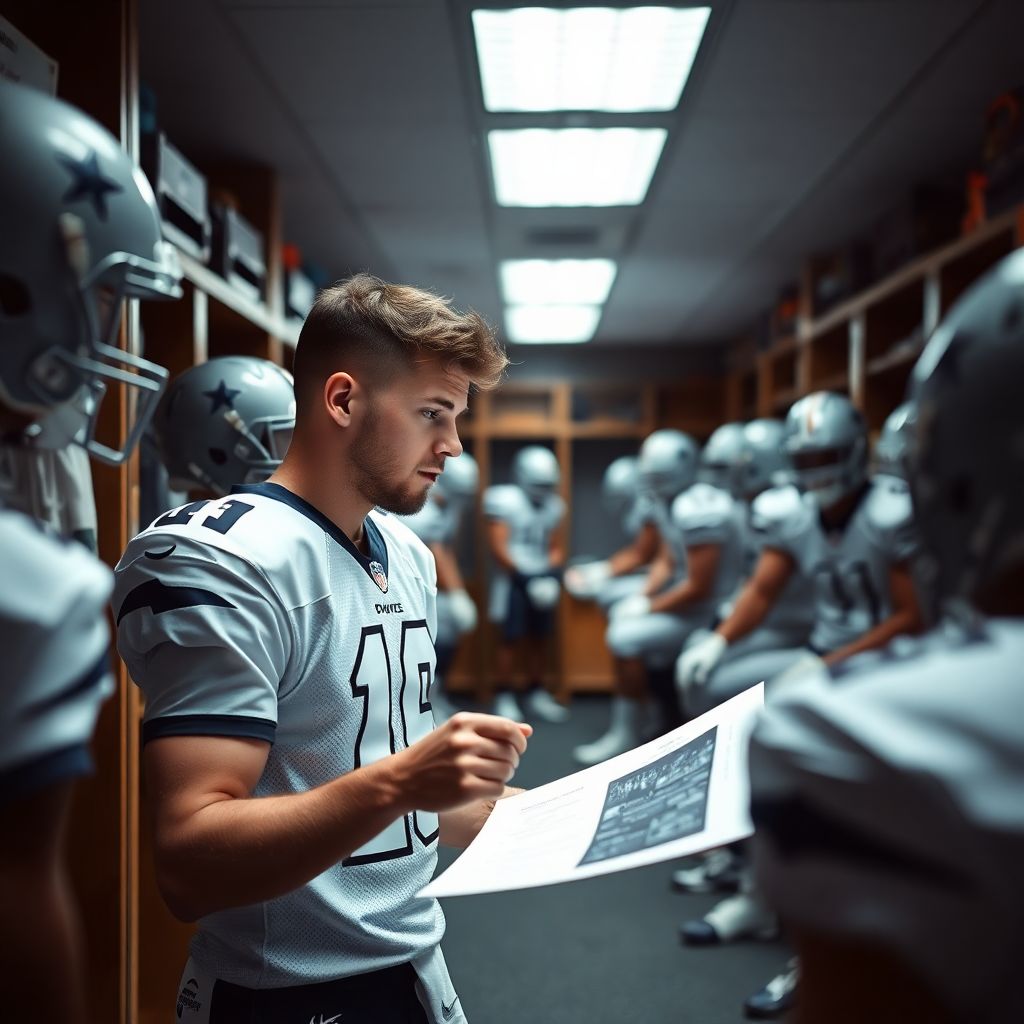
An NFL practice squad player’s day mirrors the active roster’s structure-early treatment, meetings, practice, and film-but with fewer game-day snaps and more developmental, scout-team work. The job is convenient for rapid learning and exposure, yet risky because nfl practice squad player contracts are short, replaceable, and intensely performance‑dependent.
Core Responsibilities and Daily Goals
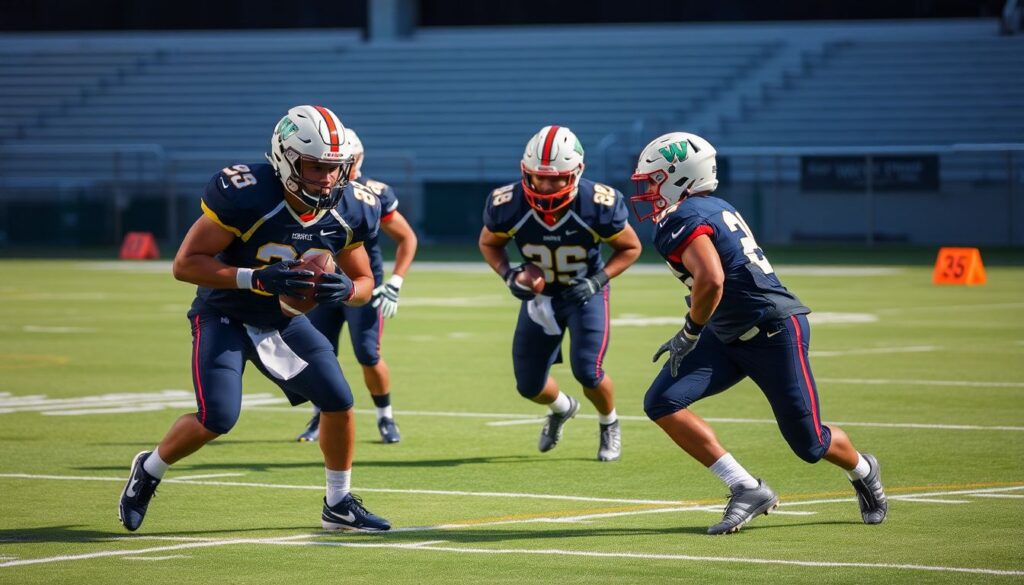
- Arrive early enough for treatment and warm-up so your body is fully ready before the first position or team meeting.
- Absorb the weekly game plan while also memorizing opponent tendencies for scout-team responsibilities.
- Give fast, high‑effort looks on offense, defense, or special teams to replicate that week’s opponent.
- Use individual periods to refine at least one specific technical skill per day (release, hand placement, leverage, etc.).
- Maintain mental readiness to be elevated on short notice, including knowing multiple positions or special‑teams roles.
- Build trust with coaches through reliability, attention to detail, and consistent effort-not highlight plays alone.
- Protect your career long term with daily recovery, smart risk management, and strategic relationship‑building around the league.
Morning Routine: Preparation, Treatment, and Conditioning
For a practice-squad player, the morning routine frames the entire day. You are usually in the building as early as, or earlier than, most active‑roster players, because you must prove you belong. The core morning blocks are arrival, medical check‑ins, soft‑tissue work, fueling, and activation.
The first stop is typically the training room. Any soreness, lingering injury from nfl practice squad tryouts and training camps, or minor tweak from the previous practice is addressed here. Convenience is high-NFL facilities offer top‑tier treatment-but risk is also high, because if you cannot practice, the team can quickly replace you on the practice squad.
After treatment, players move into a short conditioning or activation window. This often includes:
- Light cardio (treadmill, bike) to elevate heart rate and loosen joints.
- Mobility circuits focusing on hips, ankles, and shoulders.
- Position‑specific activation, such as footwork ladders for skill players or band work for linemen.
The goal is functional readiness, not fatigue. Compared with the active roster, the convenience of experimenting is slightly higher: coaches often allow practice‑squad players to test new activation routines. The risk is time-spend too long here, and you may arrive late or unfocused for meetings, which hurts your standing more than missing a rep in warm‑ups.
Meeting Room Workflow: Film Study, Installations, and Mental Prep
Once mornings are underway, the heart of the mental work begins in the meeting rooms. This is where the difference between nfl practice squad and active roster expectations becomes most obvious: the active roster zeroes in on their own game reps, while practice‑squad players must learn both their system and the opponent’s system for scout‑team duties.
- Team meeting: Head coach lays out the daily schedule, main emphasis, and corrections from previous practices. Practice‑squad players are expected to absorb as much as starters, because mistakes in scout‑team looks can ruin preparation.
- Special teams meeting: Coaches cover schemes, alignments, and opponent tendencies. Practice‑squad players often simulate opposing special‑teams units, so they study the opponent’s film closely, even if they do not travel on game day.
- Side of the ball meeting (offense/defense): Installations for new concepts and adjustments. Active‑roster players focus on plays they will run in the game; practice‑squad players must also note the opponent’s key plays that they will mimic in practice.
- Position meeting: Fine‑tuning assignments, hand placement, footwork, and checks. Here, practice‑squad players ask detailed questions; their margin for mental error is tiny compared with entrenched veterans.
- Individual film review: Either alone or in small groups, players review clips from prior practices to identify missed details, alignment issues, or technique flaws.
The convenient part of this workflow is the structure: meetings follow a consistent rhythm throughout the week. The risk lies in cognitive overload. Practice‑squad players juggle multiple roles and playbooks: their team’s scheme, the opponent’s tendencies, and situational football. Failing to manage this load makes it harder to stand out during reps.
Mini practice-squad day scenarios
Imagine a practice‑squad cornerback. In the morning position meeting, he studies his own team’s coverage checks. Ten minutes later, he flips to the opponent’s blitz‑heavy scheme so he can imitate their nickel corner in practice. By afternoon, he must switch back again to review his technique on film.
Now consider a practice‑squad offensive lineman. His meeting block covers their team’s outside‑zone adjustments. Yet in the walk‑through, his job is to replicate an opponent who runs more gap schemes. His risk: confusing footwork rules when coaches suddenly elevate him due to an injury on the active roster.
Practice Field Duties: Rep Counts, Scout-Team Assignments, and Technique Work
On the field, practice‑squad players are the engine of preparation. Their primary duty is to simulate the upcoming opponent at full speed, giving starters realistic looks that match game tempo and schemes. This usually means high effort, moderate snap counts, and constant mental switching between assignments.
- Scout-team offense and defense: A practice‑squad receiver might run the opponent’s signature routes, while a defensive end mirrors the opponent’s pass‑rush moves. The goal is not personal stats but accurate imitation.
- Special-teams periods: Many practice‑squad players log reps on multiple units-punt, kickoff, return teams-again mirroring the opponent. This is convenient for showing versatility but risky: more units mean more chances to make assignment mistakes.
- Limited live-contact reps: Compared with active‑roster players, practice‑squad players may take fewer fully live reps to reduce injury risk. However, when they do get live snaps, they must show starter‑level intensity or risk being labeled as “only a scout‑team guy.”
- Individual technique blocks: During position periods, practice‑squad players hammer fundamentals: hand placement, pad level, route depth, blocking angles. Coaches often test them with extra drills after the scripted period ends.
- Situational simulations: Two‑minute drill, red zone, and backed‑up scenarios are common. Practice‑squad players must instantly recall the opponent’s go‑to calls and mimic them at speed.
- Post‑practice skill or conditioning: Extra sprints, catch routines, or pass‑set reps tailored to individual weaknesses. This is a convenient window for development but carries recovery risk if players overdo it and arrive fatigued the next day.
Compared to the active roster, practice‑squad players trade game‑day visibility for daily volume of varied looks. This increases development speed but also elevates the risk of mental breakdowns because they constantly operate in other teams’ systems.
Coach Interactions and Feedback Loops: Earning Trust and Adjusting Fast
Interactions with coaches determine whether a practice‑squad player remains anonymous depth or becomes a trusted next‑man‑up. The feedback loop is tighter and sometimes harsher than for solidified starters. Every mistake is also a data point for whether the team believes you can help on Sundays.
Advantages of the practice-squad feedback environment
- High-frequency coaching: Position coaches often give more direct, immediate feedback to practice‑squad players during scout‑team reps because the risk to the game plan is lower than correcting a star in front of everyone.
- Freedom to experiment: Practice‑squad players can test different releases, pass‑rush moves, or leverage techniques in practice, refining what works before they reach the active roster spotlight.
- Broader exposure to staff: By playing offense, defense, and special‑teams scout roles, practice‑squad players interact with multiple coordinators and assistants, creating more advocates in the building.
- Rapid learning curve: Constant corrections across schemes force players to learn universal football concepts-leverage, spacing, timing-faster than if they only learned one playbook.
Constraints and risks within coach relationships
- Short evaluation window: nfl practice squad player contracts are easy to terminate, so a few poor weeks can cost a roster spot before a player fully adjusts.
- Role ambiguity: One coach may see a player as depth at one position while another wants them at a different spot, making it harder to master a single role.
- Limited game-proof: Without game tape, coaches may hesitate to push strongly for a player’s promotion, even if daily practice performance is excellent.
- Injury perception risk: If a player consistently needs extra treatment, some coaches may quietly label them as high‑maintenance or fragile, even if they are simply diligent about recovery.
For the player, the convenient approach is constant communication-asking clarifying questions, requesting extra film, and aligning on daily goals. The risky approach is trying to “blend in” and hoping good plays speak for themselves, which can leave coaches unsure of your football IQ and long‑term potential.
Game-Week Readiness: Elevations, Travel, and Snap-by-Snap Preparedness
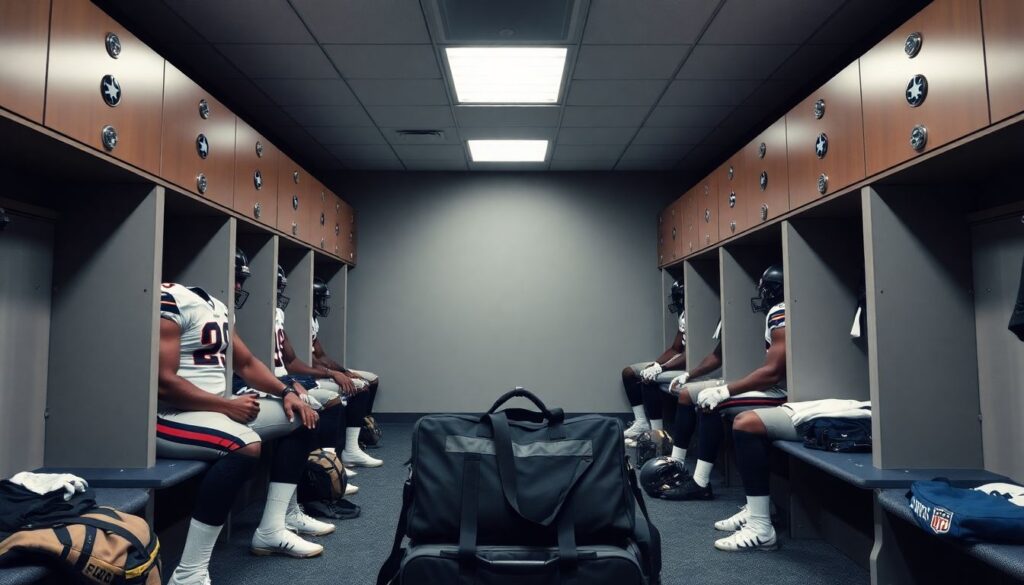
Game week is where the gap between practice squad and active roster is most visible. Active‑roster players have set roles and travel plans; practice‑squad players live with uncertainty about elevations, inactives, and emergency duties, often up to the last day before kickoff.
- Assuming you will not be elevated: Many practice‑squad players mentally file the week under “development only.” When injuries hit, they are elevated but underprepared for the game‑speed decisions required.
- Ignoring special-teams details: Players focus on offensive or defensive roles and overlook the fact that their first active‑roster snaps will almost always come on special teams.
- Underestimating travel logistics: Being added to the travel roster late means rapid packing, sleep disruption, and altered routines. Failing to pre‑plan travel‑ready checklists adds avoidable stress.
- Copying veteran routines blindly: Some veterans can afford a lighter Saturday walkthrough or looser warm‑up because they have deep experience. Practice‑squad players who mimic that risk entering games mentally and physically under‑primed.
- Neglecting self-scout: Players often focus on imitating the opponent but forget to study their own practice film for tells, stance issues, or timing flaws that could be exposed if they see the field.
- Emotional whiplash: Constantly checking for elevation news can drain focus. A more convenient, lower‑risk approach is preparing every week as if you will play, treating an elevation as confirmation rather than a surprise.
Career Mechanics: Contracts, Exposure Strategies, and Next-Step Planning
Behind each day’s routine sits the bigger picture: how the practice‑squad role shapes a career. This includes understanding contracts, realistic promotion paths, and strategies that make it easier-and safer-to convert a temporary opportunity into a long‑term NFL job.
First, contract structure and nfl practice squad salary matter. nfl practice squad player contracts are standardized by the league’s collective bargaining agreement, but they can still differ by experience and team strategy. Salary is usually lower and less secure than the active roster’s, and players can often be signed away by other teams to their 53‑man rosters. That creates both opportunity and risk: more doors to the league, but less local stability.
Second, entry paths are diverse. When people ask how to get on an nfl practice squad, the most common routes include late‑round draft status, going undrafted but impressing in nfl practice squad tryouts and training camps, or being signed off the street mid‑season after injuries. Comfort-wise, the camp route is more structured; the mid‑season signing route is riskier but sometimes faster.
Third, there are several everyday exposure strategies players can adopt.
- Cross-training positions: Learning multiple roles (e.g., outside and slot receiver, guard and center) increases convenience for coaches building game‑day rosters, which boosts promotion chances with relatively low risk for the player beyond extra mental load.
- Consistent scout-team effort: Going full speed daily builds a quiet reputation across the staff. It is low‑visibility to fans but high‑value to decision‑makers, and the main risk is managing fatigue through smart recovery.
- Professional habits off the field: Punctuality, study habits, and respectful communication reduce non‑football risks that can shorten careers, such as missed meetings or off‑field distractions.
A simplified “career pseudocode” for a practice‑squad player might look like this:
// Weekly loop for a practice-squad player
While (on practice squad) {
  Master current week's game plan & opponent looks;
  Dominate scout-team reps with full effort;
  Request targeted feedback from position coach;
  Add 1 new skill/assignment you can handle;
  Protect health with disciplined recovery & sleep;
  Stay elevation-ready for your position & special teams;
}
The practical comparison is clear: the active roster offers greater security and higher pay but fewer daily chances to experiment and grow under the radar. The practice squad offers convenient access to the NFL ecosystem, fast development, and broader exposure, but carries sharper risks-shorter contracts, constant evaluation, and rapid turnover.
Practical Concerns and Quick Answers for Practice-Squad Players
What is the main difference between an NFL practice squad and active roster role day to day?
The schedule looks similar-meetings, practice, lifting-but active‑roster players focus on their game‑day assignments, while practice‑squad players simulate the opponent and fill multiple roles. Active players prepare for specific snaps; practice‑squad players prepare for surprise elevations and future opportunities.
How does an NFL practice squad salary typically compare to active-roster pay?
Practice‑squad salaries are lower and less secure than active‑roster pay, and they are governed by league rules and experience levels. The key point is that practice‑squad earnings can change quickly if a player is promoted to a 53‑man roster, cut, or signed by another team.
What should I focus on if I want to move from practice squad to active roster?
Mastering special teams, eliminating mental errors, and consistently winning your practice reps are the fastest levers. Coaches look for players who make the game plan better during the week and who can step into multiple roles without blowing assignments.
How do nfl practice squad tryouts and training camps shape my daily workload?
They set your reputation baseline. If you showed versatility, toughness, and coachability in camp, coaches are more likely to give you expanded scout‑team roles and extra reps. That increases daily workload but also accelerates the path to promotion.
Is it better to stay on one team’s practice squad or move if another calls?

Staying offers convenience-familiar system, coaches, and city-while moving can create faster playing time if the new team has depth issues. The decision depends on your position, fit in the scheme, and how close you are to elevation where you currently are.
How can I reduce injury risk while still practicing full speed?
Prioritize warm‑up, mobility, and post‑practice recovery, and communicate honestly about pain versus soreness in the training room. Full‑speed technique with good body position is usually safer than going half‑speed and getting into awkward contact situations.
What film should a practice-squad player study first each week?
Start with your own practice tape to remove obvious errors, then study the upcoming opponent’s tendencies you will mimic in practice. Finally, watch players in your position who successfully made the jump from practice squad to active roster to model their habits.