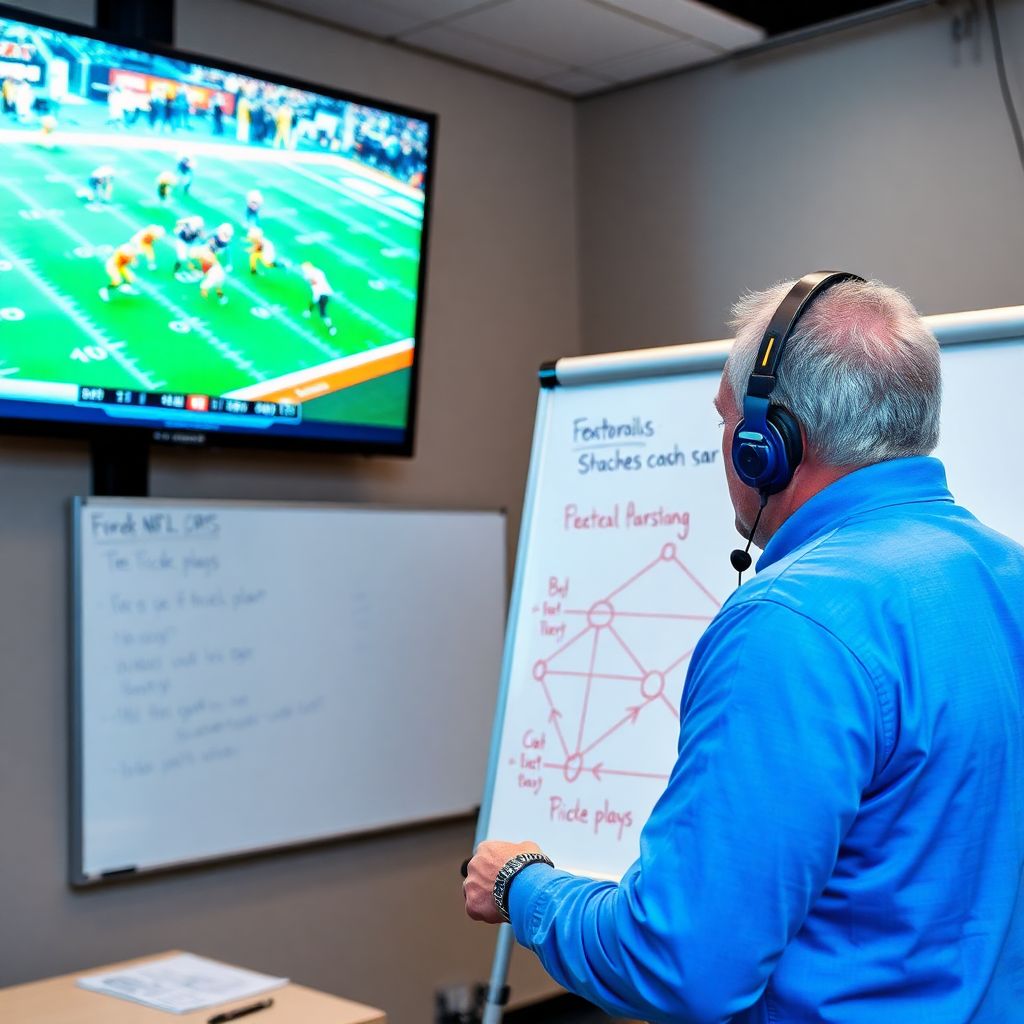
If you want trick plays that hold up on film, then you must define the core concepts, know what they punish defensively, and drill the details. If your nfl trick plays film study is systematic, then you can translate highlights into repeatable calls, tags, and adjustments that actually survive game pressure.
Core Film Insights and Tactical Implications
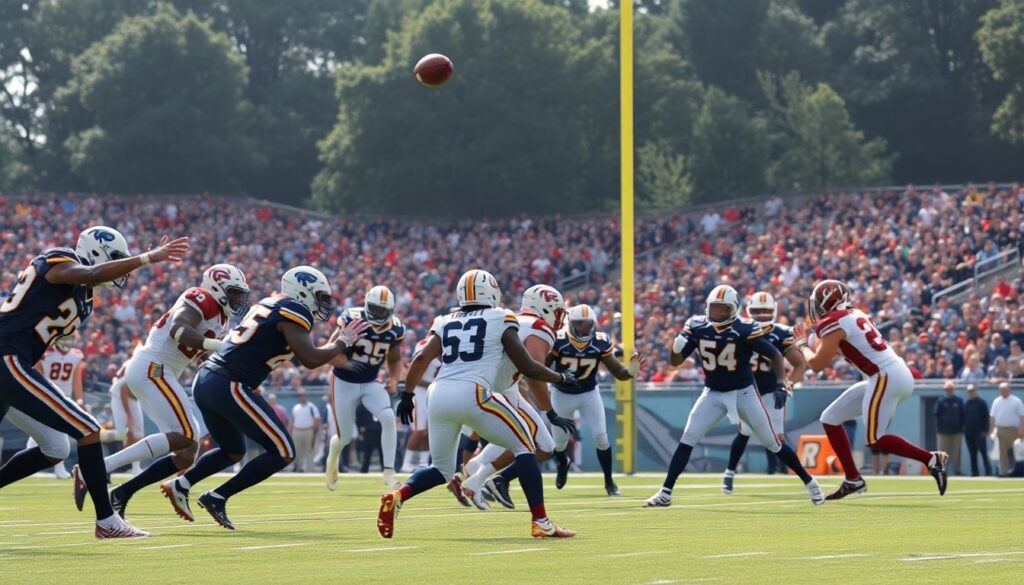
- If defenses over‑flow to motion, then jet‑sweep passes become high‑leverage answers in the red zone and backed‑up situations.
- If safeties are trigger‑happy versus the run, then well‑timed flea flickers can flip field position and momentum.
- If edges chase eye‑candy, then reverse options and layered misdirection create clean alley angles for explosive plays.
- If linebackers key the running back only, then QB‑led run deception and play‑action off the same look will punish that rule.
- If special teams units are on autopilot, then patterned fake punts and onside variations can steal crucial possessions.
- If you tag each concept correctly in your football coaching video analysis trick plays library, then your staff can call the right gadget at the right time instead of guessing.
Anatomy of the Jet-Sweep Pass: Film Evidence and Coaching Cues
Jet‑sweep pass is a perimeter run look with horizontal motion that converts into a pass after the defense commits to the edge. It sits between a true gadget and your base RPO: if the defense overplays the sweep, then the ball goes over or behind them.
On recent tape, think of red‑zone jet‑pass concepts where the motion man sells the sweep, the QB reverse‑pivots, and a slot or tight end leaks behind the flow for a wide‑open score. If you build it off your existing fly/jet series, then the defense sees the same picture until the last second.
Three jet‑sweep pass film cues to track
- Edge and alley reaction to motion. If the overhang and force player both widen and run with jet motion, then the flat and hook windows behind them are prime targets. If the corner squats with outside leverage, then tag a wheel or switch release from the motion man.
- Interior backer flow. If inside linebackers rock and roll toward the motion, then glance, pop, and sit routes by the opposite slot become cheap yardage. If they stay square and bump zones, then keep the ball on the ground and punish them later with the pass tag.
- Secondary communication. If safeties spin late or over‑rotate to the motion side, then deep crossers and post‑over concepts away from the sweep are available. If you see pointing and confusion on film, then speed up your tempo and re‑call the jet pass before they settle.
Jet‑sweep pass install and drill idea
If you are building a trick plays playbook pdf for your staff, then dedicate a mini‑section to “Jet Family” and include every run, pass, and RPO off jet motion on one page. On the field, script a half‑line perimeter drill:
- If the coach flashes a green card, then the QB hands or pitches the pure jet sweep.
- If the coach flashes yellow, then the QB executes the jet fake and throws the designated quick concept (arrow, sit, or wheel).
- If the coach flashes red, then the QB aborts the fake and throws away, reinforcing ball security and decision‑making.
Silver-Bullet Flea Flickers: Design, Timing, and Defensive Triggers
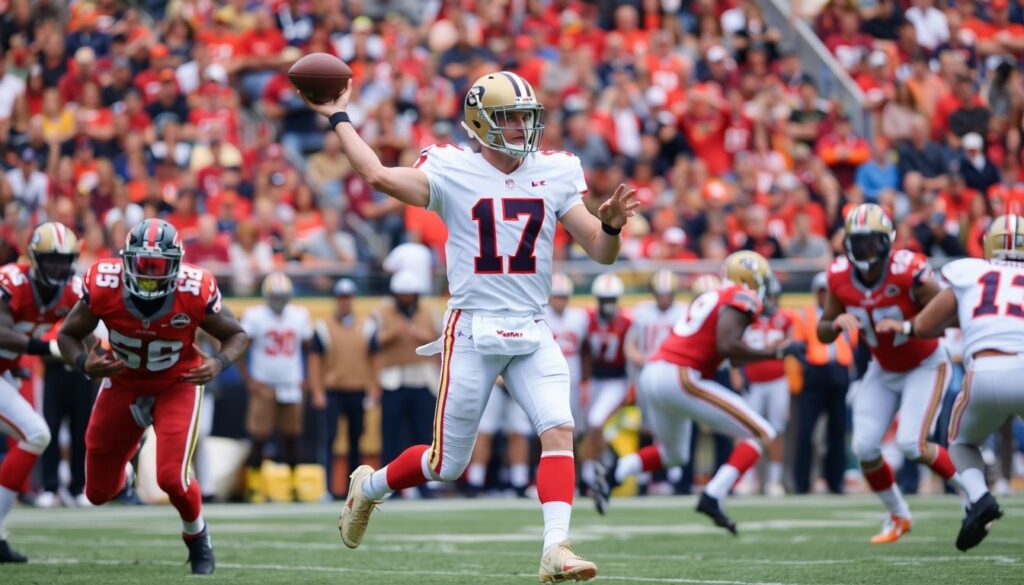
Flea flickers use a downhill run key to pull safeties forward before pitching the ball back to the QB for a deep shot. If the defense is overcommitted to fitting the run on early downs, then the flicker becomes a “silver bullet” explosive without changing your surface.
Core mechanical steps on film
- If you have a successful inside zone or power run on tape, then you call the flicker off that exact action so the offensive line can fire off aggressively and sell the run track.
- If your back has trustworthy hands, then he attacks the line hard, rides the mesh, and quickly flips the ball back on his third step to keep the timing in rhythm.
- If your primary shot is capped post‑snap, then the QB must hitch and work a deep over or crosser instead of forcing a hero ball into double coverage.
- If the protection tends to leak on heavy play‑action, then you keep a tight end or back in to chip the most dangerous edge before releasing late.
- If the corner to your shot side is a heavy run‑support player, then align your best vertical receiver there and attack his vacated cushion.
Situational triggers from recent film
- If you have just hit multiple chunk runs in a drive, then call the flicker on first‑and‑10 near midfield when the defensive coordinator is desperate to stop the run.
- If safeties are spinning down aggressively against your under‑center game, then show the same formation and backfield mesh before taking the top off.
- If a boundary corner is peeking into the backfield on red‑zone tape, then consider a compressed‑set flicker that attacks the back pylon with a double‑move.
Flea flicker practice application
If you are running an offensive trick plays coaching clinic for your staff or players, then segment the flicker into a mesh‑and‑pitch period and a deep‑shot period. In team, script it early in practice versus scout looks that mirror your next opponent’s favorite run fits so players see true pictures.
Reverse Options and Misdirection: Blocking, Angles, and Player Roles
Reverse options and layered misdirection use flow one way and a late change of direction to out‑leverage the defense. If the defense is over‑pursuing your base runs and screens, then reverses and throwbacks become efficient ways to reset pursuit angles.
Typical reverse and misdirection scenarios on film
- Reverse off outside zone. If the entire second level is scraping over the top to chase your wide zone, then tag a reverse to your fast slot coming back across. If the force defender squeezes too far inside, then the reverse ballcarrier hits the edge with a convoy.
- TE throwback off boot. If safeties and corners are rolling hard with your naked boot game, then slip a tight end or backside receiver across the formation late. If linebackers are in full chase mode, then the throwback route will separate across the grain.
- Reverse pass option. If corners are flying up on your traditional reverse, then give the reverse man a pass option with a post or wheel downfield. If the boundary corner bites, then you create a one‑on‑none or one‑on‑one shot.
- Screen‑reverse sequencing. If the defense has already rallied to your perimeter screens, then show the same bubble or tunnel action, but hand back to a runner coming opposite. If alley defenders overrun, then cut back behind their momentum.
Three concrete misdirection film cues
- If backside edge defenders are squeezing flat down the line, then reverses will struggle; use throwbacks instead that release behind them.
- If corners are disciplined and staying high versus your boot game, then prioritize misdirection runs rather than long‑developing reverse passes.
- If linebackers trigger fast on pullers, then tag counters and reverses with false pulls or slice action to drag them away from the true point of attack.
Reverse and misdirection drill idea
If you want your players to feel leverage rather than memorize lines on a page, then use a “pursuit and counter” team drill. Run your base play to one side, then immediately repeat the same look with the reverse or throwback tagged so defenders feel how their flow gets punished.
Mini in‑game usage scenarios
If your last two drives have been built on perimeter screens and quick game, then open the next series with a reverse off the same motion to shock over‑aggressive corners. If the defense is dead‑tired in the fourth quarter, then a misdirection screen can punish slow change‑of‑direction ability.
Deceptive Quarterback-Led Runs: Motion, Personnel Grouping, and Play-Action
QB‑led deception runs combine motion, option principles, and play‑action to attack conflicted second‑level defenders. If linebackers over‑key the running back and ignore the QB as a runner, then zone‑read, bash, and power‑read variations create a numbers advantage without changing your personnel.
Common application scenarios for deceptive QB runs
- If defenses are living in two‑high shells, then QB draw and bash schemes let you run into light boxes with plus‑one numbers.
- If edges are crashing hard on your inside zone, then zone‑read and power‑read tags force them to play more slowly and widen the C‑gap.
- If your QB is a credible runner in short yardage, then QB power and counter with motion can replace low‑percentage fades and isolated ISO runs.
Three film cues for QB‑led deception
- If overhang defenders are chasing jet or orbit motion, then call QB power or counter back into the void they leave. If they sit, then throw the bubble or now‑screen tagged to the motion.
- If interior backers are flying downhill on running back flow, then tag QB keep or draw from the same pistol looks to run where they just vacated.
- If safeties are flat‑footed post‑snap on QB runs, then attach play‑action shots off your best quarterback‑run formations and motions.
Advantages of deceptive quarterback-led runs
- If your QB is a run threat, then the defense must allocate an extra defender, which lightens the load on your receivers and tight ends.
- If you pair QB runs with jet motion and RPOs, then you can manufacture explosives without elite outside receivers.
- If you tag play‑action off the same formations, then you create vertical opportunities against safeties who are overcommitted to the box.
- If you live in one or two core QB‑run concepts, then your offensive line can play fast and physical without mental overload.
Limitations and risks to manage
- If you overuse designed QB runs, then you increase contact volume and expose your most important player to unnecessary hits.
- If your QB is not a legitimate run threat, then defenses will sit on play‑action and punish slow‑developing fakes.
- If your protection rules are fuzzy on play‑action off QB looks, then free rushers will blow up explosives before they develop.
- If your backup QB cannot execute the run package, then your playbook shrinks dramatically in case of injury.
QB deception drill and study application
If you are building the best football trick plays breakdown cut‑ups for your staff, then isolate clips where motion and QB mesh hold multiple defenders at once. On the field, use a mesh‑point circuit where QBs and backs read a designated defender (coach or shield) so their eyes and feet stay tied together.
Special Teams Trickery: Onside-Kicks, Fake Punts, and Pattern Recognition
Special teams trick plays use alignment, cadence, and opponent tendencies to steal possessions. If you map the opponent’s special‑teams habits on film, then fake punts, surprise onsides, and misdirection returns become calculated risks instead of random gambles.
Frequent mistakes and myths from tape
- Myth: “We can steal one anytime.” If you call a fake punt just to spark energy without a clear film advantage, then you are gambling field position; well‑designed fakes come from documented misalignments or leverage issues.
- Telegraphing the fake. If your personal protector depth, split, or stance changes only when you fake, then alert opponents will check into safe calls. Keep your templates identical so the fake looks exactly like your base punt.
- Ignoring hands‑team structure. If you onside kick directly at the opponent’s best hands player, then your odds plummet; instead, kick at the weakest catcher or biggest space you identified on film.
- Assuming return units do not self‑scout. If you repeat the same trick return blocking pattern from season to season, then good coordinators will sniff it out. Rotate tags and landmarks even if the core concept remains the same.
- Over‑reliance on surprise. If you believe surprise alone wins, then you neglect execution; high‑level tape shows that the best special‑teams gadgets are blocked and timed like base plays, with surprise as a bonus.
Special‑teams practice application
If you want to legitimize fake punts and onsides in your program, then script them into your normal special‑teams periods, not just “end of practice” fun. Rep them against the exact alignments you expect from the next opponent so players recognize the same pictures on game day.
Countering Trick Plays: Defensive Adjustments, Scripts, and Pre-Snap Reads
Defending trick plays is about discipline and recognition rather than guessing correctly. If your defense respects keys, communicates motion, and finishes the down, then even elite gadgets become low‑efficiency calls for the offense.
Defensive response patterns from film
- If your edge players keep outside leverage and do not chase the first thing that moves, then reverses and throwbacks rarely gain big yardage.
- If safeties pedal and stay on top of routes on run‑looking downs, then flea flickers and double‑moves are forced into check‑downs.
- If linebackers communicate motion and formation changes, then jet‑sweep passes and QB‑run RPOs lose their confusion factor.
- If the punt‑safe and hands‑team structures are installed and rep’d, then surprise fakes and onsides become routine plays to defend.
Mini defensive case example
If an offense has shown jet sweep and boot off the same motion all game, then your call sheet should anticipate the jet‑pass gadget at some point. Here is a simplified defensive “if‑then” script you can adapt:
If motion goes fast across and the QB reverse-pivots,
  then the corner to the motion side yells "Pass! Wheel!" and carries vertical.
If the overhang sees the slot slow-play or wheel up the sideline,
  then he passes off the flat and sinks under the wheel.
If the backside safety reads low hat and motion,
  then he rotates to the post and cuts any crossers.
If you codify these rules, then your players stop reacting emotionally to trick plays and instead execute trained answers. If you also tag every gadget in your nfl trick plays film study library, then your weekly scouting reports can include specific defensive counters by down, distance, and formation.
Turning film into an actionable resource
If you want your staff to quickly access concepts, then organize your football coaching video analysis trick plays cut‑ups and notes into a searchable system by family: “Jet,” “Flea Flicker,” “Reverse,” “QB Run,” “Special Teams.” If needed, then export still frames and route combinations into a simple internal “trick plays playbook pdf” that accompanies your weekly game plan.
Coaching Concerns and Practical Clarifications
How often should I call trick plays without becoming predictable or reckless?
If your gadgets are tied to clear film‑based triggers, then call them whenever those triggers appear rather than on a fixed quota. If you are forcing a trick play just to change momentum, then you are drifting into reckless territory.
Do I need elite speed to run effective jet-sweep passes and reverses?
If you lack top‑end speed, then focus on tight timing, condensed formations, and bunch sets that create angles instead of pure races. If your motion and fakes are believable, then even average athletes can gain explosive yardage.
How do I protect my quarterback when installing deceptive QB runs?
If your QB is your best player, then major in slides, getting out of bounds, and red‑zone‑heavy QB runs rather than between‑the‑tackles volume. If you spread the carries across designed runs, scrambles, and RPO keepers, then the load becomes more manageable.
What is the best way to teach young defenses to recognize trick plays?
If your defenders key the ball only, then they will be fooled; train them to read guard pull, pad level, and backfield depth instead. If you regularly run “sudden change” scout‑team periods with gadgets built in, then recognition improves quickly.
Should I copy famous NFL gadgets directly into my high school or college playbook?
If the structure fits your personnel, formation language, and protection rules, then adapt those concepts. If the play requires timing, arm talent, or protection your unit does not have, then simplify the idea rather than forcing a full copy.
How do I store and share our trick plays with the rest of the staff?
If your staff is spread out, then maintain a shared digital library with labeled cut‑ups and a concise written install. If you prefer paper, then export screenshots and diagrams into a centralized offensive trick plays coaching clinic packet or playbook document.
When is the best game moment to try a fake punt or onside kick?
If film shows a structural weakness in their alignments, then attack it early before they adjust, often in the first half. If you are relying purely on desperation scoreboard math, then double‑check that field position and game flow really justify the gamble.