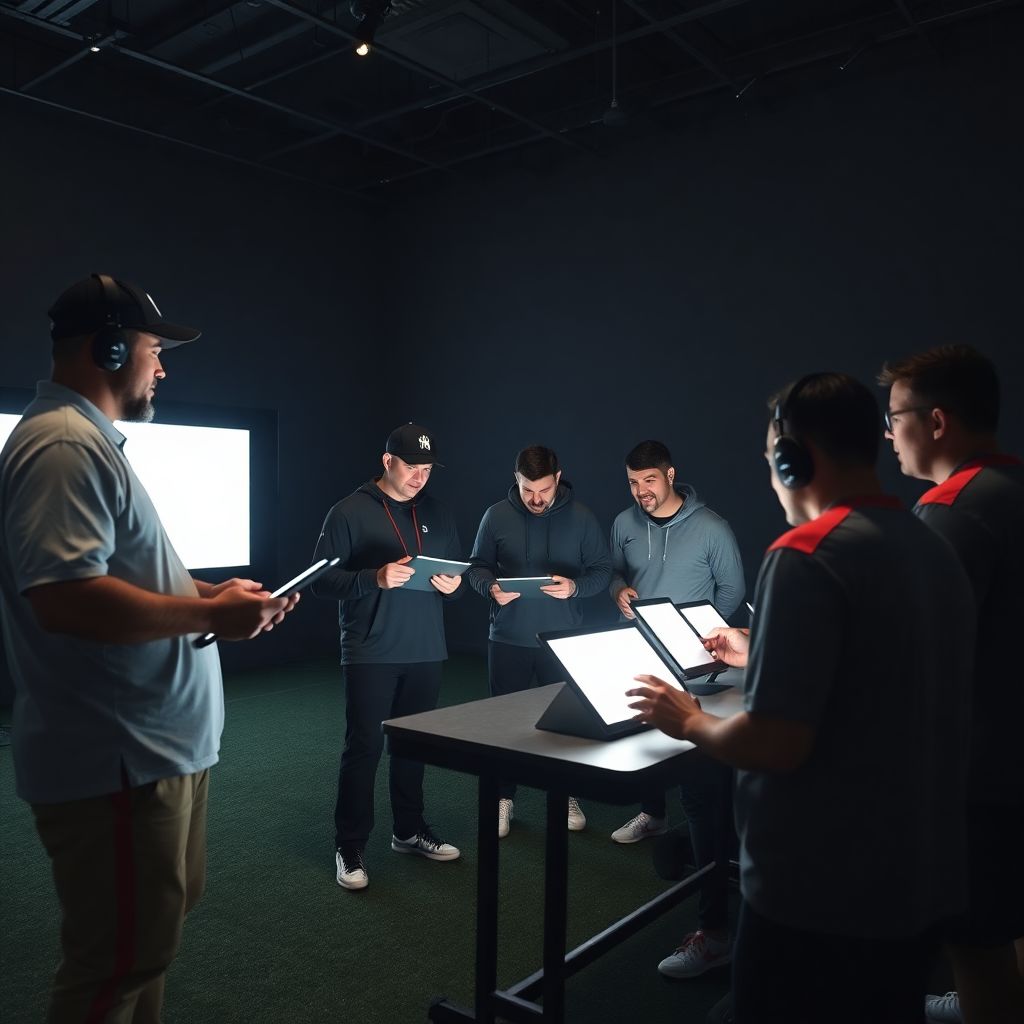
An NFL bye week is a built-in week with no game where players and coaches shift from competition to recovery, evaluation, and planning. It follows the league-wide NFL bye week schedule and is used to heal injuries, reset mentally, self-scout schemes, tweak personnel, and prepare game plans for upcoming opponents.
What a Bye Week Means in Practice
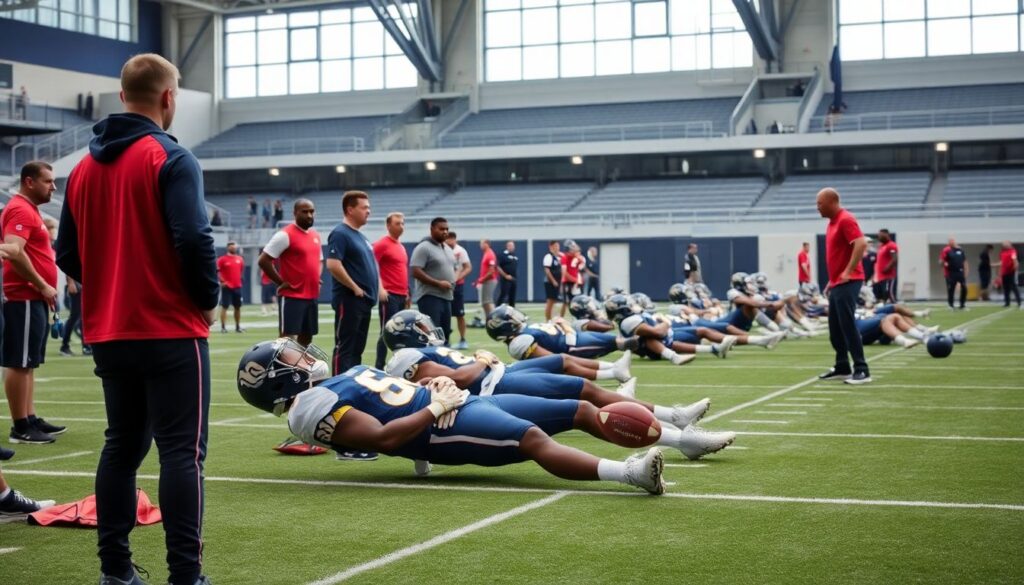
- Players get several days fully off, then light, targeted work instead of normal full-speed practices.
- Trainers focus on treatment blocks, re-testing, and customized rehab plans.
- Coaches self-scout schemes, break down future opponents, and update call sheets.
- Front offices review roster depth, contracts, and contingency plans.
- Staff coordinate travel, logistics, and communication so players actually rest.
Strategic Goals Behind Scheduling a Bye Week
The bye is part of a league-wide rotation, not something teams choose freely, but every staff plans around the NFL bye week schedule the moment it is released. They treat that week as a lever: a controlled pause to restore health and solve problems that are hard to fix in a normal game week.
On the player side, goals are simple and concrete: reduce physical load, clear up nagging injuries, and shorten the mental to-do list. On the coaching and front office side, the focus shifts to honest diagnosis: what actually works in the scheme, what does not, and where the roster is thin.
There is also a performance and perception angle. Analysts and fans watch best nfl teams after bye week stats to judge how well staffs use the break. Inside the building, the goal is not to chase trends but to exit the bye with a slightly healthier roster, a cleaner playbook, and clearer roles for key contributors.
Typical Player Routines: From Rest to Optional Workouts
When people ask what do nfl players do during bye week, the honest answer is: less than usual, but on purpose. A typical structure looks like this:
- Immediate post-game recovery (Day 1-2): Players come in briefly for treatment, film review, and a quick team meeting. Then they are sent home early, often with a strict sleep and hydration plan.
- Coaches’ review while players are off (Day 2-3): Players may have no building time at all while coaches grind through self-scout. Veterans often use these days for massage, light mobility, or family time.
- Optional or light conditioning (Midweek): Strength staff offer low-impact workouts: pool work, light tempo runs, mobility circuits, and core work. Attendance is encouraged, not forced, especially for veterans.
- Position-specific tune-ups: Some players schedule short, focused drills: footwork for DBs, hand placement for linemen, ball security for RBs, or timing routes for QBs and WRs.
- Short practice window (Late in week): There may be one or two short practices in helmets but no pads, often emphasizing fundamentals, red zone, and situational work.
- Mandatory days off: The CBA requires days fully away from the facility. Many players leave town, but most are given boundaries on travel distance and must remain reachable.
- Return and re-entry meeting: At the end of the bye, players report for weigh-ins, conditioning tests, and a meeting that sets the tone for the stretch of games ahead.
For fans trying to understand how to use nfl bye weeks in fantasy football, these routines explain a lot. Star players often return slightly fresher, but snap counts for banged-up players can still be managed carefully in the first game back.
Mini-Scenarios: How a Typical Bye Week Actually Plays Out
Scenario 1: Veteran starter with minor injuries
- Days 1-3: Stays in town, gets daily treatment, avoids full workouts, focuses on sleep and nutrition.
- Midweek: One or two low-impact sessions with strength staff; film study on the next opponent from home.
- End of week: Participates in light practice; coaches plan to slightly limit reps in the first game back.
Scenario 2: Practice-squad player fighting for a role
- Days 1-2: Reviews self-scout cut-ups with position coach, focusing on mistakes.
- Midweek: Hits every optional lift, asks for extra on-field work, studies playbook to show reliability.
- End of week: Uses light practice to earn snaps on special teams once games resume.
Medical and Recovery Protocols During the Break
Medical and performance staff treat the bye as a short, focused rehab camp. Common protocols include:
- Structured injury reassessment: Players with ongoing issues undergo updated imaging, range-of-motion testing, and strength benchmarks to adjust their return-to-play timelines.
- Intensive treatment blocks: Instead of squeezing treatment around practices, trainers schedule longer sessions: manual therapy, soft tissue work, and targeted mobility for joints that absorb the most game stress.
- Individualized load management plans: Performance coaches adjust each player’s volume for the bye and the following two weeks based on GPS data, wellness questionnaires, and game snap counts.
- Return-to-practice progressions: For injured players, the bye week is often when they move from side-field running and position-specific drills back toward limited participation in practice.
- Concussion and head-injury follow-up: Neurological evaluations, balance testing, and graded exertion protocols continue without the pressure of an immediate game deadline.
- Prevention tune-ups for healthy starters: Even healthy players are given specific corrective exercises for chronic hot spots: hamstrings, hip flexors, ankles, and shoulders.
Mental Recovery, Film Study, and Cognitive Load Management
Mental work during the bye aims to lower stress without losing sharpness. This balance matters for players, coaches, and even analysts who track nfl bye week betting trends, because mindset and preparation can influence how a team looks once games resume.
Common Mental Recovery and Study Benefits
- Reduced cognitive fatigue from stepping away from daily meetings and installs.
- Time for players to review the first part of the season and simplify their individual focus points.
- Clearer communication between positions after reviewing miscommunications without the rush of a game week.
- More thoughtful game plans as coaches can think about tendencies and adjustments without immediate opponent pressure.
- Better personal routines: players refine sleep, nutrition, and pre-game habits based on what has and has not worked.
Typical Limits and Guardrails During the Bye
- Coaches cap meeting time to avoid turning the bye into another full install week.
- Players are encouraged to disconnect from social media debates, including hot takes about best nfl teams after bye week stats.
- Film assignments are short and focused-key cut-ups instead of full games-to prevent mental overload.
- Travel is monitored; players must remain reachable and avoid risky activities that could void contracts.
- Staff set a clear “off switch” point so everyone can actually rest before the shortened ramp-up to the next game.
Coaches’ Operational Tasks: Game Planning, Scouting, and Practice Design
While players get more downtime, coaches usually work full days during the bye. Their checklists are specific, and several persistent myths can get in the way of good decisions.
- Myth: “More volume fixes problems.” Overloading the playbook after the bye creates confusion. Effective staffs cut calls, tighten language, and emphasize a smaller set of concepts.
- Myth: “Self-scout is just stats.” It is not just counts of formations or calls. Coaches must watch tape to see how defenses are reading their tendencies and which concepts are actually being executed well.
- Myth: “You game plan only the next opponent.” Many staffs use the bye to build skeleton plans for the next two or three games, so the upcoming week does not become a scramble.
- Mistake: Ignoring special teams details. Bye weeks are a valuable chance to fix operation times, coverage lane discipline, and personnel mismatches on returns and coverage units.
- Mistake: Turning light practices into full-contact sessions. Trying to “prove a point” by hitting hard during the bye often backfires with soft-tissue injuries and fatigue.
- Mistake: Not aligning with analytics and scouting. Data and advance scouts can highlight opponent tendencies and nfl bye week betting trends insights that should shape call sheets and practice scripts.
Roster, Contract and Logistical Decisions That Happen Off the Field
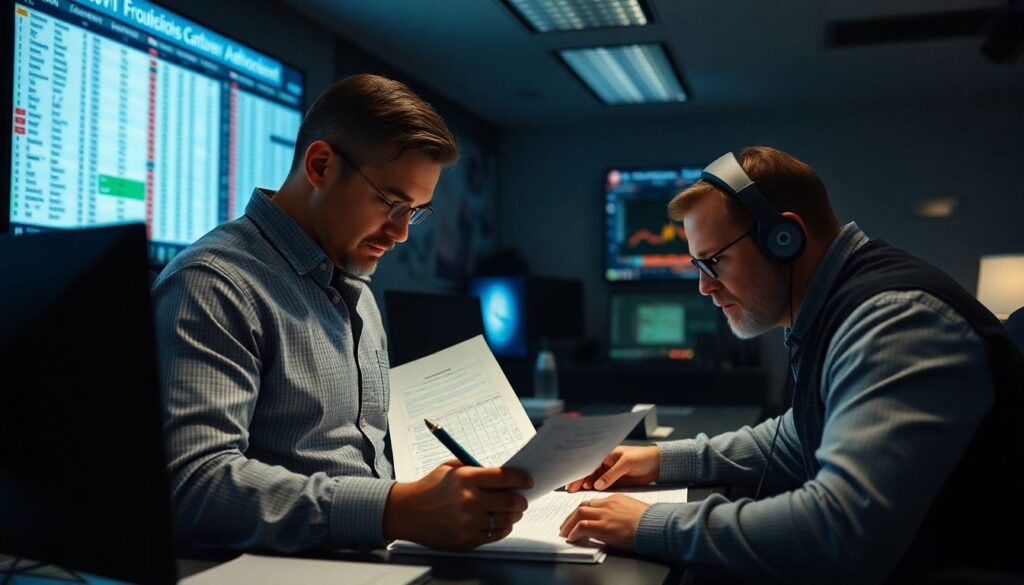
Behind the scenes, the bye is also a checkpoint for roster and planning decisions. General managers, cap specialists, and operations staff use the quieter schedule to think a few weeks ahead instead of only reacting to the last game.
A typical mini-case inside a front office might look like this:
- Personnel staff review early-season tape of the bottom of the roster plus practice-squad players, ranking who is closest to being game-ready.
- Cap managers map out upcoming guarantees, incentive triggers, and extension windows to see if a contract move before the next game makes sense.
- Coaches flag positions with high snap counts and injuries (for example, thin cornerback depth) so the front office can line up workouts or potential signings.
- Operations staff finalize travel and practice logistics for the stretch after the bye, especially if multiple road trips or weather issues are coming.
In simpler “pseudo-code” terms, a team’s internal flow might be:
if (position_group_is_thin && upcoming_opponents_exploit_it) {
    schedule_free_agent_workouts();
    evaluate_practice_squad_callups();
    adjust_special_teams_roles_to_protect_starters();
}
if (player_is_core_piece && contract_window_is_favorable) {
    open_extension_talks();
}
All of this happens while the public mostly sees rest and light practices. Understanding these layers helps connect what happens off the field during a bye to what shows up on Sundays afterward.
Practical Questions Players and Staff Ask About Bye Weeks
How many days off do players usually get during the bye week?
Most teams give players several fully off days in a row, plus lighter-than-normal days around them. Exact schedules vary, but there are CBA-required days away from the facility, and smart staffs avoid filling the rest of the week with heavy practices.
Do teams always come out of the bye playing better?
No. While fans and media track best nfl teams after bye week stats, results depend on health, opponent quality, travel, and how each team used its time. The bye creates an opportunity to improve, not a guarantee of a sharper performance.
What should a player focus on first: rest, training, or film?
Most veterans prioritize rest and treatment for the first couple of days, then layer in light training and targeted film later in the week. The sequence is usually: sleep and recovery, medical work, then shorter, focused sessions in the weight room and meeting room.
How do coaches balance self-scout with planning for the next opponent?
They typically start with self-scout and early advance scouting, then finish the bye with a skeleton plan for the next game. Once the team is back, they plug in the final details, scripts, and adjustments based on injury updates and new film.
Can bye weeks help a player’s role grow?
Yes. Depth players often use the bye to show improved command of the playbook and special teams value. If coaches trust them more coming out of the break, they can earn extra packages, sub-role snaps, or a more permanent spot in the rotation.
How do analysts and bettors use information about bye weeks?
People who track nfl bye week betting trends look at rest advantages, travel, coaching history off a bye, and injury recovery. Teams, however, focus less on market angles and more on concrete tasks: healing, simplifying the plan, and sharpening fundamentals.
Does the league ever change a bye week once the schedule is set?
It is rare, but in unusual circumstances the league can adjust the NFL bye week schedule. For teams and staff, though, the practical mindset is to plan as if the dates are fixed and build season-long training and recovery plans around them.