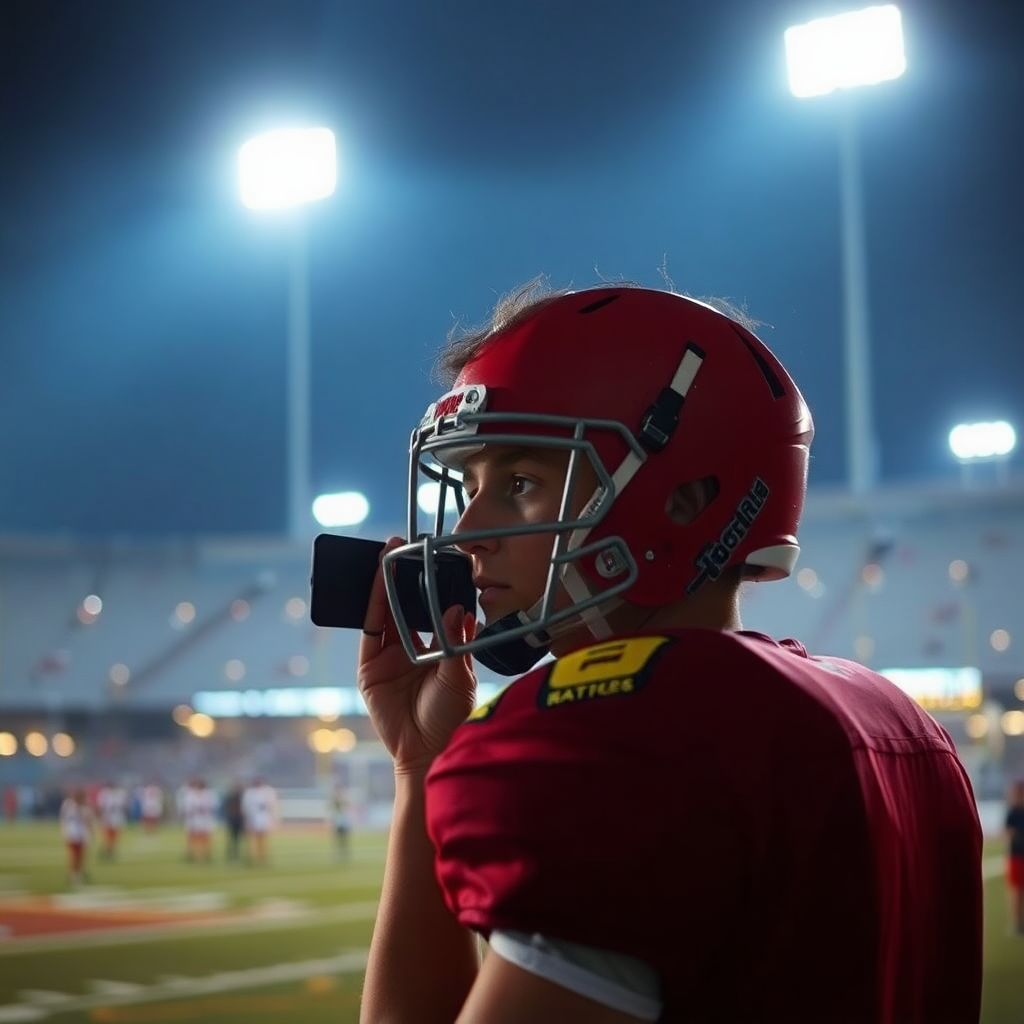
Turning small-school Friday nights into NFL Sundays means building NFL-level habits long before scouts notice you. Over 12-18 months, you need honest film evaluation, clear measurable benchmarks, a structured training plan, targeted exposure camps, and a small but reliable network of coaches and mentors who can vouch for your game and character.
Preseason essentials for small-school prospects
- Set a 12-18 month plan that covers training, exposure, academics, and finances.
- Get objective testing numbers for speed, strength, and agility, then re-test every 8-12 weeks.
- Build a clean, concise highlight reel focused on translatable skills and competition level.
- Choose a small number of targeted exposure camps for small school football players instead of chasing every event.
- Create a weekly recovery and mobility routine you can execute without special equipment.
- Identify at least three coaches or mentors willing to advocate for you with recruiters and scouts.
- Prepare basic knowledge about contracts, practice-squad paths, and alternative pro leagues in case the NFL timeline is longer.
Evaluating your film and measurable benchmarks
This path fits players who dominate their level consistently, handle school and life responsibly, and are willing to treat football like a job long before it pays like one. It is not ideal if you are unwilling to be coached hard, relocate, or invest time and money into your development.
For small-school athletes, the first objective filter is your film and measurables, not the name of your high school. Before you worry about how to get a football scholarship from a small high school or pro exposure, you must answer a simple question: would your tape stand out on any field?
Checklist: first 30 days of honest evaluation
- Collect full game film (not just highlights) from at least 3-4 games against your best opponents.
- Trim a 3-5 minute highlight that shows complete plays: release, route, catch, YAC; or stance, get-off, block, finish.
- Ask two coaches who are not related to you to give blunt feedback on your film and position fit.
- Compare your technique to college players at your position using online game cut‑ups and coaching clinics.
- Write down your projected college position (or two) based on size, speed, and play style.
Core measurable benchmarks to track
These numbers do not guarantee a scholarship or contract, but they help you see whether your body is trending toward college and pro standards.
- Speed: 40-yard dash and 10-yard split.
- Agility: short shuttle and 3-cone drill.
- Power: broad jump and vertical jump.
- Strength endurance: max reps of push-ups and pull-ups; big lifts only if you have coaching.
Retest every 8-12 weeks and track progress in a simple spreadsheet. If your film is strong but your numbers are behind, your priority for the next block is physical development, not more camps.
Designing a pro-level physical and skills program
To train like a future pro safely, you need structure more than fancy equipment. The best football training programs for high school players share the same basics: progressive overload, position-specific work, and enough recovery to keep you healthy through long seasons.
Minimum tools and access
- Field with marked lines (or cones) for sprints, position drills, and conditioning.
- Basic strength equipment: barbell and plates, dumbbells, squat rack, bench, pull-up bar, or solid bodyweight alternatives.
- Recovery tools: foam roller or firm ball, access to ice and basic mobility videos or guidance.
- Filming option: smartphone and a small tripod or a teammate willing to record drills and reps.
12-18 month physical roadmap
- Months 1-3: Build the base safely – Focus on technique for squats, hinges, pushes, pulls, and bracing. Keep sprint work short and fast on non-lifting days.
- Months 4-6: Add strength and speed – Gradually increase load and add resisted sprints, while maintaining clean form.
- Months 7-9: Emphasize power and position drills – More jumps, throws, and rapid change-of-direction work, three times per week in short blocks.
- Months 10-12: Preseason sharpening – Reduce heavy lifting volume, keep strength, and increase football-specific tempo and conditioning.
- Months 13-18: College/NFL combine prep – If you are on track, move to highly specific 40-yard, shuttle, and position-drill preparation with longer rest, video breakdown, and targeted corrections.
Simple position drills you can run safely
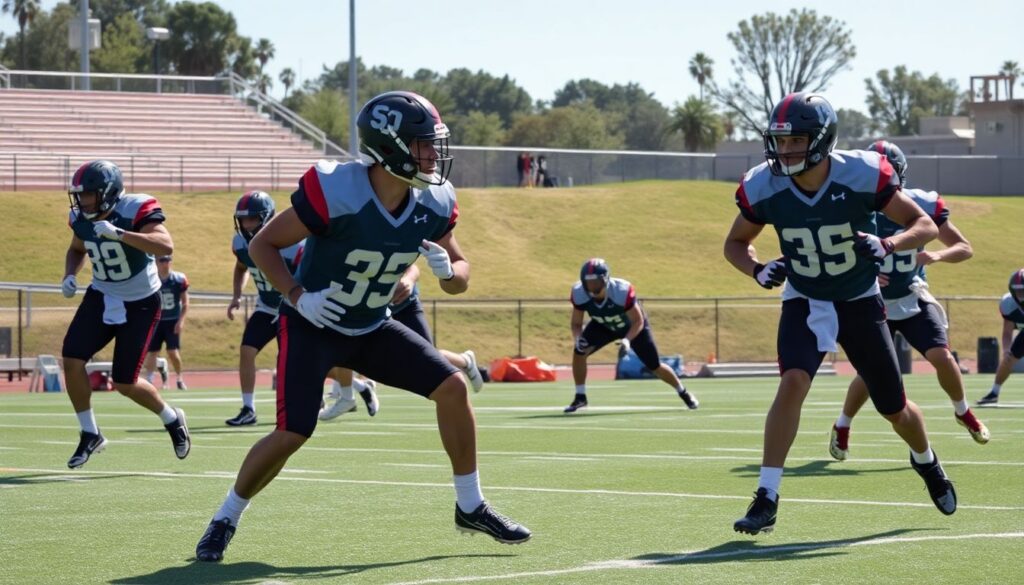
- Skill positions: cone route tree at half speed, then full speed; sideline catch drill; releases vs. air and vs. light press.
- Linebackers: shuffle-and-fill fits, angle pursuit drills, drop-to-hook and curl-to-flat drops with breaks on command.
- Offensive/defensive line: stance-and-start work, short sets and drive blocks on sleds or pads, hand-placement repetitions on a dummy.
If you do not have a coach on-site, record 3-4 reps of each main drill per week and review your own form compared to college players at your position.
Maximizing exposure: camps, combines, and highlight distribution
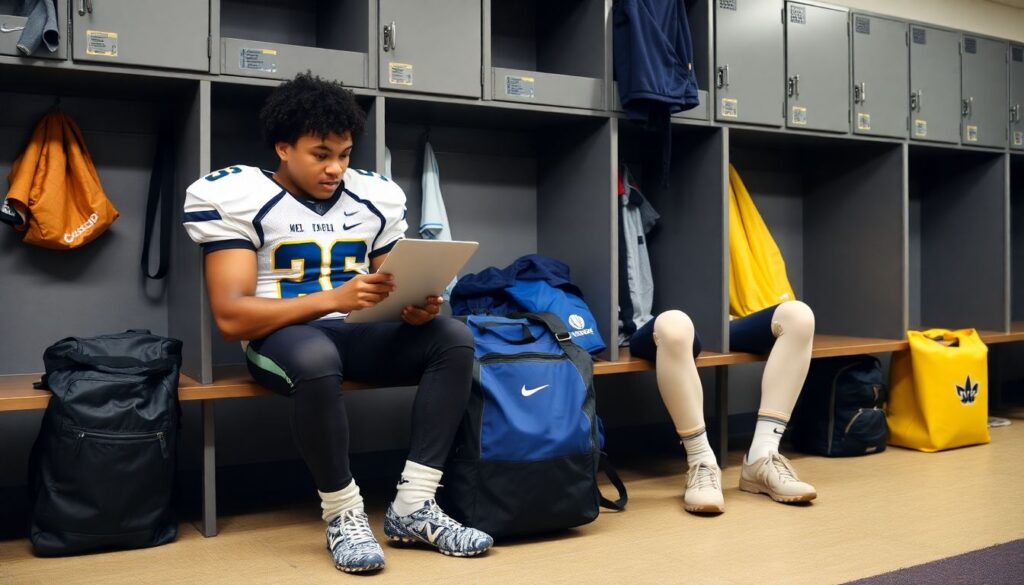
Before you sign up for any exposure camps for small school football players, make sure your foundation is ready. Use this quick preparation mini-checklist in the month leading up to camp season.
Mini checklist before you chase exposure
- Confirm you are healthy enough to sprint and change direction at full speed without pain.
- Have one updated highlight link and one full-game link you can send instantly.
- Know your most recent testing numbers and academic status (GPA, test scores if applicable).
- Set a realistic budget for camp fees, travel, and equipment, and rank events by importance.
- Talk with a trusted coach about whether to prioritize camps, film, or both this year.
The steps below help you choose a safe, efficient exposure plan over 12-18 months, whether your goal is recruiting, nfl prospect showcase camps for high school athletes, or both.
-
Clarify your current level and target level
Decide whether your realistic next step is NAIA, D3, D2, FCS, FBS, or direct pro tryouts. This determines whether college football recruiting services for small school athletes or direct outreach to coaches makes more sense for you this year.
-
Build and refine your highlight package
Keep your highlight 3-5 minutes with your best 10-15 plays first. Add your name, school, position, height/weight, and contact info at the beginning, and include a link to at least one full game for coaches who want context.
- Show plays that translate to higher levels: burst, tackling form, ball skills, leverage, and football IQ.
- Avoid excessive celebrations, music with explicit lyrics, or long slow-motion segments.
-
Choose the right events instead of every event
Prioritize camps hosted by schools that already recruit your region or where your measurables match their current roster. When possible, choose position-specific camps where you get real coaching and 1‑on‑1 reps over crowded testing-only combines.
- If your numbers are strong but offers are light, add one or two reputable third-party combines.
- If your numbers are behind but film is good, emphasize school-run camps and skill work.
-
Plan a 12-18 month calendar
Map out in-season, early offseason, and summer windows. Schedule major camps after a strength and speed block, not right after a long break or injury. Leave room for rest weeks so you do not break down before big events.
-
Distribute film strategically
Send personalized messages to position coaches and recruiting coordinators with your film, academic info, and schedule of upcoming events. Follow their stated process first, then consider a small number of trusted recruiting services if you lack direct contacts.
-
Evaluate ROI after each camp or showcase
Track who spoke with you, who requested more film, and whether your testing numbers improved. Adjust your plan: if certain camps generate no interest, move that budget to better-targeted events or extra training.
Developing a professional network: agents, coaches, and mentors
Your network should grow naturally from your work, not from spamming strangers. Use this checklist to know whether you are building the right relationships on the way from high school to college and beyond.
Networking health checklist
- At least one coach from your high school or club is willing to answer calls from college coaches or scouts on your behalf.
- You stay in touch with former teammates who moved on to college programs and can share honest feedback.
- You have connected with at least one strength coach or position coach who has worked at the college level, even if only online.
- You understand that certified agents are for later in the process, typically once you are draft-eligible or on pro radars, not during early high school years.
- You respond to messages within one day, communicate clearly, and keep your social media clean and football-focused.
- You know which coaches at your target schools recruit your area and position, and you have contacted them respectfully with film.
- You can name at least two adults outside your family who will vouch for your character and work ethic.
- You have read or watched basic guidance on selecting an agent before signing anything, so you can avoid rushed or unsafe decisions.
- You track important contacts and conversations in a simple note or spreadsheet to avoid losing opportunities.
Game-week routines, recovery, and mental preparation
Once you reach higher levels, staying healthy and consistent week-to-week matters as much as raw talent. Avoid these common errors that small-school standouts often carry into college or pro camps.
Mistakes that stall your transition
- Changing your routine every week instead of having a repeatable schedule for sleep, meals, and film.
- Ignoring soft-tissue care and mobility until something hurts badly enough to keep you out of practice.
- Doing last-minute hard conditioning the day before a game or showcase because you feel unprepared.
- Skipping pre-practice warmups or going through the motions, then wondering why early reps feel slow or stiff.
- Letting social media hype or rankings dictate your confidence instead of your preparation and execution.
- Studying the playbook only at team meetings instead of scheduling short daily review sessions.
- Overusing painkillers or energy drinks instead of adjusting sleep, hydration, and workload.
- Arguing with coaches about role or touches instead of mastering the assignments you already have.
- Neglecting basic school or off-field responsibilities, which signals to coaches that you may be a risk, even if your talent is obvious.
Build a simple weekly template you can adapt at any level: review previous game early in the week, install and assignments midweek, speed and timing later in the week, then light, crisp work the day before competition.
Making the leap: contracts, playbooks, and role adaptation
Not every Friday Night Lights star will jump straight into a major college program or the NFL, but there are multiple paths that keep you moving forward safely and realistically. Consider these alternatives depending on your stage and opportunities.
Path options when the direct route is not ready yet
- Junior college or prep school year – Ideal if you need academic improvement, physical development, or updated film. Use this time to refine your position fit, master study habits, and earn interest from programs that may have missed you in high school.
- Smaller college with a big role – Choosing a level where you can play early and often may be smarter than sitting for years at a big-name school. Dominant, consistent production with strong film often gets more attention than a famous logo on your jersey.
- Walk-on opportunities – If finances and academics make it possible, a walk-on shot can work for ultra-committed players. Go in understanding that nothing is guaranteed and that your value must show up every day on special teams, in meetings, and in the weight room.
- Alternative and developmental pro leagues – After college, smaller or developmental leagues can be stepping stones if you handle contracts carefully and prioritize your health. Read every agreement, seek advice from someone experienced, and avoid unsafe situations or promises that sound too good to be true.
Throughout every path, keep your long-term plan in mind: a sustainable body, a sharp football mind, and relationships that last beyond football itself.
Practical fixes for common small-school transition obstacles
How do I stand out if my high school competition is weak?
Dominate every snap on your current level, then seek higher-level competition in camps, 7‑on‑7, or multi-school scrimmages. Your film should show that you are clearly faster, stronger, and more disciplined than everyone around you.
When should I start using college recruiting services?
Wait until you have varsity film, solid grades, and verified testing numbers. Then, if you lack direct access to coaches, consider a reputable service with clear references and transparency rather than anyone promising guaranteed offers.
How many camps should I attend each summer?
Most players are better off targeting a small number of camps where the staff knows their region and needs their position. Too many events can drain your budget and body; focus on quality reps and meaningful exposure.
What if my measurables are behind for my dream position?
Ask coaches whether a different position suits your frame and traits better, and commit to a structured strength and speed plan. Sometimes changing position unlocks opportunities you would never see staying where you are miscast.
How do I balance schoolwork with a pro-style training schedule?
Plan academics first, then fit training around that schedule. Use shorter, focused sessions instead of marathon workouts, and communicate with teachers and coaches early when conflicts appear.
Is it too late to be noticed if I am a late bloomer?
Late physical and skill development happens often, especially at small schools. Extend your window with junior college, prep school, or walk-on options while you keep improving your film and measurables.
How do I avoid predatory agents or handlers?
Until you are legitimately on pro radars, you do not need an agent. When the time comes, work only with certified professionals, seek opinions from trusted coaches, and never sign anything you do not fully understand.