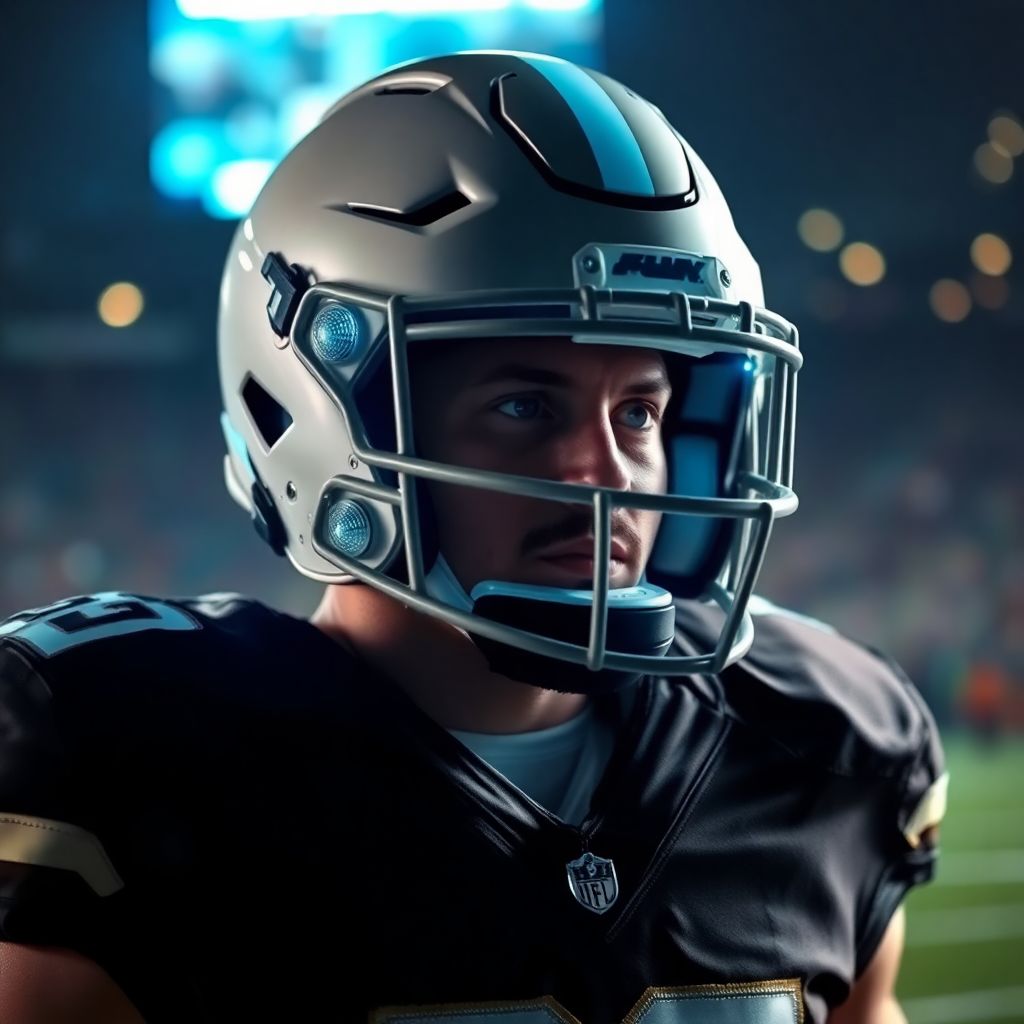
Football helmet tech and safety are shifting from simple hard shells to smart, custom-fitted systems that manage impact, track hits, and guide safer play. To use today’s innovations well, focus on certified shells, advanced padding, proper fit, sensor data, and clear sideline protocols for youth and adult athletes.
Core Innovations to Watch
- Integrated impact sensors and smart mouthguards that capture hit location, force, and frequency in real time.
- Advanced materials such as multi-density foam, liquid or air pods, and 3D-printed lattice liners to diffuse impact energy.
- Precision fit through position-specific models, custom football helmets with advanced padding, and adjustable liners.
- Cloud-connected systems that turn raw impact data into usable dashboards and alert trainers on the sideline.
- Updated testing protocols that stress rotational forces, lower-speed hits, and youth-specific biomechanics.
- Clear adoption roadmaps so teams can buy modern football helmet with impact sensors and deploy them safely and effectively.
Sensor Integration and Concussion Detection Systems
Sensor-based helmets help teams identify dangerous hit patterns that eyes alone miss, but they are not medical devices and cannot “diagnose” a concussion. They suit programs with consistent staff, clear return-to-play rules, and some tech support. They are a poor fit when basic safety habits and coaching standards are still weak.
At the high end, football helmet technology 2025 often combines in-helmet accelerometers, gyroscopes, and smart mouthguards that transmit data to a tablet on the sideline. These tools can flag unusually hard impacts or a spike in sub-concussive hits and support decisions to remove an athlete for evaluation.
Before investing, confirm that everyone understands the limits:
- Impact alerts trigger evaluation; they never overrule medical judgment or athlete feedback.
- Sensors can under-read or over-read depending on fit, weather, or firmware; plan on periodic calibration checks.
- Youth leagues should adopt sensors only after they have a consistent concussion protocol, trained coaches, and parental consent.
To integrate safely:
- Choose a certified helmet line that offers embedded or clip-in sensor modules.
- Assign a staff “data owner” to monitor alerts in real time during practice and games.
- Write a short policy covering who responds to alerts, how athletes are removed, and how data is stored and shared.
Advanced Materials and Impact Mitigation Designs
To benefit from modern shells and liners, you need sensible selection criteria and a controlled fitting process rather than specialized lab equipment. Start by defining which position groups and age levels you are outfitting, then constrain choices to NOCSAE-certified models with clear impact management claims.
Many of the best football helmets for safety combine:
- A rigid outer shell to spread impact forces across a larger area.
- Layered foam systems tuned for both high- and low-velocity hits.
- Floating or suspended liner elements that allow slight movement to reduce rotational acceleration.
- Optional supplemental padding kits to fine-tune fit without modifying the shell.
Prepare for implementation by securing:
- A fitting space with good lighting, mirrors, and disinfectant wipes.
- Helmet sizing charts from each manufacturer you use.
- Extra jaw pads, crown padding pieces, and air pump (if the liner is inflatable).
- Clear written rules forbidding drilling, gluing, or aftermarket add-ons that could void certification.
For youth football helmets with latest concussion protection, prioritize designs specifically tested on youth-sized headforms and avoid reusing older varsity shells with improvised padding. Where budgets are tight, rotate the newest models to positions and players with the highest contact loads, such as linemen and linebackers.
Fit, Customization, and Biomechanical Alignment
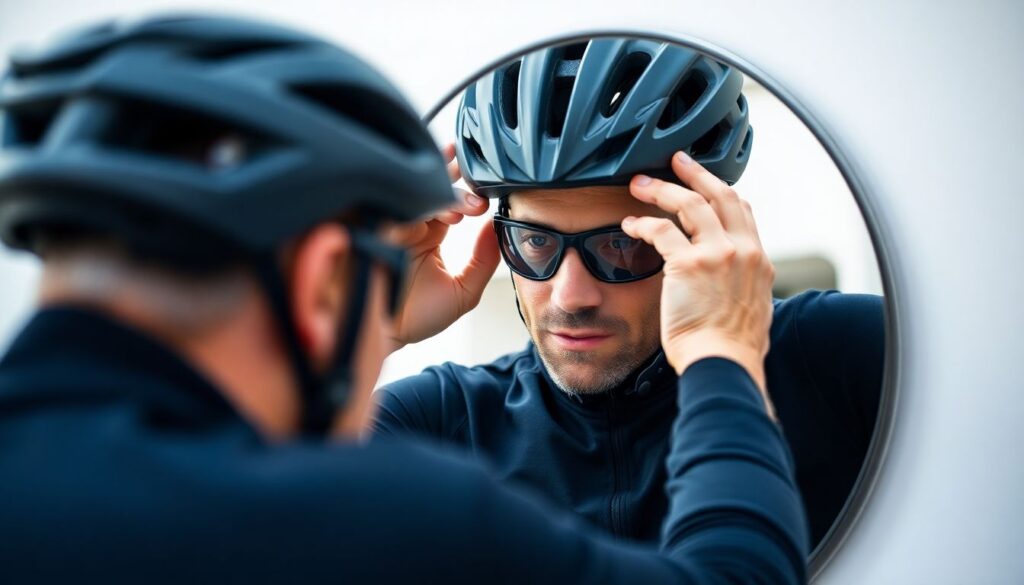
Achieving safe fit and alignment is the most controllable part of helmet safety. Follow these steps carefully each season and after any significant change in hairstyle, weight, or position.
- Measure and pre-select size range – Measure head circumference above the eyebrows and around the widest part of the skull. Use the manufacturer’s sizing chart to pick an initial shell size instead of guessing “by eye.” This limits over-tight or dangerously loose fits.
- Seat the helmet and check initial contact – Place the helmet level on the head, front to back, without snapping the chinstrap. The front edge should sit just above the eyebrows, not high like a cap or low into the eyes.
- Check that pressure feels even across the crown and sides, not focused on a single point.
- If the forehead gaps while the back digs in, try a different shell size or liner configuration.
- Adjust internal padding and liners – For custom football helmets with advanced padding, work through each zone in a repeatable order (crown, sides, rear, jaw). Swap pad thicknesses rather than forcing a borderline shell size.
- The athlete should feel firm, uniform contact when nodding and shaking the head.
- A loose feel or independent helmet movement means more or thicker padding is needed.
- Set chinstrap and jaw pad engagement – Buckle all chinstrap points before judging fit. The strap should be snug under the chin without restricting breathing or speech.
- Jaw pads should make solid contact, stabilizing the lower helmet; replace undersized pads.
- Ask the athlete to open and close the mouth; excessive helmet lift signals poor jaw fit.
- Verify biomechanical alignment and field of vision – From the side, the helmet should look level, with the nose roughly centered in the facemask opening.
- Confirm the athlete can see the ground a few steps ahead without tilting the head.
- If vision is obstructed, re-evaluate shell size or mask style; do not tilt the helmet back.
- Perform movement and manual-stability tests – Ask the athlete to run, cut, and simulate contact with controlled shiver movements.
- Try rotating the helmet gently; the skin of the forehead should move with the padding.
- If you can grab and twist without moving the eyebrows, the fit is too loose.
- Document fit settings and assign a maintenance routine – Record shell size, liner configuration, jaw pad size, and any air pressure settings.
- Inspect every helmet at least once per week for loose hardware, compressed pads, or cracks.
- Log changes so you can link any pattern of hits from sensors to fit adjustments.
Fast-Track Fit Routine for Busy Sessions
When time is short but safety still matters, use this condensed approach:
- Measure head circumference and select shell size from the chart, not by guess.
- Seat helmet level, adjust or swap padding until pressure is firm and even.
- Buckle all chinstraps, confirm jaw pad contact, and check unobstructed forward and downward vision.
- Perform twist-and-lift test; helmet and skin should move together with no independent wobble.
- Log the final configuration and re-check after the first full-contact practice.
Data Analytics, Connectivity, and Real-Time Alerts
To know whether your sensor and analytics setup truly improves safety, run it against this practical checklist:
- All sensor-enabled helmets pair successfully with the team’s sideline device before each session.
- Impact alerts are routed to a designated staff member who understands the response protocol.
- Every high-severity alert leads to immediate removal and clinical-style screening, regardless of game situation.
- Data is synced and backed up after each practice and game, with access limited to authorized staff.
- Coaches receive periodic summary reports flagging players or drills with unusually high impact loads.
- Patterns in data are linked to specific changes (technique coaching, drill design, contact limits) and then re-evaluated.
- You have written guidance for parents and players explaining what the system does and does not measure.
- Firmware and apps are kept updated during the off-season and re-validated before the first contact practice.
- When you buy modern football helmet with impact sensors, you test at least one unit in low-stakes practice before full rollout.
- Data retention timelines and deletion rules are documented so old records do not create privacy or policy problems.
Testing Protocols, Certification, and Industry Standards
Avoid these recurring mistakes when navigating certifications and test results for helmet systems:
- Relying on marketing labels without confirming current NOCSAE certification for the exact model and size range.
- Assuming that a high ranking on any third-party list automatically means best fit for your age group or style of play.
- Mixing parts from different helmet models or manufacturers, unintentionally voiding certification.
- Using non-approved aftermarket accessories, decals, or paint methods that alter shell performance.
- Skipping annual reconditioning and inspection, especially for helmets exposed to extreme heat or repeated heavy contact.
- Failing to distinguish between adult and youth testing standards when selecting youth football helmets with latest concussion protection.
- Not documenting serial numbers and reconditioning dates, which makes compliance checks and recalls harder to manage.
- Ignoring emerging standards for rotational impact tests and focusing only on straight-line impact numbers.
- Expecting certification alone to solve safety issues while neglecting technique, rule enforcement, and coaching quality.
Adoption Roadmap for Teams, Trainers, and Equipment Managers
Innovation in helmets does not need to be all-or-nothing. Consider these structured adoption paths and choose what fits your budget, staffing, and culture.
- Baseline upgrade with advanced padding only – Replace the oldest shells with newer models focused on impact-diffusing liners and position-specific designs. This is ideal if you lack tech staff but want a visible safety improvement quickly.
- Pilot program with limited sensor deployment – Choose a small group (for example, starting varsity linemen) and equip them with a sensor-ready line or custom football helmets with advanced padding and clip-in sensors. Use one season to refine policies and evaluate value before scaling up.
- Full-stack smart helmet ecosystem – For programs with strong medical support and technology resources, roll out helmet sensors, smart mouthguards, and analytics software across the roster, integrating data into training, recovery, and game management decisions.
- Technique-first approach with gradual tech adoption – If budgets are tight, invest primarily in coaching, safer drill design, and rule enforcement, while slowly rotating in the best football helmets for safety as old gear ages out rather than making a single large purchase.
Common Practical Concerns and Solutions
How do I explain sensor helmets to parents and players without overpromising?
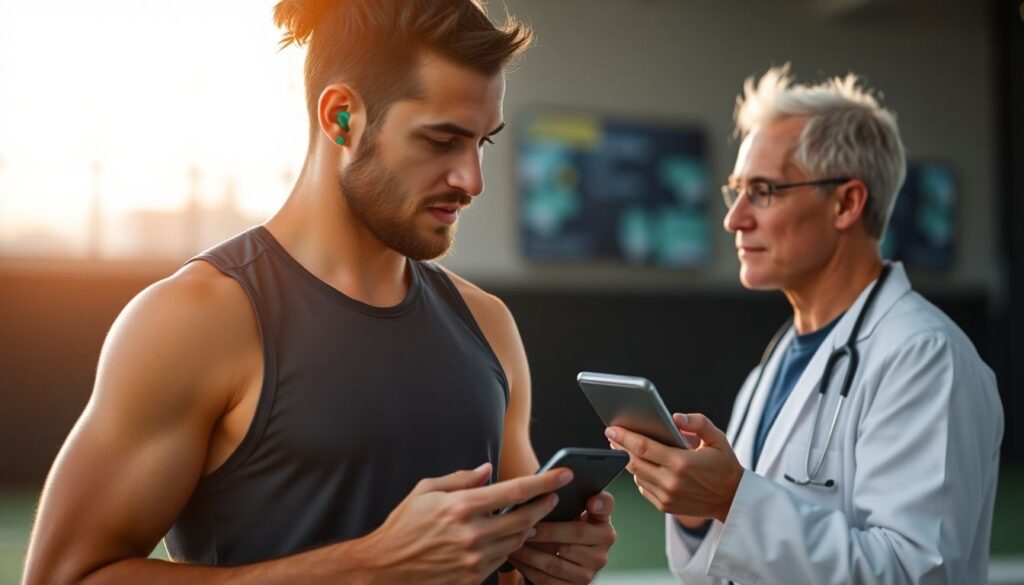
Describe sensors as an “early-warning system” that highlights unusual impacts, not as medical diagnostic tools. Emphasize that every alert triggers a human evaluation and that athletes should still report symptoms, even if no alert occurs.
What is the safest way to choose between different high-end helmet models?
Limit your options to certified models that fit your budget, then run in-person fitting sessions comparing comfort, stability, and vision. Use external ratings only as one input; prioritize fit, reconditioning support, and age-appropriate testing over marketing claims.
How often should we re-check helmet fit during the season?
Plan a quick fit audit at least monthly and after any visible weight change, hairstyle change, or equipment complaint. Always re-check fit after a helmet is reconditioned, repaired, or involved in an unusually hard collision.
Can youth teams realistically manage smart helmet data?
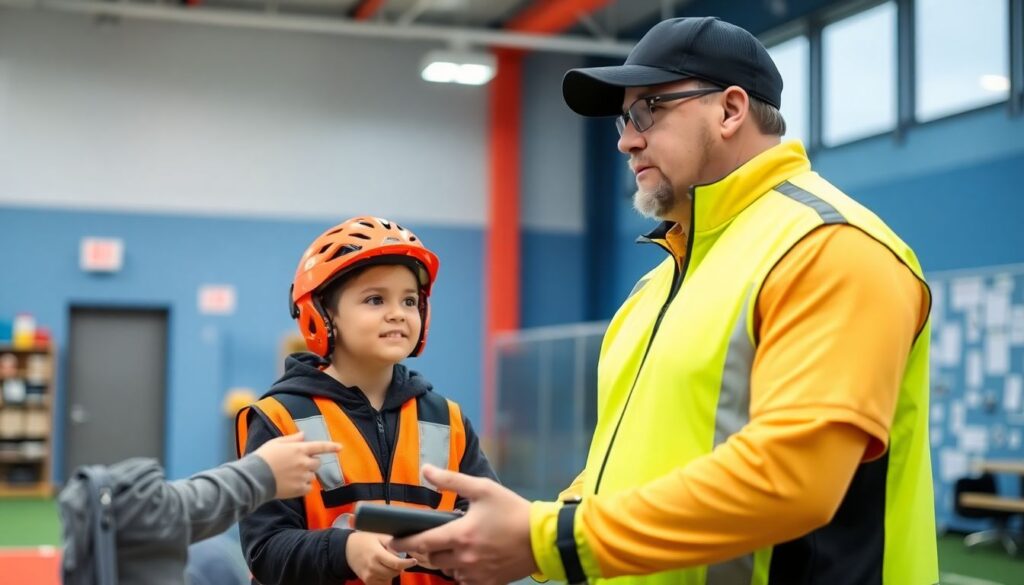
Yes, but only if you assign a responsible adult, keep the alert rules simple, and maintain a clear remove-and-evaluate protocol. If you cannot guarantee consistent monitoring and response, focus first on proper fitting, coaching, and certified youth-specific models.
Do impact sensors reduce the number of concussions by themselves?
No. Sensors provide information but do not change biomechanics or behavior. Reductions in concussion risk come from using that information to adjust technique, contact volume, and medical decisions, combined with well-fitted, modern helmets.
Is it safe to add extra padding or accessories we find online?
Only use accessories specifically approved by the helmet manufacturer. Unapproved add-ons can change how forces travel through the shell, interfere with fit, and may void certification and insurance coverage.
What should I do with older helmets when we upgrade to newer technology?
Consult the manufacturer or a certified reconditioner about safe disposal or potential recycling. Do not reissue retired helmets to lower levels of play or practice squads; if a helmet is no longer suitable for competition, it should not be used on the field at all.