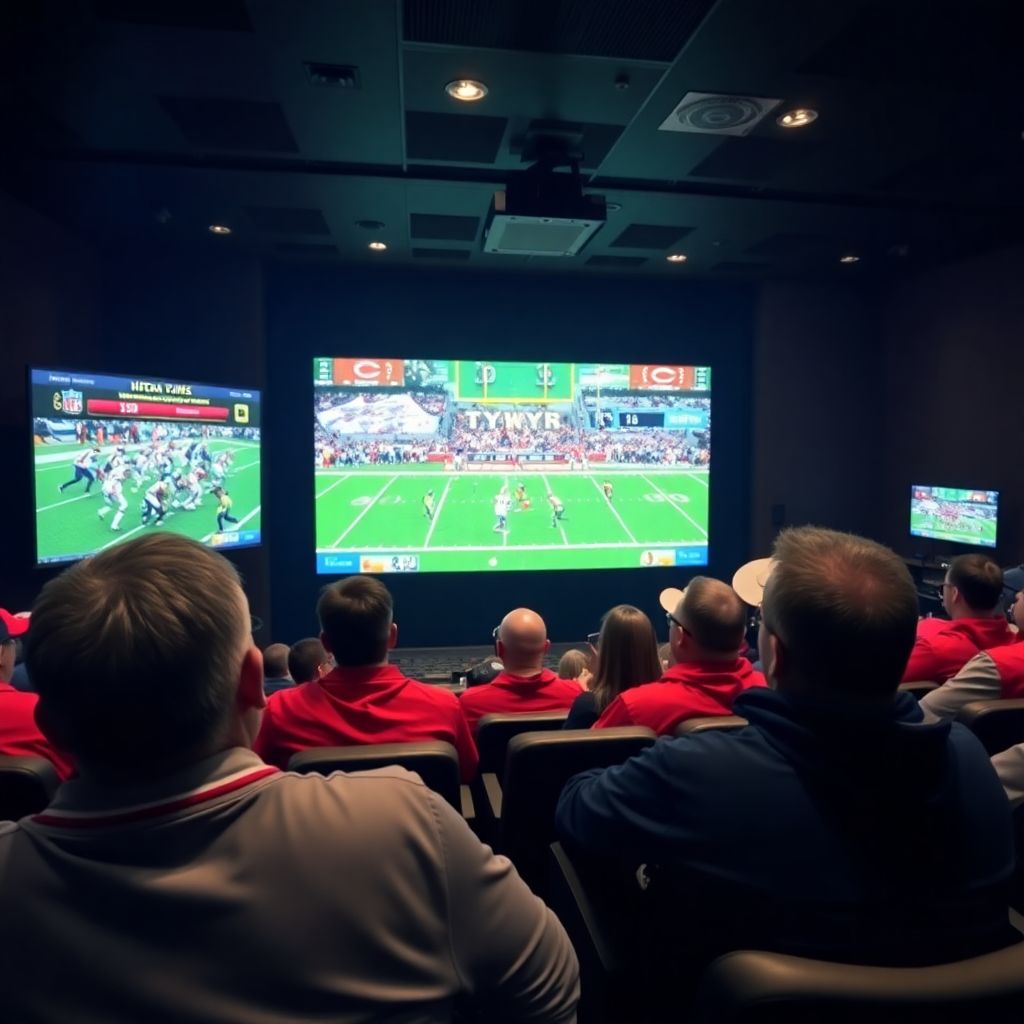
NFL film study is a daily, structured process where players and coaches use all‑22 angles to identify tendencies, test game‑plan ideas, and correct technique, not just “watch highlights.” Sessions are short and focused, built around specific questions (downs, formations, matchups) and tightly linked to practice scripts and game‑day calls.
Common Misconceptions About NFL Film Study
- Myth: Players binge hours of random tape. Reality: Most position players use several focused 20-30 minute blocks tied to clear questions (e.g., third‑down pressure looks).
- Myth: Film is only for quarterbacks and coaches. Reality: Every position group has tailored clips and cut‑ups, from punt gunners to nickel corners.
- Myth: Film is just “knowing plays.” Reality: The emphasis is on tendencies (who, where, when) and tells (stance, split, tempo), not memorizing the whole playbook.
- Myth: Fancy nfl game film analysis tools do the thinking. Reality: Software speeds tagging and sorting, but players still have to interpret, anticipate, and communicate.
- Myth: The work happens only in big team sessions. Reality: The most valuable tape time is often solo or in small groups, with players pausing, rewinding, and taking notes.
- Myth: Once the game plan is set, film work is over. Reality: Players review opponent tendencies and self‑scout right up to and after game day.
How Players Prepare: Pre-Meeting Film Routines
In a typical NFL week, film study starts before the official meetings. Players come in with their own questions, having already skimmed the opponent’s last few games on an all 22 NFL game film subscription or team server. The goal is to arrive at the position room with context, not cold.
For most veterans, “pre‑meeting” means short, repeatable routines. A defensive back might spend 15 minutes on third‑down cut‑ups, then 10 minutes on red‑zone clips. An offensive lineman might focus on twists and simulated pressures. Each block is targeted: one situation, one opponent unit, one or two coaching points to check.
The boundaries of effective pre‑meeting study are clear. It is not full game re‑watching or hunting for magic tells. Instead, players use sports video analysis software for football teams to jump quickly between downs, distances, and formations. They bookmark plays to ask about later, building a shortlist of “must discuss” clips for their coaches.
Example pre‑meeting micro‑routine for a slot receiver (about 25 minutes):
- 5 minutes: Browse third‑and‑medium man coverage clips vs. similar personnel groups.
- 10 minutes: Study nickel corner leverage and safety rotation on key routes you run.
- 5 minutes: Watch blitz cut‑ups to see who is usually the “add‑on” rusher.
- 5 minutes: Tag 3-5 snaps where you are unsure how you would adjust; bring those to the position meeting.
From Clipboard to Field: Translating Tape into Practice
Once meetings begin, the core question is simple: How does what we see on screen show up in today’s practice? Coaches and players work through a consistent chain from film to field.
- Identify repeatable situations. Coaches pull clips of the same look (e.g., trips into the boundary vs. single‑high) across multiple games, then label them by down, distance, hash, and personnel.
- Define the stress point. For each clip, the room answers, “Who is stressed and where?” Maybe it’s the weak‑side backer in coverage or the right tackle on a wide‑9 rush.
- Agree on the answer. The staff explains the call, adjustment, or technique they want. This is where best football film study software for coaches matters, allowing fast side‑by‑side comparisons of “bad rep vs. desired rep.”
- Convert to practice script. The same looks are handed to the scout‑team coaches to build into the next day’s practice script, often noted as “must‑see” plays for the starters.
- Revisit after practice. Later, players watch the practice cut‑up of those same concepts to see if the onscreen correction actually translated to the field.
- Update game‑day notes. Key tendencies and solutions get condensed into call‑sheet notes, wristband cues, or brief reminders in the player’s own notebook.
Not All Reps Are Equal: Prioritizing What to Watch
With hundreds of snaps available, the art of film study is choosing what not to watch. Players and coaches lean on nfl coaches video breakdown service outputs and their own scouting rules to focus on the most predictive reps.
Typical Situations Players Prioritize
- “Money downs” (third and fourth down). Offense and defense both spend extra time here. A pass rusher may watch only third‑and‑long snaps to see which tackle oversets under pressure. A slot defender tracks which route combinations show up most on third‑and‑short vs. bunch sets.
- Red zone and goal line. The field shrinks, and tendencies tighten. Tight ends study how linebackers handle pick routes. Running backs look at run‑fit behavior near the goal line: do safeties trigger early or slow play?
- Two‑minute and end‑of‑half sequences. Quarterbacks focus on how defenses change coverage when the clock is a factor. Safeties track which vertical concepts an offense trusts late, even if they ran them only a few times all season.
- Base vs. sub‑personnel looks. A guard may split his time between how a defense plays 4‑down nickel vs. heavier base fronts. Each has different pressures and line movements, so he tags clips separately.
- Star player tendencies. Corners study top receivers’ releases, route depth, and how they adjust versus press. Edge rushers track the timing of a particular tackle’s punch and whether he oversets vs. wide alignments.
- Self‑scout sequences. Players also watch themselves. Using sports video analysis software for football teams, they compare how they played a concept earlier in the year vs. how the current opponent defended that same concept in its other games.
Techniques Coaches Use to Highlight Tendencies and Traps
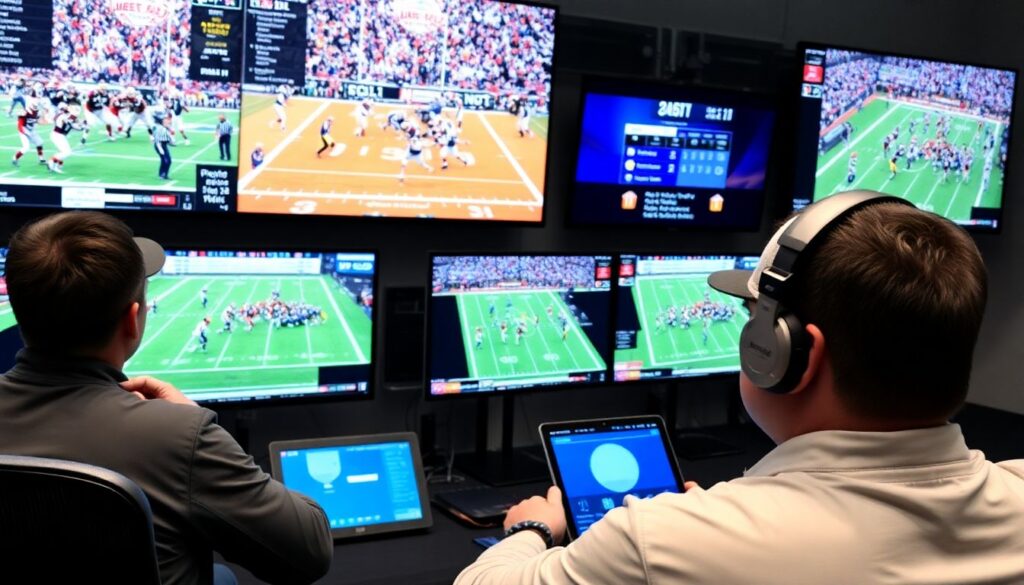
Coaches lean heavily on nfl game film analysis tools to surface patterns without drowning players in details. At the same time, they are careful not to oversell tendencies that might change on game day.
Advantages of Structured Film Techniques
- Situation‑based cut‑ups clarify context. Grouping by down, distance, and field position lets players see patterns quickly instead of watching games in full time order.
- Tagging and filters reduce noise. Coaches pre‑tag stunts, blitzes, coverage families, and motions, so players can study “blitz vs. bunch” or “bootleg to the left” in minutes.
- Side‑by‑side comparison accelerates learning. With modern sports video analysis software for football teams, coaches show “bad vs. good” technique from the same player, making corrections tangible.
- “If‑then” teaching connects tendencies to calls. For example: “If they motion the tight end here, then expect the crack toss; our check is X.” Players learn simple triggers instead of huge scouting reports.
- Cross‑positional clips align the whole unit. Receivers may watch pass‑protection clips briefly to understand timing, while DBs watch front‑seven fits to know where help is coming from.
Limitations and Traps in Film-Based Preparation
- Overfitting to small samples. A defense might blitz from a look only a few times, then change entirely for your matchup. Treating a handful of snaps as a certainty can backfire.
- Outdated tendencies. Early‑season film may not reflect personnel changes, injuries, or midseason scheme tweaks. Good breakdown notes when tendencies are no longer current.
- Ignoring opponent adjustments. Assuming an offense will run the same core plays from the same formations every week ignores how they build “change‑ups” specifically for your defense.
- Information overload in meetings. Too many tags, colors, and notes on screen can cause players to tune out; the real limit is what can be executed at full speed, not what can be drawn or shown.
- Tech dependence without understanding. Even the best football film study software for coaches cannot replace players learning how to spot leverage, depth, and body language on their own.
Communication in the Room: Making Film Sessions Actionable
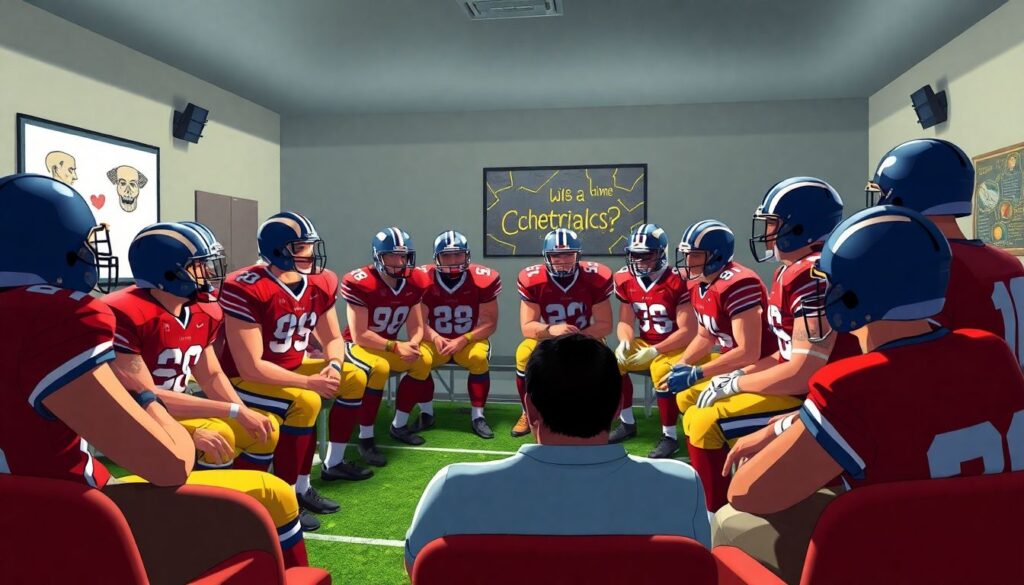
Effective film rooms are noisy in a productive way: questions, quick debates, and constant tying of what’s on screen to what will be called on Sunday. Silent rooms usually signal confusion or disengagement.
- Only the coach talks. When players never ask “What if they motion to this?” or “Where is my help here?”, misunderstandings surface later on the field instead of in the meeting.
- Notes with no translation to calls. Writing down “No. 18 likes the post” is worthless unless it is tied to a specific coverage call and technique adjustment.
- Film cut‑ups that don’t match practice. If the scout team never runs what players saw on Monday’s film, they lose trust in the process and stop taking detailed notes.
- Overemphasis on blame. Sessions focused on “who messed up” instead of “what do we do next time” discourage honest questions and slow learning.
- Myth that everyone sees the same thing. Linemen, linebackers, and DBs have different sightlines and responsibilities; they must clarify, out loud, what each position expects from the others on specific calls.
Measuring Impact: Metrics and Habits That Improve Game-Day Performance
Coaches rarely measure film study by hours logged. They care about how often the preparation shows up as faster decisions, cleaner communication, and fewer “busted” plays. Simple, behavior‑based metrics are far more useful than time spent in front of a screen.
Teams often track metrics like mental error counts per game, alignment issues, and how frequently players correctly anticipate an opponent’s favorite concepts. Behind the scenes, an nfl coaches video breakdown service may tag every snap by call and result, making it easier to match specific film notes with in‑game outcomes.
Mini‑scenario of a one‑week improvement cycle for a nickel defender:
- Monday (20 minutes solo). Watch last game’s targets against you. Note every time you were late to the break or misread the split. Write down 2 recurring problems (e.g., biting too hard on shallow routes).
- Tuesday (30 minutes with coach). Review opponent’s slot concepts from an all 22 NFL game film subscription. For each route combo that punishes your two issues, agree on an adjustment (alignment tweak, eye discipline rule, or communication with the safety).
- Wednesday-Thursday (practice and review). Ensure those exact route combos are on the scout‑team script. After practice, spend 15 minutes checking if you executed the new rules on those specific reps.
- Friday (10-15 minutes refinement). Re‑watch a short cut‑up: opponent’s top slot routes plus your best and worst practice reps. Confirm one or two simple reminders you will carry onto the field.
- Sunday and Monday (feedback loop). During the game, track mentally (or via quick notes) how many times you correctly anticipated the slot concept. On Monday, check the game film to see if the adjustment reduced late breaks and completions.
This kind of simple loop-identify, adjust, rehearse, review-keeps film work grounded. The tools, whether a team platform or an external nfl game film analysis tools provider, are there to support clear habits and measurable changes, not to replace them.
Practical Questions Players Often Ask About Tape Study
How much time should I spend on film each day during the season?
Think in focused blocks, not total hours. Two or three 20-30 minute sessions tied to specific questions or situations are usually more productive than one long, unfocused binge of game tape.
Should I watch full games or only cut-ups?
Use cut‑ups for most of your work; they concentrate situations and concepts. Full games are useful early in the week to feel the opponent’s overall tempo, substitutions, and how their play‑calling changes by quarter.
What’s the best way to take notes so I actually use them?
Organize by situations and calls, not long paragraphs. For each situation, write a simple trigger and response, like “Trips into boundary: expect flood; play outside‑in leverage, help inside.” Bring those notes to practice and check if the cues still make sense at full speed.
How do I avoid overthinking from watching too much film?
Limit the number of tendencies you plan to act on in a game. Focus on a few high‑impact rules you trust. If a note doesn’t translate to a simple action on the field, drop it from your game‑day plan.
What should younger players prioritize when they’re new to film?
Start with your own tape first, then branch to opponents. Learn your base technique, alignments, and assignment landmarks on film, so when you watch opponents you can clearly see how they stress your specific job.
Do I need fancy software at home to study like a pro?
No, but having efficient video tools helps. If your team system is limited, even simple clip‑saving or tagging features can mimic what a full sports video analysis software for football teams platform provides.
How can I tell if my film study is actually helping?
Track concrete outcomes: fewer mental errors, faster pre‑snap communication, and more “I knew that was coming” moments on game day. If you cannot point to specific decisions that changed because of tape, adjust your routine.