
NFL broadcasting deals are long-term media contracts that sell game rights to TV networks and streamers, turning live football into predictable cash flows. To use this knowledge commercially, focus on how rights packages are structured, what drives pricing, where profits really come from, and which negotiation or platform mistakes quietly destroy value.
Executive Summary of NFL Broadcast Economics
- NFL TV broadcasting rights deals are primarily long-term media contracts sold in packages by day, time slot, and platform, not one-off game sales.
- Most economic value comes from predictable rights fees plus advertising and sponsorship layers, not just ratings bragging rights.
- A clear NFL media rights revenue breakdown prevents common modeling errors like double-counting local and national income.
- The impact of NFL TV deals on team valuations is indirect but powerful, because media money underpins league revenue sharing and stability.
- Streaming platforms bidding for NFL rights chase subscriber growth and brand prestige, but can overpay if churn and ad loads are mis-modeled.
- The biggest preventable mistakes: misreading exclusivity, underestimating production and marketing costs, and ignoring regulatory constraints.
How NFL Media Rights Have Evolved: From Local Radio to Global Streaming
NFL media rights are the legal permissions granting broadcasters and digital platforms the ability to show live and related NFL content. They evolved from local radio deals to highly segmented global packages spanning broadcast TV, cable, and streaming platforms.
Early rights were simple: a single station or small network carried games regionally. Today, NFL TV broadcasting rights deals are sliced by conference, day of week, time window, language, territory, and platform type. The league sells national packages while teams retain limited local and non-game rights.
Modern contracts typically distinguish between linear television (broadcast and cable), digital streaming, international rights, and specialized products like condensed games or highlights. Each layer creates a separate negotiation track and revenue stream, but also more room for overlaps, gaps, and legal friction.
For practitioners, the important boundary is this: live game rights sit at the center and drive most value; shoulder programming, data, and archival content are separate, often overlooked assets. Failing to separate these buckets leads to muddled forecasts and weak negotiating positions.
Breakdown of Revenue Streams: Rights Fees, Advertising, and Ancillary Income
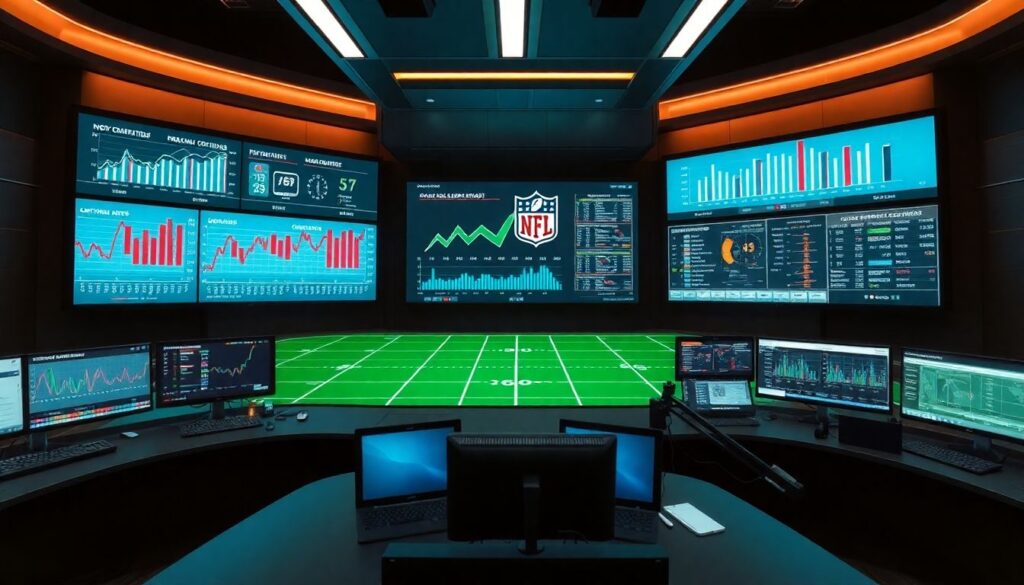
NFL broadcasting economics are built on a few core revenue streams that interact: guaranteed rights fees, advertiser and sponsor payments, and a layer of secondary monetization opportunities. Clarity on each stream is essential to avoid double-counting or underestimating risk.
- League-level rights fees
Networks and streamers pay the league for national and international packages. These are usually fixed payments over many seasons with defined escalators. They underpin revenue sharing and are central to how much NFL broadcasting contracts are worth in aggregate. - Network and platform advertising sales
Broadcasters sell commercial inventory in and around games to brands, often at premium prices compared with regular programming. Key pitfalls: assuming every spot sells at the headline rate, and ignoring make-goods when ratings underdeliver. - Integrated sponsorship and branded content
Visible elements such as pregame shows, halftime segments, virtual signage, and in-broadcast features can be sold as packages. This layer is often under-monetized when sales teams and rights teams do not coordinate inventory definitions. - Digital, streaming, and subscription monetization
Streaming platforms bidding for NFL rights aim to use games to attract and retain subscribers, and to sell digital ads with richer targeting. The common error is crediting all subscriber growth to football while ignoring baseline growth and later churn. - Local and regional revenue
Regional sports networks, local radio, and team-specific shows generate additional income. Mistake to avoid: counting the same audience or sponsor spend in both local and national models without clear allocation rules. - International and non-live content
Rights for highlights, clips, archival footage, and international feeds add incremental value. They rarely drive a deal alone but can justify price differences between similar packages when properly valued.
Practical scenario: a mid-sized streaming service secures a limited NFL window. To prevent over-optimism, it separates pure advertising returns, incremental subscription revenue directly attributable to games, and brand value that cannot be reliably monetized. This discipline keeps marketing, finance, and rights teams aligned on realistic outcomes.
The Negotiation Playbook: How Networks, Streaming Services, and the NFL Strike Deals
NFL rights negotiations are multi-round, data-heavy bargaining processes where the league, networks, and streamers trade price, exclusivity, and distribution commitments. Each party balances financial goals with brand positioning and long-term strategic bets.
- Renewal scenarios with incumbent networks
Existing partners start with an edge due to infrastructure and audience familiarity. The risk: incumbents assume renewal is automatic and underprepare analytics on alternative windows, leading to surprise losses or overpayment under pressure. - Competitive bidding with new digital entrants
When new platforms chase marquee packages, the league can widen the field. Streaming platforms bidding for NFL rights often anchor on aggressive growth narratives; the disciplined move is to model multiple adoption curves, not just a single optimistic one. - Hybrid packages across linear and streaming
Deals frequently split rights between broadcast, cable, and a direct-to-consumer app. A common mistake is burying operational details (latency, blackout enforcement, authentication) in side letters instead of pricing them explicitly in the main agreement. - Time-slot and calendar negotiations
Prime-time windows, playoffs, and special-event games carry disproportionate value. Both sides can misjudge fatigue and cannibalization if they ignore how many high-intensity windows fans will realistically watch in a week. - Ancillary and data rights bargaining
Clarity on clip rights, real-time data, and international distribution prevents expensive disputes later. Fast prevention tactic: add a simple matrix in the contract listing who owns which asset type, where, and for how long.
Applied example: a network facing an expiring deal builds a scenario tree with three paths-full renewal, partial package retention, or complete loss. For each path it predefines walk-away points, make-good plans for advertisers, and replacement programming options, sharply reducing the risk of last-minute panic concessions.
Valuation Frameworks and Key Metrics Used to Price Broadcast Rights
Valuing NFL broadcasting contracts means translating audience potential into projected cash flows, then comparing that stream against alternative uses of capital. Because data is uncertain, best practice combines multiple valuation frameworks rather than relying on a single model.
Primary valuation tools and their strengths
- Discounted cash flow on rights packages
Projects net cash (advertising, sponsorship, subscription lift) minus rights, production, and marketing costs. Strength: forces explicit assumptions. Quick prevention tip: always run at least one conservative downside case before setting a bid ceiling. - Comparable deal benchmarking
Compares proposed pricing with similar NFL TV broadcasting rights deals or with other premium sports properties. Strength: anchors negotiations and helps explain decisions to boards and investors. - Portfolio and strategic value assessment
Views NFL content as a flagship asset that can lift entire channel lineups or streaming bundles. Strength: captures benefits like reduced churn, higher carriage fees, and brand prestige, which may not show up in single-deal spreadsheets.
Limitations and common modeling errors
- Over-reliance on short-term ratings trends
Using one or two recent seasons as the main predictor ignores structural shifts in viewing behavior and distribution. - Ignoring full cost-to-serve
Production, technology, talent, marketing, and customer support costs for big live events are often underestimated or omitted from early valuations. - Double-counting strategic benefits
Teams sometimes count the same value twice, such as attributing the entire platform brand lift and all subscriber growth to NFL games. - Static view of team and league growth
Analysts misread the impact of NFL TV deals on team valuations by extrapolating today's economics linearly, instead of modeling new products or format changes that could alter future deals.
Platform Strategy: Linear Networks, Streaming Rights, Blackout Rules and Exclusivity
Platform strategy in NFL media rights defines which content appears on broadcast TV, cable, and digital services, and how exclusivity and blackout rules shape distribution. Smart design maximizes reach without destroying long-term pricing power.
- Myth: more platforms always mean more value
Over-fragmentation can confuse viewers and dilute brand impact. Quick fix: map each game to a primary "home" platform and keep exceptions rare and clearly marketed. - Mistake: underestimating blackout and territorial rules
Local blackout and territorial restrictions can frustrate fans and regulators if poorly communicated. Preventive move: build clear, fan-facing explanations and align league, networks, and teams on consistent messaging. - Myth: streaming is automatically cheaper than linear
Streaming distribution adds infrastructure, support, and customer acquisition costs. Do not assume better margins without a detailed, game-level cost and revenue analysis. - Mistake: weak exclusivity definitions
Vague exclusive rights wording can lead to disputes over clips, highlights, and secondary feeds. Prevent this by explicitly listing what is exclusive, where, and on which devices. - Myth: simulcasts have no downside
Simulcasting on multiple platforms can erode leverage with distributors and advertisers. A simple guardrail is to limit the most valuable games to a small number of outlets with clear differentiation.
Stakeholder Impacts: Teams, Sponsors, Viewers and Regulatory Considerations
Stakeholder impact analysis looks at how NFL broadcasting structures affect teams, sponsors, viewers, and regulators. Sustainable deals balance money, access, and fairness across these groups rather than optimizing only one outcome.
Teams depend on central media distributions, which stabilize finances and support competitive balance. Sponsors care about predictable reach, brand safety, and clear activation rights. Viewers want accessibility, reliability, and reasonable pricing; regulators monitor competition, consumer protection, and in some cases public-interest programming standards.
Mini-case: a new streaming-heavy national package launches with limited support for older TVs and patchy regional coverage. Fans complain, local officials raise concerns, and sponsors question reach. The league, platform, and networks respond by expanding simulcasts on broadcast affiliates, clarifying blackout maps, and opening a dedicated support channel, turning a potential long-term backlash into a short-lived disruption.
Common Commercial Questions About NFL Media Rights
How much are NFL broadcasting contracts worth in business terms?
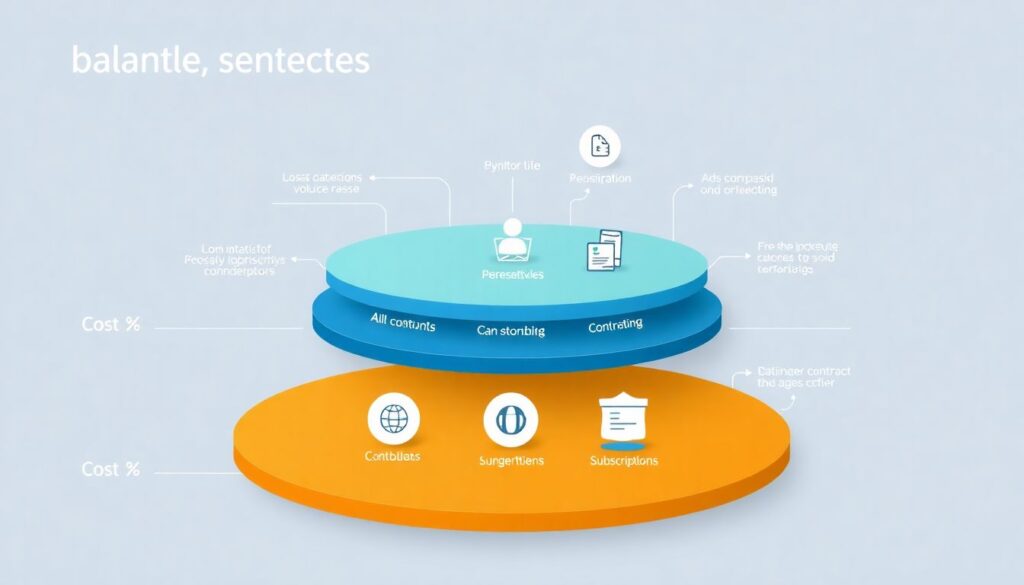
They represent multi-season, multi-layer revenue commitments combining rights fees, advertising, sponsorship, and subscription effects. The total value to a buyer depends not only on the headline price but also on cost control, cross-promotion leverage, and how well the platform can sell premium inventory around games.
What drives the price of NFL TV broadcasting rights deals?
Key drivers include projected audience size, demographic attractiveness, advertiser demand, platform reach, and competitive bidding pressure. Intangibles like brand prestige and strategic importance to a platform also push bids higher, especially when several players see the league as a must-have anchor property.
How does the NFL media rights revenue breakdown influence team finances?
League-wide media revenue is typically shared among teams, providing a stable baseline for budgets and investment. This shared pool reduces dependence on local income and helps smaller-market teams remain competitive with larger-market franchises.
What is the impact of NFL TV deals on team valuations?
Media contracts support expectations of steady or growing cash flows, which investors factor into franchise prices. When long-term rights look secure and expandable, valuations tend to rise, because buyers expect more reliable revenue and stronger bargaining power with sponsors and partners.
Why are streaming platforms bidding for NFL rights so aggressively?
They see live NFL games as a powerful tool for acquiring and retaining subscribers, building brand recognition, and entering advertising at scale. However, without disciplined modeling of churn, ad demand, and costs, aggressive bidding can erode rather than create shareholder value.
How can broadcasters avoid the most common mistakes in NFL deals?
They should build multi-scenario financial models, clarify all rights and exclusivity in writing, and fully load production and marketing costs. Regularly revisiting assumptions with real performance data helps correct course before a long-term contract turns into a drag on margins.
Do complex blackout rules still matter in the streaming era?
Yes, because territorial and blackout rules influence where and how fans can legally watch games, affecting satisfaction and regulatory scrutiny. Clear communication and consumer-friendly implementation reduce confusion and limit reputational risk for both the league and its partners.