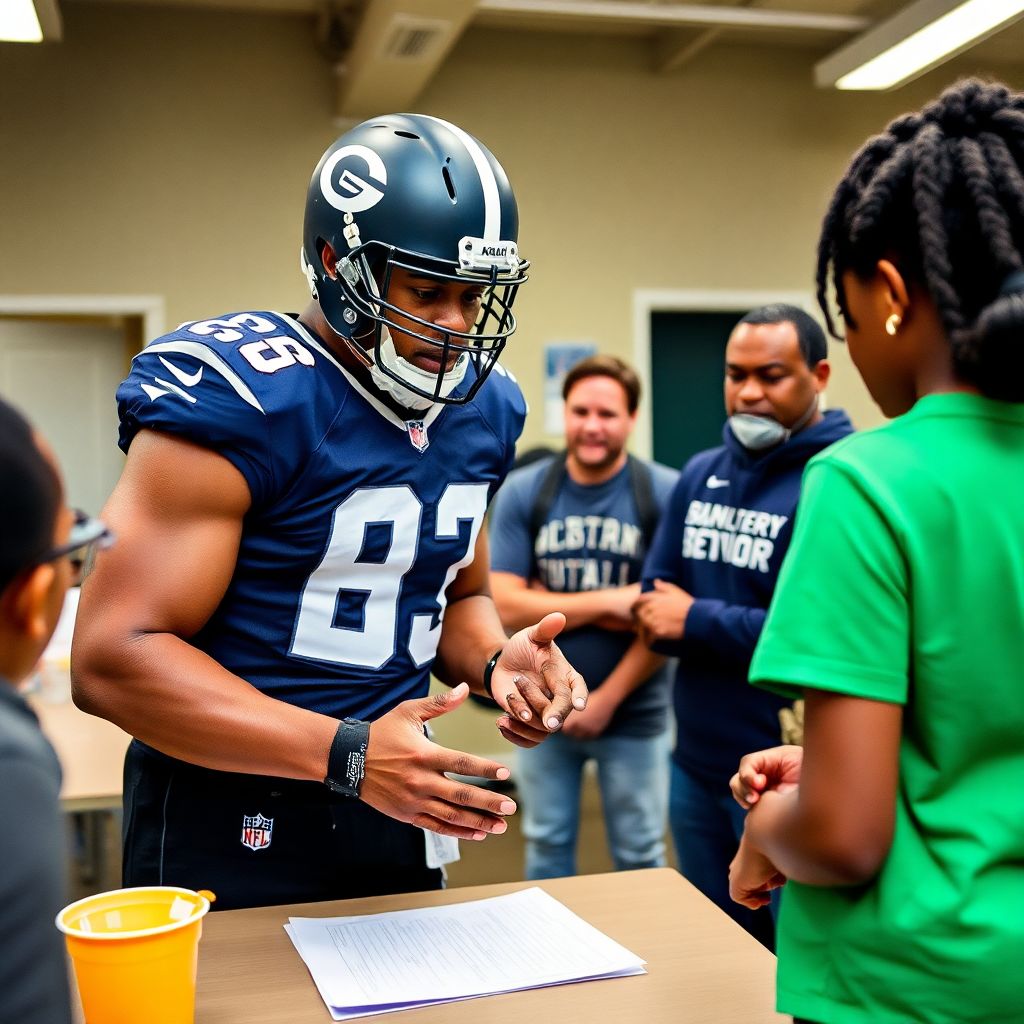
NFL players give back best by focusing on one or two clear causes, partnering with trusted local organizations, and using their platform for sustainable programs instead of one-off photo ops. Start small, protect your legal and tax status, measure impact, and prioritize community leadership over personal branding.
Core Principles of Athlete-Led Community Work
- Choose one focused issue (youth sports, education, food security, etc.) that connects to your story and city.
- Let credible community partners lead program design; you provide platform, resources, and consistency.
- Protect yourself legally and financially before launching events, foundations, or fundraising campaigns.
- Favor recurring programs over single events so impact builds season after season.
- Track simple, concrete metrics instead of vague feel-good outcomes.
- Communicate transparently about money flows, partners, and results to avoid reputational risk.
- Plan for leadership transitions so work continues even if you change teams or retire.
Mapping Community Needs: Research, Stakeholders, and Priority Setting
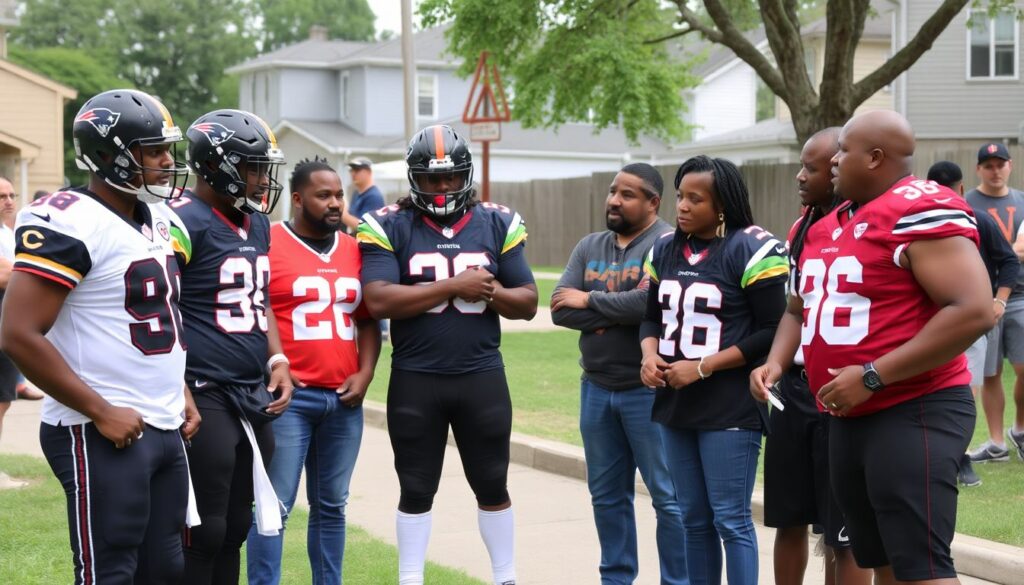
This approach is right for players who want to move beyond casual appearances into structured, long-term NFL community outreach programs near me and in their own markets. It suits players willing to listen first, share power with local leaders, and commit at least one to two years to a cause.
It is not a fit if you only want visibility on social media, cannot reliably commit time during and after the season, or are uncomfortable with oversight on where money goes. In those cases, consider simply supporting existing charities instead of running your own efforts.
To map needs safely and effectively:
- Talk to local experts: school principals, youth coaches, social workers, and credible nonprofits already serving your neighborhoods.
- Attend a few meetings and community events as a learner, not as the center of attention.
- Ask what already works, what is missing, and how a player’s platform could help without duplicating services.
- List 3-5 possible focus areas, then narrow to one primary and one backup issue after comparing urgency, feasibility, and personal connection.
Designing Sustainable Programs: Goals, Timelines, and Exit Strategies
To design something that lasts, you will need a small core team and basic tools rather than a huge staff. At minimum, line up: a lawyer with nonprofit or charity experience, a tax professional, and an experienced community partner or program manager.
Set up simple infrastructure first:
- Dedicated email and calendar for community work.
- Basic cloud storage for documents, budgets, and reports.
- One central list with partners, contacts, and commitments.
Then define:
- Clear goals for 12-24 months (for example, number of youth served, meals provided, or scholarships funded).
- Seasonal timelines (in-season, offseason, bye week activities).
- An exit or transition plan: who runs the work if you are traded, injured, or retire, and how funding continues.
Funding Models: Foundations, Grants, Sponsorships, and Personal Giving
Before choosing any funding model, be aware of these risks and constraints:
- Running your own foundation requires compliance work; mishandled nfl player foundation donations can trigger legal, tax, and reputational problems.
- Corporate sponsors may expect visibility or control that conflicts with your values or team rules.
- Grant funding may not renew, so programs built entirely on grants can collapse quickly.
- Personally funding everything can create pressure on your finances and expectations from others.
- Tickets, memorabilia, and appearances still generate taxable and contractual implications; clear it with your team and advisors.
Use this sequence to choose and structure funding safely:
- Clarify your giving goals and capacity. Decide how much time, money, and public visibility you are realistically willing to commit for at least one to two seasons. Write down a simple annual budget range for donations, events, and staff or consultant support.
- Start by supporting existing organizations. Before forming anything new, route early nfl player foundation donations through established nonprofits with strong governance. Ask them what is more helpful: direct cash, media support, or appearances at their events.
- Evaluate whether you need your own foundation. With your attorney and accountant, compare options: donor-advised fund, fiscally sponsored project, or a standalone nonprofit. A donor-advised fund can mimic a foundation’s feel with much less compliance risk and overhead.
- Structure sponsorships and events carefully. If you are exploring how to sponsor nfl charity events or arrange nfl player autograph signings for charity, require written agreements that specify: use of your name and image, beneficiary organizations, cost coverage, and how proceeds are tracked and reported.
- Use tickets and experiences strategically. For nfl players charity events tickets, decide early who receives them (youth groups, teachers, first responders, etc.) and work with your team’s community relations staff so distribution is transparent, documented, and aligned with league and club policies.
- Build a simple, transparent reporting rhythm. After each event or campaign, publish or share a short summary: amount raised, where it went, partner organizations, and results. This protects your reputation and makes future fundraising easier.
Volunteerism and Team Engagement: Mobilizing Players, Coaches, and Fans
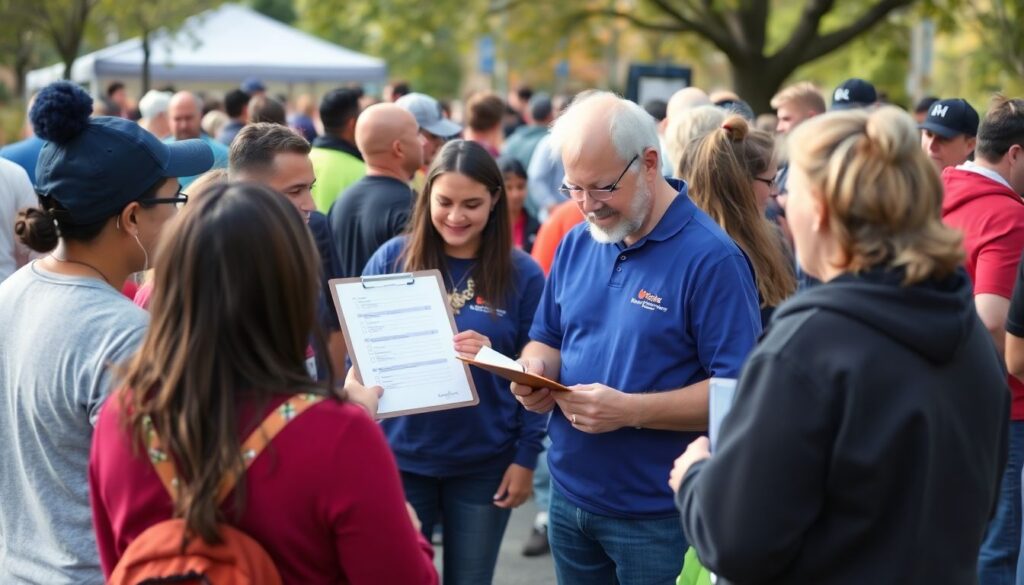
Use this checklist to confirm that your volunteer and engagement model is working and safe:
- Each event has a clear lead organizer (not the player) and written roles for staff and volunteers.
- Background checks and supervision are in place for anyone working with kids or vulnerable populations.
- Coaches, teammates, or alumni are invited with clear expectations, not last-minute asks.
- Fans know exactly how to participate: donate, attend, or volunteer, without confusing or aggressive pressure.
- Transportation, food, and security are coordinated with your team or venue when needed.
- Media access is controlled so community members are not exploited or overexposed.
- Post-event debriefs capture what went well, what felt unsafe, and what should change next time.
- Photos and stories shared publicly respect privacy and dignity, especially for children and families.
- Volunteers are thanked promptly, and the impact of their time is communicated within a week.
Measuring Impact: KPIs, Data Collection, and Transparent Reporting
Common mistakes in measuring and communicating impact include:
- Tracking only vanity metrics (followers, impressions) instead of real-world outcomes like time spent with youth or resources delivered.
- Collecting personal data (names, photos, stories) without clear consent or secure storage.
- Making promises publicly about scholarships, facilities, or programs before funding is secured.
- Reporting money raised but not explaining where it went or what changed as a result.
- Trying to measure too many things, leading to inconsistent or unreliable numbers.
- Ignoring feedback from community partners or participants when data contradicts a feel-good narrative.
- Relying on a single person to handle all data, which creates errors and burnout.
- Failing to separate what your program achieved from what partners were already doing without you.
Legal, Ethical, and Reputation Risks: Compliance, Safeguards, and Crisis Plans
There are safer alternatives when running your own foundation or events feels too risky or heavy:
- Partner-led programs: Work through established nonprofits that already manage compliance, letting you focus on appearances, mentoring, or awareness rather than administration.
- Team and league initiatives: Join existing club or league campaigns, which often include nfl community outreach programs near me and in your city, so legal, insurance, and logistics are handled centrally.
- Donor-advised funds and pooled giving: Channel your philanthropy through managed charitable funds that handle receipts, vetting, and distributions on your behalf.
- Quiet, direct support: Make private contributions to families, schools, or local groups through trusted intermediaries when public attention could cause harm or unwanted pressure.
Practical Questions from Players and Program Organizers
Do I need my own nonprofit foundation to start giving back?
No. You can start by supporting existing organizations, using a donor-advised fund, or partnering with your team’s community relations department. Only consider a standalone foundation if you have long-term plans, strong advisors, and capacity for legal and financial oversight.
How can I safely run autograph signings and appearances for charity?
For nfl player autograph signings for charity, insist on a written agreement that lists the benefiting nonprofit, exactly how funds will be handled, who covers expenses, and how your name and likeness are used. Clear everything with your agent, team, and legal counsel first.
What is the best way to handle tickets for community members?
When dealing with nfl players charity events tickets, route allocations through trusted partners such as schools, youth programs, or community centers. Use simple eligibility criteria and keep a record of distributions to avoid favoritism claims or misuse.
How do I know which local organizations to trust?
Look for groups with a track record, transparent finances, and strong references from community leaders. Visit programs in person, ask how they measure impact, and start small before committing large donations or co-branded events.
What should I measure to prove our community work is effective?
Pick a handful of practical indicators tied to your goals, such as number of youth mentored, hours of programming, or resources provided. Combine basic numbers with short testimonials from participants and partners, then share concise summaries after each season.
How can a small business or fan sponsor my charity events?
If people ask how to sponsor nfl charity events you are involved in, direct them to a vetted nonprofit or your official foundation page. Use simple sponsorship tiers, written agreements, and clear rules about logos, marketing, and hospitality to avoid confusion or conflicts.
What happens to my programs if I am traded or injured?
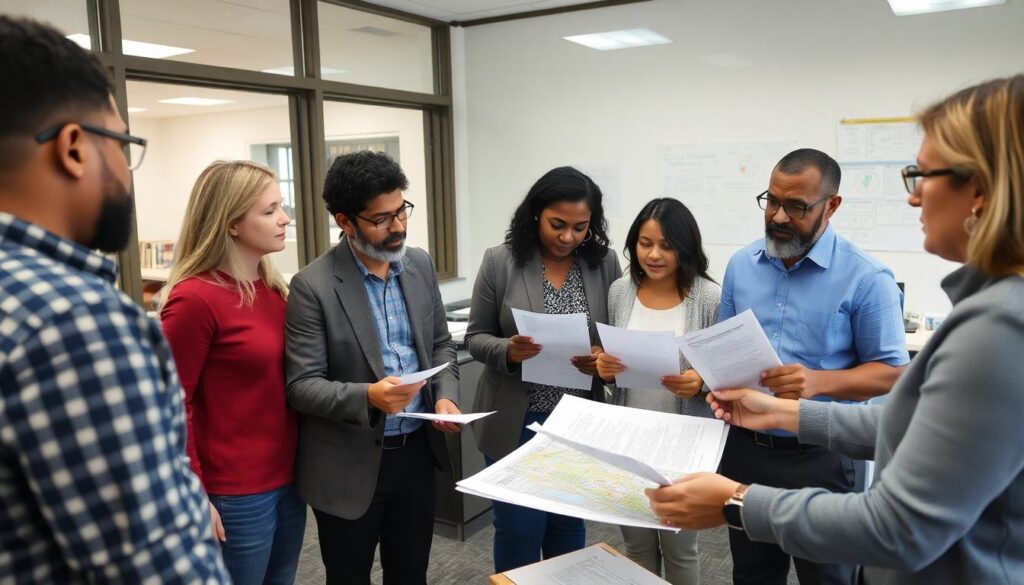
Plan for this from the start by naming a non-player program lead, building strong local partnerships, and documenting processes. Decide in advance whether programs stay in the city, move with you, or split, and communicate clearly with partners about any transition.