
Dual-threat quarterbacks in college football are passers who are also designed rushing threats, forcing defenses to defend all 11 players. Their rise reflects spread offenses, option concepts, and evolving athlete development. For the NFL, this trend brings both opportunity-explosive, flexible offenses-and constraints around durability, scheme fit, and more complex evaluation.
Why Dual-Threat Quarterbacks Are Reshaping Talent Evaluation
- College systems now build around QB mobility, not just arm talent, redefining baseline expectations.
- Defenses must allocate an extra run fitter to the quarterback, changing spacing and coverage math.
- QB development pipelines and dual threat quarterback training programs emphasize movement, RPOs, and quick processing.
- Scouts weigh rushing value against durability and the need to translate to pro-style passing concepts.
- Front offices adapt roster construction, depth charts, and playcalling to protect mobile passers.
- Data tracking for designed runs, hits, and scramble efficiency enters standard QB grading models.
How College Systems Cultivate Mobility and Decision-Making
In modern college football, a dual-threat QB is developed as a primary runner and passer from day one. Offensive systems intentionally pair quarterback runs with simplified reads, spreading the field horizontally to isolate defenders and reward mobility. The quarterback’s legs become a core feature, not an emergency option.
This starts in recruiting. Staffs prioritize high school quarterbacks who already play in spread or option-heavy systems and sit high in various college football dual threat QB rankings. Once on campus, they are immersed in movement-focused footwork, off-platform throwing, and decision-making tied to post-snap reads rather than long, full-field progressions.
Dedicated dual threat quarterback training programs often mirror this philosophy. They blend classic quarterback work (mechanics, coverage ID, timing) with acceleration training, slide and out-of-bounds habits, and impact management to reduce unnecessary hits. The safest programs explicitly coach “win, then avoid” instead of “win through contact.”
Mentally, coaches narrow the menu early: packaged plays, RPOs, and option reads that ask for quick binary decisions rather than dense playbooks. Over time, they layer in more complex protections and route concepts. The ceiling is a quarterback who can process at NFL speed while retaining the explosive run threat that stressed college defenses.
Offensive Schemes That Maximize Dual-Threat Value
Offensive structures evolve to turn mobility into a reliable, sustainable edge rather than a freelanced scramble habit.
- Zone read and midline concepts: The QB reads an unblocked defender to decide whether to hand off or keep, turning one blocker into two threats.
- RPO (run-pass option) packages: Post-snap decisions based on second- or third-level defenders, letting the QB choose between run, quick throw, or sometimes a keeper.
- Designed QB power and counter: Running back becomes a lead blocker, and the QB follows pulling guards, especially in short yardage and red zone situations.
- Empty formations with QB draw: Defenses spread out to cover five receivers, then the QB exploits light boxes on delayed draws.
- Bootlegs and sprint-outs: Move the launch point to protect the QB and stress flat and curl defenders with pass-run conflicts on the perimeter.
- Tempo and packaged screens: High tempo plus perimeter screens punish defenses that overcommit inside to the QB run threat.
- Option-based red zone menus: Speed option, shovel option, and QB counters increase touchdown efficiency where space is tight.
When well-managed, these schemes protect the QB by defining where contact occurs and building in “get down” or throwaway answers on most plays.
Quantifying Impact: Key College Metrics and Trends
Coaches and scouts increasingly lean on specific metrics to separate healthy, sustainable dual-threat usage from reckless overexposure. These numbers also inform dual threat quarterback scouting reports NFL teams build each draft cycle.
| Metric or Outcome | College Context and Emphasis | NFL Context and Concerns |
|---|---|---|
| Designed QB rush attempts per game | High volume is often celebrated as a core identity and recruiting tool. | Teams watch for overuse, wear-and-tear, and whether usage must drop sharply to protect the QB. |
| Scramble efficiency (yards and EPA per scramble) | Strong indicator of athleticism and playmaking against varied college defenses. | Valued if scrambles occur within structure, not at the expense of open receivers. |
| Hit count and contact type | Less systematically tracked; often overshadowed by highlights. | Closely charted to differentiate slides/out-of-bounds from direct, high-speed collisions. |
| Explosive plays (20+ yard runs) | Key selling point in college game-planning and media narratives. | Useful but secondary to consistent down-to-down decision-making and ball security. |
| Third-down and red zone performance | Run-pass threat can bail out subpar protection or route concepts. | Must scale against tighter windows, faster defenders, and more complex coverage. |
On campus, these metrics guide how offenses are built and how players are marketed. For evaluators building dual threat quarterback scouting reports NFL front offices will trust, they offer early red flags: too many designed hits, overly run-dependent efficiency, or limited passing success outside spread-heavy looks.
This is why some best dual threat QBs NFL draft prospects look dominant in college but get tagged as “system-dependent” during the draft process. The underlying question is not just “How good is he now?” but “Which parts of his production will survive in a different ecosystem with fewer freebies?”
Assessing NFL Translateability: Tools and Pitfalls
Translating college success into pro value requires a structured view of tools and risks. Many QB coaching camps for dual threat quarterbacks now include classroom segments on pro protections, hot routes, and coverage rotations specifically to narrow this gap safely.
Core Advantages That Can Translate
- Leverage over defenses: Forcing defenses to allocate a QB spy or extra box defender creates favorable matchups outside.
- Built-in pressure answers: Mobility turns some blitzes into explosive plays rather than drive-killing sacks.
- Condensed playbook flexibility: Offenses can run a smaller, more effective menu that leverages QB movement and strain on edge defenders.
- Red zone and short-yardage efficiency: QB runs reduce the defense’s numbers advantage near the goal line.
- Higher ceiling for second-reaction plays: Off-platform throws and scrambles extend drives when initial concepts are covered.
Constraints and Risk Factors at the NFL Level
- Durability and workload management: NFL defenders are faster and hit harder; sustainable usage demands strict limits on direct-contact runs.
- Processing demands: Defenses disguise coverages more; late triggers that worked in college can become turnovers.
- Reduced athletic advantage: A quarterback who was the best athlete on the field in college is merely “above average” against NFL speed.
- Scheme dependence: Some college systems do not teach full-field reads or traditional under-center play-action, narrowing early-career flexibility.
- Cap and roster implications: Injury risk to a franchise QB forces teams to spend more on backup QBs and adjust practice reps cautiously.
Safe NFL projection means emphasizing passing traits-accuracy, timing, coverage recognition-while using the run game as a complement rather than a crutch.
Combine, Pro Days and Measurables: What Scouts Prioritize
Pre-draft events shape how dual-threat quarterbacks are framed to the league. They can either confirm that a player is a quarterback first who also runs, or a runner who happens to throw.
- Overvaluing straight-line speed: A blazing forty matters less than functional quickness, pocket movement, and the ability to avoid square hits.
- Ignoring throwing from the pocket: Pro days that showcase only rollouts and deep shots can mask flaws in timing, rhythm, and intermediate accuracy.
- Scripted “hero” workouts: Overly choreographed sessions may reduce risk on the day but give little insight into real decision-making under stress.
- Downplaying medical and workload history: A clean current bill of health can hide long-term effects of heavy college rushing usage.
- Assuming mechanics will easily clean up: Off-platform talent is great, but unsafe lower-body habits can undermine consistency against NFL windows.
- Overreacting to one test or drill: Vertical jump or shuttle numbers are helpful, but poor board work or interview answers on protections can be bigger flags.
For safety-conscious teams, the focus is on how the QB wins: controlled movement, disciplined slides, and mental poise matter more than eye-catching raw times.
Organizational Responses: Coaching, Rostering and Playcalling Shifts
Franchises that embrace dual-threat QBs are making structural changes, not just tweaking playbooks. They also add guardrails to avoid exposing their most important player to unnecessary risk.
Consider a team that drafts one of the best dual threat QBs NFL draft prospects. The front office and staff might implement a plan like this:
- Coaching: Assign a coordinator and QB coach with spread and option experience, while also hiring a pass-game specialist to accelerate NFL-read development.
- Roster building: Carry three QBs on the active roster and prioritize versatile tight ends who can block on QB runs or flex out for mismatches.
- Playcalling: Use designed QB runs most heavily in high-leverage situations (third down, red zone, playoffs), not as a base-down staple.
- Practice habits: Emphasize “no unnecessary hits” in team drills, with coaches stopping plays if the QB misses a slide or escape lane.
- Season-long workload tracking: Chart every QB hit by type (scramble, designed run, sack, late hit) and adjust the call sheet when totals rise.
In pseudo-plan form, a safe usage model might look like:
// weekly dual-threat QB safety script (conceptual)
if (QB_hits > threshold) {
    reduce designed runs by 30%;
    increase quick game and RPO tags;
    emphasize protection checks in install;
    add extra slide/escape reps in indy period;
}
College staffs take a similar approach, though often with less organizational depth. The most forward-thinking programs and QB coaching camps for dual threat quarterbacks now teach career longevity: when to protect yourself, how to communicate hits to staff, and how to adapt play style as defenses adjust.
Self-Check: Safe, Realistic Expectations for Dual-Threat QBs
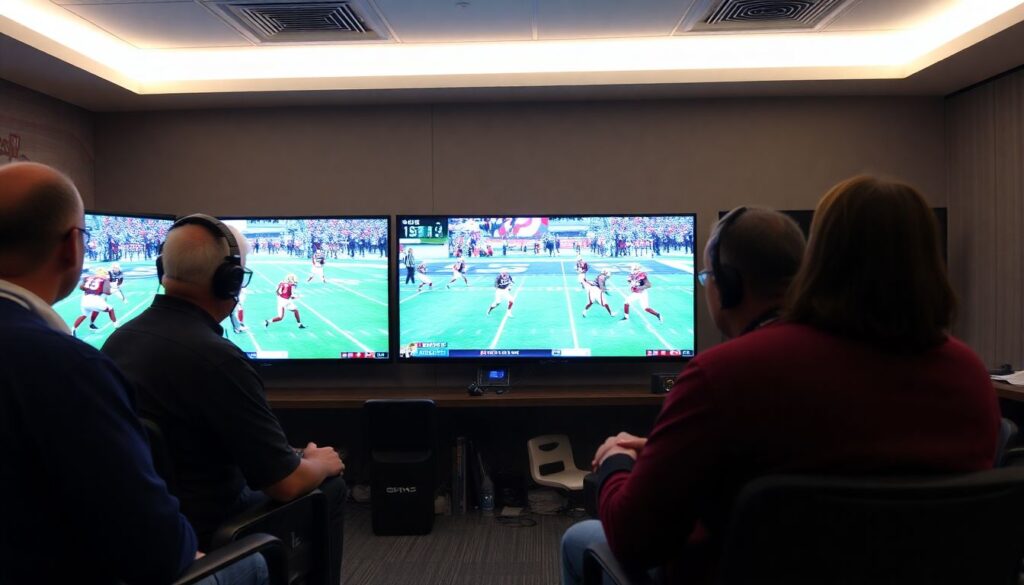
- Have you evaluated whether the QB’s college production relies more on legs than on translatable passing traits?
- Is there a clear plan to cap designed QB runs while preserving situational advantages?
- Are hit counts and contact types being tracked and used to modify weekly game plans?
- Do off-season plans include both skill development and education on avoiding unnecessary contact?
- Is organizational depth (backup QB, flexible weapons) aligned with the chosen offensive identity?
Practical Clarifications and Common Misconceptions
Does a dual-threat quarterback have to be a primary runner to count as “dual-threat”?
No. The core requirement is credible designed-run and scramble value that changes defensive behavior. A quarterback can run relatively infrequently and still be dual-threat if defenses must account for his legs on every snap.
Are dual-threat QBs more likely to be injured than pocket passers?
They can be, but risk is highly usage-dependent. Heavy designed-run volume and unnecessary contact raise danger; disciplined sliding, boundary escapes, and conservative playcalling on early downs reduce it significantly.
Do college football dual threat QB rankings predict NFL success accurately?
Not reliably. Those rankings often weigh college production and highlight plays more than pro-style processing, accuracy under pressure, and system translateability. They are useful context, not a draft board.
Can mechanics built in dual threat quarterback training programs hurt pocket performance?
They can, if movement drills encourage off-balance throws without also reinforcing base, sequencing, and timing. Balanced programs pair creative movement work with strict pocket-footwork standards.
Is it safer for NFL teams to force dual-threat QBs to stay in the pocket?
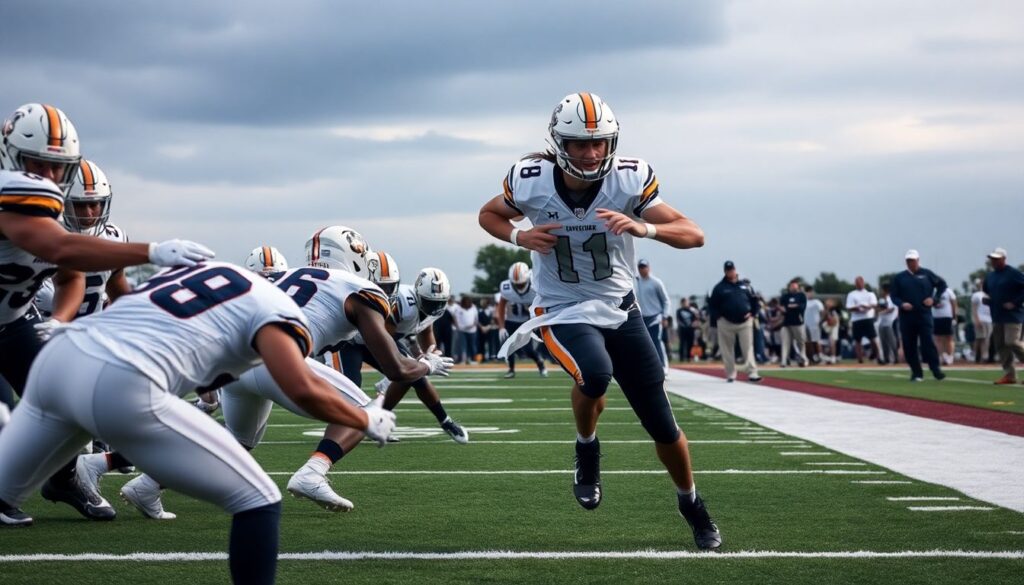
Not entirely. Removing designed movement can strip away one of their best protections: the ability to escape and punish pressure. The goal is managed, situational running, not a complete ban.
Do QB coaching camps for dual threat quarterbacks try to turn them into traditional pocket passers?
The better camps aim to expand the toolbox, not replace it. They emphasize reading coverages, timing routes, and protection control while preserving the mobility that made the QB dangerous in the first place.
Why do some highly productive college runners slide down dual threat quarterback scouting reports NFL teams build?
Production alone is not enough. Concerns about durability, narrow scheme fit, and inconsistent processing against complex coverages often push such prospects below more refined, even if less flashy, passers.