
Social media is shifting player brands from being controlled mainly by teams and broadcasters to being built in real time by athletes themselves. It creates direct fan access, new sponsorship income and constant visibility, but also fragile reputations. Safe progress means clear boundaries, simple rules, and consistent, low‑risk content habits across all platforms.
How Social Media Redefines Athlete Brand Identity
- Player brands now grow through daily posts, not just game performance and traditional media.
- Athlete personal branding on social media mixes sport, lifestyle and values into one public identity.
- Direct publishing power helps players correct narratives and speak without media filters.
- Every post can attract sponsors or trigger online backlash within minutes.
- Long careers require safe, repeatable content systems, not only viral moments.
Direct-to-Fan Narratives: Athletes Controlling Their Story
What direct-to-fan really means today
Direct-to-fan narratives are stories athletes tell straight to audiences on platforms like Instagram, TikTok, X, and YouTube, without journalists or team PR as gatekeepers. These stories mix performance, behind-the-scenes life, training, recovery, and personal causes into a continuous, public storyline.
Instead of waiting for post-game interviews, players share their own angles: how they felt, what they learned, what comes next. This is the core of athlete personal branding on social media: a player becomes a continuous publisher, not just a name on a stat sheet or jersey.
Boundaries between player, person and product
Strong player brands keep a clear separation between what stays private and what becomes content. For example, an athlete might show training, family-friendly moments and community work, but keep romantic relationships or detailed family conflicts off camera. Healthy boundaries prevent burnout and reputation risk.
Teams and agents should help players write down simple red lines: no live posting when angry or intoxicated, avoid arguments in comments, and never share medical, contract or teammate information without approval.
Examples of narrative control in practice
High-profile athletes use social platforms to explain injuries in their own words, clarify transfers or trades, or speak about mental health when rumors spread. Instead of “no comment”, they publish short, calm videos or notes that set facts and tone before speculation can grow.
This is also where online reputation management for sports players begins: respond slowly, factually and on your own terms, instead of debating every critic in real time.
Low-risk content formats for safer storytelling
Safer direct-to-fan content focuses on evergreen, non-controversial topics: training routines, game preparation, recovery habits, community initiatives, fan Q&A about skills, and gratitude posts. These formats support long-term brand trust and make it easier for sponsors to associate with a player.
Players can keep a simple weekly content outline so they are not improvising under pressure: for example, one training post, one team-related post, one personal interest post and one community or sponsor mention.
Performance Visibility: Metrics, Highlights and Public Scrutiny
How performance is amplified online
- Instant highlight circulation – Clips of great plays, mistakes and emotional reactions appear online within minutes. Fans see not just final scores but micro-moments that shape perceptions of effort, leadership and attitude.
- Public stats and analytics – Advanced metrics and breakdown videos circulate widely, giving fans and brands a constant scoreboard of who is trending up or down in performance and impact.
- Fan commentary as part of the story – Comment sections, quote tweets and fan edits create a second layer of narrative around a player: hardworking, lazy, clutch, selfish, inspiring, or inconsistent.
- Body language and sideline behavior – Cameras and phones catch reactions on the bench, during national anthems, or in tunnels. These moments can help or hurt a player’s image as a teammate and professional.
- Comparisons across leagues and eras – Social media constantly compares players with peers worldwide, as well as legendary names. This can boost lesser-known athletes but also fuel unrealistic expectations.
- Performance linked to personal brand claims – When a player talks like a leader but shows poor effort on film, the gap damages credibility. When content and on-field work align, it creates a powerful brand of authenticity.
Safe practices around performance content
A basic sports marketing social media strategy for athletes is to let game film and highlights speak first, then add short captions focusing on lessons, gratitude, and team goals. Criticizing coaches, teammates, referees or fans almost always backfires and can affect contracts and endorsements.
Players should avoid posting emotional reactions immediately after big wins or losses; a short cooling-off period reduces the risk of framing opponents or officials in a disrespectful way.
Commercial Leverage: Sponsorships, Microdeals and Platform Monetization
Where brand value becomes revenue
Player brands on social media turn into income through sponsorships, small one-off deals (microdeals), and platform tools like creator funds, live streams, and subscriptions. Even role players can earn if they build a focused, trusted niche audience around training, fashion, gaming or community work.
Teams and agents should connect commercial plans to brand positioning: a player known for discipline and preparation fits performance products better than controversial nightlife promotions.
Common deal types for modern athletes
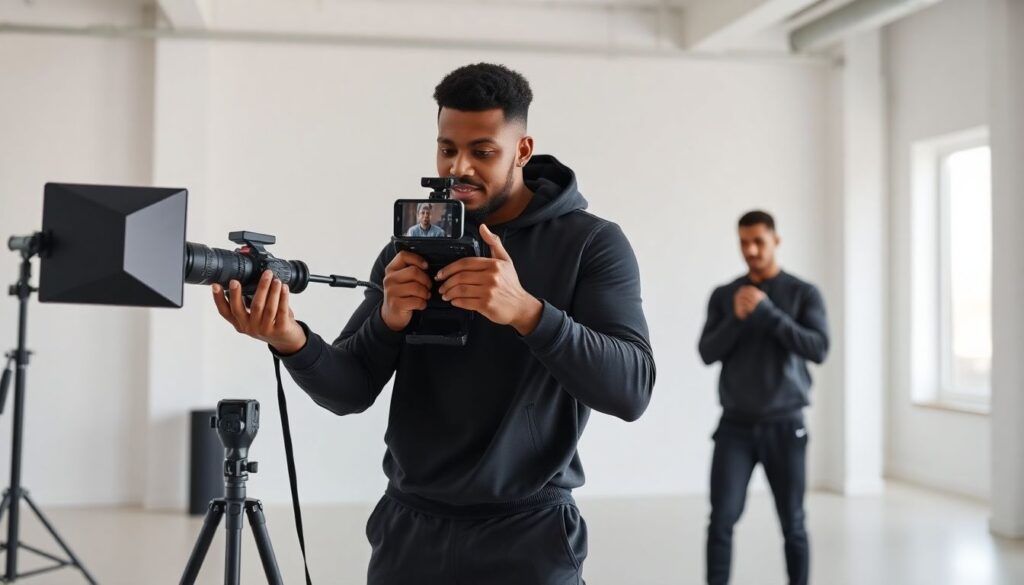
- Long-term endorsements – Multi-season deals with apparel, equipment, nutrition or lifestyle brands tied to regular content, appearances and sometimes performance bonuses.
- Short social campaigns – Limited runs around new product launches, events or cause campaigns, often executed through Instagram Reels or TikTok videos.
- Affiliate and discount codes – Players earn commission on sales generated through trackable links or codes, especially effective for niche audiences.
- Platform-side monetization – Income from YouTube ads, TikTok creator funds, live streaming gifts or subscriber-only content for the most engaged fans.
- Joint content with teams or leagues – Co-branded pieces where club and player both benefit, such as behind-the-scenes episodes or sponsored community stories.
Safe rules for sponsored content
To protect trust, athletes should promote only products they actually use or understand, clearly label paid posts, and avoid categories that conflict with their league’s rules or personal values. This protects both legal compliance and audience credibility.
Good social media management services for professional athletes insist on written approval processes, compliance checks and brand fit reviews before anything goes live on a player’s accounts.
Platform choice and income stability
Depending only on one platform or one sponsor is risky: algorithms change and contracts end. Safer strategies include distributing content across Instagram, TikTok and YouTube, and diversifying deals over different categories and timeframes.
Agents and managers should treat platform revenue as a bonus, not a guaranteed salary, and encourage athletes to invest in skills and projects that can last beyond peak playing years.
Reputation Risk: Crisis Dynamics and Rapid Backlash
Upside of visibility and direct access
- Players can correct misinformation quickly with direct statements instead of filtered press quotes.
- Positive stories – charity work, leadership, resilience – can spread rapidly and rebalance a narrative after a bad game or negative headline.
- Thoughtful apologies and accountability messages can shorten crises when mistakes happen.
- Consistent, respectful behavior online builds goodwill that helps fans and sponsors give athletes the benefit of the doubt.
Downside and limits of social crisis response
- Old posts and likes can resurface years later, creating new scrutiny or disciplinary issues.
- Angry replies or late-night posts often become screenshots that outlive any later apology or deletion.
- Not every issue should be handled in public: legal or sensitive matters may require silence and formal statements.
- Apologies that center the player’s feelings instead of impact on others can make backlash worse.
Simple crisis playbook for athletes
A practical rule is to pause posting immediately when controversy starts, alert the team or agent, and review facts before reacting. When a response is needed, one clear, calm message is usually safer than a long thread or multiple edits.
Online reputation management for sports players works best when there is a pre-agreed process: who drafts, who approves, and where the final message will appear.
Cross-Platform Strategies: Content Types and Audience Segmentation
Typical mistakes in multi-platform branding
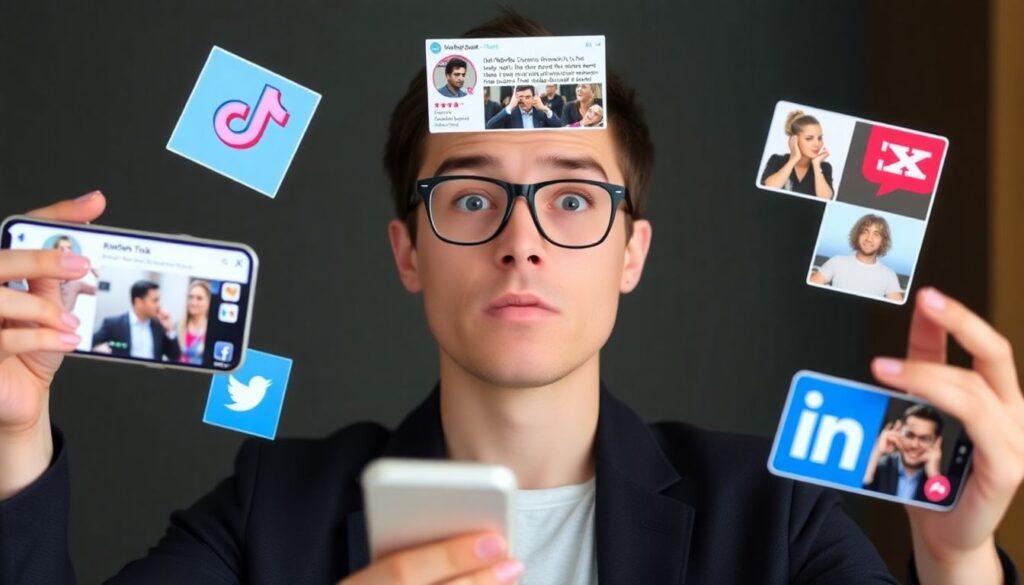
- Copy-pasting the same post everywhere – Each platform has its own culture: what feels natural on TikTok can look unprofessional on LinkedIn or outdated on X.
- Ignoring core audiences – Young fans may live on TikTok, while sponsors and media staff watch more closely on Instagram and LinkedIn. Treating them as one crowd weakens messaging.
- Overposting during games and underposting between them – Flooding timelines with live reactions but going silent for weeks creates emotional whiplash and inconsistent brand presence.
- Confusing personal and team accounts – Mixing official team announcements with personal opinions can blur roles and cause issues with club PR policies.
- Chasing trends that do not fit the player – Joining every meme or challenge can look forced, and sometimes conflicts with a serious, professional image.
Simple segmentation approach for safer growth
A practical sports marketing social media strategy for athletes is to give each platform a clear role. For example, Instagram for polished photos and sponsor content, TikTok for light, fun clips and skills, X for short career updates, and YouTube for deeper storytelling.
When planning how to build an athlete brand on Instagram and TikTok, think in themes: game week preparation, skill tutorials, fashion or hobbies, family-friendly moments, and community or charity. This keeps content predictable and makes mistakes less likely.
Lightweight content system any player can follow
Instead of posting randomly, athletes can set a simple weekly rhythm: one performance-related post, one personality-driven post, one community or values piece, and one sponsor or partner integration. This gives fans consistency and reassures brands.
Managers should regularly review posts across platforms to check that tone, visuals and key messages align with the overall brand story and club expectations.
Long-Term Brand Architecture: From Viral Moments to Legacy
Why short-term hype is not enough
Viral clips and breakout seasons can launch a player into visibility, but lasting brands are built on consistent character, clear values, and repeatable contributions on and off the field. Long careers include injuries, slumps and transfers; brand architecture is the framework that holds identity together through those changes.
Safe brand building focuses on traits that age well: work ethic, resilience, leadership, respect for opponents, and community impact, rather than shock value or constant controversy.
Mini-case: structuring a stable player brand
Imagine a young defender who wants to be known for intelligence and professionalism rather than flash. Their content pillars might be:
- Weekly posts breaking down a key play, explaining positioning and decision-making.
- Regular training and recovery content highlighting discipline and preparation.
- Monthly stories about mentoring youth players or supporting local programs.
- Occasional, carefully chosen sponsor integrations that fit a “smart, reliable” image.
Even if results vary, this structured presence signals reliability to coaches, clubs and brands, and reduces dependence on unpredictable viral attention.
Simple pseudo-playbook for a safe legacy
Think of a long-term brand like a playbook:
- Define 3 adjectives you want associated with your name (for example: “disciplined, creative, respectful”).
- Choose 3-5 recurring content themes that express these traits.
- Set platform roles and posting rhythm that you can maintain during busy and quiet periods.
- Review your profiles twice a season with a trusted advisor, removing anything that no longer fits.
Quick brand safety checklist
- Before posting, ask: would I be comfortable seeing this on a news site or sponsor deck tomorrow?
- Keep a short written list of topics that are always off-limits (contracts, internal conflicts, politics if restricted, medical details).
- Share access with at least one trusted professional who can help in case of hacking or crisis.
- Schedule most content in advance so fewer posts are made in emotional, high-pressure moments.
- Update bios and pinned posts to reflect current teams, sponsors and projects clearly and accurately.
Practical Answers on Player Brand Management
How often should a professional athlete post on social media?
There is no magic number, but consistency matters more than volume. For many players, a few thoughtful posts per week across platforms are safer and more sustainable than daily improvisation. Quality, alignment with brand values, and timing around games are more important than posting every day.
Should athletes run their own accounts or hire help?
Most athletes benefit from a mix: personal control over voice and occasional posts, plus professional support for planning, sponsorships and crisis handling. Social media management services for professional athletes can filter risky ideas, handle scheduling, and ensure compliance with team and league rules.
What is the safest way to respond to online criticism?
In most cases, the safest path is not to argue publicly. Acknowledge fair criticism through improved performance and neutral updates, and ignore bad-faith attacks. Direct engagement should focus on appreciation for supporters, not debates with trolls or detailed replies to every negative comment.
Can younger players build a brand before they are stars?
Yes, but focus on process, learning and respect, not bold claims or controversy. Younger athletes should highlight training, school or academic balance, community activity and gratitude toward coaches and teammates. This sets a base reputation of maturity and coachability that helps with scouts and scholarships.
What content types do sponsors usually prefer?
Sponsors tend to like clear, brand-safe content: training sessions, lifestyle moments that match their image, product usage in natural settings, and community-related stories. They want athletes who avoid online arguments, offensive language and risky trends, and who respect basic guidelines around disclosure and exclusivity.
How can teams support safe player branding without controlling everything?
Teams can provide education, simple guidelines and access to professional advisors, while still allowing players to show personality. Regular workshops, example libraries of good posts, and fast support in potential crises help athletes feel guided rather than censored.
What should a player do if an old problematic post resurfaces?
First, avoid deleting it without comment if it has already spread; that can look evasive. A better approach is a clear, sincere statement taking responsibility, explaining growth since then, and outlining concrete steps to do better. Consult team or agent communications staff before posting.