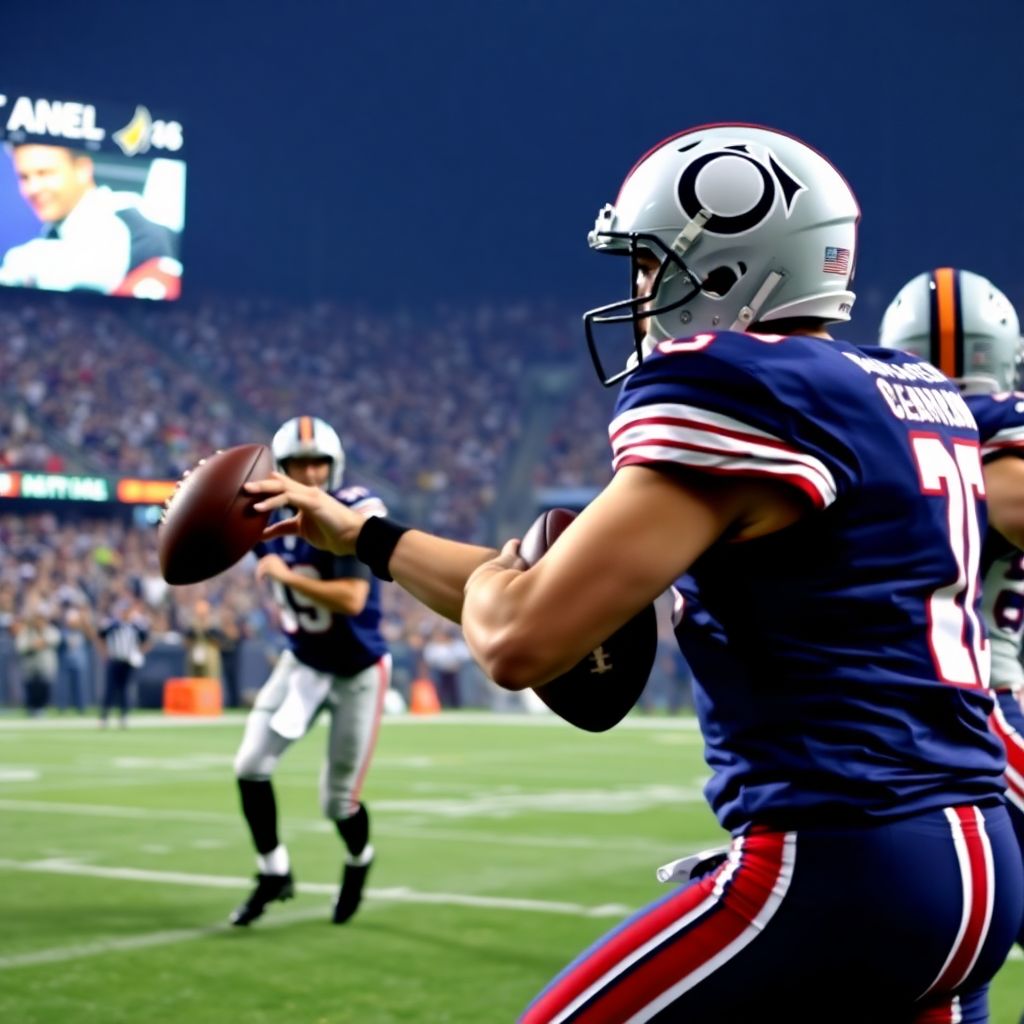
An iconic two-minute drill in NFL history is a late-game offensive drive, usually under two minutes, where a quarterback systematically moves the team in hurry-up mode to tie or win the game. What makes it iconic is precise sequencing, clock mastery, clutch decision-making, and lasting impact on fans and strategy.
Quick reference: what defines an iconic two-minute drill
- Begins with limited time, often no more than two minutes and few timeouts, in a one-score game.
- Offense operates primarily in hurry-up, spread, or shotgun looks to maximize snaps and space.
- Quarterback demonstrates command: pre-snap reads, audibles, and fast, accurate processing.
- Clock and sideline management are as important as play design or arm talent.
- Drive swings win probability dramatically and becomes a touchstone in debates about the best nfl games of all time.
- Film of the drive is repeatedly studied by coaches, players, and fans as a teaching example.
Core mechanics: sequencing a successful two-minute drive
A two-minute drill is a compressed offensive series designed to cover enough yardage for a tying or winning score before time expires. The mechanics extend beyond calling pass plays quickly; they involve a rehearsed blend of tempo, field awareness, and risk calibration that the whole unit executes on autopilot.
At its core, the sequence moves from “field-position mode” to “scoring mode.” Early snaps focus on gaining chunks while reaching the sideline or stopping the clock. Once inside realistic scoring range, play calls tighten around the quarterback’s favorite concepts against predictable coverages. The best drives resemble a scripted, modular sequence rather than pure improvisation.
Communication is streamlined. Offenses lean on a small menu of calls with built-in options. Formations are repeated so everyone can line up instantly, sometimes using one-word calls or wristband codes. When resources are limited-high-school teams without tablets or smaller colleges without deep scouting-this simplicity is an advantage: they can install 4-6 core concepts and rep them year-round, using TV copies or when they watch nfl games live online as their primary “cut-ups.”
Substitution is minimized to preserve tempo and prevent the defense from matching personnel. Receivers know automatic adjustments: convert shorter routes to seams versus soft coverage, or break off deeper routes if corners bail. Backs understand when to fight for extra yards and when to go down to allow a spike. The line knows the base protection rules and avoids procedural penalties at all costs.
For coaches or fan-students who cannot buy nfl game rewind subscription services, basic film study of historic drives-rewatching network broadcasts, pausing between plays, sketching formation and route families-still reveals the sequencing logic, even without end-zone angles or advanced data.
Sequencing checklist for coaches and students
- Define two or three “starter” calls that reliably gain 8-15 yards and manage the sideline.
- Decide clear field zones where you shift from chunk-gain mode to pure scoring mode.
- Limit the two-minute menu to concepts your QB can call, adjust, and run in his sleep.
- Practice communication: signals, code words, and fast formation alignment weekly.
- Review one historic two-minute drive per week and diagram the play sequence from TV copy.
Play selection under pressure: balancing aggression and ball security
Play selection in the two-minute drill must stretch the field without inviting disaster. The offense does not need every play to be a home run; it needs a chain of positive, clock-smart snaps. This balance is why great two-minute drives often feature the same small group of concepts repeatedly.
Intermediate in-breakers and sideline outs are staples: they are high-percentage for accurate quarterbacks and attack common soft zones in late-game prevent defenses. Quick game (slants, sticks, speed outs) is used to exploit cushions, while deeper seams and posts are called sparingly when safeties cheat aggressively to the sideline. Aggression becomes selective, not constant.
Run plays, draws, and screens are tools, not compromises. Against light boxes or wide-pass rush, a well-timed draw can steal 10-12 yards and force the defense to respect the run. Screens punish over-eager rushers and can serve as “low-risk explosives.” For resource-limited teams without deep playbooks, a handful of versatile concepts-like all-curl, smash, and a two-man seam variation-can be re-tagged to look different while remaining familiar to players.
- Prioritize concepts your QB throws best and that match your receivers’ strengths.
- Avoid slow-developing shot plays unless the coverage look is clearly favorable.
- Keep at least one safe outlet (checkdown or hitch) in most pass concepts.
- Use screens and draws occasionally to punish aggressive rush and preserve QB health.
- Tag the same core concepts into different formations to disguise intentions without overloading players.
- For teams without advanced analytics, track simple outcomes by hand: yards gained, clock impact, and turnover risk by concept.
Actionable play-calling checklist
- Identify 4-6 “green-light” concepts you trust most in a two-minute situation.
- Assign rules for when you will take a deep shot versus stick with intermediate throws.
- Build at least one screen and one draw into your two-minute package.
- Script the first three calls for typical field positions to reduce hesitation.
- Evaluate post-game whether each call maximized both yardage and ball security.
Clock and timeout strategy: squeezing seconds without gambling the game
Clock management transforms a good drive into an iconic one. The quarterback and play-caller must treat the clock, timeouts, and sideline as resources equal to play talent. Every snap should either advance the ball, stop the clock, or force the defense into a structural problem.
Typical scenario one: down by 3-7, one timeout, 1:40 on your own 25. Here, the aim is to reach the fringe of field-goal range with about 0:20-0:30 remaining and the timeout preserved. You leverage sideline routes and incompletions more than spikes, reserving the timeout for a completion inbounds in the middle of the field.
Scenario two: no timeouts, under a minute, midfield. The sideline becomes premium real estate. Inside the numbers is still viable if you call fast “get up, line, and spike” sequences. Plays are shorter and to the boundary, reducing tackle-and-chase time. Spikes are a last resort, effectively sacrificing a down to gain 10-15 seconds.
Scenario three: tied game with timeouts and a strong kicker. Now the risk profile shifts. You do not need the end zone; you need a clean, disciplined march into field-goal range without sacks or holding penalties. This often looks conservative on broadcast, but it is textbook late-game strategy found in many of the best nfl games of all time.
For youth, small college, or semi-pro programs without detailed analytics or clock-management assistants, using simple sideline charts and rehearsed “no-huddle families” can approximate NFL-level procedure. Even fans using basic DVR tools while they watch nfl games live online can pause and log how often elite teams burn or save timeouts in these situations.
Clock and timeout planning checklist
- Define clear rules for when to use your final timeout in field-goal versus touchdown hunts.
- Practice sideline throws and quick “complete, set, and spike” sequences weekly.
- Teach all skill players the hierarchy: yardage, clock, ball security-what comes first by situation.
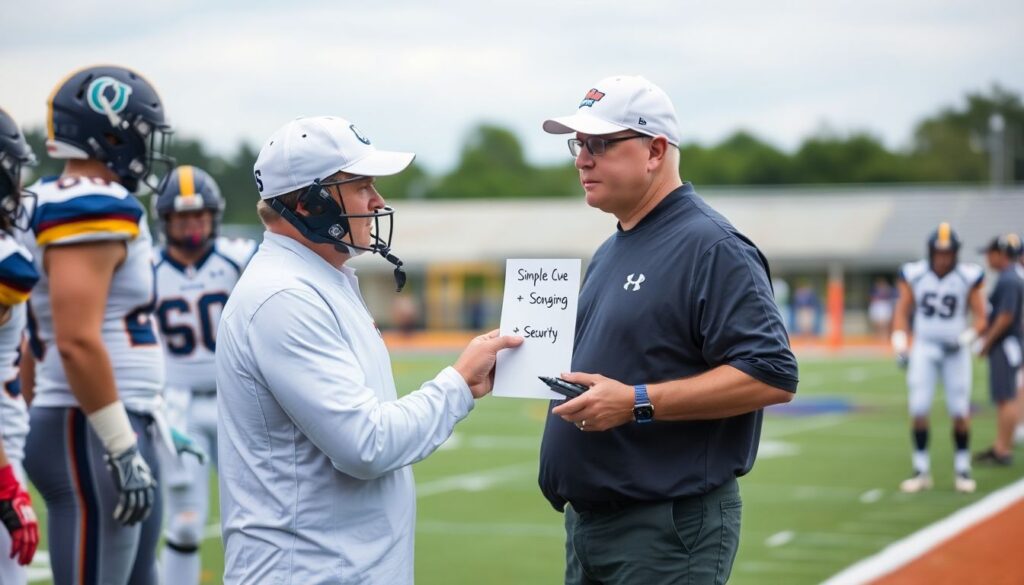
- Use simple sideline cue cards that state target yard lines and remaining time thresholds.
- Review at least one real-game two-minute clock sequence after every game you play or study.
Protection and pass-game design for hurry-up offenses
Protection is the hidden backbone of every famous two-minute drive. Even legendary quarterbacks, whose nfl jerseys of legendary quarterbacks line fan closets, cannot orchestrate miracles while constantly under siege. Hurry-up offense design aims to simplify protection while getting the ball out quickly and predictably.
Many teams favor half-slide or full-slide protections paired with hot routes: if extra rushers come from a particular side, the quarterback and receiver share a built-in answer, usually a quick slant, hitch, or seam adjust. Five-man protections allow more receivers into routes but demand faster timing and fearless pocket movement. Six- and seven-man protections reduce route options but buy time for deeper patterns.
Advantages of streamlined two-minute pass-game design include players knowing their assignments, less chance of assignment busts, and easier sideline coaching. Constraints include being somewhat predictable if you never change the launching point, and limited run threat if protections and formations always scream pass. For resource-limited teams without deep offensive lines or sophisticated scheme, quick game plus moving pockets (bootlegs, sprint-outs) can compensate for weaker pure pass protection.
Protection strengths in the two-minute drill
- Simple rules help offensive linemen play fast and reduce mental errors.
- Built-in hot routes reduce the need for complex in-play communication.
- Tempo can tire pass rushers, softening pressure late in games.
- Repetition of a few protections builds confidence and consistency.
Protection and design limitations to manage
- Over-reliance on empty or five-man protections increases hit risk on the quarterback.
- Predictable launch points invite designer blitzes from coordinators who study your tendencies.
- Lack of credible run threat can lead defenses to ignore play-action and sit on routes.
- Personnel constraints-small-school lines or thin depth-limit protection options and demand more quick game.
Pass-pro and concept design checklist
- Select 2-3 core protections you can teach thoroughly to every lineman and back.
- Pair each protection with clear hot rules and receiver adjustments.
- Include at least one moving-pocket concept to alter the QB’s launch point.
- Drill blitz pickup in two-minute settings, not just in standard period practice.
- Adapt your menu to your line’s reality-more quick game if protection talent is limited.
Defensive adjustments and offensive counters in high-leverage moments
Defenses rarely sit still in high-leverage, two-minute situations. They may toggle between soft zone and aggressive man, bluff pressure, or disguise rotations to bait hurried decisions. Understanding their likely adjustments, alongside common offensive mistakes and myths, is crucial to reading classic drives correctly.
Common error one: assuming prevent coverage is always soft and beatable outside. Modern defenses will rotate safeties late, buzz linebackers under out routes, or trap corners to steal a pick. Iconic drives often feature quarterbacks patiently taking unders and seams until a safe sideline window appears.
Common error two: believing more blitz automatically equals more sacks. Against a poised QB with answers built in, extra rushers mean extra space. Many historic, game-winning throws were hot answers against high-pressure looks. Conversely, defenses that bluff blitz and bail can make quarterbacks hold the ball, which is deadly in a two-minute drill.
Myth three: “You must always go to your star receiver.” While star players make unforgettable catches, forcing throws to them invites bracket coverage and turnovers. Great two-minute sequences show quarterbacks finding secondary options, backs on checkdowns, and tight ends on seams once the defense overcommits to the alpha target.
For under-resourced defenses without deep scouting, focusing on a small set of calls-two-man, cover-3 match, and one pressure package-can still create problems. On offense, studying late-game film through broadcast copies or even highlights associated with tickets for classic nfl rivalry games helps identify coverage patterns and likely adjustments by different coaching trees.
Typical mistakes and myths checklist
- Do not assume late-game zone coverage is passive; expect rotations and traps.
- Avoid calling blitzes without giving players clear hot-route awareness and tackling rules.
- Resist forcing the ball to your top receiver if coverage tilts heavily their way.
- On offense, always build counters to both max-drop and all-out pressure looks.
- On defense, prioritize tackling inbounds and leverage angles over risky ball-hawking.
Historic case studies: three emblematic two-minute drives dissected
Three broad archetypes capture how iconic two-minute drills unfold: the surgical field-goal march, the dramatic touchdown drive, and the underdog upset series. While specific games differ, the sequencing and decision patterns within these archetypes repeat across many of the best nfl games of all time.
Archetype 1: Surgical field-goal march. The offense starts near its own 20-30-yard line, trailing by 1-3 points. The drive consists of a chain of 8-15-yard completions, occasional checkdowns, and a single, timely sideline shot. A typical pseudo-sequence: quick out to stop the clock, seam versus soft cover-2, hitch-and-run to the boundary, middle in-breaker followed by a spike, then a safe sideline out to set the kick.
Archetype 2: Dramatic touchdown drive. Here, the team is down by 4-6 points and must reach the end zone. The quarterback mixes intermediate routes with one or two deliberately chosen deep attempts, often drawing a defensive penalty or exploiting single coverage. Clock use is tighter, timeouts are guarded, and final red-zone play calls are pre-decided, not improvised.
Archetype 3: Underdog upset. A lesser-favored team, often on the road in a hostile rivalry stadium packed by fans who bought tickets for classic nfl rivalry games, strings together a poised drive despite noise and pressure. The playbook is simpler, but execution is precise: same formation, mirrored concepts, and clear sideline communication. These drives become folklore and frequently fuel demand for nfl jerseys of legendary quarterbacks who engineered them.
Fans and young coaches without extensive resources can build a “case-study library” by using whatever they have: TV replays, highlight compilations, or even notepad breakdowns without advanced stats. You do not need to buy nfl game rewind subscription packages to extract lessons from classic two-minute drives; consistent, focused observation is the main tool.
Case-study learning checklist
- Select three historic two-minute drives and label them as field-goal march, touchdown hunt, or upset drive.
- Write down down-and-distance, time, and play type for each snap.
- Mark when the QB chose sidelines versus middle and when timeouts or spikes occurred.
- Identify the 2-3 core concepts repeated within each drive.
- Translate at least one favorite concept into your own playbook or study notes.
End-of-article self-check for understanding two-minute drills
- Can you explain how sequencing, not just play quality, defines a great two-minute drive?
- Do you know which 4-6 concepts you would trust most in your own two-minute package?
- Can you outline a basic clock and timeout plan for three different late-game scenarios?
- Are you able to identify defensive adjustments and the offensive counters they invite?
- Have you started a simple notebook or digital file to log and learn from historic drives?
Lingering tactical uncertainties about two-minute situations
How many core plays should a team carry specifically for the two-minute drill?
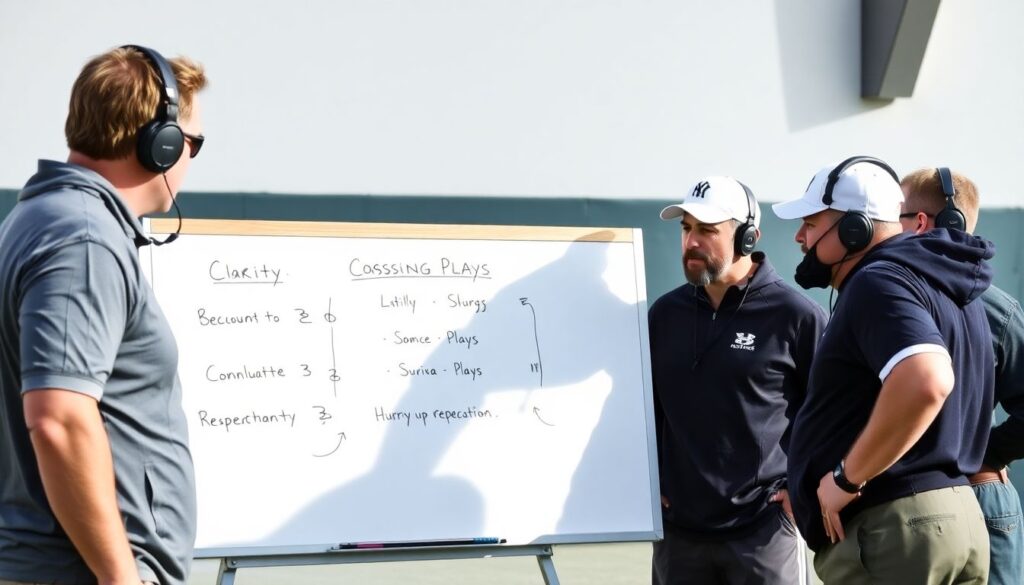
Most teams function best with a small menu: roughly four to eight core pass concepts plus a couple of screens or draws, all heavily repped. The key is depth of understanding, not volume, so that every player can execute at hurry-up tempo without confusion.
When is it smarter to play for a field goal instead of a touchdown in the final two minutes?
Score and time dictate the aim. If a field goal wins or ties and you are already in reasonable range with limited time, ball security and clock control matter more than pushing for the end zone. When you must have a touchdown, the call sheet should reflect that from the first snap.
Should offenses always avoid running the ball in a two-minute drive?
No. Runs, draws, and QB keepers can be highly effective if the defense is in light boxes or committed to deep coverage. Runs are best used with clear clock rules and often when you still have at least one timeout to protect against the clock bleeding out.
Is spiking the ball usually the right call to stop the clock?
A spike is useful but costly because it burns a down. It is best when a completion inbounds gained significant yardage with the clock under heavy pressure. Good offenses prefer completions to the sideline, timeouts, or faster lining up and calling the next play over frequent spikes.
How aggressive should defenses be with blitzes during the last two minutes?
Blitzing can create negative plays, but it also opens windows for big gains if the offense has built-in answers. Many coordinators blend occasional pressures with disguised zones, aiming to confuse reads rather than simply overwhelm protection every snap.
Can resource-limited teams realistically practice and master two-minute situations?
Yes. Short, focused weekly periods using a stripped-down menu of plays are effective. Even without technology or extensive film, basic scripts, stopwatch timing, and post-practice debriefs can build strong two-minute habits over a season.
How can fans learn from iconic two-minute drives without access to coaching film?
Fans can use broadcast replays, DVR, or streaming platforms to pause between plays, record down-and-distance, and sketch basic route concepts. Over time, patterns in sequencing, clock usage, and defensive responses become clear, even without end-zone angles or playbook details.