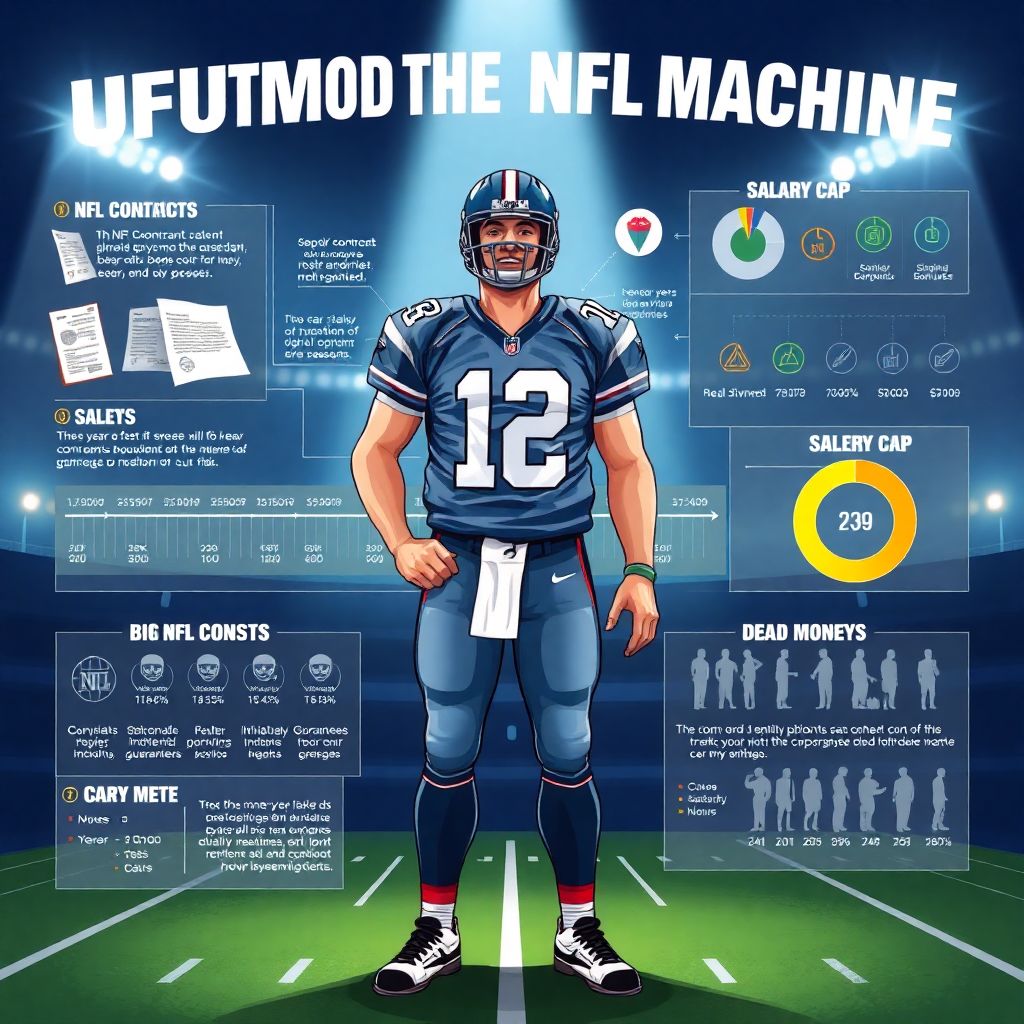
Understanding the NFL Money Machine
Off the field, the NFL is less like a video game and more like a corporate law exam. Every “X million over Y years” headline hides a web of guarantees, bonuses, and salary-cap math. To understand how NFL contracts, endorsements, and salary caps work, think in layers: what you’re promised on paper, what’s actually guaranteed, and what a team can escape from if things go bad. The business side explains why a backup with a smart deal can out-earn a reckless star. Look at Kirk Cousins early in his career: short deals, massive guarantees, and the freedom to hit the market again. That wasn’t luck; it was planning, leverage, and a deep understanding of how the system really pays.
Most fans — and too many rookies — focus on total dollars. That’s mistake number one. The real questions: What’s guaranteed? When is it paid? How easy is it for the team to cut you? If you don’t ask those three things, the “big contract” can vanish after one bad season.
Breaking Down NFL Contracts
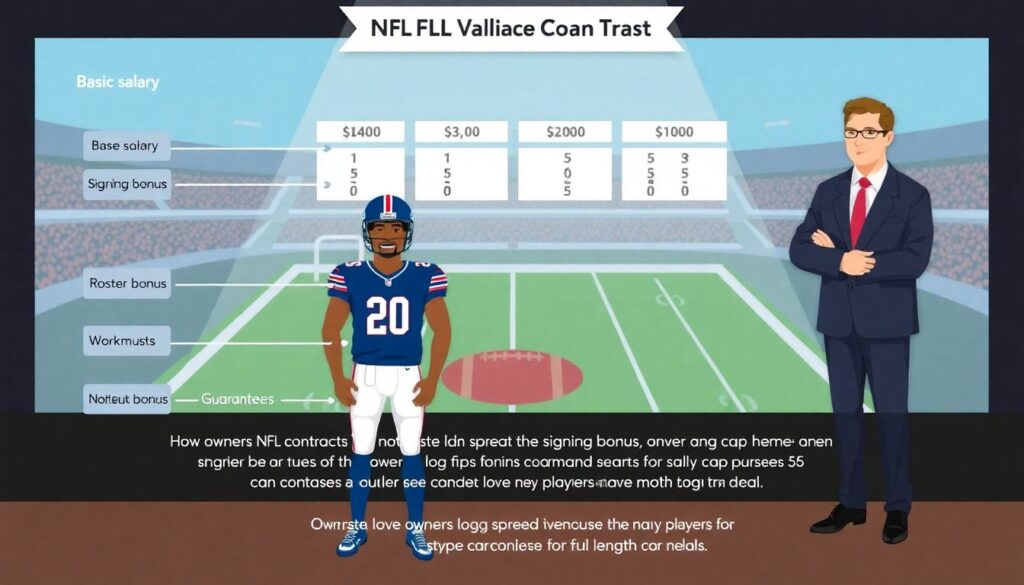
Step 1 is decoding the basic pieces. An NFL deal is usually built from base salary, signing bonus, roster bonuses, workout bonuses, incentives, and guarantees. Owners love long contracts because they spread the signing bonus over several years for cap purposes, even if they know the player may never see the final seasons. Take Patrick Mahomes’ 10‑year extension: the headline number was staggering, but the real story was how early-year guarantees and rolling bonuses kept him protected while still letting the Chiefs adjust later. Contrast that with players who sign “five-year” deals but get cut after year two, having collected only the signing bonus and part of the base. The contract length is often marketing; the structure is reality.
Step 2 is how the deal actually comes together. It’s not just the player and GM in a room. Agents run comps, study recent signings, and use NFL contract negotiation services for players to benchmark value and guarantee levels. Teams push for flexibility; players push for security. Rookies who walk into these talks without strong representation are basically bringing a butter knife to a gunfight.
The third step is spotting the land mines in the fine print. Offset language can reduce what a team owes if you’re cut and sign elsewhere. Per‑game roster bonuses sound generous, until a minor injury wipes out a chunk of your income. Incentives can be labeled “likely to be earned” or “not likely,” affecting both the cap and the chance you ever see that money. Look at older veterans who agree to “incentive-heavy” deals with unreachable performance targets just to say they signed for a big number. When a deal goes sideways — think of disputes over injury guarantees or misinterpreted clauses — players suddenly need legal help for NFL contract disputes, because by that point every comma in that document matters.
Before signing, a rookie should slow everything down. Demand a full walkthrough: year by year cashflow, trigger dates for guarantees, and what happens if you’re injured or traded. If your agent can’t clearly explain every clause in plain English, that’s a warning sign. You can’t fix a bad contract once you’ve put pen to paper; you can only live with it or fight it later.
Salary Cap Basics
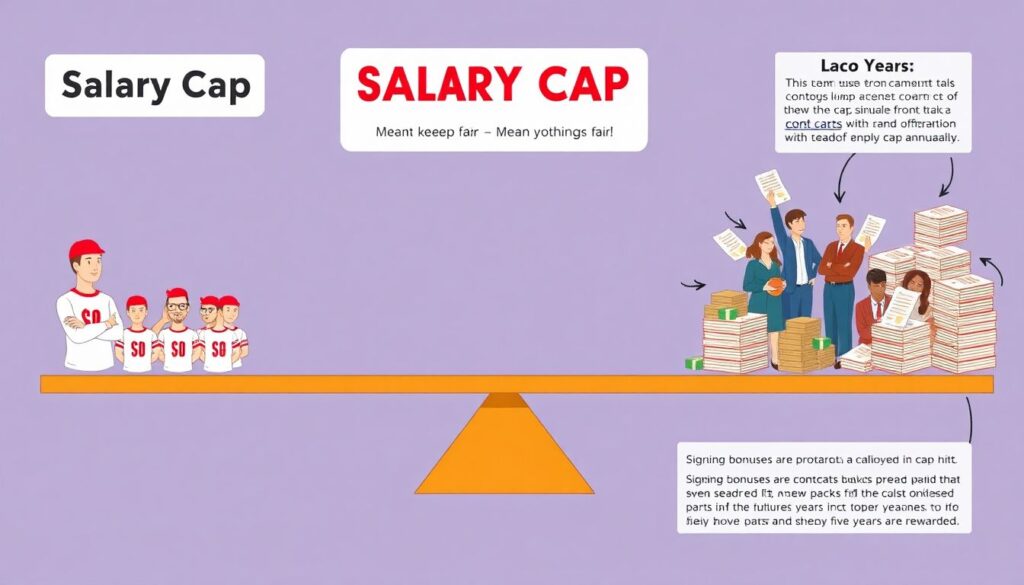
The salary cap is supposed to keep things fair, but in practice it rewards the teams that understand the loopholes. Each year the league sets a cap, and every contract has a “cap hit” that may look nothing like the actual cash paid that season. Signing bonuses are spread (or “prorated”) over up to five years, while restructures can convert salary to bonus to kick cap charges into the future. That’s how teams like the Saints and Eagles have stayed competitive despite “cap hell” headlines; they constantly restructure, add void years, and push money forward. But there’s a cost: eventually the bill comes due, and dead money from cut or traded players eats into your current cap. Smart veterans quietly hire NFL salary cap consultant experts to understand how their deals fit into the bigger team puzzle — and how likely they are to become a cap casualty.
Two common cap mistakes: players obsess over APY (average per year) and ignore cash in the first two seasons, and they overlook how easy their contract is to restructure. Heavy back‑loading may look good on paper, but it makes you a prime target if your play dips. Look at veterans suddenly cut in March when bonuses are due; that’s the cap talking, not emotion.
Endorsements and Off-Field Income

Once you’ve secured a solid contract, Step 5 is turning your name into a business. Endorsements, appearances, memorabilia deals, social media campaigns, and equity stakes in startups can sometimes rival on‑field income for stars. Tom Brady famously built a brand around nutrition and lifestyle, turning his TB12 identity into long-term value beyond his Patriots and Buccaneers salaries. Patrick Mahomes layered national brands with local Kansas City partnerships, leveraging wins and likeability into recurring checks. Most players work through a sports agency for NFL endorsement deals, which negotiates fees, usage rights, and how your image appears in campaigns. Done right, you earn money even in the offseason; done poorly, you’re locked into underpriced deals that limit future opportunities when your value spikes.
Red flags in endorsement offers are rarely about the headline money. Watch the length of the deal, exclusivity clauses, and how much content you’re required to create. If a local brand wants five years of exclusivity in a category for a small check now, you might be killing a national deal later.
Protecting and Growing Your Money
The final step is keeping what you earn. NFL careers are short, taxes are heavy, and lifestyles inflate fast. A simple rule: treat every dollar like it has to last twice as long as you think. Between federal, state, and “jock taxes” in every game city, that $1 million check does not feel like $1 million. That’s why veterans quietly build teams around NFL player financial planning and wealth management, using fee‑only advisors, CPAs, and attorneys to map out cash reserves, low‑risk investments, and long‑term growth. You’ll hear horror stories of players who made $20–$30 million and ended up broke in five years — usually a mix of bad investments, family pressure, and zero budgeting. On the flip side, look at someone like Marshawn Lynch, who famously lived mostly off endorsements while saving his playing salary; that’s intentional strategy, not luck.
Each season, run a personal business checklist. Do you know your guaranteed money left, your realistic incentives, and your expected tax bill? Have you reviewed insurance, especially disability coverage, in case a freak play ends your career? Did you re‑check old endorsement contracts for auto‑renewal clauses? The players who answer “yes” to those questions may never trend on social media, but ten years after retirement, they’re the ones still financially comfortable — quietly proving that off the field business is just as critical as any playbook.