
Off the field, pro athletes face hidden pressures from contracts, public scrutiny, and fragile careers that heavily impact mental health. These pressures can drive anxiety, depression, burnout, and risky coping. Understanding systemic forces, personal risk factors, and practical support options is essential to protect performance, relationships, and long‑term wellbeing.
Core pressures shaping pro athletes’ mental health
- Unstable contracts and performance-based income create chronic job insecurity.
- Relentless performance metrics reduce people to numbers and outcomes.
- Organizational cultures often normalize overwork and playing through pain.
- Public exposure, media, and social networks amplify criticism and self-doubt.
- Travel, injuries, and time away strain family life and social support.
- Stigma and reputation concerns delay mental health support for professional athletes.
Systemic drivers: contracts, performance metrics, and organizational culture
Mental health in professional sport is shaped first by the system around the athlete: contract structures, roster rules, and team culture. Pressure does not come only from competition; it comes from how careers are built, measured, and protected (or not) by organizations and leagues.
Contracts and roster spots are often short term and highly conditional. A minor slump, minor injury, or coaching change can mean a major income loss. Performance clauses, bonuses, and non-guaranteed deals can make every game feel like a job interview with millions at stake, fueling constant hypervigilance.
Performance metrics intensify this. Wearables, analytics, and public stats feed an always-on scoreboard that others use to judge value. When identity is tied to numbers alone, normal fluctuations feel like personal failure rather than part of a long season or career arc.
Organizational culture can either buffer or magnify this stress. Cultures that glorify toughness, silence, and sacrifice tend to dismiss emotional struggles and reward playing hurt. In contrast, environments where coaches, front offices, and medical staff treat mental health as part of performance help athletes access mental health services for elite athletes without fear.
Individual risk factors and early warning signs

Systemic pressures interact with individual vulnerabilities. Some athletes are at higher risk of mental strain because of history, personality, or current context. Recognizing early warning signs allows quicker intervention, including targeted performance anxiety treatment for professional athletes.
-
Pre-existing mental health history
- Past anxiety, depression, eating issues, substance use, or trauma can resurface under pro-level pressure.
- Transitioning from college or international leagues may remove protective routines that previously kept symptoms in check.
-
Perfectionism and harsh self-criticism
- Rigid standards (‘anything less than perfect is failure’) increase shame after mistakes.
- Athletes may overtrain, hide injuries, or replay errors obsessively, disrupting sleep and recovery.
-
Limited support network
- Relocation, language barriers, and long travel can isolate athletes from family and stable friendships.
- Reliance on team-only relationships can become risky if roles or politics change.
-
Identity narrowed to sport only
- When ‘athlete’ becomes the entire identity, injury or benching feels like losing the self.
- Retirement or being cut may trigger intense emptiness or panic about the future.
-
Early warning signs in daily life
- Sleep changes: difficulty falling asleep, frequent waking, or oversleeping on off days.
- Mood shifts: irritability, withdrawal, numbness, or tearfulness out of competition context.
- Performance rituals becoming rigid: needing exact routines to function, panic when disrupted.
- Escalating reliance on alcohol, pain meds, or supplements to wind down or get up.
-
Family and financial stressors
- Supporting extended family or managing sudden income spikes adds pressure beyond sport itself.
- Relationship conflict at home often shows up as distraction, short fuse, or inconsistency in training.
Manifestations: how mental strain affects performance and behavior
Mental strain in pro athletes often shows up first in performance patterns, not words. Coaches, teammates, and clinicians should watch for changes rather than waiting for athletes to ask for help. Below are typical manifestations, from on-field shifts to off-field behaviors.
-
Inconsistent or tight performance under pressure
- Athlete performs well in practice but freezes or ‘overthinks’ in games.
- Decision-making slows, or they play overly safe to avoid mistakes.
- This is a common presentation when athletes seek performance anxiety treatment for professional athletes, even if they do not label it as anxiety.
-
Overtraining and ignoring recovery
- Staying late after practice, extra lifts, or secret sessions to ‘fix’ perceived weaknesses.
- Playing through pain, hiding symptoms from staff, or rushing back from injury.
- Short-term gains may hide a long-term risk of burnout and chronic injury.
-
Withdrawn or volatile interpersonal behavior
- Pulling away from teammates, media, or family; spending long hours alone.
- Increased conflict with coaches, snapping at staff, or overreacting to minor feedback.
- These shifts often reflect accumulated stress rather than ‘bad attitude’.
-
Changes in substance use and risky coping
- Using alcohol or other substances to manage sleep, pain, or social anxiety.
- Gambling, impulsive spending, or high-risk behaviors between games.
- Such coping can escalate quickly during slumps, injury rehab, or contract negotiations.
-
Public outbursts and social media patterns
- Uncharacteristic rants, late-night posts, or impulsive replies to critics.
- Obsession with comments, mentions, or comparisons to other players.
- Online behavior can signal when private stress is spilling into public spaces.
-
Somatic complaints and frequent medical visits
- Recurring headaches, stomach issues, or vague pains without clear medical cause.
- Multiple check-ins with medical staff, but tests do not fully explain the symptoms.
- These can be physical expressions of unresolved psychological strain.
Mini-scenarios: translating signs into action
-
Scenario: The star who suddenly plays small
A normally aggressive scorer starts passing up open looks. Video shows hesitations only in televised games. A brief, private conversation reveals fear of letting the team down. Referral to a sports psychologist for pro athletes near me plus targeted game-day routines stabilizes performance within weeks.
-
Scenario: The rehabbing player who never rests
An injured veteran secretly doubles rehab exercises to speed return before a contract year. Pain worsens, and mood darkens. When staff link anxiety about job security to the overtraining pattern, they add dedicated mental health support for professional athletes within the rehab plan, improving adherence and outlook.
-
Scenario: The rookie far from home
An international rookie is quiet but ‘fine’ in public. Travel days are filled with calls home and late-night gaming. Sleep erodes. Introducing online counseling for professional sports players in their native language plus a team mentor reduces isolation and stabilizes routines.
Evidence-based interventions and daily routines for resilience
Resilience for pro athletes grows from structured, evidence-based interventions combined with small daily habits. Neither therapy nor routines can remove systemic pressure, but together they can increase capacity to handle it. Below are common interventions and then practical routines, along with their strengths and limits.
Formal interventions: strengths and constraints
-
Specialized sports psychotherapy or counseling
- Pros: Tailored to competition cycles, identity, and performance demands; can be integrated with physical training programs.
- Limits: Stigma, scheduling conflicts, and concerns about confidentiality within tight team communities.
- Access: Many athletes search for mental health services for elite athletes outside team structures to protect privacy.
-
Cognitive-behavioral and acceptance-based approaches
- Pros: Evidence-based tools for managing negative thoughts, perfectionism, and performance anxiety.
- Limits: Require consistent practice; may feel ‘too clinical’ unless tied to specific performance goals.
-
Online counseling and telehealth options
- Pros: Flexible with travel schedules; allows discreet support with providers outside the local market.
- Limits: Tech barriers on the road; privacy issues if sessions are taken in shared spaces.
- Use: Online counseling for professional sports players is especially valuable during long road trips or off-season training abroad.
-
Group workshops and psychoeducation
- Pros: Normalize struggles, build shared language, and equip entire teams with basic tools.
- Limits: Not a substitute for individual treatment; some athletes may not speak freely in group settings.
Daily and weekly routines that support resilience
-
Brief mental warm-up and cool-down
- 3-5 minutes before and after practices and games focused on breathing, attention, and reflection.
- Checkpoints: ‘What am I focusing on? What did I learn today? What do I leave at the facility?’
-
Sleep and digital boundaries
- Fixed wind-down time and pre-sleep routine on both game and off days.
- Limits on social media use, especially after games or during slumps, to reduce exposure to criticism.
-
Micro-connections outside sport
- Small, regular contact with non-sport people (short calls, texts, shared hobbies) to protect broader identity.
- Scheduling these like training blocks prevents isolation ‘by accident’.
-
Regular check-ins with trusted staff
- Brief, structured conversations with a coach, athletic trainer, or psychologist about stress load.
- Questions: ‘What is one stressor I can control this week? What needs outside support?’
-
Intentional recovery strategies
- Non-physical recovery (reading, music, time outdoors, mindfulness) planned alongside physical modalities.
- Helps shift nervous system out of constant competition mode.
Team-level strategies: coaching, medical staff, and policy changes
Teams and organizations can either reduce or worsen hidden pressures. Common mistakes and myths keep athletes from using available supports and undermine long-term performance. Addressing these requires changes in messaging, procedures, and how staff model behavior.
-
Myth: ‘If we talk about mental health, players will become soft’
- Reality: Structured conversations and education typically improve focus, communication, and trust.
- Mistake: Avoiding mental health topics until a crisis forces public action.
-
Error: Treating mental health as a PR or branding issue
- Reality: Announcing initiatives without accessible, confidential pathways for care breeds cynicism.
- Correction: Quietly embed clear referral routes to internal and external providers, including anonymous avenues.
-
Myth: ‘We already have a team psychologist; problem solved’
- Reality: One provider cannot meet all needs, especially across genders, languages, and cultural backgrounds.
- Correction: Build a small network of vetted professionals, so athletes can choose the best fit, including off-site options.
-
Error: Blurring performance monitoring with mental health conversations
- Reality: If players suspect information will affect contracts or playing time, they will under-report distress.
- Correction: Separate performance reviews from clinical discussions; clarify what is confidential and what is not.
-
Myth: ‘Veterans don’t need support; they’ve seen it all’
- Reality: Older athletes may face compounding stress from injury history, family responsibilities, and looming retirement.
- Correction: Offer targeted services for later-career players, including transition planning and financial counseling.
-
Error: Ignoring staff wellbeing
- Reality: Burned-out coaches and trainers model unhealthy norms, normalize overwork, and may miss athlete distress.
- Correction: Include staff in wellness programs, load monitoring, and education to create a healthier culture overall.
Transitions and long-term outcomes: injury, retirement, identity
The most intense mental health strain often emerges during transitions: serious injury, role changes, trades, or retirement. These moments challenge not only physical capability but also identity, relationships, and future plans. Planning early for transitions changes outcomes significantly.
Mini-case: From season-ending injury to redefined identity
A 29-year-old professional athlete tears a major ligament mid-season during a contract year. Overnight, the player goes from every-game contributor to long-term rehab. Income uncertainty, media speculation, and separation from teammates trigger insomnia and rising anxiety.
Initially, the focus is solely on surgery and physical rehab. The athlete numbs stress with late-night gaming and occasional sleeping pills. Performance staff notice irritability and missed morning sessions. Instead of labeling this as ‘lack of professionalism’, the team physician and a mental health provider coordinate care, folding mental health support for professional athletes into the rehab plan.
They introduce structured routines: a daily schedule with rehab blocks, brief mindfulness practice, and weekly individual sessions with a specialized psychologist. Together they explore identity beyond sport and begin career planning, including non-playing roles and education options. Over months, the athlete returns to competition with a broader sense of self and a clearer plan for eventual retirement.
Practical progression for transition planning
- Early career: Introduce basic financial literacy, off-field interests, and mentorship from retired players.
- Mid-career: Offer structured programs exploring coaching, media, business, or academic paths in off-seasons.
- Late career: Provide individualized exit planning, family meetings, and connections to community resources and alumni networks.
- Post-retirement: Maintain optional check-ins and access to mental health services for elite athletes, recognizing that identity shifts may take years.
Practical answers to recurring athlete dilemmas
How do I know if stress is ‘normal’ or if I should seek professional help?
Look at impact, not just intensity. If stress is disrupting sleep, relationships, or performance for more than a few weeks, or you are using risky coping (substances, overtraining), it is time to consider professional support. Earlier care almost always means shorter, more effective treatment.
Will seeing a mental health professional hurt my contract or playing time?
When you choose confidential providers, it should not. Many athletes work with external clinicians to keep health information separate from team decisions. Ask specifically about confidentiality policies and consider seeking mental health support for professional athletes outside your franchise if you are unsure.
What should I look for in a sports psychologist or counselor?
Seek someone experienced with high-performance or professional sport, who understands travel, media, and contract pressures. Ask about their approach (for example, CBT, ACT, or performance-focused work) and how they coordinate with physical training. Many athletes search for a sports psychologist for pro athletes near me and then interview two or three options before choosing.
Is online counseling effective for players who travel constantly?

Yes, when technology and privacy are managed well. Online counseling for professional sports players can provide continuity during road trips and off-season training abroad. Use headphones, a private space when possible, and schedule regular times that fit your practice and game calendar.
How can I support a teammate who seems to be struggling?
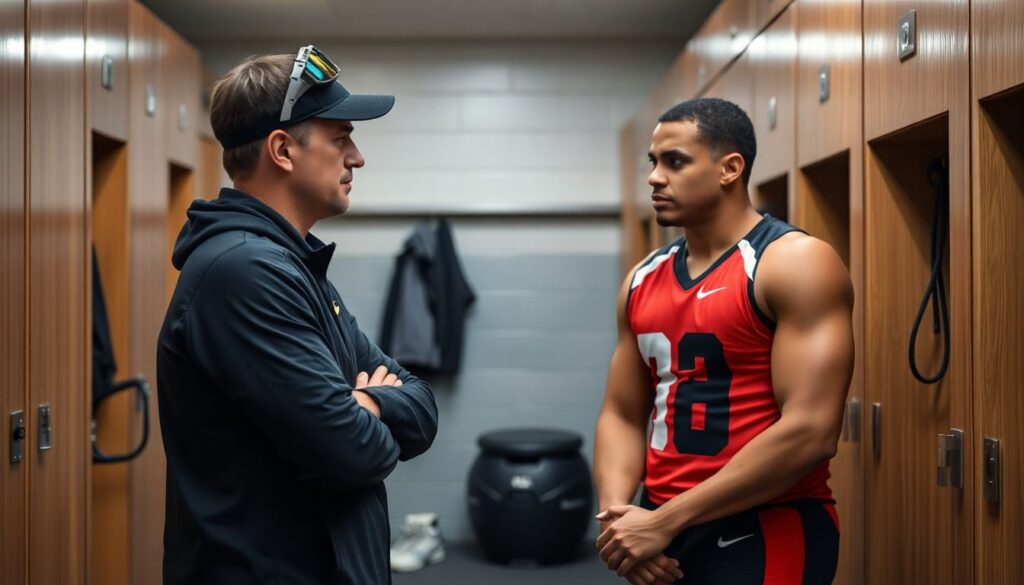
Start with a simple, private check-in: describe what you have noticed without judgment and express genuine concern. Offer to help them connect with resources, not to ‘fix’ them yourself. Normalize professional help by mentioning any mental health services for elite athletes you know of in your organization or city.
Can mental skills work really improve on-field performance, or is it just about wellbeing?
Well-designed mental skills and therapy often improve both wellbeing and performance. Tools like pre-performance routines, cognitive reframing, and recovery strategies reduce unnecessary anxiety and free up attentional bandwidth. The same skills that lower distress usually improve decision-making, composure, and consistency.
What if I do not want anyone to know I am getting help?
You can work completely outside team structures. Search discretely for mental health support for professional athletes in your area, or use telehealth providers in another city or state. Discuss privacy and documentation upfront so you know exactly who sees what.