
Early-season rookie QB evaluation means tracking weekly performance, context, and health while resisting overreaction to small samples. You combine basic stats with film notes, usage trends, and scheme fit to build safe, evolving expectations instead of fixed labels, especially when thinking about betting, fantasy formats, and long-term dynasty value.
Snapshot: Early Metrics and Initial Assessments
- Use weekly trends, not single games, to judge early progress or red flags.
- Blend film (mechanics, reads, pocket behavior) with rate stats and situational data.
- Respect supporting cast and coaching: protection, receivers, and scheme shape outcomes.
- Treat early NFL rookie QB stats and projections as ranges, not guarantees.
- For fantasy and betting, protect yourself with conservative assumptions and clear risk caps.
- Injuries, snap counts, and game scripts can distort raw box scores in small samples.
Week-by-Week Performance Indicators
Week-by-week performance indicators are the recurring signals you track for a rookie quarterback across games: accuracy, sacks taken, third-down execution, red-zone decision-making, and how they handle pressure or new defensive looks. The goal is to watch direction and stability, not chase every spike or dip.
Instead of anchoring on early rookie quarterback rankings 2024, you watch how each QB responds to adjustments. Do they bounce back from bad drives? Do they speed up their process against the blitz? Are they cutting down on dangerous throws even when trailing? These trends often matter more than raw yardage.
Safe early evaluation respects sample size. A three-touchdown debut can be inflated by broken coverages or yards after the catch, while an ugly box score might hide progress in timing and reads. Charting recurring strengths and weaknesses by week gives a grounded baseline before you make portfolio moves in fantasy or betting.
Mechanics, Decision-Making, and Progression
Mechanics, decision-making, and progression describe how a rookie QB plays each snap, beyond the box score. They answer three core questions: Can the QB execute the offense on time, to the right place, with repeatable throwing motion under pressure? These traits stabilize faster than raw production.
- Footwork and base consistency: Does the QB maintain a balanced base, aligned feet, and controlled drops, or do they drift, backpedal, and throw off their back foot when pressured?
- Release, arm slot, and accuracy: Is the release compact and repeatable, and does ball placement stay reasonably consistent on quick game, intermediate outs, and throws over the middle?
- Pre-snap processing: How often do they correctly identify pressure threats, leverage matchups, and coverage shells before the snap, adjusting protections or routes accordingly?
- Post-snap progression: Do they move from first read to second and third options on rhythm, or lock onto the primary and force throws late into traffic?
- Risk management: Are interceptions caused by aggressive but rational shots, or by late, blind, or panicked throws into obvious danger?
- Pocket navigation: Do they climb, slide, and reset, or bail from clean pockets, drifting into edge rushers and creating their own pressure?
For safe long-term projections, these traits often deserve more weight than early fantasy output or highlight throws. Even if a QB is not yet among the best rookie QBs for fantasy football 2024, clean mechanics and improving processing can signal eventual production once the surrounding talent and play-calling catch up.
Applying Mechanics-Based Evaluation In Practice
Imagine two rookies with similar box scores. QB A shows tight footwork, quick eyes through progressions, and most turnovers on deep shots at correct timing. QB B drifts in the pocket, stares down the first read, and throws late across the field. Safe evaluators lean toward QB A despite equal early stats.
When scouting for dynasty fantasy football rookie QB rankings, you can treat positive mechanics as an early green light to be patient, while repeated breakdowns in decision-making are a warning that surface-level production may be fragile and scheme-dependent.
Offensive Scheme Fit and Coaching Influence
Scheme fit and coaching influence describe how well a rookie’s strengths match the playbook, personnel, and play-caller tendencies. A quarterback can look “ahead” or “behind” peers simply because their coordinator is giving them easier or harder tasks, especially early in the season.
- Quick-game, RPO-heavy systems: These schemes simplify reads and create high-percentage throws. A rookie might post efficient numbers with limited full-field progressions. This can inflate early rookie quarterback rankings 2024 if you do not account for the simplified burden.
- Under-center, play-action-focused offenses: These ask for more detailed footwork, back-to-defense play fakes, and deeper route concepts. Early misfires can hide future upside, because the learning curve is steeper but rewards are higher once mastered.
- Spread, vertical passing attacks: These amplify arm strength and fearless mentality, but can spike volatility in interceptions and sacks. Evaluators should separate scheme-driven aggression from fundamentally unsound decision-making.
- Run-first, conservative setups: Here the coordinators hide the QB, leaning on defense and ground game. Modest stats do not always equal poor play; instead you evaluate how efficient the QB is on limited attempts and in must-throw situations.
- Coaching stability and adaptation: Some staffs quickly tweak game plans to what the rookie does best; others stubbornly force a veteran system. Noting who adapts can help explain why certain QBs outkick their pre-season NFL rookie QB stats and projections.
Whenever you compare prospects or check betting odds on rookie of the year quarterback races, layer in how demanding the scheme is and how much help the play-caller provides through motion, protection adjustments, and route combinations.
Statistical Trends: Rate Stats, Sample Size, and Context
Early stats are powerful but dangerous. Rate metrics like yards per attempt or interception rate can hint at efficiency and risk tolerance, yet small samples and opponent quality often skew results. You want stats that connect directly to underlying play, then you adjust them for situation and support.
| Metric | What It Captures | Helpful Interpretation Tier |
|---|---|---|
| Adjusted Yards per Attempt (AY/A) | Passing efficiency with credit for touchdowns and penalties for interceptions. |
|
| Interception Percentage (INT%) | Rate of picks relative to attempts, a proxy for risk management. |
|
| Expected Points Added per Play (EPA/play) | Impact on scoring chances per snap, adjusting for situation. |
|
| Success Rate | Percentage of plays that keep the offense “on schedule”. |
|
Advantages of Rate-Based and Contextual Metrics
- Highlight underlying efficiency and decision quality beyond raw yardage totals.
- Reveal how sustainable big plays and touchdowns are across different opponents.
- Allow fair comparisons between rookies in different schemes and game scripts.
- Support structured tiers for dynasty fantasy football rookie QB rankings instead of gut feel.
Limitations and Safe-Use Constraints
- Small samples can swing heavily on a few broken plays or tipped passes.
- Protection quality, receiver separation, and run-game threat can distort QB metrics.
- Garbage-time production or catch-up mode can inflate rate stats without reflecting stable skill.
- Public models that inform markets and fantasy projections may lag behind real-time film insights.
Because of these limitations, safe analysts blend numbers with film and context before trusting aggressive moves in fantasy drafts or bets tied to end-of-season awards.
Injury, Usage Patterns, and Snap Allocation
Injury risk, usage patterns, and snap allocation add hidden volatility to rookie QB evaluation. A quarterback’s fantasy and betting appeal might look strong on paper, yet crumble if the coaching staff shortens the playbook after a minor injury or rotates in a veteran for specific packages.
- Assuming “healthy” equals full volume: Minor hits can lead to reduced rushing attempts, fewer designed rollouts, or quicker checkdowns, quietly cutting upside despite active status.
- Ignoring drive-to-drive roles: Some rookies play between the 20s while veterans handle red-zone or short-yardage snaps, capping touchdown potential and skewing evaluation.
- Overreacting to temporary benchings: Short hooks after mistakes might be teaching tools, not permanent depth-chart changes; reacting too aggressively can lock in losses.
- Treating snap spikes as permanent: A boost in usage due to an injury elsewhere or odd game script can vanish the next week when conditions normalize.
- Misreading coaching quotes: Optimistic public comments rarely guarantee expanded roles; align quotes with actual snap counts and play-calling trends.
Safe practice is to tie your expectations to actual on-field roles over several weeks, not single-week usage or soundbites. This applies equally when weighing betting odds on rookie of the year quarterback races and when deciding whether to start or stash a rookie in fantasy formats.
Translating Early Data into Long-Term Projections
Turning early information into long-term projections means building ranges of outcomes instead of binary “hit or bust” labels. The most durable approach combines film traits, usage trends, and rate stats into structured, scenario-based forecasts with specific triggers that move a QB up or down those bands.
Consider a rookie with average AY/A, slightly high INT%, and neutral EPA/play, but improving mechanics and better comfort versus the blitz over a four-week stretch. You might construct three scenarios:
- Optimistic path: If pressure management and post-snap reads continue to improve while the coaching staff adds deeper route concepts, the QB grows into a long-term starter with strong passing volume and occasional rushing upside. This is the scenario where they can climb future rookie quarterback rankings 2024 style lists and become a priority target.
- Baseline path: Mechanics stabilize, but the scheme stays conservative and weapons remain average. The QB settles in as a mid-tier starter who is streamable in fantasy, mostly matchup-driven, with modest year-to-year growth.
- Conservative path: Turnovers remain elevated despite coaching adjustments, and the team frequently scales back the passing game. Here, the QB becomes a replaceable starter or bridge option, valuable mainly in deep superflex leagues and mostly irrelevant to best rookie QBs for fantasy football 2024 type conversations.
As the season progresses, you move the QB among these scenarios only when specific triggers appear: sustained efficiency across multiple opponents, visible expansion of reads and route depths, shifts in snap allocation, or evidence that defenses have solved their favorite concepts. This protects you from chasing every spike week while still reacting responsibly to genuine development.
Common Concerns and Practical Answers
How many games should I wait before trusting rookie QB trends?
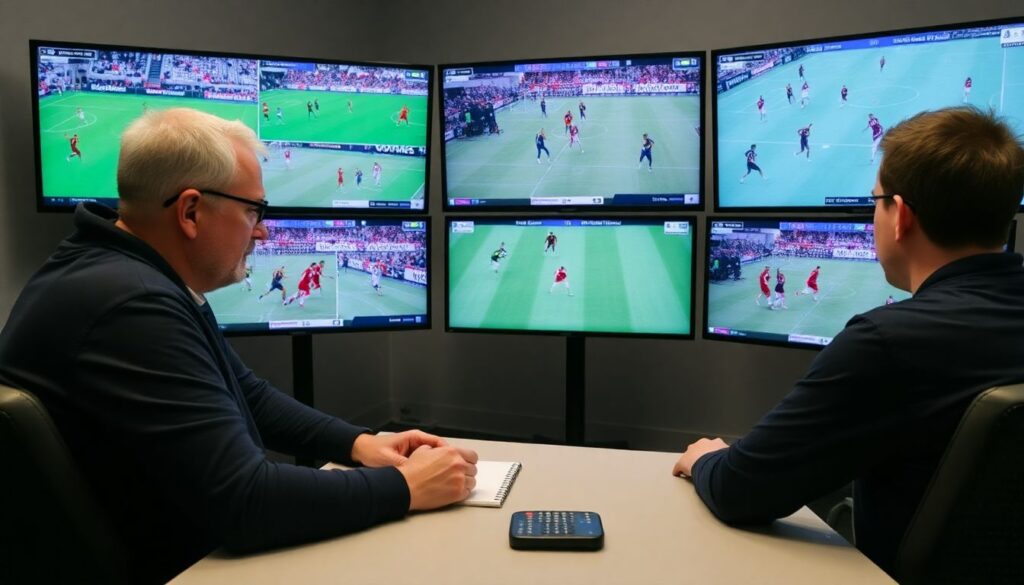
Wait for multiple games against varied opponents before treating any trend as stable. Instead of a fixed number of weeks, look for repeated patterns in decision-making, pressure handling, and usage across different game scripts.
How should I balance film and stats when ranking rookie quarterbacks?
Use film to judge mechanics, reads, and pocket behavior, then use stats to confirm or challenge those impressions. If numbers and tape disagree, slow down major decisions until you understand whether context, sample size, or role explains the gap.
What is the safest way to use rookie QBs in fantasy during the first season?
In redraft, treat most rookies as matchup-based streamers or bench stashes, not weekly locks. In dynasty, prioritize traits and role stability over early box scores, and let those elements drive your dynasty fantasy football rookie QB rankings.
How do early results affect award and futures betting on rookies?

Early spikes can move betting markets quickly, but small samples are fragile. Scale your exposure, assume regression, and avoid chasing a rookie solely because betting odds on rookie of the year quarterback candidates shortened after one big performance.
Can a bad supporting cast completely hide a good rookie QB?
Yes, weak protection, limited receivers, and conservative play-calling can suppress production. Focus on how the QB performs on the plays they can control, especially third downs, red-zone chances, and pressure situations.
When should I downgrade a rookie QB permanently?
Downgrade only after persistent issues across a meaningful stretch: repeated poor decisions, stalled mechanical fixes, and no adjustments from the staff. Single bad games, bad weather, or elite defenses are rarely enough to justify a permanent downgrade.
Are rushing QBs safer bets early on?
Rushing skills can raise the floor in fantasy and sometimes hide passing flaws, but they also add injury exposure. Treat rushing as a bonus, not the only pillar of your evaluation, and still demand growth as a passer over time.