
Walk-on legends in college football are players who joined teams without athletic scholarships and rose to starring, often iconic, roles. They shifted from overlooked roster fillers to impact starters, award winners, and team leaders. Their journeys clarify how persistence, development, and smart coaching turn supposed long shots into program-changing talents.
Essential Insights from Walk-On Successes
- Walk-ons are non-scholarship players who earn roles through tryouts, practice performance, and depth-chart needs, not recruiting hype.
- Some of the best college football walk-ons of all time became All-Americans, national champions, and long-term NFL starters.
- Coaches use walk-ons strategically to deepen rosters, elevate practice intensity, and uncover late-blooming talent.
- Shared traits across college football legends who started as walk-ons include durability, self-awareness, and an unusual tolerance for delayed rewards.
- College football walk-on success stories are blueprints for underdogs in any field: embrace unglamorous roles, master a niche, and outlast early setbacks.
- Programs that value walk-ons often gain resilient locker rooms, stronger special teams, and a powerful recruiting brand around development.
Debunking Myths About Walk-Ons
A walk-on in college football is a player who joins a team without an athletic scholarship. They may arrive through open tryouts or invited preferred walk-on spots, but they start outside the scholarship count. From there, they earn depth-chart placement, playing time, and sometimes scholarships through consistent performance.
Myth one: walk-ons are just practice bodies. College football legends who started as walk-ons show the opposite. Several became centerpiece quarterbacks, lockdown receivers, or defensive leaders. Baker Mayfield began as a walk-on before turning into a Heisman-winning starter and symbol of modern inspirational underdog stories in college football.
Myth two: walk-ons never become stars at big programs. Hunter Renfrow entered Clemson as a lightly regarded walk-on and left as a national-title hero with game-defining catches on the biggest stages. Clay Matthews III, another walk-on, worked into a starting role at USC and later became a dominant professional pass rusher.
Myth three: walk-ons only matter on losing or rebuilding teams. Rodrigo Blankenship arrived at Georgia as a walk-on specialist and ended up making pressure kicks for championship contenders. These famous walk-on college football players who became stars show that non-scholarship beginnings and elite team success can absolutely coexist.
Historic Walk-Ons Who Rewrote the Record Books
Several walk-ons transformed themselves into benchmarks for what is possible in the sport, often redefining how coaches and recruits view the walk-on label itself.
- Baker Mayfield (Texas Tech and Oklahoma): Arrived as an undersized walk-on quarterback, earned a starting job, then transferred and climbed again from non-scholarship to face-of-the-program status. His rise is central to many college football walk-on success stories and reshaped expectations for mobile, creative quarterbacks.
- Clay Matthews III (USC): Started buried on the depth chart as a walk-on and gradually carved out roles on special teams and defense. Through steady physical development and scheme versatility, he became a feared edge presence and later a decorated professional, shifting how evaluators value late-emerging front-seven players.
- Hunter Renfrow (Clemson): Initially a walk-on wide receiver with modest recruiting buzz, he became a trusted third-down and red-zone target. His clutch championship-game performances turned him into a symbol of precision route running and reliability under pressure.
- Rodrigo Blankenship (Georgia): Joined as a walk-on kicker, refined his technique and mental approach, and eventually delivered high-leverage kicks in postseason runs. His journey emphasizes that specialists can evolve from overlooked roster additions to emotional and competitive anchors.
These examples anchor many lists of the best college football walk-ons of all time and demonstrate that initial status matters far less than sustained development and fit within a scheme.
Pathways: How Walk-Ons Actually Earned Roster Spots
Behind every celebrated walk-on are specific mechanics: timing, roster needs, and consistent behaviors that caught a staff’s attention. Understanding those pathways gives practical direction to players and families considering the walk-on route.
- Preferred walk-on offers from recruiting relationships: Some future legends impressed position coaches in camps but did not fit scholarship numbers. They received verbal assurances of a roster spot, then reported to campus knowing they would dress, practice, and compete immediately, even if they had to self-fund tuition at first.
- Open tryouts turning into practice-squad roles: A smaller subset emerged from general student tryouts. They initially served on scout teams, mimicking opponents. By mastering assignments and competing relentlessly, they earned depth-chart looks and occasional special-teams snaps, then grew into reliable contributors.
- Specialists stepping into urgent needs: Kicker, punter, and long snapper roles are frequent entry points. After walk-ons stabilized the operation in practices, staffs trusted them in live games. Success in a few critical moments often cemented long-term roles and led to earned scholarships.
- Position switches unlocking new value: Some players arrived at one position, stalled, then switched roles at a coach’s suggestion. A walk-on quarterback might become a slot receiver, or a safety might move to linebacker, aligning their body type and instincts with a clearer pathway to the field.
Mini-scenario for a high school underdog: A lightly recruited receiver accepts a preferred walk-on spot at a regional FBS program, immediately becomes a scout-team standout, learns all receiver positions in the playbook, and earns trust as the emergency slot backup. After injuries in front of him, he seizes playing time and never leaves the rotation.
Mini-scenario for a junior college transfer: A JUCO lineman without committable scholarship offers walks on at a Group of Five school. He invests in strength and nutrition, volunteers for every special-teams unit, and quickly becomes the staff’s most reliable field-goal protector, eventually moving into the starting offensive line.
Coaches’ Role in Identifying and Developing Walk-On Talent
Coaches are the gatekeepers of walk-on opportunity. Their evaluation habits, practice structures, and communication patterns largely determine whether a walk-on remains anonymous or becomes a transformational story.
| Aspect | Scholarship Player | Walk-On Player |
|---|---|---|
| Initial Investment | Financial scholarship, recruiting travel, staff time | Primarily coaching time and equipment |
| Expectation on Arrival | Compete for two-deep quickly | Provide depth and practice competition |
| Evaluation Lens | Protect investment and confirm ranking | Search for surprise upside and role fit |
| Risk Profile | High if player underperforms | Low; easy to adjust role or numbers |
How Coaches Maximize Walk-On Upside
- Create structured evaluation periods where walk-ons receive meaningful reps against scholarship players instead of being permanent scouts.
- Assign clear, attainable roles early (special teams, situational packages) so effort is tied to visible opportunity.
- Pair walk-ons with veteran mentors who model preparation standards and help decode the playbook.
- Communicate transparent milestones for earning travel spots and, eventually, scholarships, turning vague dreams into concrete goals.
- Use film cut-ups highlighting walk-on effort and execution to normalize their presence as equals in team meetings.
Constraints and Common Pitfalls for Staffs
- Overcrowding rosters with walk-ons without a plan, creating frustration and limiting meaningful reps.
- Allowing positional bias to block evaluation, assuming a walk-on cannot be a primary quarterback or feature player.
- Neglecting physical development resources for walk-ons, which slows their progress compared to scholarship peers.
- Failing to recognize when a walk-on has outgrown a limited role and deserves packages designed around their strengths.
Mini-scenario for a position coach: A receivers coach identifies a walk-on with exceptional short-area quickness. He designs a small third-and-short package specifically for that player, features those clips in meetings, and accelerates his path from scout-team body to trusted situational weapon.
Shared Mental and Physical Traits of Walk-On Legends
The most durable underdog arcs share surprising similarities. These are less about raw talent and more about how walk-ons respond to crowded depth charts and minimal early recognition.
- Process obsession over external validation: Walk-on stars track improvement through film, practice grades, and coach feedback, not social media or recruiting rankings. This reduces frustration when public attention lags behind performance.
- Role clarity and ego control: They embrace special teams and backup duties as primary jobs, not insults. This mentality turns “thankless” snaps into stepping stones for larger responsibilities.
- Adaptable body types and skill sets: Many legends had frames and movement profiles that allowed for positional shifts. They leaned into nutrition, recovery, and technique work rather than accepting early physical limitations as fixed.
- Communication with staff: Under-the-radar players who become stars usually over-communicate: asking for extra film, clarifying assignments, and seeking feedback without defensiveness. This builds trust quickly.
- Resilience during depth-chart stagnation: They endure seasons with little playing time without disengaging. Their consistent practice intensity makes coaches comfortable elevating them when opportunities appear unexpectedly.
Mini-scenario for a strength coach or performance staffer: A walk-on linebacker consistently leads voluntary workouts and tracks every lift and sprint. Staff members cite him as the cultural standard, and when a starting spot opens, the transition feels inevitable to the team because his effort and organization have been highly visible.
Program Impact: How Walk-Ons Reshaped Team Culture and Recruiting
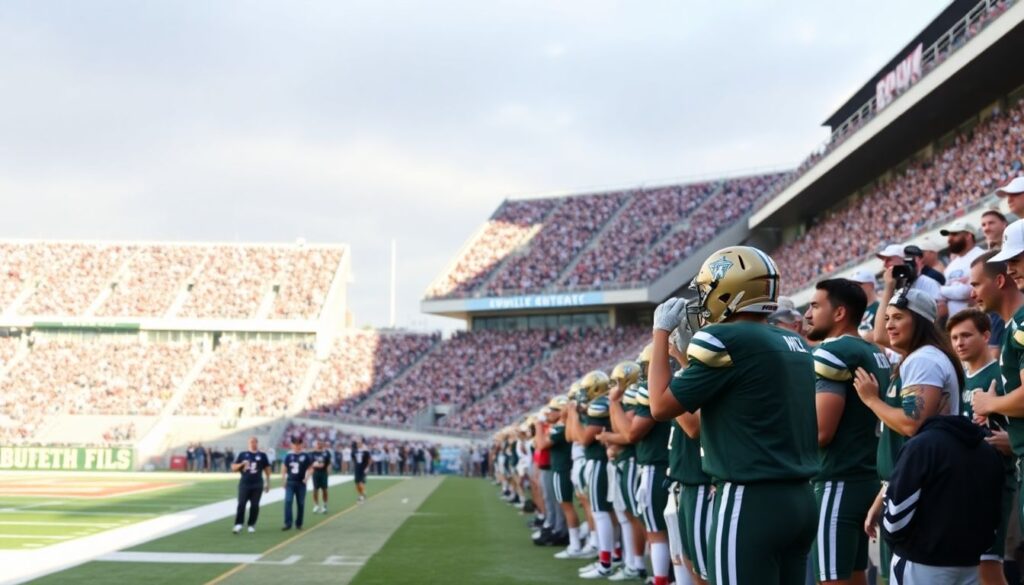
Walk-on legends do more than fill highlight reels; they change how entire programs operate. When fans and recruits see famous walk-on college football players who became stars, they internalize a message: this is a place where development truly matters.
Consider a fictional composite program shaped by multiple real college football legends who started as walk-ons. Initially, the staff viewed walk-ons mainly as scout players. Over time, one walk-on receiver earned a scholarship and became a go-to slot target, a walk-on safety became a special-teams captain, and a walk-on kicker delivered season-defining game-winners.
In response, the head coach adjusted recruiting pitches and internal systems:
- Publicly highlighted walk-on achievements in team media, creating vivid college football walk-on success stories that resonated with recruits and parents.
- Formalized a “development pathway” presentation for every unofficial visit, showing clips of former walk-ons progressing from scout team to starting roles.
- Added a staff meeting segment each week specifically reviewing walk-on performance and promotion candidates.
- Encouraged staff to mine local high schools for tough, under-recruited players willing to embrace the walk-on path, broadening the talent pool.
This approach produced a reputation for fairness and upward mobility. For recruits who might not yet have major offers, these inspirational underdog stories in college football made the program a preferred destination, even without immediate scholarship guarantees.
Mini-scenario for fans and media: A fanbase rallies around a former walk-on captain, turning his journey into a core part of the program’s identity. Local media run recurring features on under-the-radar contributors, and “walk-on of the week” segments help ensure that effort and detail, not only star ratings, shape the public narrative.
Common Practical Queries About Walk-On Journeys
How realistic is it for a walk-on to become a starter at a major program?
It is uncommon but absolutely realistic with the right mix of fit, timing, and development. Many of the best college football walk-ons of all time earned starting roles at blue-blood programs by dominating scout-team reps and filling emerging positional needs.
What is the main difference between a regular walk-on and a preferred walk-on?
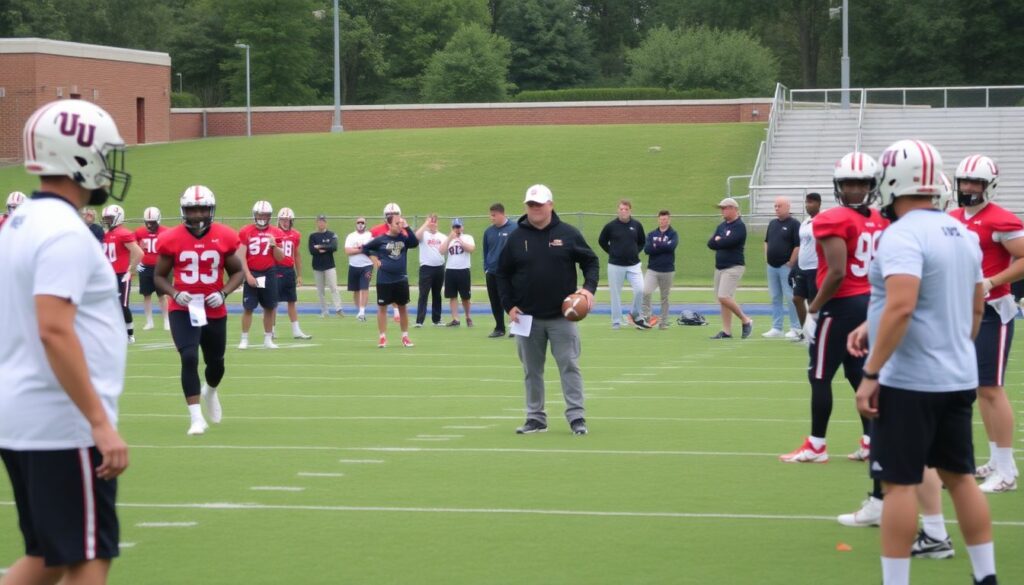
A regular walk-on typically joins through general tryouts with no roster guarantee. A preferred walk-on is invited by the staff and promised a spot on the 105-man roster, though not a scholarship. That status usually brings better access to meetings, lifting, and long-term evaluation.
Can walk-ons eventually earn a scholarship, and how does that usually happen?
Yes, many walk-ons eventually earn scholarships. This often occurs after they secure a clear role on offense, defense, or core special teams and the staff has available scholarship numbers entering a new academic year or semester.
What should a high school player do now if they are targeting the walk-on route?
Identify realistic programs where your frame and skill set fit, then actively build relationships with position coaches through camps and film. Ask directly about preferred walk-on opportunities and be transparent about your willingness to self-fund while you compete.
How do walk-on stories affect recruiting and team culture?
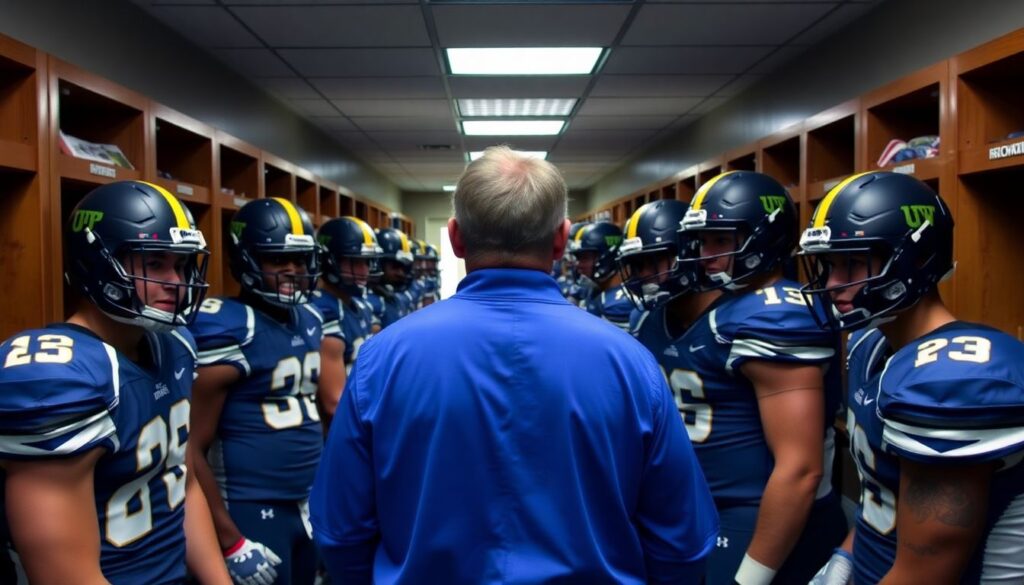
Successful walk-ons prove that opportunity extends beyond star ratings, which can attract overlooked but driven recruits. Inside the locker room, these stories reward effort and detail, reinforcing the idea that every rep is evaluated, not just those from scholarship players.
Are walk-on paths only for skill positions and specialists?
No, walk-ons have succeeded at virtually every position group, including offensive line and front-seven defense. The crucial factors are physical readiness for the level, a clear role to chase, and coaches committed to genuine competition.
How can fans and parents support walk-ons effectively?
Focus encouragement on process and improvement rather than immediate playing time. Celebrate contributions on scout teams and special units, and avoid comparing their path constantly to scholarship teammates.