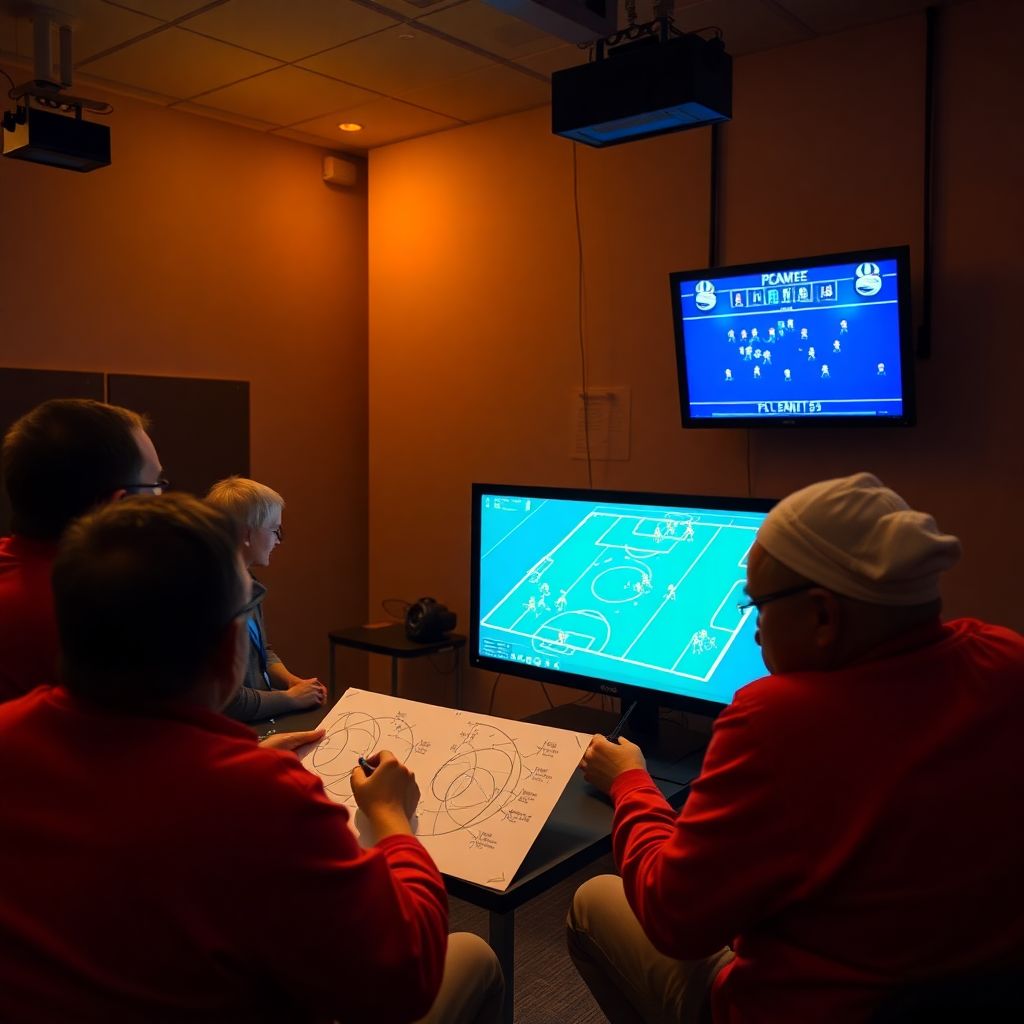
Top defensive coordinators shut down elite offenses by combining flexible pre-snap structures, disguised coverages, disciplined pressure, and matchup-driven personnel usage. The process is systematic: force the offense to declare intent, eliminate their first read, squeeze space for key playmakers, then adjust series-to-series using clear rules, simple language, and heavily repped, safe techniques.
Core Defensive Principles to Stop High-Octane Offenses
- Build a few core structures you can adjust, not a huge, confusing call sheet.
- Make the quarterback hold the ball by disguising coverage and rotating late.
- Design pressure that never sacrifices contain or middle leverage.
- Match your best athletes on their best playmakers whenever possible.
- Plan separate third-down and red-zone menus, repped each week.
- Use objective data between series to drive quick, calm adjustments.
- Teach with simple rules and safe, repeatable fundamentals before complex schemes.
Blueprints: Pre-Snap Structures That Force Mistakes
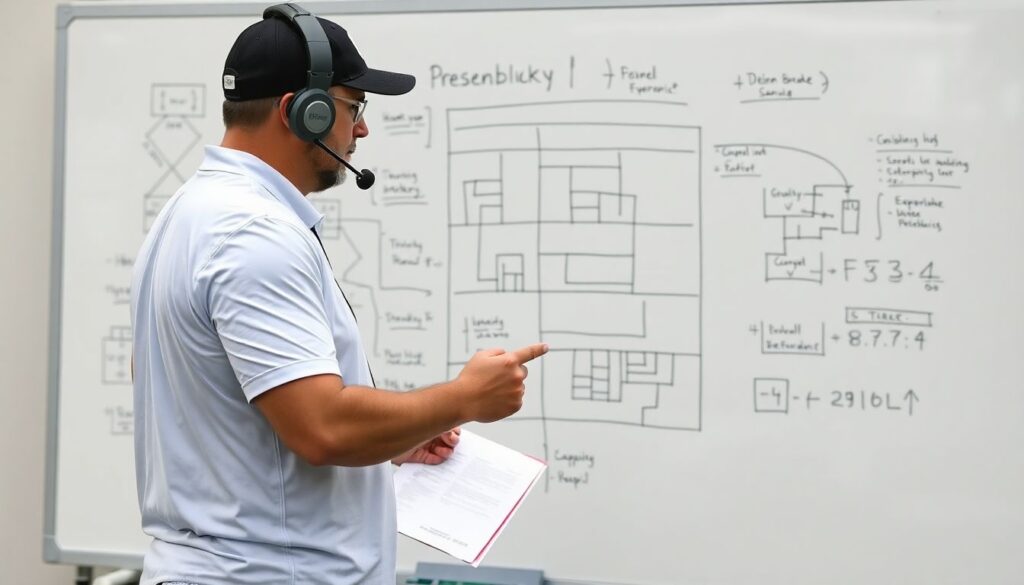
These pre-snap blueprints fit intermediate coaches who understand basic coverages and fronts and want practical football defensive coordinator strategies for high-powered spread and RPO teams. They are not ideal if your players are very young, lack tackling fundamentals, or you cannot practice at least a few times per week.
Use a small family of fronts and shells that always look similar:
- Base front (even or odd) with simple gap rules.
- Two primary coverage shells (two-high and one-high).
- One pressure family versus run-heavy looks, one versus pass-heavy looks.
Pre-snap, stress the quarterback’s eyes:
- Show two-high and spin to one-high late.
- Show man leverage, bail to zone at the snap.
- Walk linebackers in and out of the box to muddy RPO reads.
Pro tip: Script a short, safe install progression: day one fronts, day two base coverages, day three one pressure family. Rehearse pre-snap communication every day so players align correctly and confidently.
Disguising Coverage: Micro-Adjustments That Create Turnovers
To disguise coverage effectively you need three things: shared language, enough film, and technically sound footwork. Chalkboard creativity matters far less than repetition and clarity.
- Shared language: Simple tags for shell (one-high, two-high), leverage (inside, outside), and rotation (spin, roll, buzz).
- Film access: Sideline or end zone film plus cut-ups of third downs and red-zone for weekly opponent study.
- Technique standards: Safe, balanced stances, patient pedal, and controlled transitions to avoid blown coverages and collisions.
To sharpen your toolbox, combine practical resources instead of chasing a single NFL defensive playbook download as a magic fix. Use defensive football coaching courses, a focused defensive football coaching clinic online, and the best books on football defensive schemes to see multiple ways to teach the same disguise concepts.
Stress micro-adjustments that do not overload players:
- Corner leverage changes by call, but the pedal and eyes stay the same.
- Safeties keep the same alignment depth, but rotate late on specific tags.
- Nickel and backers use the same blitz stems they already know to sell pressure, even when dropping.
Pro tip: When adding a new disguise, pair it to a coverage the players already run well; change one variable at a time, not everything at once.
Pressure Packages: Blending Blitzes with Contain Discipline
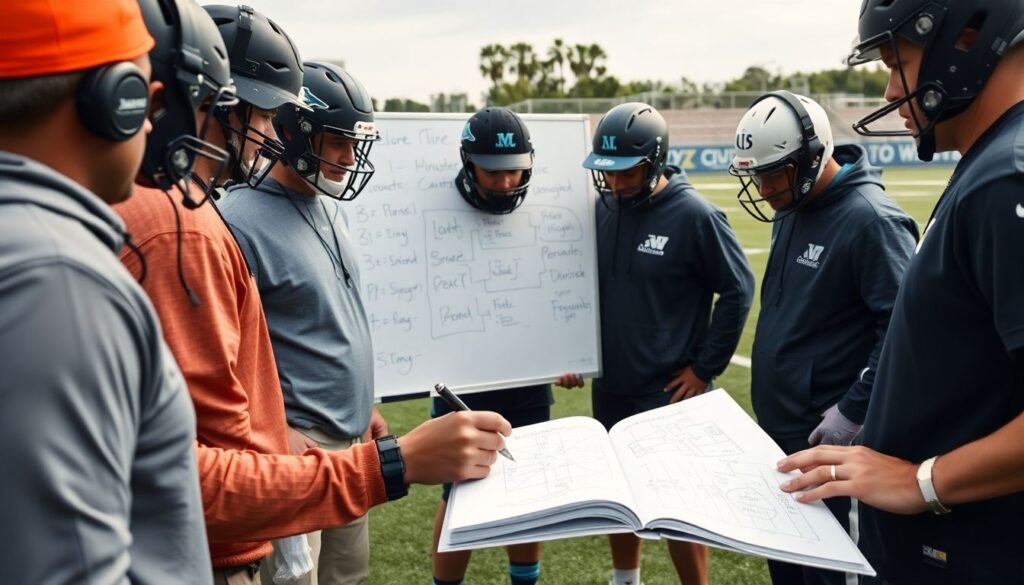
- Define the core objective of each pressure. Label every call by its main goal: stop the run, speed up the quarterback, or force quick throws outside. If a pressure does not have a clear, single purpose, simplify or remove it.
- Assign contain and interior fit rules. For every blitz, clearly assign who has contain, who has the inside rush lane, and who replaces second level fits. Teach players that the blitz is never more important than contain and leverage.
- Build a three-pressure family. Create one field blitz, one boundary blitz, and one interior blitz that all look similar pre-snap. Change who comes and who drops with small tags while keeping the structure familiar for safety.
- Pair coverage with safe, repeatable technique. Use coverages your secondary already executes well. Avoid adding exotic patterns that require perfect timing or risky collisions. Emphasize eyes, throttle-down near receivers, and controlled tackling.
- Install run-safe answers first. Start with pressures that fit soundly against the opponent’s top run concepts. Do not major in long-developing overload blitzes until your players can handle base fits and simple, quick pressures.
- Rehearse communication and checks. Build a short menu of checks the front or coverage can make if the offense shifts, motions, or changes formation strength. Practice these at reduced speed, focusing on alignment and safety before adding tempo.
- Test and trim your call sheet. In scrimmage or controlled team periods, track which pressures produce safe, clean execution and disruptive plays. Remove anything that consistently creates confusion, busts, or unsafe situations for your players.
Fast-Track Mode: Simple Pressure Plan for This Week
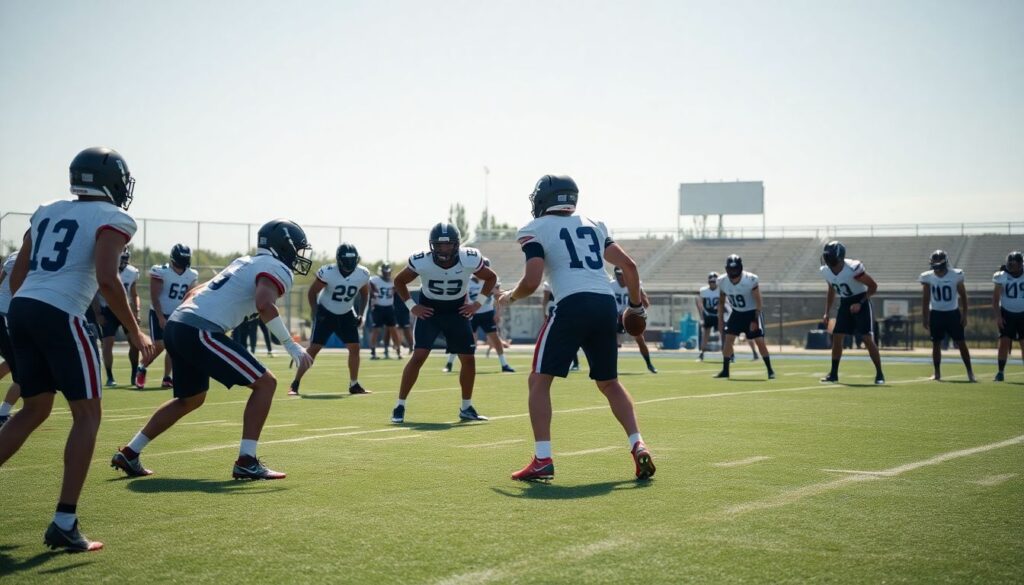
- Pick one safe field blitz, one boundary blitz, and one interior blitz that all preserve contain.
- Pair them only with your best base coverage, nothing exotic.
- Walk through communication and fits slowly, then progress to full-speed team reps.
- Call them early in practice and early in games so players build confidence and timing.
Pro tip: In games, call your simplest, most repped pressure first; wait to use tags and variations until the defense is settled and tackling well.
Personnel Matchups: Leveraging Athletes to Neutralize Playmakers
Use this checklist to evaluate whether your matchup plan is working and safe for your players.
- Your top cover player is aligned on their top receiver in every critical situation you can control.
- Your fastest linebacker or nickel is involved in dealing with their primary screen or RPO threat.
- Your best edge setter is to the side where they prefer to run outside zone, pin-and-pull, or boot.
- You avoid asking one player to play a completely different role than they practice weekly.
- Your interior linemen who anchor best are on the field against heavy and short-yardage formations.
- Rotations at safety and corner are planned so players are fresh for obvious pass downs.
- No player is covering in space or blitzing from a technique they have not safely repped in practice.
- Sub-packages (nickel, dime, goal-line) are limited enough that players know their jobs cold.
- You can quickly state, before each game, how you are handling their top two pass threats and top two run concepts.
Pro tip: When in doubt, sub to get more speed on the field against spread sets and more size against heavy sets, but only if the substitutions are practiced and organized.
Situational Playcalling: Third-Down and Red-Zone Gameplans
These are common mistakes that damage situational defense even in otherwise solid systems.
- Using your entire call sheet on third down instead of a small, rehearsed menu.
- Playing the same coverages in the red zone that you play in open field, ignoring compressed space.
- Calling high-risk all-out blitzes on long yardage without a safe check against screens.
- Failing to identify favorite third-down formations and route combinations on film.
- Overreacting to one trick play and abandoning your core third-down plan.
- Ignoring down-and-distance tendencies and calling as if every third down is the same.
- Not practicing third-down and red-zone as distinct periods with game-like pressure and substitutions.
- Leaving tired personnel on the field for long red-zone series instead of using a planned rotation.
- Blitzing in the red zone without clear leverage rules that protect quick inside throws and fades.
Pro tip: Script your first five third-down and first five red-zone calls based on film; adjust only if the offense shows a clearly different plan.
In-Game Diagnostics: Adjustments Between Series and Halves
When your primary gameplan is struggling, these alternative adjustment models can help without putting players at risk.
- Coverage-first adjustment model. If your rush is sound but coverage is losing, shift to more conservative shells and pattern-matching you already teach well. Limit new blitzes; emphasize leverage, depth, and tackling.
- Front-structure adjustment model. If you are getting gashed in the run game, change the front: move to an odd or even structure that puts more bodies in problem gaps, but keep your coverages familiar.
- Tempo-control adjustment model. Against no-huddle teams, slow the game with simple calls signaled early. Rotate more players, stand in one or two base looks, and prioritize alignment and tackling over disguise.
- Call-sheet reduction model. At halftime, cut the plan down to what players execute best. Remove low-confidence calls, including pressures that produced busts, and lean into your safest, most practiced tools.
Pro tip: Use a short post-series checklist with your staff: problem formation, problem play, who is struggling, and one specific adjustment for the next drive.
Practical Clarifications and Implementation Concerns
How many core calls should an intermediate-level defense carry into a game?
Carry only as many calls as you can rep confidently during the week. For many intermediate teams, a manageable menu is a few fronts, two to three base coverages, and three to five pressures that players can execute safely under game speed.
How do I introduce more disguise without confusing my secondary?
Start by changing only the pre-snap picture, not the post-snap responsibility. For example, keep the same coverage rules but adjust safety depth or corner leverage. Add one disguise at a time and drill it in walk-through before full-speed periods.
What is the safest way to expand our pressure package midseason?
Tag new pressures off existing ones so players keep familiar alignments and techniques. Avoid brand-new overload concepts; instead, change which defender comes or drops while preserving the same contain and interior fit rules.
How much should I copy from pro or college defensive playbooks?
Use pro and college material as a teaching reference, not as a direct template. Borrow simple ideas that fit your personnel and practice time, and avoid complex pattern-matching or stunt packages that your players cannot safely master.
How can I evaluate whether my gameplan is too complex?
If players struggle to align quickly, ask repeated questions on the sideline, or bust base calls in practice, the plan is too heavy. Trim the call sheet until you consistently see fast alignment, clear communication, and secure tackling.
How much time should I dedicate to third-down and red-zone each week?
Set specific practice segments for both situations in every main practice. Even short, focused blocks are effective if you use the same language and calls you expect to use under game pressure.
What is the best way to use clinics and courses to upgrade my system?
Choose a defensive football coaching clinic online or defensive football coaching courses that focus on your base structure and level. Take one or two ideas, implement them fully, and resist the urge to overhaul everything in one offseason.