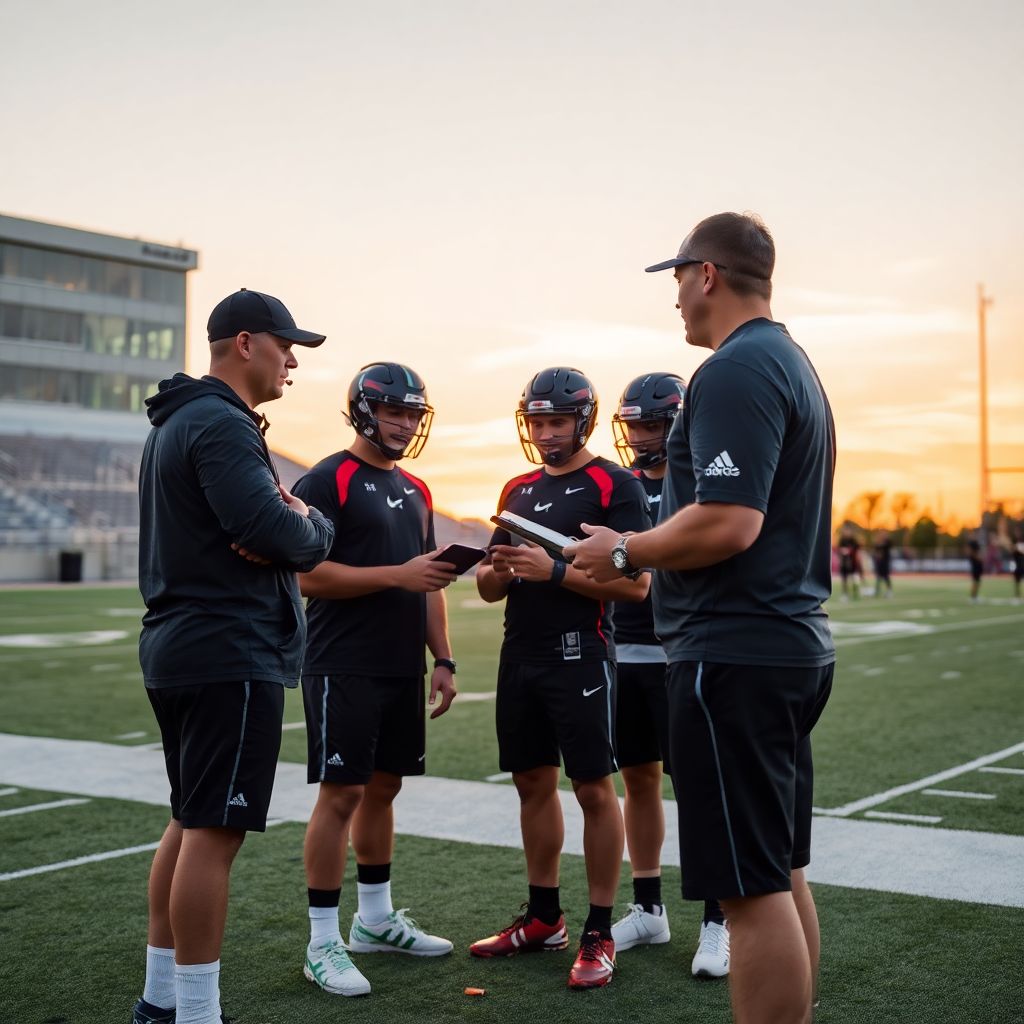
Wearables and data transform football training by quantifying workload, intensity, and recovery so coaches can individualize sessions, reduce injury risk, and track progress over time. By combining football wearable technology, GPS trackers for football training, and simple software workflows, you can turn raw sensor streams into clear, safe, day‑to‑day coaching decisions.
Performance objectives and executive summary
- Clarify why you are adopting football performance tracking devices: injury reduction, conditioning, tactical intensity, or talent development.
- Start with 1-2 core metrics (e.g., total distance and high‑speed efforts) before expanding to complex sports data analytics for football teams.
- Embed devices into existing drills instead of redesigning your entire training week at once.
- Use football training software and apps to automate reports, flag overload, and streamline feedback to players.
- Establish clear rules for data ownership, consent, and data sharing with medical staff and external providers.
- Review costs versus impact each block (e.g., pre‑season, in‑season) and be ready to downscale to essentials if ROI is unclear.
Integrating wearable systems into daily football training
Football wearable technology fits best when you already run structured sessions and want to tighten load control, not when basic coaching and organization are still unstable.
It typically suits:
- Clubs with at least part‑time staff able to charge, assign, and collect devices consistently.
- Teams following a weekly periodization model (e.g., match‑day minus cycles) where training load has a defined structure.
- Academy programs focused on long‑term development and objective benchmarks between age groups.
- Rehab and return‑to‑play workflows that need progressive, controlled exposure to high‑speed running and accelerations.
It is usually not a good fit when:
- Sessions are irregular, cancelled often, or routinely start late, making consistent data collection unrealistic.
- Coaches lack minimum digital literacy and cannot comfortably use a laptop or phone to review basic charts.
- Budget cannot support device maintenance, replacement straps, and occasional repairs over several seasons.
- There is no designated staff member responsible for data hygiene, charging, firmware updates, and backups.
To integrate devices with minimal disruption:
- Start with a pilot group – for example, one squad line (defenders only) or players returning from injury. Validate workflows before scaling to the whole roster.
- Anchor devices to existing routines – hand out units at the same point in the pre‑training meeting and collect them in the same spot after cool‑down.
- Limit metrics at first – agree on a small core dashboard (e.g., total distance, high‑speed distance, sprint count, player load index) for all staff.
- Provide a short player briefing – explain what is monitored, why, and how data will and will not be used (performance, health, contracts, selection).
- Set non‑negotiable data rules – no swapping vests, no taking devices off mid‑session, report any discomfort immediately.
Designing periodized, data-driven training cycles
To design periodized, data‑driven cycles you need a minimal but robust ecosystem of tools, access, and processes.
Core tools and infrastructure
- Reliable GPS trackers for football training or indoor‑ready tracking (LPS, optical) with enough units for your target squad.
- Heart‑rate or multi‑sensor straps when internal load monitoring is a priority (e.g., in congested fixture periods).
- Cloud‑based football training software and apps that can store sessions, tag drills, and produce weekly load summaries.
- Stable Wi‑Fi or wired internet in the training facility for rapid sync and backup after sessions.
Data, roles and access
- Coaching staff access to simple dashboards: daily load, weekly progress, red‑flag alerts.
- Performance/medical staff access to detailed metrics: high‑speed running distribution, accelerations, return‑to‑play templates.
- Leadership access to high‑level trends only: injury days, player availability, and broad workload patterns.
- Player access to clear, non‑technical summaries: progress bars, weekly targets, and simple comparisons to their own baseline.
Planning and templates
- Define reference weeks for your typical match schedule (e.g., one‑match week vs. two‑match week).
- Tag your main drills by objective (speed, small‑sided, tactical) and typical intensity so you can assemble sessions like building blocks.
- Prepare simple “load ladders” for pre‑season build‑up and post‑injury progressions using your sensor metrics.
Monitoring workload, fatigue, and injury risk with sensors
Before the step‑by‑step workflow, keep these risks and limitations in mind:
- Metrics cannot diagnose injuries; they only flag unusual load or changes that may warrant clinical assessment.
- Sensor errors, poor GPS signal, or loose straps can distort data; never act on a single odd reading.
- Over‑reliance on thresholds may push you to ignore athlete feedback or visual fatigue signs.
- You must protect sensitive health‑adjacent data and avoid using it punitively in selection or contracts.
-
Define your monitoring questions
Write down what you want sensors to answer, such as “Are we overloading high‑speed running mid‑week?” or “Is this player’s workload stable after injury?” Align staff on these priorities to avoid chasing every possible metric.
-
Standardize data collection routines
Ensure GPS and other football performance tracking devices are assigned to the same player each session, fully charged, and worn correctly.
- Check fit of vests and straps before warm‑up to avoid movement artifacts.
- Log session type, duration, and squad list so metrics are correctly attached to drills and players.
- Sync data as soon as possible after training to reduce loss or corruption.
-
Build individual and team baselines
Collect several weeks of relatively stable data before using thresholds aggressively. Use averages and normal ranges for each player and position instead of copying another team’s values.
- Flag large deviations from a player’s own typical load rather than arbitrary “good” or “bad” numbers.
- Track both external load (distance, speeds, accelerations) and internal load (heart rate where available).
-
Set safe, flexible alert rules
Create simple rules that trigger a review, not automatic decisions. For example, consecutive spikes in high‑speed running plus increased perceived fatigue can generate a discussion between coach, player, and medical team.
- Combine sensor data with wellness questionnaires and RPE (rating of perceived exertion).
- Use color codes or flags in your platform to highlight players needing closer observation.
-
Close the loop with medical and technical staff
Schedule short weekly meetings where staff review flagged players and trends. Document agreed changes to training for traceability and future learning.
- Adjust volume or intensity drills, not just total session duration.
- Record outcomes (e.g., player response, missed training) to refine thresholds over time.
Mini case example: managing a high-speed spike
A winger’s data shows unusually high high‑speed running on a Tuesday session compared with their baseline, while they also report heavy legs. The staff decides to reduce their sprint volume on Wednesday, extend recovery modalities, and re‑check metrics and self‑report before Thursday’s tactical session.
Converting sensor outputs into clear coaching actions

The table below links common sensor metrics to practical coaching decisions, without binding you to specific numeric thresholds.
| Sensor metric or pattern | Typical interpretation | Example coaching decision |
|---|---|---|
| Total distance and session duration much higher than usual | Overall external load spike that may increase fatigue if repeated | Shorten the next session or replace one high‑intensity block with technical work at low intensity. |
| High‑speed running and sprints elevated, with normal total distance | Increase in neuromuscular demand, especially for hamstrings and calves | Reduce sprint repetitions next day, add hamstring‑focused strength, and monitor posterior chain soreness. |
| High accelerations/decelerations in small‑sided games | Frequent mechanical load on joints despite short pitch size | Balance small‑sided games with larger‑area, flowing drills to spread mechanical stress. |
| Internal load (heart rate, RPE) higher than usual for similar external load | Possible accumulated fatigue, poor recovery, or early illness | Discuss sleep, stress, and nutrition; consider reducing intensity or substituting the player earlier in the next match. |
| Reduced high‑speed running for a player returning from injury | Under‑exposure to match‑specific demands | Plan controlled top‑up sprints in training to safely bridge gap toward competitive levels. |
Use this checklist to ensure sensor data is consistently translated into action:
- Each key metric in your dashboard is linked to at least one predefined coaching response.
- Staff can explain metrics to players in simple language without referring to raw device terminology.
- Coaches review data early enough in the day to adjust the upcoming session, not after it.
- Discrepancies between “what we planned” and “what we actually did” are discussed weekly.
- Load decisions consider both team‑level needs and individual player history and position.
- Sensor insights are integrated into match preparation and debrief, not kept separate in performance staff silos.
- When data conflicts with visual impression, staff double‑check device quality and ask the player before changing plans.
Data governance, player consent and cybersecurity in teams
Common mistakes around data governance and cybersecurity can damage trust and create legal exposure.
- Collecting more data than needed “just in case,” increasing risk if systems are breached or misused.
- Failing to provide clear, written explanations of what is collected, why, and for how long it is stored.
- Not obtaining informed consent from players, particularly when using third‑party cloud platforms or sharing clips externally.
- Using shared logins for football training software and apps, making it impossible to audit who accessed or changed data.
- Storing unencrypted backups on personal laptops, USB drives, or unsecured shared folders.
- Allowing staff or external consultants to export player data and keep copies after they leave the organization.
- Discussing sensitive metrics (e.g., injury‑related data) in public team areas where others can overhear.
- Ignoring local data protection regulations and league policies about athlete monitoring and health information.
Measuring ROI: performance gains, efficiency and costs
When full wearable ecosystems are not feasible, several alternatives can deliver value with lower cost or complexity.
- Session RPE and simple time tracking – players rate session difficulty; staff log duration and content. Suitable when budgets are low or technology acceptance is limited, yet you still want basic load monitoring.
- Video tagging and manual event coding – staff tag high‑intensity actions, sprints, and duels from match and training footage. Useful when you already film sessions and need tactical context more than precise running metrics.
- Shared spreadsheets with benchmark targets – combine fitness test results, playing time, and perceived fatigue in a simple sheet. Appropriate for small squads where a dedicated analyst is unavailable.
- Partial device deployment – track only key positions or high‑risk players with football performance tracking devices instead of the full squad. Helpful as an intermediate step before scaling a full football wearable technology program.
Whichever approach you choose, define what success looks like in advance-such as fewer soft‑tissue issues, more consistent training intensity, or smoother return‑to‑play timelines-and review outcomes regularly against the costs in staff time, hardware, and subscriptions.
Practical concerns, limitations and fixes
How accurate are GPS trackers for football training in crowded or indoor environments?
GPS accuracy drops in covered or heavily obstructed areas, and some small‑sided drills occur in GPS “shadows.” Consider indoor‑capable systems (LPS, optical) or accept that certain drills are better evaluated through video and coach observation rather than precise distance metrics.
What if players refuse to wear football performance tracking devices?
Start with education and transparency: show players how data supports their health and careers. Offer a trial period, address comfort issues with better garments, and make sure data is not used punitively. In many contexts, voluntary uptake is more sustainable than strict enforcement.
Can small clubs benefit from sports data analytics for football teams without a full-time analyst?
Yes, but scope must be realistic. Focus on automated reports within football training software and apps, use simple color‑coded dashboards, and limit manual analysis to a few recurring questions, such as weekly load trends and post‑injury progressions.
How should we react when sensor data and coach perception do not match?
First, verify device placement and data quality, then ask the player about their sensations. Treat mismatches as useful signals to investigate rather than errors to ignore; adjust plans only after considering all three inputs: data, coach view, and athlete feedback.
Is it safe to apply another club’s threshold values to our team?
Directly copying thresholds is risky because contexts, playing styles, and player profiles differ. Use external values only as rough orientation, then build your own baselines and refine thresholds gradually as you collect team‑specific data.
What happens if our vendor’s cloud platform goes offline or out of business?
Regularly export and back up key reports in open formats so you are not locked in. Clarify in contracts how you can retrieve historical data and how long providers must keep systems accessible after service termination.
How do we avoid drowning in too many metrics and charts?
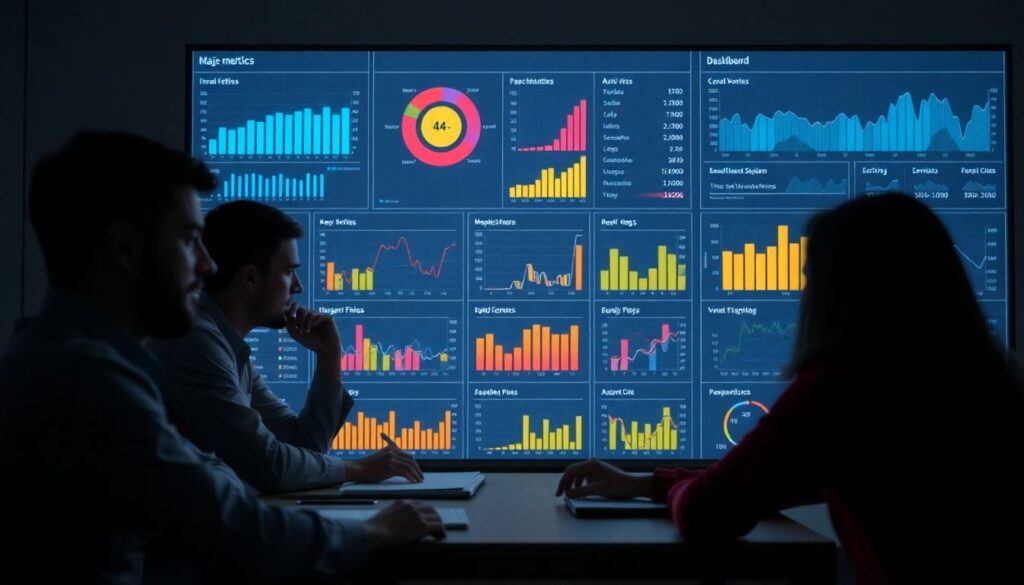
Define a small “decision set” of metrics tied to specific actions and hide or de‑prioritize the rest. Review this set each season and add complexity only when staff have mastered the current workflow and consistently act on the information.