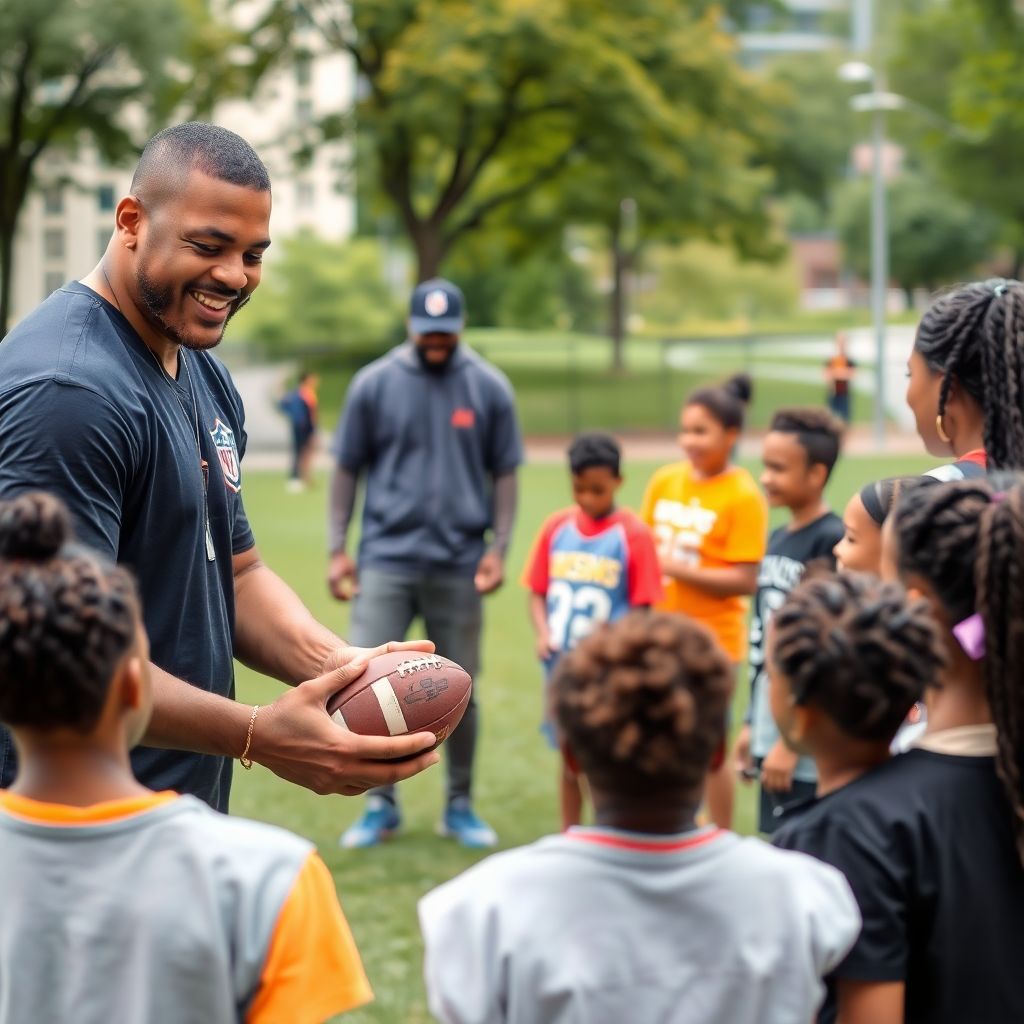
NFL players give back mainly through structured community programs, personal foundations, and partnerships with trusted nonprofits and schools. The safest path is to start small, define one clear cause, work with experienced community partners, and use transparent funding and reporting so every charity clinic, camp, or scholarship is credible, compliant, and sustainable.
Snapshot of Player-Led Community Initiatives
- Most impactful projects start from a clear personal story or local need, then translate into a focused yearly initiative or foundation program.
- Smart players lean on team community-relations, the NFLPA, or outside advisors instead of trying to run everything themselves.
- Partnerships with schools and nonprofits help with background checks, transportation, facilities, and safe-working-with-youth protocols.
- Funding often mixes appearance fees, personal giving, NFL player foundation donations, and corporate partners that sponsor NFL community programs.
- Simple metrics such as participation, retention, and graduation or job outcomes make community investments easier to defend to media and sponsors.
- Clear communication about how NFL charity events tickets, auctions, or merch are used builds trust and avoids reputational risk.
Designing Sustainable Community Programs: From Needs Assessment to Launch
This approach fits active and retired NFL players, agents, and team staff who want to turn good intentions into repeatable, low-risk community outreach. It is not ideal if the player has no time for consistent involvement, unresolved legal issues around charities, or no trusted advisor to help with governance and compliance.
- Clarify your why in one sentence. Example: “Use football to keep middle school kids in my hometown engaged after school and on track to graduate.”
- Do a quick needs scan, not a guess. Talk to 3-5 local leaders (principal, youth pastor, parks director, nonprofit CEO) before you pick your program.
- Choose one primary audience. For instance: elementary literacy, middle school mentoring, high school career pathways, or support for youth in foster care.
- Pick a focused format. Examples: seasonal youth camp, year-round mentoring, scholarship fund, health screenings, or financial literacy workshops for parents.
- Write a one-page concept note. Include: goal, who you serve, what you will do, rough calendar, and rough budget; this becomes your internal playbook.
- Map existing programs before you build new. You might plug into a strong existing nonprofit instead of starting a separate foundation from day one.
- Decide your personal time commitment. Be realistic about games, travel, and offseason so you do not overpromise appearances or mentoring time.
- Start with a one-year pilot. Plan a small, safe pilot before anything permanent; after the season, evaluate what worked and what to change.
Forming Effective Partnerships with Local Nonprofits and Schools
Strong partnerships keep players out of operational weeds and reduce risk with youth and money handling. To build them properly, you need some basic tools, access, and boundaries in place.
- Gather your baseline documents. Prepare a simple one-page bio, short cause statement, professional headshots, and a list of any existing community activities.
- Identify 3-7 target partners. Look for nonprofits and schools already serving your audience, with clean reputations and clear safety policies.
- Ask teams and the league for intros. Use team community-relations, the NFLPA, and league offices to surface vetted partners and NFL players community outreach programs funding options.
- Set clear collaboration goals. Example: “Host two co-branded reading events” or “Provide 25 internships with one corporate partner and one local college.”
- Confirm background-check processes. Ensure any work with youth goes through partner-run background checks and established codes of conduct.
- Define roles in writing. Spell out who handles logistics, transportation, staffing, media, and reporting; keep agreements simple but written.
- Align calendars early. Match your offseason and bye weeks with school calendars, testing windows, and nonprofit busy seasons.
- Plan for continuity when you change teams. Build structures so local coaches, teachers, or nonprofit staff can keep the program running if you move.
Funding Models, Budgeting, and Transparent Financial Practices
Before you choose a funding model or start collecting checks, use this quick preparation list to stay safe and organized.
- Confirm with your agent, financial advisor, and lawyer that you are allowed to create or endorse a charitable initiative in all current contracts.
- Decide whether you will run your own foundation, work through an existing nonprofit, or direct funds via a donor-advised fund.
- Assign one trusted professional (not a family member) to oversee bookkeeping, receipts, and reporting.
- Set a personal giving cap each year so philanthropy never jeopardizes your own financial security.
- Draft a simple policy on what you will and will not fund to avoid pressure from friends and distant acquaintances.
-
Choose the right giving structure.
Decide between (a) partnering with an existing 501(c)(3), (b) starting a private foundation, or (c) using a donor-advised fund at a reputable institution.- Option (a) is fastest and simplest for most players.
- Options (b) and (c) require professional legal and tax advice.
-
Map your revenue streams.
List realistic sources: personal contributions, small recurring gifts, proceeds from NFL charity events tickets and auctions, corporate partnerships with NFL charities, and digital campaigns.- Avoid promising naming rights or logos until sponsors are contracted.
- Stay conservative; only budget confirmed or very likely funds.
-
Build a simple, conservative budget.
Outline expected costs: staff or contractor support, venue and equipment, transportation, insurance, marketing, and evaluation.- Separate “program costs” (impact on people) from “administration” (overhead and operations).
- Include a contingency line for unexpected safe-guard measures like extra security or medical staff.
-
Design a clear approval process for spending.
Decide who must sign off on expenses and at what amounts, so no one can misuse funds or commit you without permission.- Require at least two people to approve large payments.
- Keep written records of every approval and payment.
-
Set transparent donor communication rules.
Communicate how money is used and how much goes directly to programs versus operations.- Post plain-language explanations on your website or social pages.
- Give sponsors and fans a simple annual summary of impact tied to dollars spent.
-
Use safe, trackable payment channels.
Collect donations only through reputable processors or partner nonprofits, never via personal cash apps or untraceable cash.- Reconcile donation reports with bank statements monthly.
- Avoid anyone asking you to route charitable funds through their personal accounts.
-
Review finances at least once a year.
With your advisor and accountant, check that spending matches mission, reserves are healthy, and compliance filings are on time.- Adjust the next year’s budget based on what was actually spent and what truly worked.
- Use this review to refine how you pitch sponsors and communicate outcomes.
Measuring Impact: Metrics, Data Collection, and Reporting
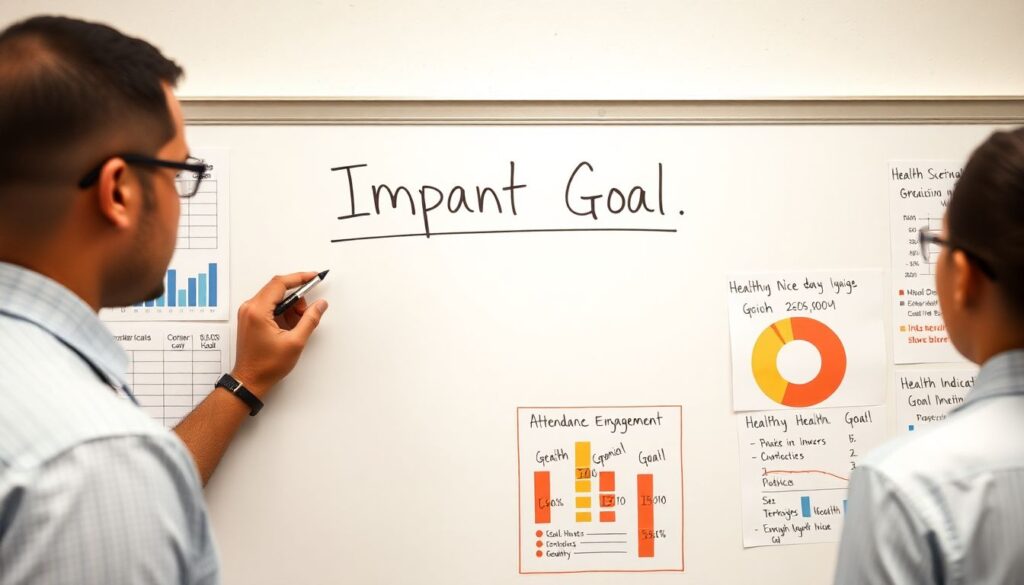
- Write a one-sentence impact goal. Example: “Increase the number of 9th graders who stay on track to graduate at Central High.”
- Pick 3-5 primary metrics. Options: attendance, completion of sessions, school engagement, GPA bands, basic health indicators, or job placements.
- Decide how you will safely collect data. Work through schools or nonprofits so student or health data stays protected and anonymized.
- Track participation consistently. Use simple sign-in sheets or digital check-ins so you know who actually attends and completes the program.
- Add at least one outcome measure. For example, pre/post surveys about confidence in reading, financial literacy, or leadership, managed by your partner organization.
- Gather simple stories and quotes. Ask partners to collect brief testimonials from participants, parents, and teachers with written consent.
- Review results with partners each season. Hold a short debrief: what worked, what did not, and what should change before the next cycle.
- Share impact summaries with funders. Turn your metrics and stories into a one-page report for sponsors, media, and fans who support or sponsor NFL community programs.
- Protect privacy in public reporting. Avoid sharing sensitive details; use aggregated data and first names only unless you have explicit permission.
Communications Playbook: Media, Branding, and Advocacy for Causes
- Over-promising appearance time. Announcing that you will be at every clinic or session sets up disappointment when the schedule changes; commit only to what you can realistically attend.
- Leading with self-promotion instead of community. Media and fans respond better when the focus is on participants, partners, and outcomes, not just highlight reels of you.
- Confusing fundraising messages. If people cannot tell whether they are paying for game-day experiences, NFL charity events tickets, or direct program support, they will trust you less.
- Mixing business and charity branding. Keep for-profit endorsements, apparel lines, and charitable initiatives visually and legally distinct to avoid regulatory and reputational issues.
- Inconsistent messaging across platforms. Align website, social media, press releases, and partner sites around the same mission statement and program descriptions.
- Ignoring local media and community voices. Over-focusing on national coverage can weaken local relationships; prioritize local reporters, school newsletters, and community radio.
- Speaking on sensitive topics without preparation. When addressing health, equity, or justice issues, coordinate messages with experienced partners who work on those topics daily.
- Not training staff and volunteers. Anyone representing your program should know the key talking points, safety rules, and how to handle media questions.
- Failing to thank supporters publicly. Recognize donors, volunteers, and businesses that sponsor NFL community programs or corporate partnerships with NFL charities in a consistent, humble way.
Legal, Risk Management, and Operational Safeguards
There are several safe structures players can use depending on time, risk tolerance, and desired control. Each option works best in different situations.
- Partner-first model with existing nonprofits. Ideal for players who want maximum impact with minimum legal risk and administration. You lend your name, time, and fundraising support to a trusted organization that already has policies, insurance, and staff.
- Donor-advised fund with targeted grants. Suitable when you want long-term giving flexibility without running a foundation. You and your advisors recommend grants to vetted organizations, including NFL players community outreach programs funding opportunities.
- Player-led foundation with professional management. Appropriate for players committed to a long-term legacy who can fund professional staff, legal, and accounting support and are ready for full regulatory responsibility.
- Team and league-aligned campaigns. Best when you prefer to plug into structured league initiatives, directing a portion of endorsements or appearances toward established programs rather than building your own organization.
Common Practical Questions Players and Teams Face
Do I need my own 501(c)(3) foundation to start helping my community?
No. The safest starting point is to work through an experienced nonprofit, school, or donor-advised fund. You can host camps, clinics, or scholarship drives under their umbrella before deciding whether a separate foundation is necessary.
How much time should I personally commit during the season?
Plan for fewer, high-quality touchpoints in-season and more intensive activities in the offseason or bye weeks. Clarify your realistic availability up front so partners can design programs that do not depend on you being present every week.
What is the safest way to handle donations and ticket-related fundraising?
Route all funds through established processors or partner nonprofits, and clearly label what each purchase supports. For items like NFL charity events tickets or auctions, make sure terms and beneficiaries are written and publicly visible.
How can corporate partners support without controlling the mission?
Use written agreements that define your mission first, then specify how brands will support it. Corporations can sponsor NFL community programs with funds, volunteers, and amplification, while you keep final say on activities and messaging.
What if I change teams or retire and my program is city-based?
Design programs so local partners and staff can run day-to-day operations without you. You can remain a spokesperson and donor while gradually shifting some responsibilities or expanding to your new city.
How do I protect myself when working with kids and vulnerable groups?
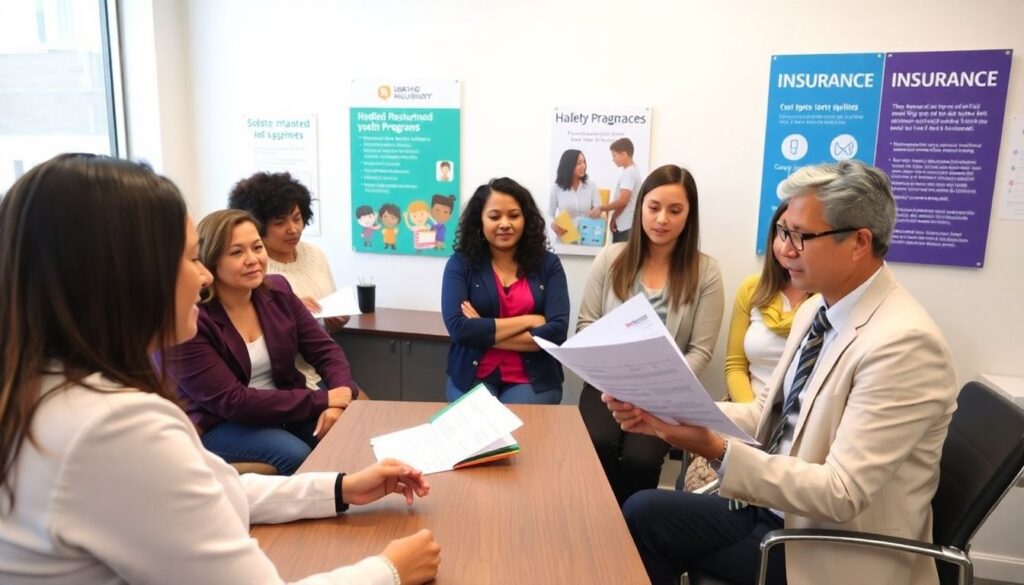
Always operate through organizations with strong child-safety and background-check policies, never meet minors alone, and ensure events are properly supervised and insured. Get legal advice before launching anything involving housing, health care, or financial products.
How do I decide between a foundation, donor-advised fund, or only partnerships?
Consider your time, desired control, and willingness to manage compliance. Many players start with partnerships, move to a donor-advised fund as giving grows, and only create a foundation when they have a clear long-term program and professional staff.