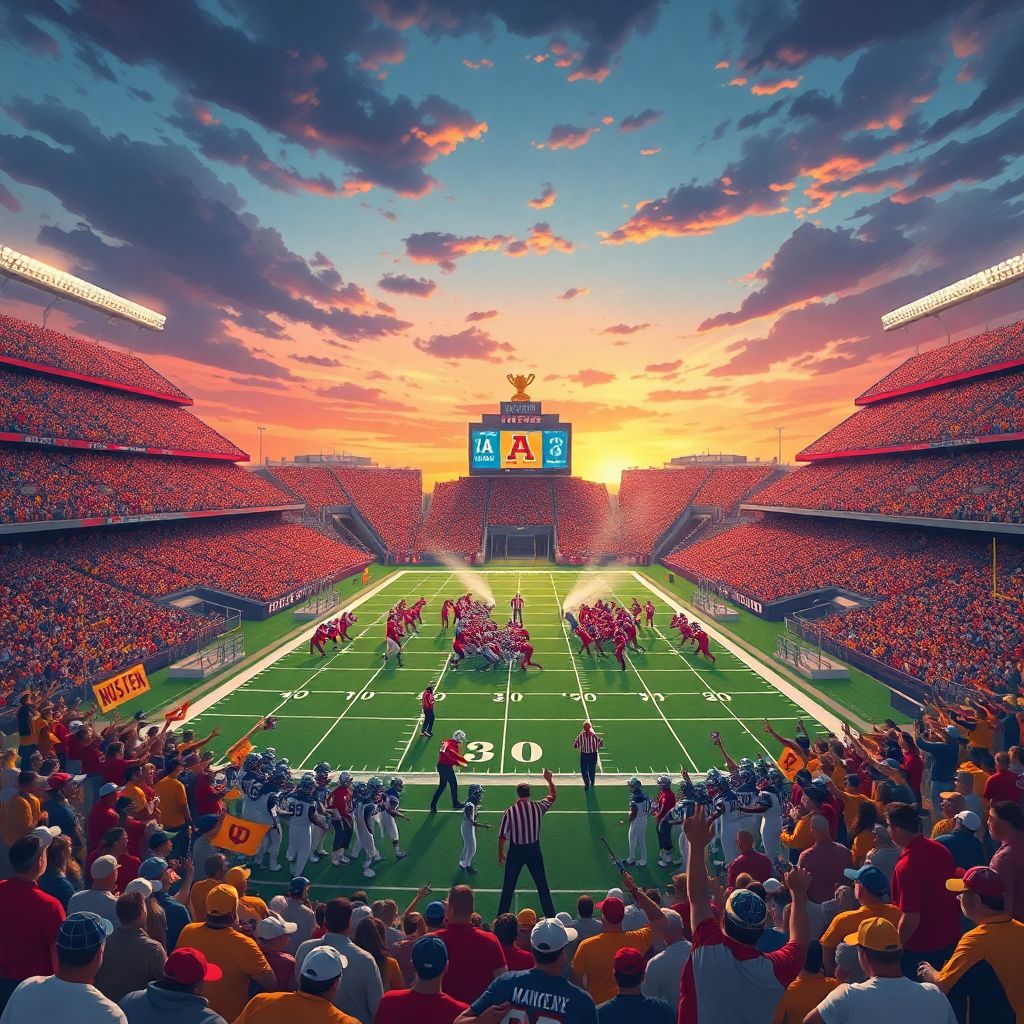
Iconic Rivalries: Why These Games Feel Bigger Than the Sport
Historical Background: How College Football Rivalries Became Institutions
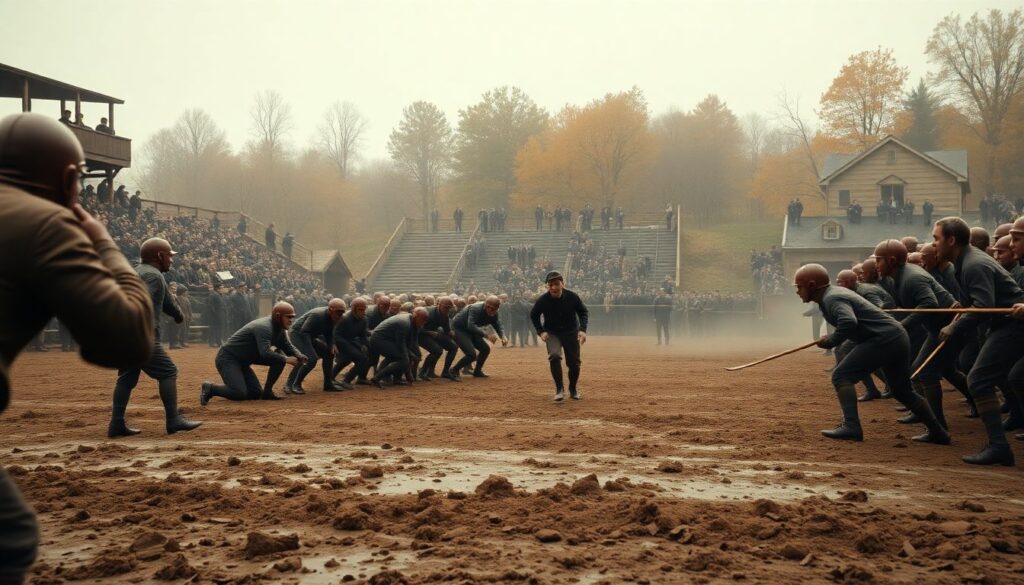
Long before TV contracts and social media hype, college football rivalries were about geography, pride, и a dash of resentment. Many of the most iconic series started in the late 1800s and early 1900s, when campuses were small worlds of their own and neighboring states felt like different countries. The Ohio State–Michigan showdown dates back to 1897; the Iron Bowl between Alabama and Auburn first kicked off in 1893. Over time, these annual meetings became cultural anchors: parades, bonfires, alumni reunions, and packed stadiums turned a three‑hour game into a multi‑day ritual. By the 1970s, rivalry weeks were already driving some of the highest radio and TV audiences in all of American sports, cementing their status as national events rather than just regional grudge matches.
Historical Background: Recent Numbers That Prove the Obsession
If we look at the most recent three completed seasons (2021–2023), the data shows that rivalry games are still the heartbeat of college football. According to NCAA figures, average FBS attendance hovered around 39–41 thousand, but many rivalry games blew past that mark. In 2021, Michigan–Ohio State drew over 111,000 fans in Ann Arbor; in 2022, Tennessee–Alabama packed in more than 101,000; in 2023, the Iron Bowl again crossed the 87,000 mark. TV metrics follow the same pattern: the 2021 and 2022 editions of “The Game” regularly landed in the top three most‑watched regular‑season matchups, often exceeding 15 million viewers. Even in years without playoff implications, rivalry clashes outperformed most conference title games in ratings, underlining that narrative and history can rival pure championship stakes.
Basic Principles: What Actually Makes a Rivalry “Iconic”?
Emotional Architecture: Identity, Memory, and Stakes
At the core, an iconic rivalry is less about rankings and more about identity. Fans are not just rooting for a team; they’re defending a way of life tied to a school, conference, or region. Sociologists would call these games “identity performances”: students paint their faces, alumni rearrange weddings, and entire towns plan around kickoff. Over decades, specific moments—last‑second field goals, controversial calls, legendary comebacks—become shared memories passed down like family stories. The crucial point is continuity: the same opponent, roughly the same time every year, framed as a test of who “we” are versus who “they” are. That emotional scaffolding gives even a 5–6 team a sense of urgency when it’s rivalry week.
Structural Ingredients: How Rivalries Sustain Themselves
Behind the passion, there’s a fairly consistent structure. Iconic rivalries tend to share several traits: long series history, relatively balanced all‑time records (or at least long stretches of parity), overlapping recruiting territories, and regular competitive stakes—division titles, conference crowns, or playoff implications. Over the last three seasons, you can see how structure feeds intensity. The 2021 and 2022 Michigan–Ohio State games essentially served as Big Ten title previews and unofficial playoff quarterfinals. In the SEC, Alabama–LSU and Alabama–Auburn often determine who controls the division. Even when the national picture shifts—like the expanded playoff format—administrators deliberately preserve these matchups on the schedule, recognizing that they drive gate revenue, TV deals, and donor engagement in a way ordinary games simply can’t replicate.
Core Principles of Iconic Rivalries
1. Repetition with variation – The same opponents meet every year, but circumstances change: different stars, coaches, and stakes. Fans know the script template yet crave each new episode.
2. Shared geography, divided loyalties – Whether it’s neighboring states or split households, proximity amplifies trash talk and emotional fallout. Monday at work or in class feels very different depending on the score.
3. Symbolic trophies and rituals – From the Paul Bunyan Trophy to golden boots and axes, physical symbols transform a win into something tangible. Over the last three years, social media engagement around trophy photos and postgame traditions has surged, showing that people respond not just to the scoreboard, but to the storyline encoded in these objects and ceremonies.
Examples in Practice: How Rivalries Play Out On and Off the Field
On‑Field Drama: Recent Seasons Under the Microscope
Look at actual games from 2021–2023 and you can see the rivalry effect in action. Tennessee’s 52–49 win over Alabama in 2022 snapped a 15‑game losing streak; fans rushed the field, tore down the goalposts, and social feeds were flooded with images that doubled as powerful recruiting tools. In 2021, Michigan’s upset of Ohio State not only broke a long drought but shifted the Big Ten balance of power and directly influenced the College Football Playoff race. Rivalry pressure also magnifies coaching decisions: fourth‑down gambles, trick plays, and aggressive clock management appear more often because careers can hinge on these ninety‑odd snaps. Statistically, these games tend to feature higher volatility—more turnovers and momentum swings—as players lean into risk in search of legacy‑defining moments.
Fan Experience: Tickets, Travel, and the Business of Emotion
Off the field, rivalries are economic engines. Demand for college football rivalries tickets routinely pushes prices far above standard regular‑season contests, especially in smaller stadiums or when both teams are ranked. Over the last three years, secondary‑market data has consistently shown rivalry weekends among the most expensive dates on the calendar, often rivaling conference championship games. That has encouraged schools, boosters, and travel agencies to build college football rivalry weekend travel packages, bundling flights, hotels, tailgate access, and sometimes meet‑and‑greets with former players. At the same time, savvy fans hunt for cheap college football rivalry game tickets months in advance, tracking price dips after early‑season losses. The entire ecosystem reflects a simple truth: people will pay a premium for a story they feel personally invested in.
Culture, Commerce, and Memory: Beyond the Final Whistle
The cultural footprint continues long after the stadium empties. Rivalry results quickly show up in recruiting pitches, campus tours, and donor calls: highlight reels from the last three seasons are weaponized to sway high‑school prospects and open alumni checkbooks. Merchandise plays an outsized role here; limited‑edition college football rivalry merchandise tied to dramatic wins or milestone anniversaries sells out quickly, turning T‑shirts and hoodies into wearable memory tokens. Over time, these objects—tickets, programs, rally towels—accumulate into personal archives that keep the emotional charge alive between seasons. From a marketing standpoint, the rivalry brand becomes a standalone asset: even neutral fans who just want the best college football rivalry games to attend each year will circle these dates because they promise atmosphere and narrative stakes that ordinary games can’t match.
Common Misconceptions: What People Often Get Wrong
Misconception 1: Rivalries Only Matter When Teams Are Elite
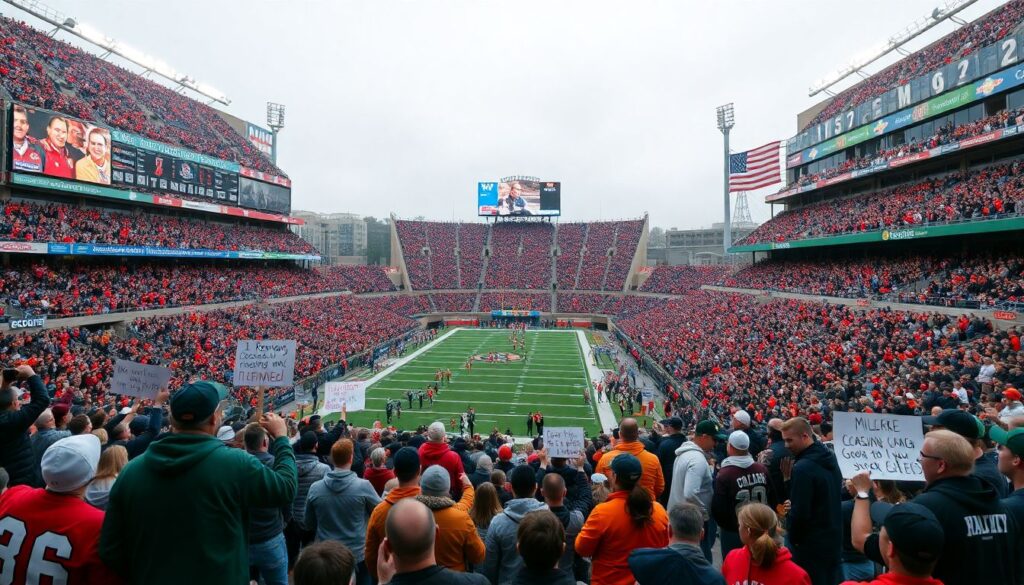
One stubborn myth is that a rivalry game loses significance if both programs are having down years. Attendance and ratings data from 2021–2023 contradict this. Even when one side was unranked or in transition after a coaching change, traditional showdowns still drew well above each team’s season average. The emotional stakes don’t reset with the AP Poll; bragging rights, historical records, and local pride keep the game relevant. Upsets in those “down” years often become the stories fans tell longest, precisely because they happen against the broader narrative. For players, beating a rival in a rebuilding season can create momentum that carries into recruiting cycles and off‑season workouts in ways a routine non‑conference win never could.
Misconception 2: Rivalries Are Purely Organic and Can’t Be Engineered
Another common belief is that rivalries simply “happen” and can’t be shaped by policy, media, or money. While you can’t manufacture a century of history overnight, recent conference realignments—and the last three seasons of scheduling gymnastics—show how administrators actively engineer conditions for rivalries to thrive. Protected cross‑division games, prime TV windows, and marketing campaigns like “Rivalry Week” all nudge fans to treat certain matchups as must‑watch events. Broadcasters lean into this by revisiting archival footage, mic’ing up players, and building week‑long content arcs. Over time, these institutional choices reinforce narrative patterns, helping newer or regional feuds gain national traction. Organic hostility may be the spark, but consistent framing and investment are the bellows that keep the fire burning.
Misconception 3: Rivalries Are Just Another Product of Commercialization
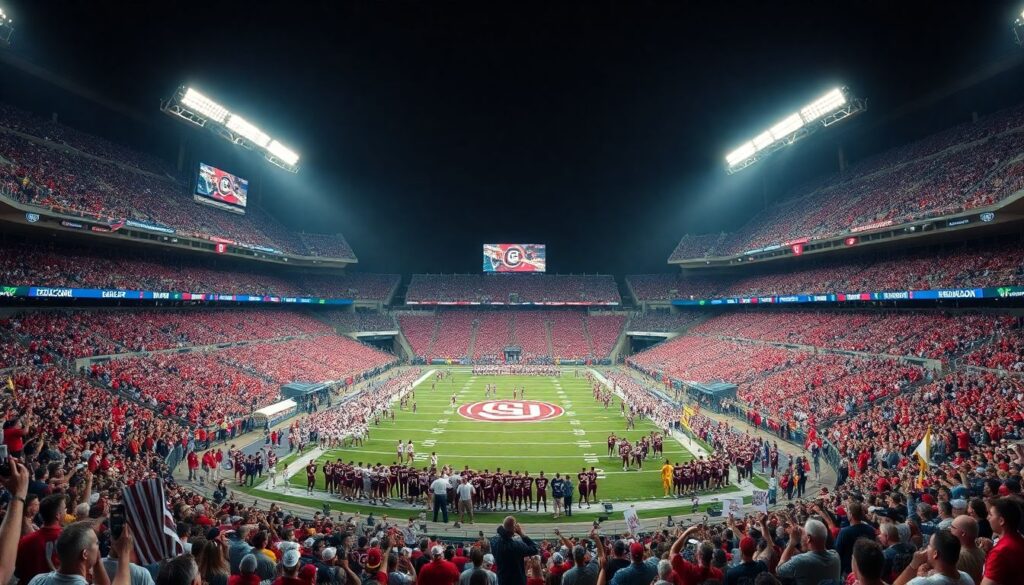
It’s tempting to assume that modern hype around rivalry games is purely a by‑product of commercialization. There’s some truth—media rights and sponsorships absolutely magnify exposure—but that explanation ignores how these games predate the revenue boom by decades. Surveys from the past three seasons show that a significant share of fans attending rivalry games are alumni or locals with multi‑generational connections to the schools, not just casual entertainment seekers. The commercialization piece mostly scales what was already there: instead of friends arguing at a bar, you now have millions sounding off on national broadcasts and social platforms. Rather than erasing authenticity, the business layer coexists with deep‑rooted sentiment; the trick for schools and conferences is to monetize without diluting the ritual that makes these matchups feel irreplaceable.