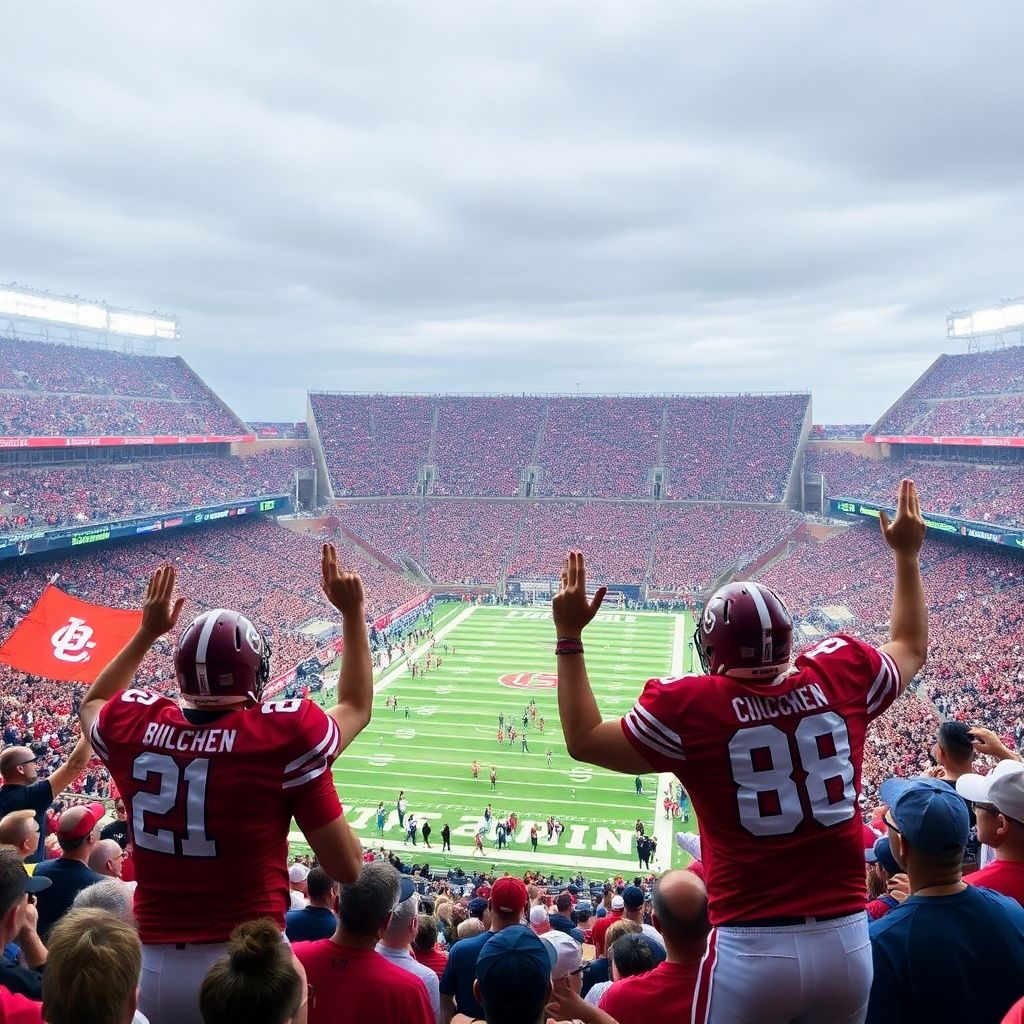
College football rivalries are recurring matchups charged with history, regional pride, and emotional stakes that go beyond regular games. They emerge when teams face each other often, games affect legacies, and fans build traditions around the contest. If those elements endure across generations, then the series becomes a true rivalry.
Defining a Rivalry: What Makes a College Football Game Truly Historic
- If games regularly shape seasons or reputations, then the matchup is a rivalry candidate, not just a schedule date.
- If fan bases circle the date months in advance, then the emotional calendar is telling you it is special.
- If traditions, nicknames, and rituals cluster around one opponent, then the game is part of a deeper story.
- If alumni measure eras by wins and losses against one school, then that series drives long-term identity.
- If media, money, and recruiting all spike around a particular game, then you are likely watching a flagship rivalry.
Roots and Rival Origins: How Early Matchups Shaped Long-Term Feuds
At its core, a college football rivalry is a repeated meeting between two programs that slowly gains emotional and historical weight. Early games plant the seeds: if teams are close in ability, play frequently, and contests stay competitive, then grudges, memories, and narratives start to accumulate.
Geography matters right from the beginning. If campuses sit in the same region or recruit the same high schools, then players and fans are already competing off the field, which makes on‑field clashes feel personal. Over time, shared history hardens into expectation: this is the game everyone must win.
Imagined example: two neighboring schools split their first few matchups, each side claiming moral victories and controversial calls. If one team spoils a promising season for the other, then that moment becomes a reference point. Stories from that day are retold to new generations, who inherit the rivalry rather than discover it.
Definitions also have limits. Not every annual opponent, even a long-standing one, qualifies. If games are lopsided for years, fans stay mostly polite, and there are few consequential moments, then you are probably looking at a series, not a rivalry. Historic rivalries require tension, not just tradition.
Regional Identity and Fan Culture: The Geography of Intensity
Rivalries deepen because they mirror local identities, values, and even stereotypes. If you understand the regional map, then you understand much of the emotional map of college football.
- If the schools represent different sides of a city, state, or border, then fans often project local pride and resentment into the matchup.
- If one campus is seen as urban and the other rural, or one as working‑class and the other elite, then the rivalry becomes a cultural argument as much as a game.
- If alumni networks cluster in the same job markets, then coworkers talk trash all year, making the game part of office and community life.
- If students and families plan their year around the rivalry weekend, then surrounding activities like tailgates, parades, and watch parties become a regional festival.
- If you are considering college football rivalry weekend travel packages, then you are tapping into this festival effect: the trip is as much about local culture as the final score.
- If fan bases produce songs, chants, or viral moments specifically for one opponent, then the rivalry is shaping how the community expresses itself.
- If fans proudly wear rivalry‑specific gear around town, then culture and commerce are reinforcing the same emotional storyline.
Pivotal Games and Turning Points That Redefined Rivalries
Pivotal games act like hinges in rivalry history. If a particular contest changes how both sides talk about the series, then it becomes a turning point everyone references afterward.
- Season‑spoiling upsets: If a heavily favored team chasing a championship loses to its rival, then that defeat can define the season more than any earlier success.
- Comebacks and collapses: If one side erases a huge deficit late, then the other fan base may replay that collapse for decades as a nightmare and cautionary tale.
- Coaching debuts and farewells: If a new coach wins a rivalry game early, then fans often treat that as proof of fit; if a veteran coach repeatedly loses it, then pressure for change intensifies.
- Controversial calls: If officiating decisions appear to swing a crucial game, then conspiracy theories and bitterness can keep the rivalry burning even during quieter eras.
- Streak breakers: If one team ends a long run of losses with an emotional win, then the rivalry can feel suddenly reset, giving both sides renewed energy.
- High‑visibility matchups: If a rivalry game is featured in national highlight packages or primetime windows, then the audience for its big moments multiplies, cementing its place among the best college football rivalry games 2024 viewers will talk about.
Trophies, Traditions, and Rituals: Symbols That Sustain the Hate
Symbols and rituals give shape to rivalry emotion. If a game has its own trophy, nickname, or elaborate pregame routine, then that identity helps the contest stand out from the rest of the schedule.
Benefits of Trophies and Traditions
- If players physically lift or carry a rivalry trophy after the game, then the win feels tangible and photogenic for fans and recruits.
- If the series has a distinctive name, then media and marketers can brand the matchup, keeping it front‑of‑mind all season.
- If rituals involve both campuses (for example, visiting bands, shared chants, or postgame ceremonies), then the rivalry feels like a shared performance, not just a scoreboard contest.
- If fans buy rivalry‑specific apparel and trinkets, then college football rivalry game merchandise becomes a way to display loyalty all year.
- If alumni pass down these symbols to family members, then traditions become part of personal identity, not just college memories.
Limitations and Potential Downsides
- If schools rely only on trophies and names without competitive games, then the rivalry brand can feel hollow to neutral observers.
- If traditions become too hostile or unsafe, then administrators may step in, changing or banning rituals and unintentionally disrupting the rivalry atmosphere.
- If fans treat symbols as more important than sportsmanship, then the rivalry risks escalating into incidents that overshadow the sport.
- If marketing pushes rivalry merchandise too aggressively, then some supporters may feel the school is commodifying their emotions rather than honoring them.
Media, Money, and Momentum: How Coverage Amplifies Antagonism
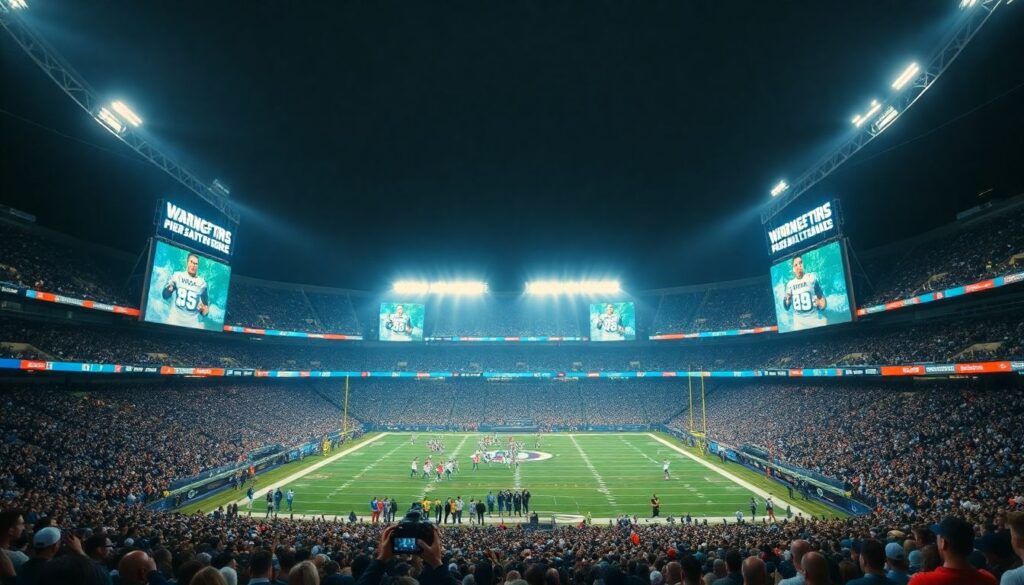
Modern rivalries live inside a media and business ecosystem. If coverage and commercial interests intensify, then the way fans experience the game also shifts.
- If television networks schedule a rivalry in a prime slot, then exposure and advertising revenue climb, pushing schools to treat the game as a flagship event.
- If streaming platforms promote where to watch college football rivalry games live, then even distant alumni can participate, broadening the emotional footprint.
- If broadcasters lean into dramatic narratives and exaggerate animosity, then casual viewers may see the rivalry as pure hatred instead of complex history.
- If social media reacts strongly to controversial plays or trash talk, then moments that once stayed local now echo nationwide within minutes.
- If dynamic pricing inflates college football rivalries tickets, then access can tilt toward wealthier fans, changing the in‑stadium sound and feel.
- If conferences realign or chase media deals that separate traditional rivals, then administrators face a trade‑off between short‑term revenue and long‑term rivalry health.
Program Effects: Recruiting, Coaching Decisions, and Alumni Influence
Rivalries are not just emotional; they shape strategy inside athletic departments. If leaders understand how these games affect recruiting and resources, then they can plan with clearer priorities.
Consider a simplified chain of cause and effect:
If a program dominates its rival for several seasons,
then recruits may perceive that school as the region's top destination,
then more talent flows in, reinforcing on‑field success,
then donors and alumni increase giving, expecting continued superiority,
then facilities improve, and the cycle feeds on itself.
The reverse also applies. If a team repeatedly loses high‑profile rivalry games, then rivals can negatively recruit by highlighting those failures. If alumni start to see the program as second‑tier, then fundraising and patience shrink, raising the stakes of each future meeting even more.
Even coaching decisions shift under rivalry pressure. If a coach consistently wins most regular games but fails in the rivalry, then boosters may push for change anyway. If administrators cave to that pressure, then the rivalry is effectively rewriting job descriptions and performance standards.
Practical Checklist for Fans and Analysts
- If you are choosing which matchups to attend, then prioritize games with shared history, close geography, and traditions that extend beyond the stadium.
- If you are planning a trip, then look for college football rivalry weekend travel packages that bundle tickets, local tours, and fan events.
- If you are comparing atmospheres on TV, then track where to watch college football rivalry games live and notice how crowd energy varies by venue.
- If you are buying gear, then favor college football rivalry game merchandise that reflects specific traditions or inside jokes, not just generic logos.
- If you are analyzing a program's trajectory, then study its rivalry record over multiple seasons before drawing conclusions about culture and leadership.
Quick Clarifications and Common Misconceptions
Is every annual opponent automatically a rivalry?
No. If teams meet every year but games rarely affect rankings, emotions, or local bragging rights, then the series is regular but not necessarily a true rivalry. Rivalries need tension, stakes, and a sense of shared history.
Can a new matchup quickly become a real rivalry?
Yes, but only under the right conditions. If new conference pairings produce frequent, close, and high‑stakes games with contrasting cultures or styles, then what starts as a fresh matchup can evolve into a rivalry within a generation.
Why do some fan bases care more about the rivalry than championships?
Because rivalries are woven into identity. If fans grow up measuring success by one opponent, then beating that team can feel more personal and memorable than distant title races, even when championships matter on paper.
Are rivalry games always closer than other games?
Not always. If talent gaps or coaching changes widen, then rivalry games can become temporarily lopsided. However, the emotional volatility of these contests often leads to upsets or unexpectedly tight finishes.
Why are rivalry tickets usually more expensive?
Demand. If more fans want to be in the stadium for one specific game than there are seats, then prices for college football rivalries tickets usually climb, especially when teams are having strong seasons.
Do televised games weaken in‑stadium atmosphere?
They can, but not necessarily. If TV windows shift start times to awkward hours, then some local fans may stay home. At the same time, if broadcast coverage grows the fan base, then interest and noise can rise in the long run.
Can conference realignment permanently damage classic rivalries?
It can. If teams stop playing regularly or move to different media partners, then shared moments become rarer and younger fans lack fresh memories. Still, if schools schedule periodic nonconference meetings, then some of the rivalry feel can survive.