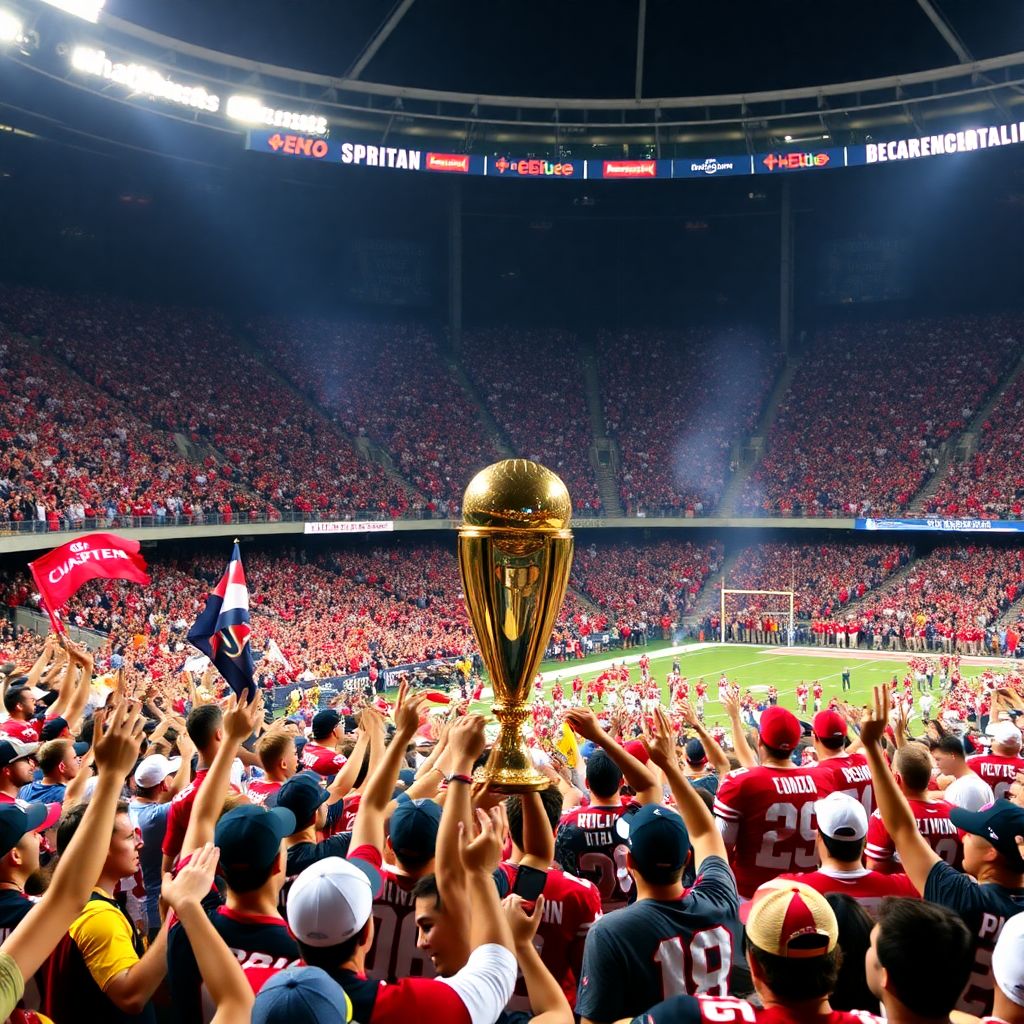
College football rivalries are recurring matchups between schools whose history, geography, and cultures turn a regular game into a high‑stakes event. They are defined by long series records, shared traditions, symbolic trophies, and emotional stakes that affect recruiting, coaching decisions, fan identity, and even how conferences schedule entire seasons.
Rivalry Essentials: What Defines the Biggest College Football Feuds
- Rivalries grow from repeated competition, regional proximity, and moments of controversy or high drama.
- The biggest college football rivalries shape recruiting, coaching careers, and national perception of programs.
- Traditions, trophies, and fan rituals keep the intensity fresh for new generations.
- Media coverage, playoff stakes, and conference realignment constantly reshape the meaning of these games.
- Fans can engage actively through travel, tickets, and memorabilia instead of just watching on TV.
Historical Roots: How the Oldest Rivalries Emerged
To understand college football rivalries history, start with how teams first met. In the late 19th and early 20th centuries, travel was limited, so schools mostly played nearby opponents. Proximity plus repeat games created familiarity. Familiarity plus competitive balance created resentment and bragging rights.
Over time, a few matchups turned into annual fixtures with nicknames, trophies, and lore. Events like disputed calls, last‑second scores, or perceived disrespect hardened these series into the biggest college football rivalries. Students, alumni, and local media retold the same key stories each year, weaving them into the identity of both schools.
The boundaries of a rivalry usually include: recurring games over many years, some form of cultural or regional contrast (public vs private, industrial town vs college town), and moments when the game decided championships or derailed a promising season. These shared milestones are what separate true rivalries from ordinary conference games.
Historical milestone timeline for classic rivalries
- Origins: First meeting and early years (late 1800s-early 1900s) when schools were defining their football programs.
- Expansion: Stadium growth, radio coverage, and rising crowds (roughly mid‑1900s) that turned local games into regional events.
- Nationalization: TV era onwards, when rivalry results started affecting polls, bowls, and eventually playoff rankings.
Checklist: Using history to decode any rivalry
- Identify the date of the first game and note key turning‑point seasons or controversial finishes.
- Map how often the teams have played and whether the series has long gaps or is nearly annual.
- List 3 famous games fans still mention; those moments usually define the rivalry narrative.
Regional Identity and Rivalry Dynamics: Geography, Culture, and Economics
Rivalries are powered by more than wins and losses; geography and culture supply constant fuel. Neighboring states or cities compete for jobs, media attention, and political influence. Football becomes the most visible scoreboard for those deeper tensions, giving fans a simple way to express local pride.
- Border battles: When schools sit near state lines, the rivalry can reflect cross‑border stereotypes and economic competition, turning a game into a symbolic referendum on which side is “better.”
- Urban vs rural contrasts: One school might sit in a big city, the other in a small college town, echoing different lifestyles, values, and fan cultures.
- Public vs private identities: Differences in tuition, tradition, and perceived elitism often spill into rivalry trash talk and fan narratives.
- Economic impact days: Rivalry weekends bring surges in local spending on hotels, food, and college football rivalry weekend packages, making the game a mini‑economic engine.
- Media markets and exposure: Local TV and radio stations amplify stories and grudges, while national networks frame certain rivalries as must‑watch events every year.
- Shared recruiting territories: When both programs recruit the same high‑school regions, each rivalry win can be spun as a selling point to future players.
Checklist: Reading regional dynamics in a matchup
- Look at a map and note borderlines, city size differences, and travel distance between campuses.
- Scan local news or fan forums to see how each side talks about the other community, not just the team.
- Check whether both schools recruit heavily from the same high‑school pipelines; that raises the stakes.
Iconic Case Studies: From Iron Bowls to Border Wars
Instead of memorizing theory, study a few emblematic rivalries to see patterns. The Iron Bowl, for example, concentrates an entire state’s football identity into one game, splitting households and workplaces. Similar structures appear in other matchups, even when the nicknames and trophies differ.
- State supremacy rivalries: Intra‑state games decide which program “owns” recruiting, bragging rights, and sometimes even political attention. These series often produce intense coaching pressure and legendary upsets.
- Cross‑border wars: Border rivalries dramatize neighboring states’ stereotypes-hard‑working vs flashy, traditional vs modern-and tie into historical migration, trade routes, and media overlaps.
- Military and academic identity games: Matchups involving service academies or highly selective universities add moral or intellectual stakes; fans frame victories as a win for a way of life, not just a scoreboard.
- Conference‑shaping showdowns: Some rivalries repeatedly decide division titles or championship game berths, so the emotional storyline overlaps with practical postseason consequences.
- Resurrected or disrupted series: Realignment has paused or reshaped several historic matchups; when they return, decades of unresolved arguments resurface at once.
- Ticket and travel showcases: The top college football rivalry games tickets are often bundled with hotel and tailgate experiences, turning a single matchup into a once‑a‑year pilgrimage for fans.
If you want to experience these dynamics firsthand, plan ahead around the biggest college football rivalries. Compare prices and dates for top college football rivalry games tickets, then layer on travel and tailgate plans so you can see both the on‑field drama and off‑field culture.
Checklist: Learning from case studies
- Pick 2-3 famous rivalries and outline their basic origin story, key turning points, and signature traditions.
- Note which games routinely affect conference titles or playoff paths; those have extra strategic weight.
- When buying tickets, prioritize matchups where both teams are competitive that season; the atmosphere is very different.
Game-Day Anatomy: Traditions, Trophies, and Rituals
Rivalry day compresses decades of stories into a few hours. Marching bands rehearse special medleys, alumni groups host oversized tailgates, and students plan card stunts or coordinated chants. Physical trophies-axes, bells, boots, and more-serve as visible proof of supremacy until the next meeting.
For fans, these rituals are practical entry points into the culture. You do not need a history degree; you can learn a chant, wear the right colors, and join a tailgate. Even purchases like the best college football rivalry merchandise or commemorative programs become part of how people remember a specific game.
Benefits of intense rivalry traditions
- Create shared memories that bond generations of fans, families, and alumni.
- Offer clear symbolism-trophies, songs, and rituals-that makes the rivalry easy to explain to newcomers.
- Boost local business through higher demand for food, lodging, and travel‑related services.
Limitations and potential downsides
- Overheated behavior can lead to unsafe tailgates, property damage, or harassment of opposing fans.
- Players and coaches may feel pressure that leads to overly conservative or reckless decisions.
- Some traditions can age poorly or exclude certain groups if they are not periodically reevaluated.
- Merchandise and travel costs can price out students or local fans with limited budgets.
Checklist: Making rivalry day memorable and safe
- Learn at least one song, chant, or ritual ahead of time so you can participate instead of just observe.
- Plan your arrival, parking, and exit so you avoid the most chaotic traffic and crowds.
- Set a budget for food, travel, and gear; choose one or two meaningful items of rivalry merchandise instead of impulse buying everything.
Tactical and Institutional Effects: Coaching, Recruiting, and Program Building
Inside programs, rivalry games are not just emotional events; they influence strategy and long‑term planning. Coaches may adjust playbooks, training cycles, or even staff hiring to gain an edge in these matchups, knowing donors and administrators weigh rivalry results heavily.
Recruits watch how teams perform on rivalry weekend, often in front of national audiences. A big win can be marketed as proof of momentum, while a string of losses may raise questions about coaching stability or scheme fit. Over time, this feedback loop can shift the balance of power between schools.
Common mistakes and myths around rivalry impact
- Myth: “Rivalry games ignore the rest of the season.” In reality, strengths and weaknesses exposed all year tend to magnify, not disappear, on rivalry day.
- Mistake: Overweighting one loss. Fans and some administrators sometimes demand drastic changes after a single rivalry defeat, ignoring long‑term progress.
- Myth: Rankings and records do not matter. Upsets happen, but preparation, depth, and health built over months still drive most outcomes.
- Mistake: Treating recruits as “rivalry mercenaries.” Players choose schools for coaching, development, academics, and location as much as for one annual game.
- Myth: The rivalry sells itself. Programs still need year‑round engagement-camp visits, social media, campus events-to keep the rivalry relevant to younger fans.
Checklist: Evaluating a program through its rivalry lens
- Compare how a team performs in rivalry games against its performance over the full season; look for patterns, not one‑off results.
- Listen to how coaches and players talk about the opponent; respect plus focus often beats trash talk.
- Track whether a rivalry result triggers staff changes or recruiting shifts, and ask if those moves fit a long‑term plan.
Contemporary Challenges: Media, Realignment, Compensation, and Safety
The modern era adds new layers to traditional feuds. Media rights deals move kickoff times, conference realignment rearranges annual schedules, and player compensation debates change how athletes experience pressure and attention around big games.
Then vs now in a nutshell: Decades ago, local radio and newspapers framed the rivalry for mostly regional audiences. Now, social media and streaming push highlights worldwide within minutes, magnifying both the excitement and the backlash from any controversial moment.
Conference realignment can cancel or cool historic matchups as schools chase financial security and playoff access. Some rivalries survive as non‑conference games; others pause for years. Meanwhile, safety concerns-from crowd control to player health-force schools to revisit how they manage rivalry weekends.
From a fan’s perspective, these shifts make planning more important. Kickoff times can move for TV; travel costs can spike; and rules on tailgating or stadium access may change year to year. Bundled options such as college football rivalry weekend packages help by consolidating hotels and transportation, but they can sell out quickly.
Mini “playbook” for modern rivalry planning
- Monitor conference and TV announcements early in the off‑season for schedule and time changes.
- Set an alert for when tickets, travel bundles, or parking passes go on sale; compare packages versus DIY planning.
- Review updated stadium and campus safety guidelines before you travel, especially for night games.
Checklist: Staying ahead of modern rivalry changes
- Follow both athletic departments and conference channels for realignment or scheduling updates.
- Factor in media‑driven kickoff changes when booking flights or hotels.
- Balance nostalgia with current realities-accept that some historic matchups may move dates, venues, or even conferences.
Self-Check: Are You Reading Rivalries Like an Expert?
- Can you explain how at least one rivalry began, including a key milestone game that shaped its identity?
- Do you notice regional, cultural, or economic storylines when you watch pregame coverage?
- Have you looked at schedule, travel, and safety details before chasing a “bucket list” rivalry trip?
- When you buy gear, do you choose specific best college football rivalry merchandise that ties to a game or memory instead of random items?
- Can you separate emotional reactions from long‑term judgment when a team wins or loses a rivalry game?
Common Concerns and Clarifications About Rivalry Narratives
Are rivalry games really different from other big conference matchups?
Yes. The football tactics may look similar, but the buildup, traditions, and off‑field pressure make rivalry games feel different for players, coaches, and fans. Historical context and regional identity add layers of meaning that ordinary matchups usually lack.
How much does history matter if I am new to following college football?
History matters, but you do not need to know everything at once. Start with a short summary of each rivalry, learn a few signature moments, and pay attention to how older fans talk about past games. Over time, you will recognize recurring themes.
Is it worth traveling for a rivalry game instead of watching on TV?
If you enjoy live sports atmospheres, traveling can be worth the extra effort and cost. In‑person trips let you experience tailgates, campus energy, and local traditions that television cannot fully capture, especially when scheduled around rivalry‑focused weekend packages.
Do rivalry results really affect recruiting decisions?
They can influence perception, but they are rarely the only factor. Recruits weigh coaching stability, development, facilities, academics, and location along with big‑game results. A rivalry win is more like a strong talking point than a decisive lever.
Are fans expected to hate the rival school?
Intense passion is normal, but outright hatred is not required and can be unhealthy. Many fans support their team loudly while respecting the rival’s players, band, and alumni. Rivalries are most sustainable when competition stays fierce but civil.
How do conference realignment and playoffs change rivalry importance?
Realignment can shift or pause traditional matchups, while playoff formats can raise or lower the stakes of individual games. Some rivalries now double as de facto playoff elimination games, whereas others have become more about tradition than standings.
What is a simple way to start learning about multiple rivalries at once?
Pick a rivalry weekend on the schedule and focus on that slate. Read short histories of each featured matchup, watch pregame segments, and track how broadcasters reference past seasons. This approach gives you a layered view of several feuds in a single day.