Historical background

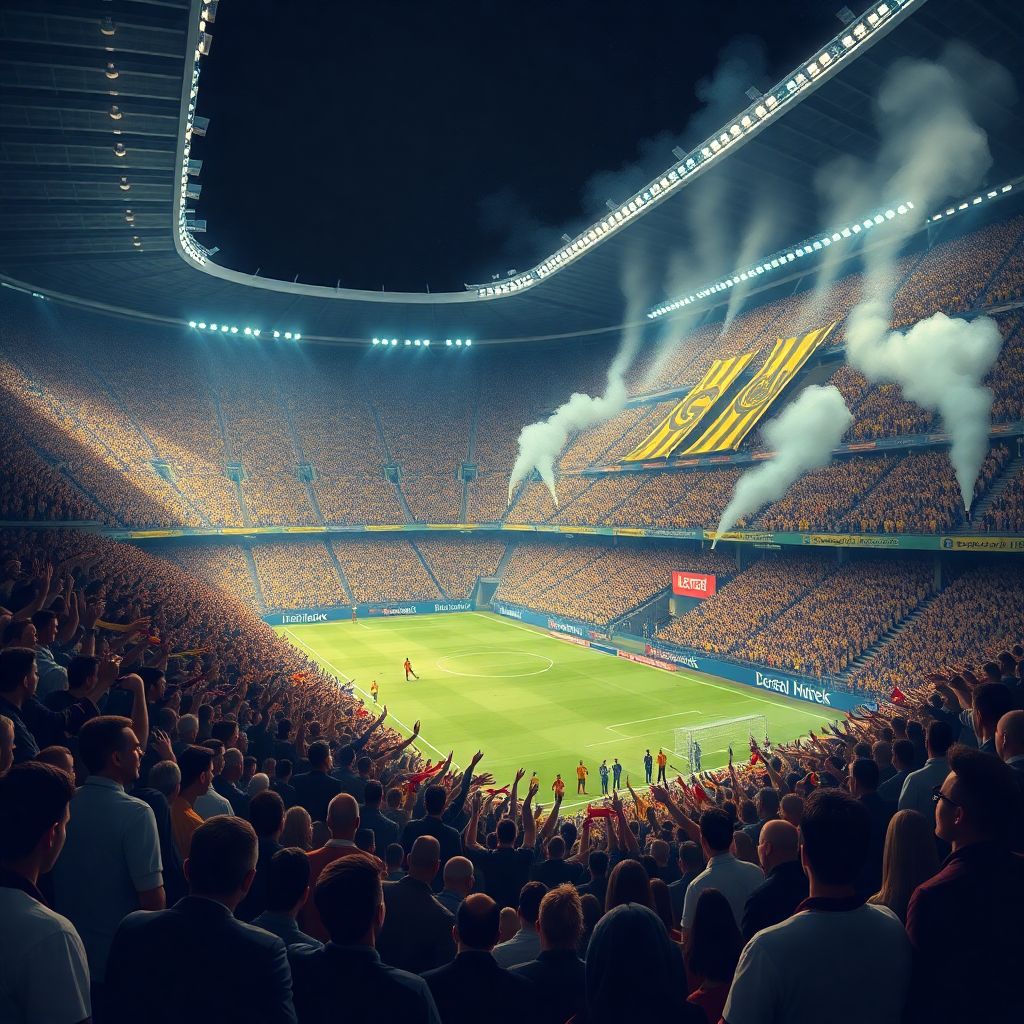
If you strip football down to grass and tactics, you miss half the story. Crowds have shaped the game since workers’ teams in industrial England gathered behind factory fences with songs, drums and improvised banners. Early terraces turned into laboratories of fan culture, where chants spread faster than any tactical trend. From South American barras bravas with their drums and flags to European ultra groups choreographing giant tifos, each region built its own grammar of noise and color, slowly defining what we now call the football stadium atmosphere that television tries, and usually fails, to compress into a screen.
From passive spectators to active co-authors
Over time the role of the crowd shifted from background decoration to something closer to a twelfth player. Clubs recognized that results at home often correlated with the intensity of support, and sociologists noticed how collective singing aligned heart rates and body rhythms inside a stand. That “wall of sound” changes how confident defenders feel and how brave attackers are with the ball. Instead of a polite audience consuming a product, fans became co-authors of the spectacle, making every match feel slightly different even when the same two teams and tactics meet again.
Basic principles of influence
If we talk analytically, three mechanisms explain how atmosphere bites into the game. First, psychological pressure on players and referees: continuous noise, whistles and sarcastic songs alter risk perception and decision‑making speed. Second, emotional contagion: one spark in a vocal section can lift thousands, and that energy bounces back to the pitch. Third, ritual: repeated chants on specific minutes, raised scarves to a club anthem, even synchronized booing, signal unity and intimidate opponents. The best stadiums for fan experience manage to harness all three without tipping into hostility or chaos.
Commercial layer and access
The modern twist is how clubs monetize this emotional machinery. Pricing and segmentation of football stadium atmosphere tickets quietly decide who gets to shape the soundscape. Loud, long‑term locals may be displaced by tourists chasing selfies, which softens the edge but raises revenue. Some clubs ring‑fence “singing sections” with cheaper rates, others aim for corporate calm in central blocks. Each approach solves a different problem: financial stability versus identity preservation. The tension is obvious—sell the magic too aggressively, and the magic starts to fade in the very places it was born.
Hospitality, tourism and curated passion
On top of regular seats you now have matchday hospitality packages football clubs aggressively promote: lounges with buffet, panoramic views, maybe a legend telling stories before kick‑off. These products deliver comfort, networking and a controlled taste of atmosphere, but rarely the raw emotional spikes you get in a packed home end. At the same time, sports travel packages stadium tours bundle flights, hotels and “authentic” game experiences for foreign visitors. Clubs walk a tightrope between curating passion for newcomers and accidentally turning once‑feral stands into theme parks where noise is scheduled, not spontaneous.
Everyday rituals and global fandom
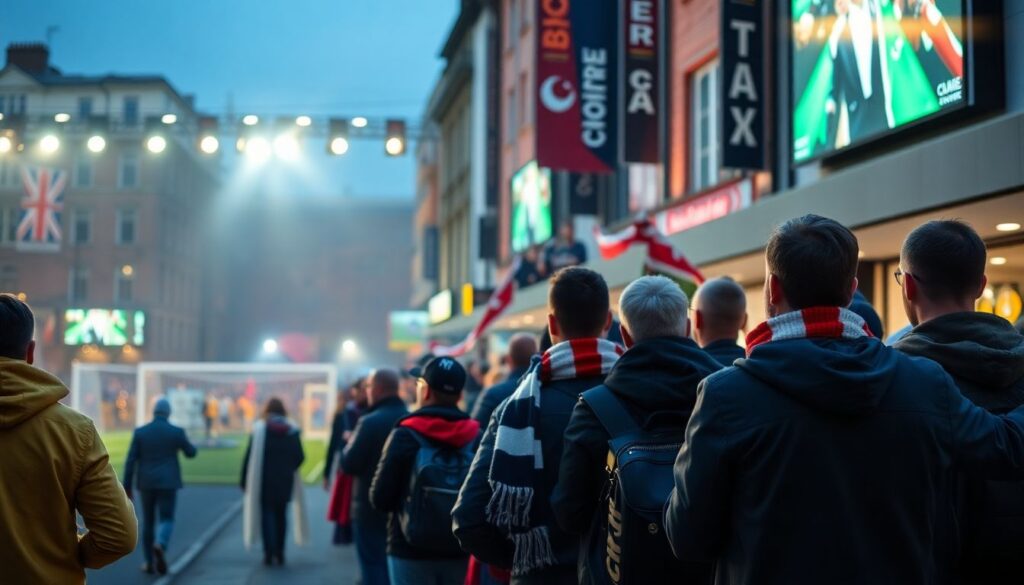
Matchday no longer starts at the turnstile; it begins online and in city streets. Fans plan banners, coordinate outfits, rehearse new songs on social media, then meet in pubs or fan zones hours before kick‑off. An entire micro‑economy thrives around it: from independent scarf makers to the official football fan merchandise online store shipping shirts to distant time zones. For exiled supporters, wearing the same jersey and singing the same chant in a bar thousands of kilometers away rebuilds the stadium in miniature, proving that atmosphere is partly a mental construct carried in people’s heads.
Examples: contrasting models of atmosphere
Look at Dortmund’s Yellow Wall, Liverpool’s Kop, Boca’s La Bombonera, or Turkish and Greek derbies, and you see different strategies to the same goal. German clubs often integrate supporter groups into governance, keeping prices lower and encouraging choreographies that feel homegrown. Some English clubs, after years of sanitization, are experimenting with safe standing and designated singing sections to rediscover bite. In contrast, certain elite arenas lean into VIP‑driven quiet, trading intimidation for luxury. Each model “solves” the stadium puzzle differently: more revenue, more control, or more chaos, with trade‑offs baked in.
Managing toxicity versus intensity
A recurring problem is the thin line between passionate backing and destructive behavior. Authorities push for surveillance, bans and strict codes to cut racism, flares and violence. Some supporters argue this sterilizes stands, turning them into polite theaters. Others insist that without limits, atmosphere becomes a shield for bigotry. Different countries test different mixes: dialogue with fan groups, self‑policing ultras, “fan embassies” for away travelers, or hard repression. The most sustainable solutions treat fans as partners, not suspects, nudging culture from within rather than relying solely on punishment.
Common myths about fan culture
One stubborn misconception is that louder always means better. In reality, players often talk about clarity, not sheer volume: a well‑timed chant lifting a tired team can matter more than ninety minutes of white noise. Another myth claims tourists inevitably kill soul; in truth, engaged newcomers can amplify atmosphere if pricing and seating keep core groups together. There’s also the idea that all commercialization is evil. Thoughtful packaging—like modest, story‑driven tours instead of bombastic spectacles—can fund grassroots projects and safe infrastructure without turning every emotion into a paid add‑on.
Why atmosphere still matters
In an era of data, VAR lines and tactical diagrams, it’s tempting to see football as a math problem. Yet games behind closed doors during the pandemic showed how sterile the sport becomes without real voices echoing off concrete. Atmosphere is not background noise; it’s a feedback loop that shapes courage, panic, swagger and doubt. Clubs that treat fans merely as customers risk losing an unrepeatable competitive advantage. Those that respect supporter culture, while curbing its ugliest edges, usually discover the same truth: the crowd doesn’t just watch the match, it writes it.