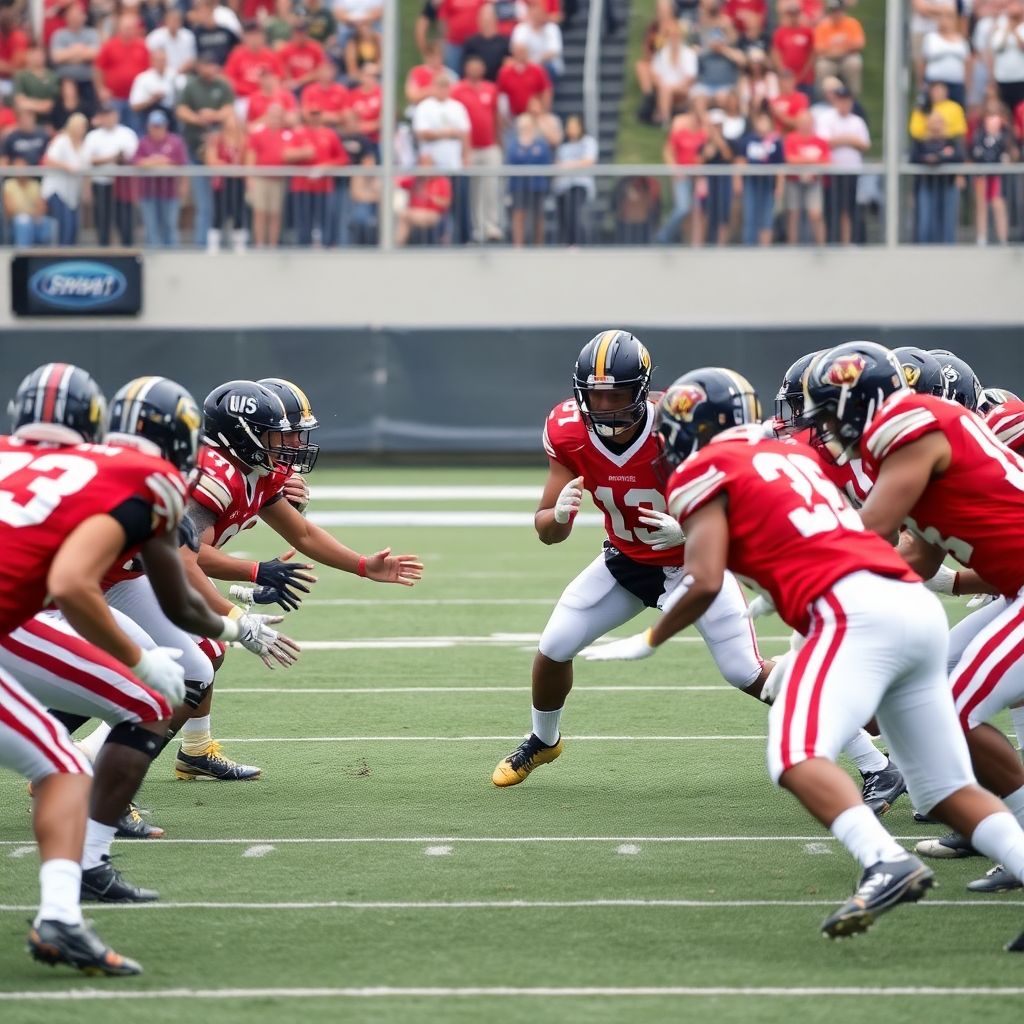
Elite defenses stop mobile quarterbacks by pairing disciplined rush lanes with coverage rules that cap explosive scrambles while forcing quick, contested throws. Coaches should emphasize safe, repeatable tools-like mush rush, zone-match coverage, and option‑fit rules-while accepting limitations: you can reduce the quarterback’s rushing impact, not erase it, and you will trade some pressure or coverage to do so.
Schemes Summary: Objectives for Stopping Mobile Quarterbacks
- Define a clear rush‑lane plan that keeps the quarterback in the pocket rather than chasing sacks at all costs.
- Use coverage structures that keep eyes on the quarterback and rally to scrambles after the ball is declared.
- Tag specific defenders with quarterback responsibility on all option, boot, and movement concepts.
- Mix spy and non‑spy calls so the offense cannot easily isolate and beat a single defender.
- Align fronts and coverages that remove easy QB run numbers, even if that concedes some quick‑game throws.
- Teach pursuit angles, tackle leverage, and “next contain” rules to handle broken plays safely.
- Build defending mobile quarterbacks defensive schemes directly into the weekly game plan, not as last‑minute add‑ons.
Debunking Myths About Containing Mobile QBs
Containing a dual‑threat quarterback is not about calling one magic defense; it is about stacking small, safe advantages across front, coverage, and tackling. A sound football defensive playbook vs mobile qb will combine rush‑lane integrity, coverage with vision on the ball, and clearly assigned quarterback players on designed runs and options.
One common myth is that you must always spy the quarterback. In reality, elite defenses treat a spy as just one tool. Overusing a spy steals a coverage player, simplifies reads, and can still fail if the spy takes poor angles or gets picked by routes or linemen.
Another myth: playing man coverage is automatically bad against running quarterbacks. Man is dangerous if you lack rush control and pursuit rules, but several top units play man on key downs while using contain rush, green‑dog rules, and late peel‑offs from backs to keep the quarterback honest.
Finally, “sell out to stop the run” is incomplete. The best defensive strategies against running quarterbacks accept that you cannot erase every scramble. Instead, they define clear tradeoffs: deny explosive quarterback runs and QB keepers first, then live with some underneath throws tackled inbounds.
Pre‑snap Indicators of Dual‑Threat Intentions
Defenders and coaches can spot likely quarterback run or movement opportunities before the snap and adjust within the structure of the call rather than guessing. These pre‑snap tells are central to how to stop dual threat quarterbacks football coaching at a high level.
- Back alignment relative to the quarterback. Pistol or offset back away from trips often hints at zone read, bash, or GT counter read, with the quarterback attacking the open surface or numbers advantage.
- Condensed formations and wide splits. Tight bunch or condensed sets can create easy edges for QB sweep or power; extremely wide receiver splits can isolate a corner and remove him from the fit, signaling designed QB draw.
- Empty formations and late back motion. Empty with a dynamic quarterback frequently hides QB draw, QB counter, or sprint‑out. A late motioning back can become a conflict player in option and RPO structures.
- Sniffer and H‑back usage. An off‑ball tight end or sniffer behind the line suggests insert blocks, arc releases for option, or lead‑blocker roles on QB power and sweep.
- Quarterback depth and stance. Slightly deeper shotgun or a more loaded back foot can hint at designed QB run or sprint‑out, as can consistent differences between dropback and movement posture on film.
- Tempo and formation repeats. When offenses rapidly re‑run the same formation after a successful QB run, anticipate a complementary constraint: same look, different QB path or RPO tagged off the defense’s reaction.
- Hash, down, and distance tendencies. Many spread teams lean on QB runs in the red zone, on third‑and‑medium, or when the ball is on a preferred hash, especially evident during a coaching clinic defending spread offense mobile qb film session.
Pass‑rush Options: From Dedicated Spies to Disguised Edge Games
Elite defenses build a menu of rush plans they can call based on game situation. Each has safe applications and clear limitations that should be spelled out in any football defensive playbook vs mobile qb.
-
Mush rush with four.
Ends engage and compress the pocket without running past the quarterback; tackles push the depth of the pocket to the quarterback’s launch point. This approach is safe on long yardage, limiting escape lanes, but it sacrifices some quick‑win sack potential.
-
Changeup spies (LB, safety, or DL).
Rather than a permanent spy, defenses rotate the role. A linebacker may mirror on third‑and‑medium; a safety might spy in dime; a defensive end can “mirror rush” in simulated pressure. The limitation: the spy must still fit the run and pass concepts correctly, not just watch the quarterback.
-
Disguised edge games.
Stunts such as TEX and ET allow an inside rusher to replace an edge rusher looping inside. Against mobile quarterbacks, these games must preserve contain: one looper always becomes the new edge. Poorly coached games create huge escape lanes.
-
Zone blitz with built‑in contain.
Fire zones that drop ends and bring second‑level rushers can bother protections. Safe design keeps at least one rusher outside the quarterback. The tradeoff is fewer bodies in coverage and vulnerable seams if the ball comes out on time.
-
Five‑man “peel” pressures.
On edge pressure, the blitzing linebacker or nickel peels off if the back releases, effectively converting to man on the back while maintaining rush numbers. This helps versus boot and sprint‑out but demands great communication so someone is always closing the quarterback’s throwing arm side.
-
Contain plus green‑dog rules.
Linebackers add to the rush (green‑dog) when their coverage assignment stays in to block. This lets the rush match protection numbers while still honoring mobile quarterback threats. If eyes are wrong, though, backs can release late to wide‑open space.
Coverage Principles: Leveraging Clouds, Brackets, and QB-Rules
Coverage structure is where many defenses quietly win or lose against dual‑threats. The most effective defending mobile quarterbacks defensive schemes marry rush plans with coverages that keep vision on the quarterback and layer leverage on key receivers.
Vision‑and‑Rally Coverage Advantages
- Zone and pattern‑match concepts keep more eyes on the quarterback, allowing quicker reaction to scrambles and extended plays.
- Cloud and trap coverages (Cover 2, Cover 6 variants) let corners play force in the run fit, helping set the edge versus QB keepers and RPOs.
- Bracket calls double the most dangerous receiver, forcing the quarterback to hold the ball or work progressions into tighter windows.
- Quarterback rules (e.g., “plaster after three seconds,” “zone until QB breaks contain”) create a shared clock and reaction plan across the defense.
- Zone‑match structures give the benefits of man on verticals while still allowing underneath defenders to see crossing routes and scramble lanes.
Coverage Tradeoffs and Built‑In Limitations
- Heavy zone can concede quick perimeter throws and hitches, requiring reliable tackling and pursuit to stay ahead of the chains.
- Frequent bracketing of one receiver may leave isolated matchups elsewhere, which good quarterbacks will attack with pre‑snap checks.
- Cloud coverages ask corners to tackle and fit the run; if they are poor tacklers, QB sweep and perimeter runs become more dangerous.
- Too much vision emphasis can lead to defenders staring in the backfield, busting zones, and losing track of routes on scramble drills.
- Pure man coverage, even with QB‑spy help, can turn its back to the quarterback; without disciplined rush and “peel” rules, big scrambles are likely.
- Complex pattern‑match rules can confuse young defenders; blown assignments often yield bigger plays than a simple, sound call would have allowed.
Run‑Fit Discipline and Rush‑Lane Designs Against Designed QB Runs
Designed quarterback runs stress the structure of the defense, not just individual athletes. Many breakdowns blamed on “talent” are actually fit errors, especially when coaches do not clearly define how their best defensive strategies against running quarterbacks adjust to motions, options, and formation changes.
-
Myth: “Option is a one‑on‑one game.”
Relying on a single defender to “win” against the quarterback in space is unsafe. Sound option defense uses numbers, leverage, and inside‑out pursuit, with the dive, quarterback, and pitch all assigned to separate defenders.
-
Unclear force and spill rules.
When edges do not know whether to set the edge (force) or spill the ball inside, gap integrity evaporates. Every front in a football defensive playbook vs mobile qb needs explicit answers for power, counter, and sweep with the quarterback carrying the ball.
-
Ignoring puller and sniffer insert clues.
Defenders who chase backfield fakes instead of reading pullers and sniffer paths get out‑leveraged. Good coaching tags fits to the blocking scheme, then layers QB responsibility on top of that.
-
Over‑collapsing the mesh.
Crashing unblocked defenders blindly at the mesh point may create occasional negative plays, but it more often opens cutback lanes or easy QB keeps. Safer answers use a “slow play” or surf technique by the read defender, forcing the ball where help is.
-
No “next man contain” rule.
Once contain is broken, many defenses have no rule for who becomes the new edge. Elite units teach that the next outside‑in defender automatically replaces contain, which limits damage on broken fits.
-
Under‑coaching pursuit and tackle leverage.
Against mobile quarterbacks, bad pursuit angles turn modest gains into explosive runs. Defenses must drill near‑hip leverage, sideline awareness, and safe tracking angles as hard as they drill fronts and blitzes.
Film Breakdown: Representative Plays and How Schemes Win/Fail
Film study is where theory becomes real. The best coaching clinic defending spread offense mobile qb sessions walk through simple, repeatable pictures rather than exotic looks. Below are compact examples you can adapt to your own cut‑ups.
Example 1: Mush Rush Versus Empty QB Draw
Situation: 3rd‑and‑6, midfield. Offense in empty, dynamic quarterback. High likelihood of QB draw or improvise scramble.
Defensive call (simplified): Nickel front, four‑man mush rush, Cover 3 match behind it, weak‑side linebacker tagged as late‑add rusher if back stays in (green‑dog) or low‑hole rat if all receivers release.
Execution notes: Ends rush to eight‑to‑nine yard depth, never crossing the quarterback’s upfield shoulder. Tackles compress the pocket vertically. Hook defenders collision inside routes, then keep eyes on the quarterback. When he pumps and tucks to run, the rat and hook players converge, limiting the gain and forcing a punt.
Example 2: Defending Zone Read Into the Boundary
Situation: 1st‑and‑10, ball on left hash. Offense in 2×2, back to the field. Film shows strong tendency for field zone read with QB keep to the boundary when the end collapses.
Defensive call (simplified): Field over front, boundary safety rolled down into a cloud look, Cover 6 behind it. Boundary end slow‑plays the mesh with “surf” technique; boundary safety has force and QB responsibility; inside linebacker tracks the back.
Execution notes: On the snap, the end shuffles down the line without crossing the quarterback’s face. The quarterback keeps, seeing the end hesitate, but finds a rolled‑down safety setting the edge and a scraping linebacker inside. The ball is forced back to pursuit for a short gain instead of a chunk run.
Example 3: Bracket Coverage to Cap Scramble‑Drill Explosives
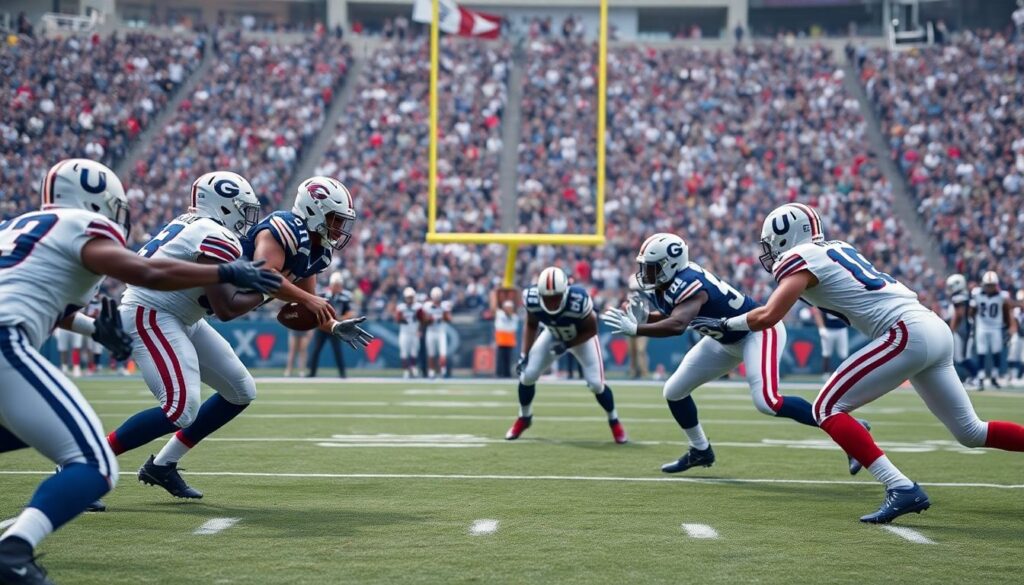
Situation: 2nd‑and‑8, fringe red zone. Offense’s top receiver has repeatedly converted off‑script scramble plays on deep crossers and posts.
Defensive call (simplified): Four‑man contain rush with a boundary TEX stunt, 2‑man bracket on WR1, and a low‑hole lurk defender reading the quarterback’s eyes.
Execution notes: When the quarterback breaks contain to his right, defenders “plaster” routes using pre‑taught QB rules: bracket defenders stay doubled on WR1, while the lurk drives the quarterback’s front‑side hip. With his favorite scramble target capped, the quarterback throws late across his body, resulting in an interception.
Clearing Tactical Confusion
Do I need a spy on every down against a mobile quarterback?
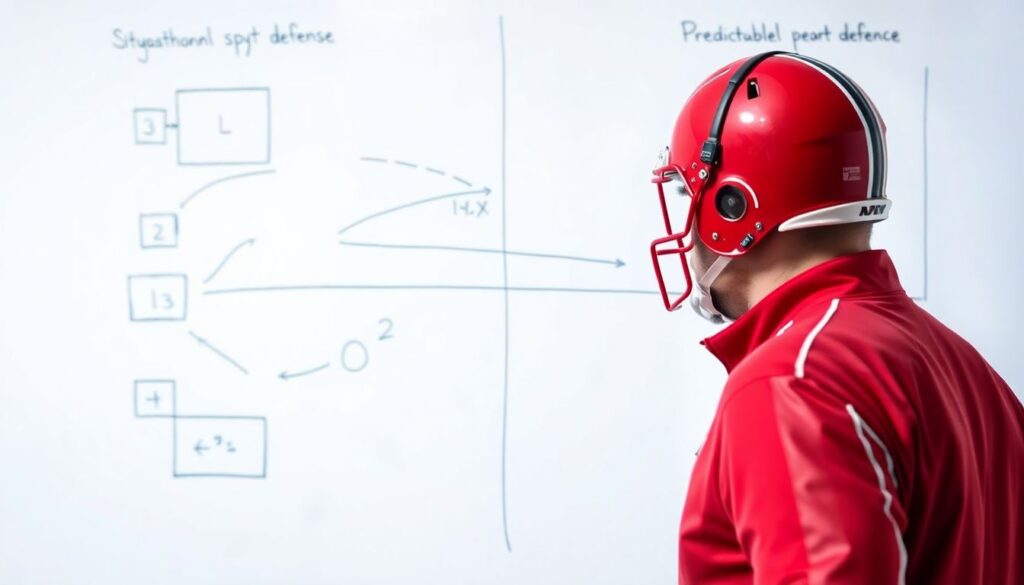
No. Use a spy as a situational tool on key downs or in obvious pass situations. Constant spying weakens coverage and makes your structure predictable; mix spies with disciplined rush‑lane plans and vision‑based coverage.
Is man coverage always a bad idea versus dual‑threat quarterbacks?
Man is risky but not automatically wrong. If you pair man coverage with contain principles, peel rules on backs, and a rush plan that respects escape lanes, you can still play man in critical situations.
What is the safest base call to handle both QB run and pass?
Many defenses lean on a split‑safety structure (like Cover 4 or Cover 6) with a controlled four‑man rush. This keeps two safeties deep, preserves numbers in the box, and maintains vision on the quarterback, though it may concede short throws.
How should I adjust my front when the offense goes empty?
Expect QB draw, QB counter, or quick game. Use a mush rush or simulated pressure that preserves contain, keep at least one low‑hole defender with eyes on the quarterback, and emphasize inside‑out pursuit from second‑level players.
What’s the priority in the red zone against running quarterbacks?
First, remove the quarterback’s easiest run strengths: QB power, draw, and sprint‑out. Fit inside gaps tightly, widen force players, and play coverages that keep extra eyes in the box, even if that means tighter one‑on‑one matchups outside.
How much of my weekly practice should focus on QB run defense?
Build quarterback run fits and scramble rules into your regular team and group periods rather than treating them as a separate segment. A smaller, consistent dose each day is safer and more effective than one overloaded session.
Can I use the same plan for every mobile quarterback?
No. Some quarterbacks are designed runners first; others extend plays to throw. Tailor your plan: more fit‑driven answers for heavy QB run teams, more rush‑lane and coverage‑vision emphasis for improvise‑and‑scramble passers.