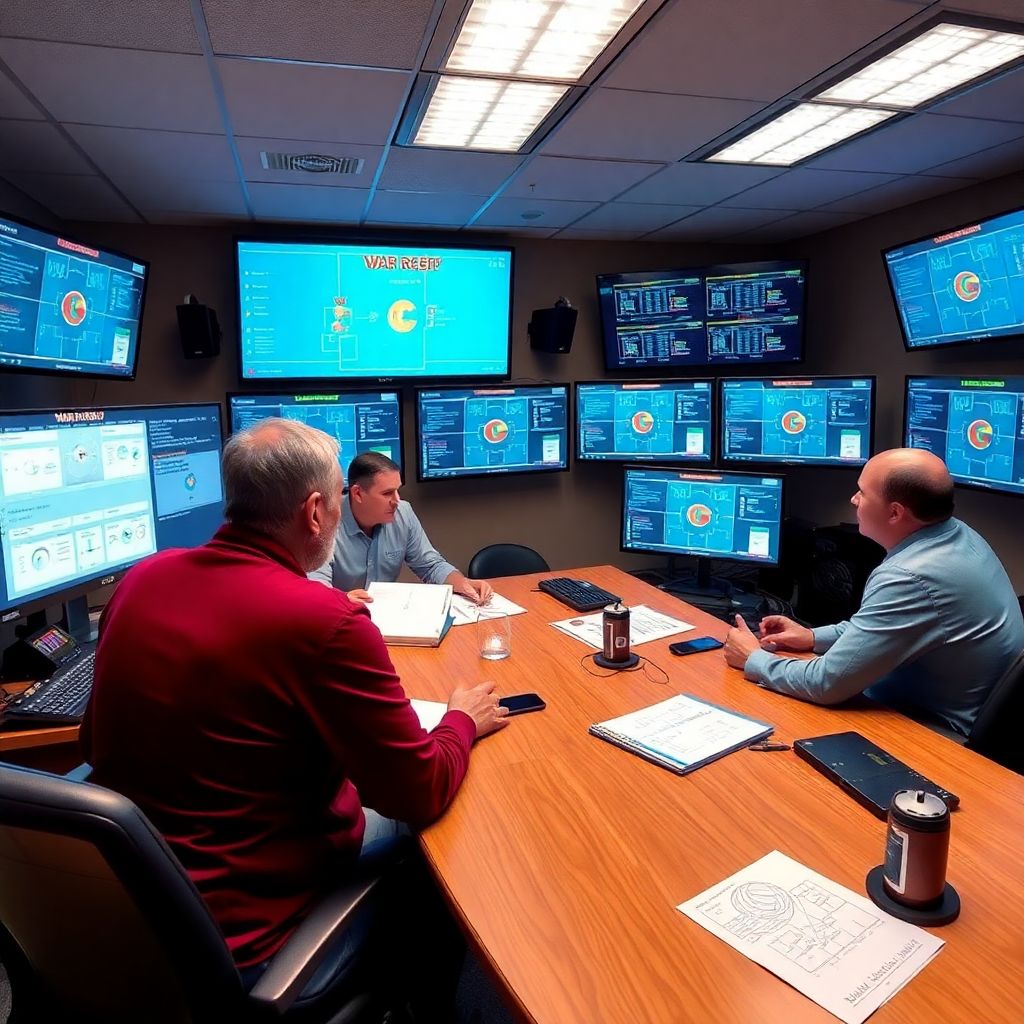
Mid-major programs beat blue bloods by building a sharp identity, recruiting undervalued players, scheduling smart for exposure, investing in development and analytics, and executing clean in-game adjustments. This guide turns that model into clear steps athletic directors and coaches can apply safely, without needing power-conference budgets or blue-chip recruiting pipelines.
Core Strategic Advantages to Replicate
- Define a distinct, disciplined style of play that fits your talent and recruiting footprint.
- Target overlooked recruits with clear, data-backed development plans instead of chasing stars.
- Engineer schedules and events that maximize visibility and postseason résumés.
- Prioritize staff, analytics, and player development over cosmetic spending.
- Use simple, repeatable in-game adjustments to neutralize superior athleticism.
- Build a resilient culture that keeps players, develops leaders, and travels to March.
Building a Distinct Identity: Branding, Style of Play, and Mission
This blueprint fits mid-major athletic directors, head coaches, and operations staff who want to move from “tough out” to consistent NCAA Tournament threat. It is not ideal if you are in a short-term win-now mode that tolerates transfers every year or if your administration will not commit to patient roster building.
A clear identity makes everything easier: recruiting, practice design, game-planning, marketing, and even selling college basketball tickets. Think of mid-majors that became household names by doing one thing exceptionally well: pace-and-space offense, pressure defense, elite shooting, or meticulous half-court execution.
| Dimension | Typical Blue-Blood Approach | High-Performing Mid-Major Approach |
|---|---|---|
| Brand Focus | NBA pipeline, stars, historic banners | System, development, team-first, chip-on-shoulder narrative |
| Style of Play | Talent-driven, flexible, isolation-friendly | System-driven, detail-heavy, role clarity and efficiency |
| Recruiting Pitch | Exposure, facilities, famous alumni | Minutes, development track, stability, clearly defined role |
| Fan Messaging | National brand, star matchups | Local pride, underdog story, community ownership |
| Media Storyline | Championship or bust | Overachieving, disciplined disruptor in March |
Practical identity decisions to make in the next 30 days
- Choose your on-court identity in one sentence – Example: “We will be the most disciplined, best-shooting half-court team in our league” or “We will play 94 feet, 40 minutes.” Everything else (recruiting, drills, analytics) must reinforce that sentence.
- Define three non-negotiable performance standards – For example: turnover rate, contested-shot percentage on defense, and number of high-quality threes per game. These should be simple enough to put on locker-room walls and game cards.
- Align branding with style – Social media, local media hits, and campus messaging should echo the same identity. When fans open college basketball streaming services or browse highlights, they should instantly recognize your style and storyline.
- Craft your underdog-to-powerhouse narrative – Use past upset wins, player development success, and alumni stories to promote the program and justify investing in college basketball tickets, donations, and game-day attendance.
Smarter Recruiting: Finding Talent Overlooked by Power Programs
Out-recruiting blue bloods is unrealistic; out-evaluating them is not. You need tools and routines that let you spot trajectory, not just current ranking or athleticism.
Core requirements and tools
- Clear roster profile and talent thesis
- Define ideal physical, skill, and character traits by position (e.g., length and switchability on the wing; decision-making at guard).
- Write a one-page “who we recruit / who we don’t” filter and share it with every staff member and trusted high school/AAU coach.
- Basic but consistent analytics
- Use public or low-cost databases for efficiency metrics, shooting splits, and usage.
- Track year-over-year improvement, not just raw numbers, to find late bloomers and multi-sport athletes.
- Film and live evaluation pipeline
- Assign each assistant a coverage region plus specific events; build a shared film library categorized by your roster needs.
- Evaluate decision-making, motor, and defensive willingness more heavily than highlight-reel plays.
- Transfer and JUCO monitoring
- Create a rolling depth-chart forecast so you know your gaps 1-3 years out.
- Maintain updated shortlists of potential transfers who fit your identity and are blocked at higher levels.
- Recruiting story and proof-of-concept
- Highlight cases where “under-recruited” players became all-conference or pro-level contributors.
- Show specific development plans-strength, skills, and minutes roadmap-during visits.
Case-study style lessons to copy
- Mid-majors that leaned into international recruiting or older JUCO guards often found physcially mature, overlooked pieces that stabilized backcourts for multiple NCAA runs.
- Programs that targeted one elite skill (e.g., shooting or on-ball defense) created lineups where the collective strengths covered individual weaknesses.
Optimizing Schedules and Tournaments to Maximize Exposure
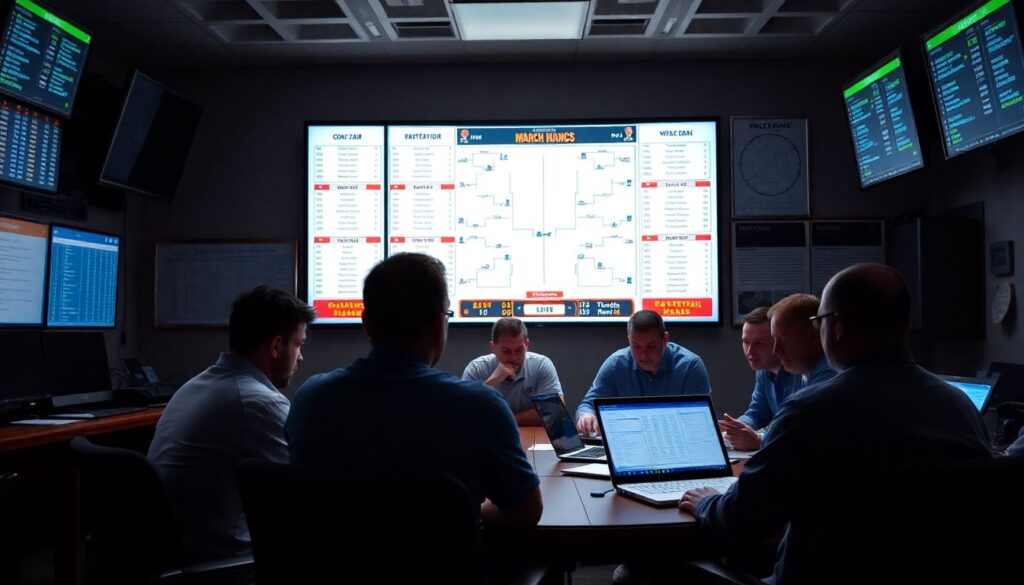
Scheduling is where mid-majors can close the gap without spending like power programs. The goal: create a resume that travels in March, while building fan interest and TV visibility.
- Map your competitive window – Project your roster for the next three seasons. Identify “all-in” years where you have experience, continuity, and depth. In those years, you can accept tougher true-road games and stacked multi-team events.
- Balance buy games with winnable showcases – Playing road games at blue-blood arenas can fund your program and test your team, but too many can crush confidence and metrics.
- Target a mix: a few high-paycheck games, several neutral-court showcases, and home-and-home series with strong peers.
- Use these games to generate demand for college basketball tickets at your home arena by promoting marquee opponents.
- Prioritize metrics-friendly opponents – Seek non-conference opponents who project as top-half teams in their leagues with styles that won’t distort your identity.
- Avoid extreme mismatch styles early if they force you out of your system before conference play.
- Favor teams that play a “normal” pace but have solid efficiency to help your numbers when you win.
- Leverage TV and streaming visibility – Coordinate with your conference office and media partners to place key games where college basketball streaming services can showcase you nationally.
- Push for slots that do not compete with local football or pro sports when possible.
- Package rivalry and holiday tournaments with promotions, alumni events, and student outreach.
- Design a March-ready test environment – Build in back-to-back days, neutral floors, and travel swings.
- Mid-season tournaments simulate quick scouting turnarounds you’ll face when March Madness betting odds go live and every possession is magnified.
- Teach your players a “24-hour rule” for turning the page mentally between games.
- Review and refine annually – After each season, evaluate: Did the schedule boost your metrics and brand, or just wear your team down?
- Track performance vs. top-100, 100-200, and sub-200 opponents.
- Adjust your mix of home, road, and neutral games based on how your team actually responded.
Fast-track scheduling blueprint
- Lock in one or two lucrative but competitive road games against national brands.
- Secure a neutral-site MTE (multi-team event) with at least two top-half opponents.
- Build 3-5 home-and-home series with peers that project well in efficiency rankings.
- Add 2-3 local rivalry games that reliably draw fans and local media coverage.
Resource Allocation: Coaching, Analytics, and Development Priorities
Limited budgets make prioritization non-negotiable. Use this checklist to see if your resources are aligned with becoming a consistent giant-killer.
- You spend more on experienced assistants, player development, and strength staff than on cosmetic facility upgrades that don’t directly impact performance.
- You have at least one staff member whose defined role includes analytics, scouting optimization, and opponent prep templates.
- Your practice time skews toward advantage creation (spacing, ball screens, cutting, special situations) rather than only conditioning and generic drills.
- You maintain a shared playbook and scouting database accessible to all staff, updated after every game with what worked and what failed.
- Offseason is intentionally planned with blocks for skill development, physical development, and team concept installation-not just open gyms.
- You invest in simple tech (video platforms, shot-tracking, wellness monitoring) before high-visibility extras like locker-room aesthetics.
- There is a clear process for reviewing film and analytics with players weekly, turning numbers into actionable habits.
- Travel and nutrition plans support peak performance for critical stretches (conference play, tournaments) rather than only minimizing cost.
- Fundraising and marketing initiatives are tied to tangible competitive goals (e.g., “support our data and development lab”) to engage boosters.
In-Game Tactics and Adjustments That Level the Playing Field
On game night, many underdogs lose the edge they built in practice because of simple, fixable mistakes. Avoid these patterns.
- Overcomplicating game plans with too many coverages and play calls, leading to hesitation and breakdowns under pressure.
- Refusing to adjust pace even when the opponent’s talent thrives in an up-and-down game you cannot win physically.
- Saving timeouts instead of using them to stop runs, reset spacing, or clarify defensive responsibilities.
- Ignoring matchup data and foul situations, keeping best defenders on the bench too long or failing to attack foul-troubled stars.
- Running “favorite plays” instead of “best plays tonight” based on how the opponent is guarding your actions.
- Neglecting special teams: baseline/side-out plays, 2-for-1 clock situations, and foul-or-defend decisions in late-game scenarios.
- Allowing officiating or environment to pull players out of your identity, leading to rushed shots or hero-ball possessions.
- Failing to scout and prioritize opponent role players who become unexpected heroes when left unchecked.
- Not pre-assigning substitution patterns and roles, causing confusion during quick shifts in momentum.
Sustaining Success: Culture, Retention, and Scaling the Model
Once you break through with an upset or a deep run, the challenge is sustaining success as attention and expectations rise. Different paths can work depending on your institutional reality.
- Continuity-first model – Emphasize retention, redshirting, and internal promotion. Best when your school offers strong academic and community ties that keep players anchored long term.
- Targeted-portal model – Keep a developmental core while annually adding 1-3 impact transfers who fill specific gaps. Works when you can sell a clear role, exposure, and a winning system without pretending to be a blue blood.
- International and non-traditional pipeline – Lean into global recruiting or unique pipelines (prep schools, military academies, multi-sport athletes). Useful for schools outside major recruiting hotbeds.
- Commercial momentum model – After winning, deepen investment in fan experience: promote custom college basketball jerseys, smarter concessions, and flexible ticket packages, while ensuring new revenue flows back into staff, analytics, and player care.
Practical Concerns Coaches and ADs Regularly Face
How can a mid-major build a national following without a large media market?
Lean into compelling storytelling, consistent style of play, and strategic scheduling on television-friendly dates. Use social clips, behind-the-scenes content, and partnerships with college basketball streaming services to put your identity in front of fans beyond your region.
What is a realistic timeline to move from underdog to regular NCAA participant?
Timelines vary, but a sustainable path usually involves at least one full recruiting cycle of players who were chosen specifically for your system. Focus on measurable progress each year-culture, close-game performance, and league standings-rather than chasing an immediate miracle run.
How should we talk about betting and odds around our program?
Stay neutral and compliant. Acknowledge that fans follow March Madness betting odds and discussions on the best NCAA basketball sportsbooks, but keep all official messaging centered on integrity, education, and responsible behavior. Ensure staff and players follow all NCAA and institutional rules strictly.
What is the best way to turn an upset win into long-term momentum?
Immediately capture and share the story, spotlighting your identity and development model. Then, use the attention to accelerate recruiting relationships, fundraising, and season-ticket campaigns instead of treating the upset as a one-night event.
How do we keep players from transferring up after breakout seasons?
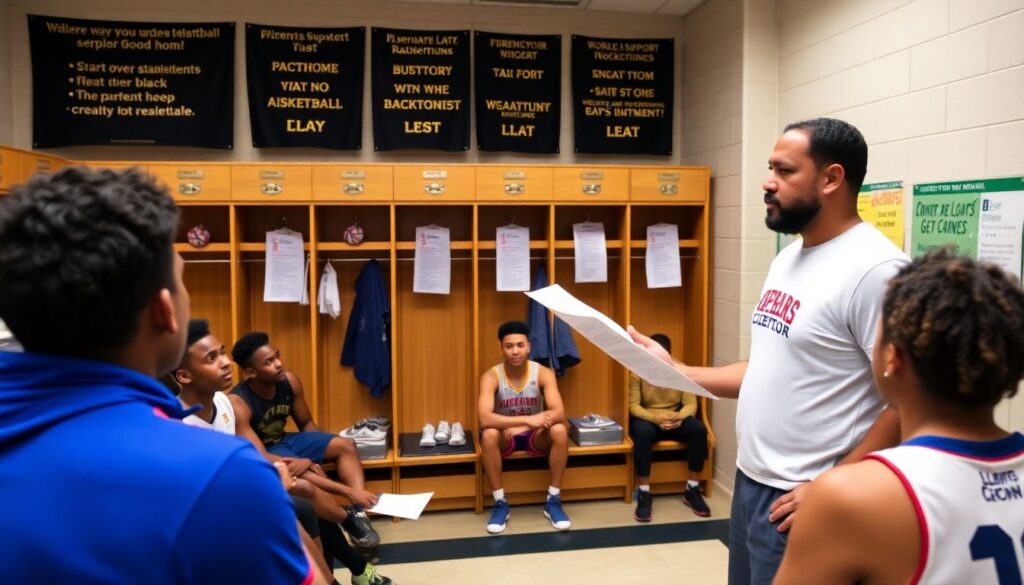
You cannot lock players in, but you can make leaving a harder decision by providing clear development plans, strong academic and life support, meaningful roles, and a culture where players feel known and valued beyond their on-court production.
How can commercial partners support our rise without distracting from basketball?
Align partnerships with your mission: fan experience upgrades, analytics or sports science investments, and community engagement. For example, sponsors can underwrite student sections, themed nights, or merchandise like custom college basketball jerseys that reinforce your brand and help sell more college basketball tickets.
What metrics should we share with administration to prove progress?
Combine competitive markers (league finish, efficiency margins, quality wins) with business markers (attendance trends, donor engagement, media mentions). Showing parallel growth on the court and off builds trust that the underdog-to-powerhouse plan is working.