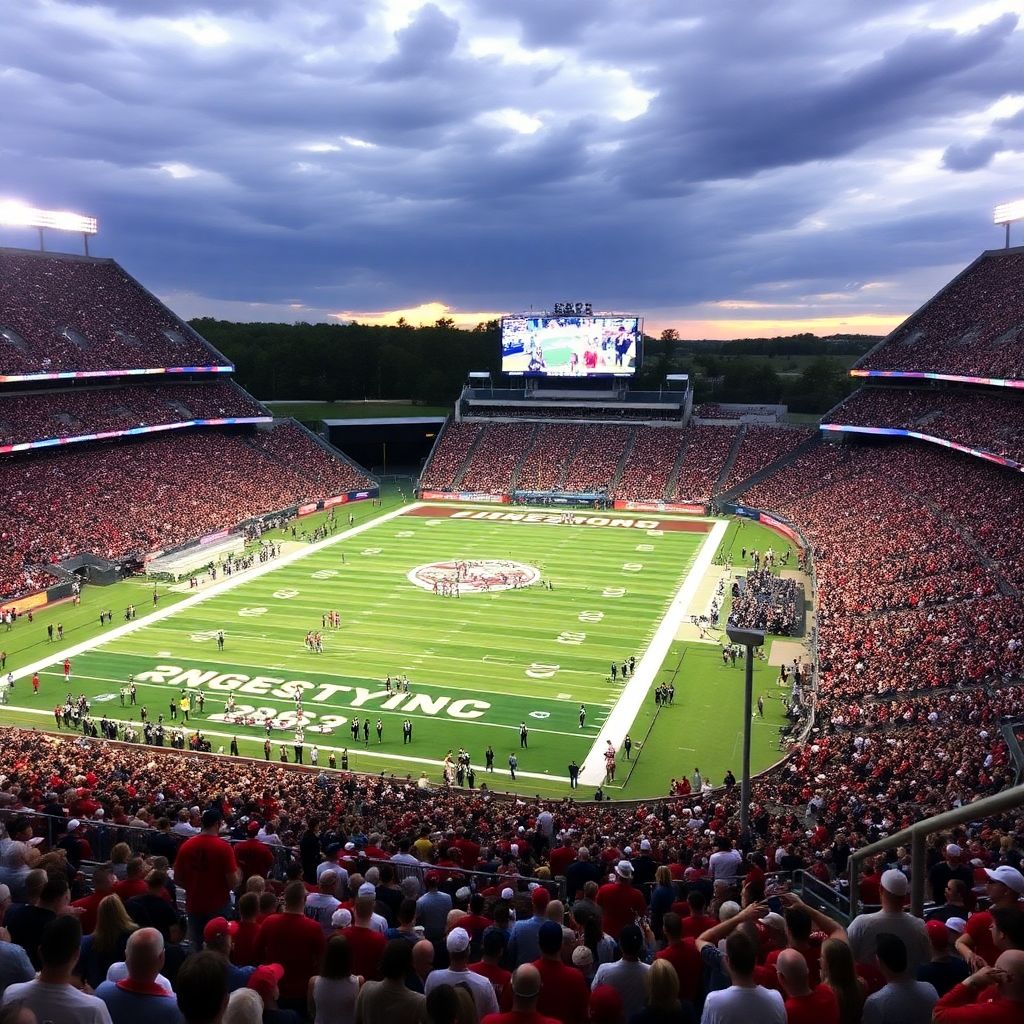
College football realignment is reshaping traditional rivalries by changing conference memberships, scheduling models, and TV priorities. Classic annual games can disappear, move to earlier windows, or shift to neutral sites. Athletic departments that act early-using contracts, long-term scheduling, and fan-informed strategies-have the best chance to protect their most meaningful rivalry games.
Concise summary: how realignment is rewriting rivalry dynamics
- Conference expansion and new scheduling models are pushing some historic rivalries off the annual calendar or into less visible TV windows.
- Media partners increasingly drive kickoff times and dates, forcing programs to trade flexibility for broadcast exposure and revenue.
- Exit fees, grant-of-rights deals, and existing nonconference contracts can quietly decide which rivalries survive realignment shifts.
- Recruiting patterns, divisional structures, and playoff access rules influence how intense and nationally relevant a rivalry feels.
- Fans adapt slower than conferences; travel costs, weeknight games, and fragmented traditions can erode long-term engagement.
- Proactive tools-home-and-home agreements, neutral-site deals, and institutional MOUs-help safeguard key rivalries for the next cycle of moves.
Conference moves and the calendar: why classic games disappear or migrate
This guidance is for athletic administrators, football operations staff, and conference planners navigating ongoing and upcoming shifts such as college football realignment 2024 and beyond. It is also useful for media, boosters, and engaged fans who want to understand the constraints driving rivalry scheduling decisions.
Do not apply these tools blindly if your institution lacks clarity on long-term conference membership or is in active litigation over media or exit agreements. In those cases, rushing into rivalry guarantees can limit flexibility, add legal exposure, and conflict with evolving conference scheduling formats.
In recent college football conference realignment news, long-standing rivalries have been affected when conferences expand, drop divisions, or move to pod-based schedules. When leagues grow beyond a manageable round-robin, conference schedules cannot fit every traditional opponent annually, and protected games become a scarce asset.
Two aspects move the calendar more than anything else:
- Number of conference games: As conferences adopt 8- or 9-game slates with larger memberships, room for nonconference rivalries shrinks.
- Media-driven inventory: Partners want attractive matchups every week of the season, pulling some rivalries off traditional dates or holiday slots.
Understanding how conference realignment affects rivalries starts with mapping your conference’s format (divisions vs. no divisions), protected rivalries, and nonconference scheduling philosophies over the next three to five years. Treat the calendar as a strategic asset, not a leftover detail once moves are final.
Economic calculus: media deals, revenue splits, and rivalry viability
Protecting rivalries inside realignment is as much a financial exercise as a sentimental one. Before you commit to any long-term rivalry strategy, you need a clear view of your economic environment and constraints.
Core requirements include:
- Media contract awareness: Know your league’s current TV contract terms, including inventory requirements, preferred windows, and any rivalry-specific clauses.
- Revenue distribution model: Understand how conference payouts are split and whether rivalry-related appearances (prime-time, championship berths) meaningfully affect your share.
- Game-day financials: Internal data on ticket sales, donations, and ancillary revenue tied to each rivalry game (home vs. neutral vs. away).
- Travel and operations costs: True costs of rivalry trips for teams, bands, and fans, especially as new league footprints spread across more regions.
- Legal and finance coordination: Access to counsel and financial officers who can vet multi-year agreements, liquidated damages, and termination conditions.
As the Big Ten and SEC realignment impact on rivalries grows, those conferences may command premium windows and travel-heavy schedules that stress smaller budgets. Programs outside those leagues must weigh whether a rivalry preserved at all costs could crowd out other revenue-positive opportunities.
For many schools, the realistic goal is not to keep every rivalry annual, but to protect the ones with the strongest combined financial, recruiting, and alumni-relations value.
Contracts, exit fees, and scheduling windows that lock rivalries in or out
Before you follow the step-by-step process, account for these key risks and limits:
- Conference rules may change, invalidating assumptions about available dates and number of nonconference games.
- Overcommitting to long-term series can restrict future scheduling flexibility if playoff formats, media partners, or leadership priorities shift.
- Exit fees and buyouts may make some moves financially unrealistic, even if rivalry preservation seems desirable.
- Legal disputes around media rights can delay or block execution of new rivalry contracts.
- Map your current and projected scheduling inventory
Start with a three- to five-year grid of available dates for nonconference games, including likely conference realignment effects. Include:- Conference game count by season and any known format changes.
- Existing long-term series and mandated FCS or Group of Five games.
- Special events (international games, neutral-site classics) that reduce flexibility.
- Classify your rivalries by strategic importance
Rank each rivalry based on competitive, financial, and institutional impact. Consider:- Historic significance and alumni expectations.
- TV interest and likely media value.
- Recruiting importance in key geographic regions.
Use this ranking to decide which rivalries must be annual, which can rotate, and which can sunset if needed.
- Review existing conference and media agreements
With legal counsel, analyze your conference bylaws, grant-of-rights, and current TV deal. Identify:- Any limits on nonconference scheduling (night games, weeknights, kickoff dates).
- Obligations to provide a certain number of home games or specific inventory.
- Clauses that could affect neutral-site or off-campus rivalry games.
- Quantify exit fees and buyout exposure
Determine the true cost of leaving your current conference or canceling existing game contracts to create rivalry space. Build:- A matrix of exit fees, notice periods, and potential litigation risks.
- Estimated buyout costs for nonconference contracts you might displace.
- Scenario ranges (optimistic, conservative) for total exposure.
Do not sign new rivalry guarantees that assume conference movement until you have a clear view of this exposure.
- Negotiate targeted home-and-home or multi-year series
For top-tier rivalries that cannot be protected inside the league schedule, pursue structured agreements:- Lock in dates that align with your conference calendar and travel realities.
- Include force majeure and conference-realignment clauses that allow rescheduling rather than pure cancellation.
- Set clear financial terms for ticket allocations, revenue splits, and buyouts.
- Use protected windows and consistent weekends when possible
Where TV and conference rules allow, anchor key rivalries to traditional holiday or season-ending weekends. This:- Helps fans plan travel years in advance.
- Signals to media partners that the matchup is a flagship event.
- Strengthens the rivalry’s negotiating position during future realignment cycles.
- Document institutional commitments beyond athletics
For rivalries with shared academic, regional, or historical importance, consider institutional-level memoranda of understanding. These:- Reinforce that the rivalry is part of a broader partnership, not just a game contract.
- Help maintain continuity if athletic or conference leadership changes.
- Provide a framework to revisit terms if league structures shift again.
On-field consequences: recruiting corridors, competitive balance, and rivalry intensity
Use this checklist to evaluate whether your rivalry approach is working on the field in the near term:
- Rivalry games remain accessible to key recruiting regions (reasonable travel for high school coaches and prospects).
- Your staff can still use rivalry exposure in pitches, with consistent TV visibility and clear future dates.
- The competitive balance of the rivalry is maintained; games are not consistently mismatches due to diverging conference resources.
- Coaching staffs can reasonably game-plan with stable calendar positions (end of season vs. midseason) year to year.
- Injury and fatigue patterns do not spike due to compressed schedules or excessive travel around rivalry weeks.
- Players report that the rivalry still “feels big” in terms of preparation, environment, and stakes.
- Your conference championship or playoff path is not consistently compromised by awkward rivalry placement.
- Media narratives continue to frame the matchup as relevant, not just nostalgic.
- Fan and booster feedback indicates that rivalry intensity is stable or improving over the last several seasons.
Tradition under pressure: fan behavior, travel patterns, and game-day rituals
Common mistakes that weaken rivalries in a changing landscape like the future of college football rivalries after realignment:
- Allowing rivalry dates to float every year, which disrupts fan travel planning and long-standing family traditions.
- Ignoring local travel realities and moving games to weeknights or late kickoffs that are inaccessible for core fan bases.
- Under-communicating changes, leaving fans to learn about new dates, times, or locations from third-party reports.
- Overloading rivalry games with one-off marketing gimmicks that distract from organic traditions.
- Failing to coordinate band, cheer, and alumni events, so the game-day environment feels thinner than past matchups.
- Assuming neutral-site games are always superior, even when they price out students and nearby season-ticket holders.
- Neglecting visiting-fan experience, making travel to away rivalry games feel punitive instead of special.
- Not tracking data on attendance, no-shows, and secondary-market prices to spot early signs of fan disengagement.
- Letting short-term media or sponsorship deals override long-standing fan rituals without offering reasonable alternatives.
Mitigation playbook: scheduling strategies, neutral-site solutions, and institutional agreements
When realignment pressure is high and options are limited, these alternative approaches can still preserve meaningful rivalry value:
- Rotating nonconference series with fixed cadence
Instead of an annual game, schedule a rivalry on a predictable rotation (for example, two years on, several years off) that aligns with your conference load. This is useful when league schedules are tight but both schools want recurring matchups. - Strategic neutral-site arrangements
Use neutral sites only when they materially improve TV exposure, recruiting access, or shared revenue. They are most appropriate when campus capacities differ greatly, or when a large metro area between schools can create a “destination” rivalry weekend. - Conference-facilitated protected games
Work with your league office to designate certain games as protected cross-division or cross-pod matchups. This suits rivalries that both institutions value and that broadcasters view as anchor inventory. - Institution-level partnership compacts
When athletic scheduling is volatile, anchor rivalries within broader institutional partnerships, including shared academic events and community initiatives around game weekends. This is most effective for rivalries with regional or historic significance that extends beyond football.
Practical uncertainties programs face when safeguarding rivalries
How far ahead should we schedule rivalry games during active realignment?
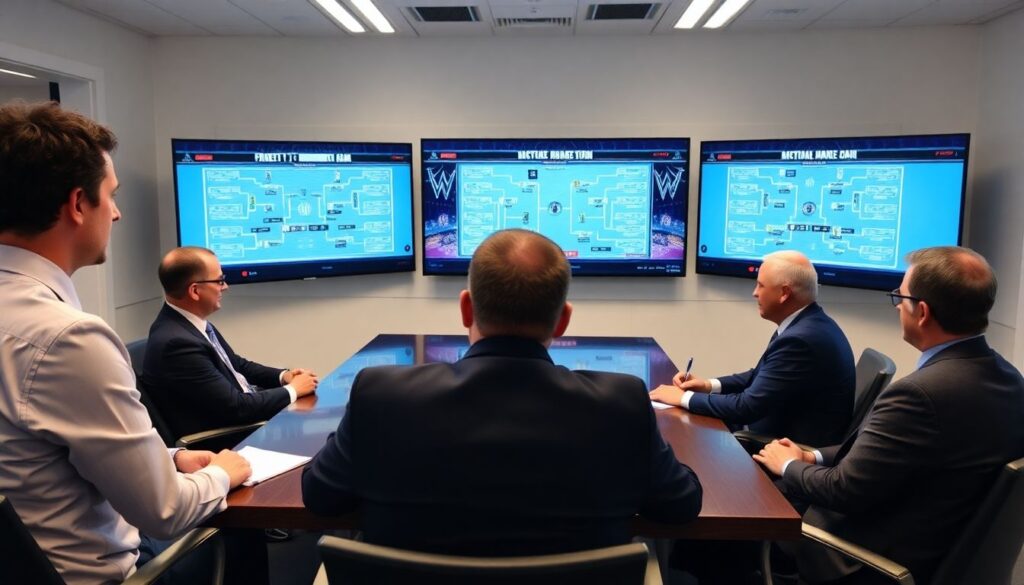
A three- to five-year window is generally safer than committing a decade out while conferences are volatile. Use flexible clauses that allow rescheduling if league formats, media partners, or playoff structures change materially.
What if our conference reduces the number of nonconference games available?
Prioritize your top one or two rivalries for nonconference slots and shift others to rotating formats. Coordinate with your league office early so they understand which games matter most and can factor them into future scheduling models.
How do we handle fan backlash when rivalry dates or locations change?
Communicate clearly and early, explaining the specific constraints driving the change. Offer tangible accommodations where possible, such as adjusted ticket policies, travel support information, or enhanced homecoming-style programming on new dates.
Can media partners help us protect a rivalry instead of threatening it?

Yes, if you position the rivalry as a tentpole event with consistent ratings. Engage broadcast partners with data on viewership, attendance, and social interest, then collaborate on windows that benefit both exposure and fan access.
What if our rival joins a different conference with incompatible schedules?
Explore home-and-home or neutral-site series that fit both leagues’ nonconference frameworks. Include clear realignment and buyout language so the series can be adjusted rather than abandoned if either conference format changes again.
How should we evaluate whether a rivalry is still worth protecting?
Measure financial performance, recruiting impact, fan sentiment, and on-field competitiveness over several seasons. If a rivalry underperforms across most of these dimensions, it may be a candidate for rotation rather than annual protection.
Does protecting rivalries hurt our chances in expanded playoff formats?
It can if rivalry placement leads to excessive travel or late-season fatigue. Work with your staff to model possible playoff paths and ensure rivalry timing and opponent strength support, rather than undercut, your program’s seasonal goals.