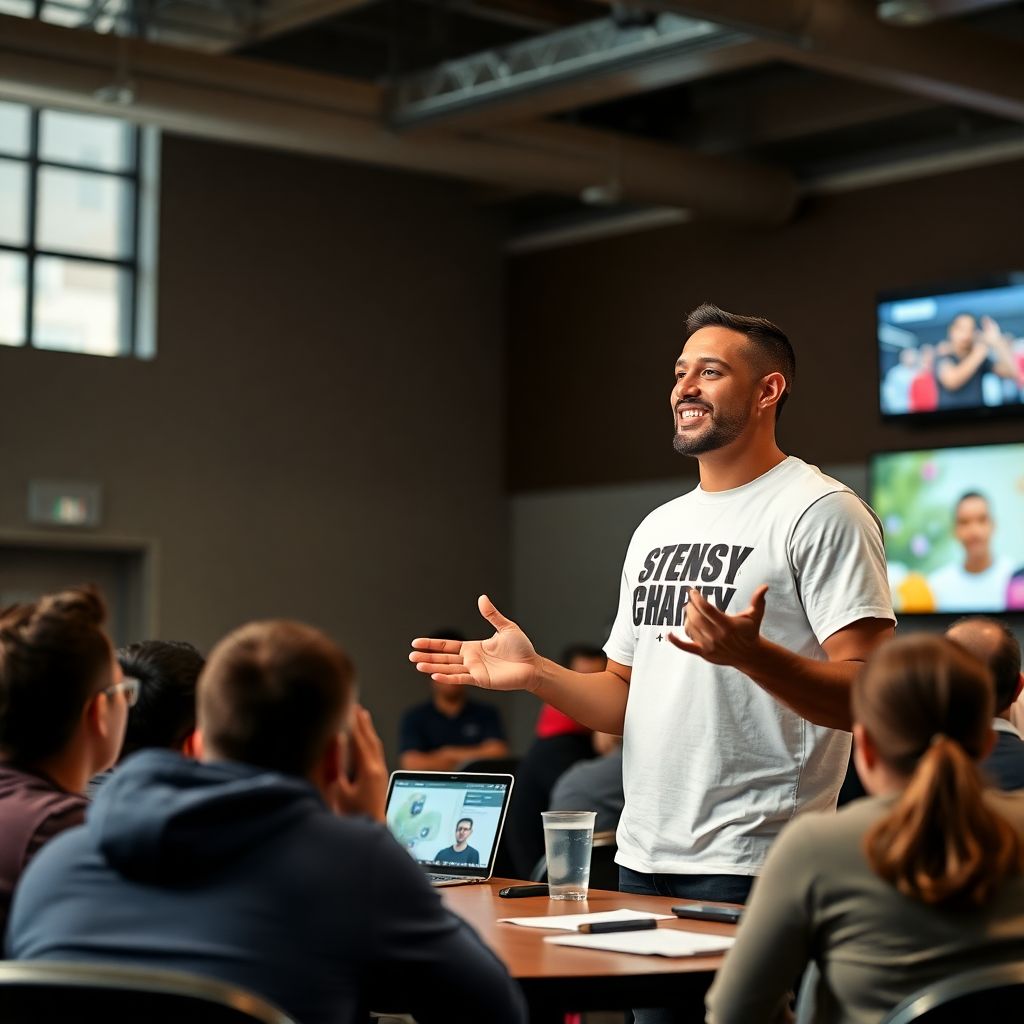
Players can turn their public profile into structured, safe community impact by focusing on one priority issue, partnering with credible local organizations, setting up simple governance and transparent finances, and using digital platforms to mobilize fans. Start small, measure clear outcomes, communicate honestly, and scale only when operations and risk controls are stable.
Foundations for Player-Led Community Programs
- Anchor the program to one clear community need that the player genuinely cares about.
- Work through existing, reputable nonprofits instead of trying to do everything alone at the start.
- Separate personal, commercial and charitable activities to avoid confusion and risk.
- Use the player’s visibility for storytelling, while qualified partners handle operations and safeguarding.
- Start with pilot projects and grow only when processes, reporting and safety are proven.
- Prepare basic legal, financial and crisis‑communication plans before any public launch.
Identifying Community Priorities and Key Stakeholders
Player-led community work fits when an athlete has an established audience, at least some spare time during the season or off‑season, and a real connection to a place or issue (e.g., youth sports access, food insecurity, mental health, education, social justice, climate resilience).
It is usually not the right time to launch new initiatives when the player is dealing with acute personal issues, legal disputes, frequent team changes, or when the club is in the middle of a major controversy that could overshadow the cause. In those phases, supporting existing initiatives more quietly is safer.
Quick mapping of priorities
- List 3-5 issues the player talks about often in interviews or on social media.
- Circle issues that connect directly to their story (where they grew up, what they lacked, what shaped them).
- Check where the club or league already has community programs; align when it makes sense instead of duplicating effort.
- Talk to local leaders (schools, community centers, youth coaches, health clinics) to validate what is most urgent.
- Prioritize one issue for the first 12-18 months.
Who should be at the table
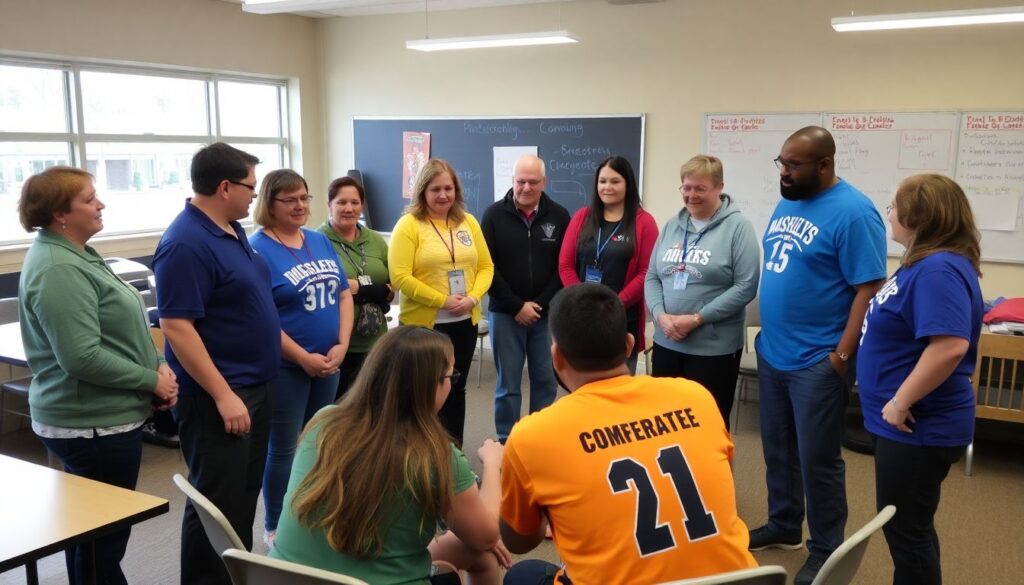
- Local execution partners: established nonprofits, schools or community groups who already work daily on the chosen issue.
- Club or league reps: community relations, communications, legal and security where appropriate.
- Player’s inner circle: agent, business manager, trusted family member, and if possible a social impact advisor.
- Corporate allies: brands already engaged in athlete brand partnerships for social impact who can add funding and reach.
Mini case example
A regional basketball player who grew up in food insecurity partners with an established local food bank. The food bank manages logistics, the club amplifies events, and a grocery brand funds meals. The player visits quarterly, promotes safe volunteering opportunities, and focuses on sharing stories instead of running daily operations.
Designing Scalable Initiatives Aligned with a Player’s Brand
To design initiatives that are both safe and scalable, you will need basic tools, clear boundaries and a simple operating model that respects the player’s image and schedule.
Core requirements before launching
- Brand clarity: a 1‑page profile describing the player’s values, non‑negotiables, off‑limits topics, and preferred causes.
- Risk assessment: a short list of what the player will not do (e.g., no unsupervised events with minors, no cash handling, no political endorsements).
- Communications toolkit: photo guidelines, logo files, tone-of-voice notes, and approval rules for press releases and social posts.
- Digital channels: player social accounts plus at least one central information hub (club website page, landing page, or nonprofit site).
- Trusted intermediaries: an agency or coordinator to filter inbound requests to hire professional athletes for charity events and to decline misaligned offers safely.
Choosing safe, scalable formats
- Annual anchor event: e.g., youth clinic, charity game, or scholarship announcement that can grow over time.
- Ongoing touchpoint: e.g., monthly mentoring calls with a school or recurring content series highlighting community stories.
- Digital campaigns: sports influencer marketing campaigns for community outreach that direct fans to donate, volunteer or learn, run together with verified nonprofits.
Aligning with commercial partners
Corporate sponsorships with socially responsible athletes can add resources if boundaries are clear: brand logos appear on materials, the brand funds program costs, and the program’s mission stays non‑negotiable. Sports marketing agencies specializing in athlete activism can help structure deals that protect both reputation and community outcomes.
Example alignment
A football player focused on literacy builds a reading challenge. A publishing sponsor covers books and prizes, a local nonprofit manages school coordination, and the club provides stadium space for a final celebration. The player records short video messages rather than committing to unsustainable weekly in‑person sessions.
Legal, Financial and Governance Considerations
This section outlines a safe, step‑by‑step pathway. Adapt the complexity to the size of your program and always consult qualified legal and tax professionals in your jurisdiction.
-
Decide on the operating structure
Choose whether to work through an existing nonprofit, set up a donor‑advised fund, or create a new foundation or fund within a trusted organization.
- Partner model: simplest; player lends name and time, partner handles legal and finances.
- Donor‑advised fund: flexible; good for targeted grants without building full infrastructure.
- Own foundation: highest control and responsibility; requires ongoing governance and compliance.
-
Separate personal, commercial and charitable flows
Open dedicated accounts for program funds and keep them fully separate from personal and endorsement income.
- Use written agreements stating who receives donations (the nonprofit, not the player).
- Ensure appearance fees for commercial events are paid to the correct entity and taxed appropriately.
-
Put minimal but clear governance in place
Define who decides what, and how conflicts are handled, even for small initiatives.
- Appoint a small advisory group (e.g., player rep, nonprofit partner, independent advisor).
- Document roles: who approves budgets, partnerships, public statements and major changes.
- Schedule at least one formal review meeting per year with notes and clear follow‑ups.
-
Address safeguarding, privacy and insurance
For any activity with minors or vulnerable groups, put safety first and use expert guidance.
- Run events only through partners with child‑protection and background‑check policies.
- Ensure photo/video consent forms and data‑protection practices meet local law.
- Discuss event liability and insurance coverage with club and partners before confirming venues.
-
Formalize agreements with brands and hosts
Written contracts are essential for athlete brand partnerships for social impact and for organizations that hire professional athletes for charity events.
- Clarify use of the player’s name, image and likeness, and where logos can appear.
- Define what portion of proceeds (if any) goes to charity, and how it is verified.
- Include clauses on cancellation, conduct issues, and social media content approvals.
-
Create a simple compliance and reporting routine
Even small programs should have predictable reporting and documentation.
- Collect invoices, receipts and signed contracts in a shared, access‑controlled folder.
- Prepare an annual one‑pager: funds in, funds out, activities delivered, and headline outcomes.
- Review local tax rules on charitable deductions and player endorsements with a professional.
Fast-track mode: minimum viable safe setup
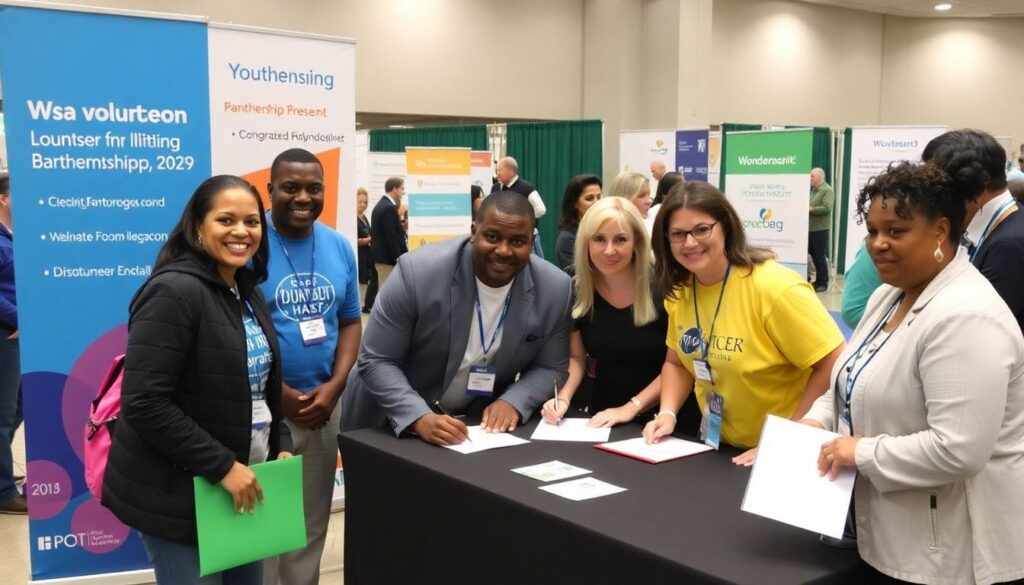
- Partner with one established nonprofit that already works on your chosen issue.
- Route all donations directly to that nonprofit; avoid holding or distributing funds yourself.
- Sign a short agreement covering name and image use, event formats and cancellation rules.
- Limit activities to a small number of supervised events plus online awareness campaigns.
- Publish an annual summary of activities and impact, approved by the nonprofit partner.
Ready-to-use basic program budget template
Use this simple layout (spreadsheet or document) for each season or campaign:
Section A - Income
1. Player contribution: __________
2. Club contribution: __________
3. Brand / sponsor support: __________
4. Public donations (if any): __________
5. In-kind support (estimated value, separate from cash): __________

Section B - Direct Program Costs
6. Venue and equipment: __________
7. Participant transport / meals: __________
8. Coaching / facilitators / trainers: __________
9. Insurance and security: __________
10. Program materials (kits, books, supplies): __________

Section C - Operations and Governance
11. Coordination / project management: __________
12. Legal and accounting support: __________
13. Communications and content production: __________
14. Monitoring and evaluation (surveys, data entry): __________

Section D - Totals
15. Total income (A1-A4): __________
16. Total cash costs (B6-C14): __________
17. Contingency reserve (5-10% of total costs): __________
18. Net surplus / shortfall: __________
Mobilizing Fans, Teams and Volunteer Networks
Use this checklist to verify that your outreach is effective, safe and sustainable.
- Clear, single call to action for each campaign (donate, sign up to volunteer, share a resource).
- Central, up‑to‑date information hub where all event details and updates are posted.
- Club and league communications teams briefed early, with approved key messages and talking points.
- Volunteer roles defined in writing, including supervision, time commitment and behavior expectations.
- Screening and training in place for any volunteer role that interacts with minors or vulnerable adults.
- Safe event design: crowd management, security coordination with venues, and clear emergency procedures.
- Digital campaigns aligned with offline efforts, using sports influencer marketing campaigns for community outreach to expand reach.
- Brands involved through structured corporate sponsorships with socially responsible athletes, not ad‑hoc logo placements.
- Post‑event communication that thanks participants, shares early wins, and explains what happens next.
- Simple feedback channel (short survey or email) for fans, volunteers and partners to suggest improvements.
Measuring Impact: Metrics, Data Collection and Reporting
Frequent mistakes in impact measurement for player-led programs can be avoided with a bit of planning.
- Tracking only vanity metrics: focusing on social media views and media hits without capturing real changes for participants.
- No baseline: running programs without simple "before" information, making it impossible to judge change.
- Overcomplicated surveys: designing long or intrusive questionnaires that participants skip or partially complete.
- Missing consent and privacy safeguards: collecting names, photos or health information without clear consent or secure storage.
- Inconsistent data entry: allowing different partners to record numbers in different ways, so totals cannot be trusted.
- No link to decisions: collecting data but not using it to refine program design, venues, schedules or communication.
- Irregular reporting: publishing updates only when something big happens, instead of providing steady, predictable summaries.
- Ignoring qualitative stories: failing to record participant and partner stories that make numbers understandable.
Simple impact tracker template
Use a basic spreadsheet or document with these columns or sections for each activity:
1. Activity name and date
2. Location and delivery partner
3. Target group (e.g., age, school level, community)
4. Inputs: staff hours, volunteer hours, facilities used, equipment
5. Participation: number invited, number attended, demographics (as appropriate)
6. Immediate outcomes (e.g., skills practiced, resources distributed, referrals made)
7. How information was collected (attendance sheet, survey, interviews)
8. Key quotes or stories (no identifying details without consent)
9. Risks or issues observed and how they were handled
10. Lessons for next time (what to keep, change, or stop)
Sustaining Impact: Legacy Planning and Post-Career Transition
Not every player needs to build a large foundation to leave a legacy. Consider these alternative models and when they fit best.
Alternative 1: Long-term partnership with a single nonprofit
The player commits to one organization over many years with consistent funding, ambassadorship and limited, high-quality appearances. This suits athletes who want deep impact without managing their own separate structure.
Alternative 2: Themed grantmaking through a donor-advised fund
Funds are placed into a managed account and distributed as grants to multiple vetted projects aligned with the player’s focus. This works for players with broad interests who still want professional oversight and flexibility after retirement.
Alternative 3: Advocacy and storytelling focus
Instead of running programs, the player uses interviews, documentaries, and social platforms to elevate community voices and support campaigns led by others. This is ideal when the player’s time is limited but their platform remains influential.
Alternative 4: Legacy scholarship or awards program
A named scholarship, fellowship or annual award can be hosted by a university, league, or trusted nonprofit. This provides ongoing recognition and support to individuals aligned with the player’s values, with minimal operational burden on the player.
Practical Concerns and Common Implementation Challenges
How much time should a player realistically commit to community programs?
Start with a small, predictable commitment, such as a few days per season plus limited online activity. Build systems and delegate tasks so the program does not depend entirely on the player’s presence.
Is it better to start a new foundation or support existing organizations?
For most players, partnering with established organizations is safer and more efficient than launching a foundation. A new entity makes sense only when there is a long-term commitment, clear differentiation and the right professional support.
How can we avoid reputational risks around money and donations?
Keep funds in separate accounts, send donations directly to nonprofits where possible, and be precise when communicating where money goes. Publish simple annual summaries and use written agreements with event hosts and sponsors.
What if the player changes teams or cities frequently?
Focus on portable themes such as mental health, inclusion or education, and partner with national or international organizations. Local projects can be time-bound pilots instead of permanent commitments tied to one club.
How do we decide which charity event invitations to accept?
Set written criteria in advance: alignment with the player’s values, reputational track record of the host, clarity on where funds go, and safety and logistics. Decline anything that fails basic due diligence or blurs lines between charity and commercial gain.
Can commercial brands be involved without overshadowing the cause?
Yes, when roles and boundaries are defined contractually. Brands can fund costs and amplify reach, while messaging focuses primarily on community outcomes. The cause should remain central in visuals and storytelling.
How should we communicate impact to fans without exaggeration?
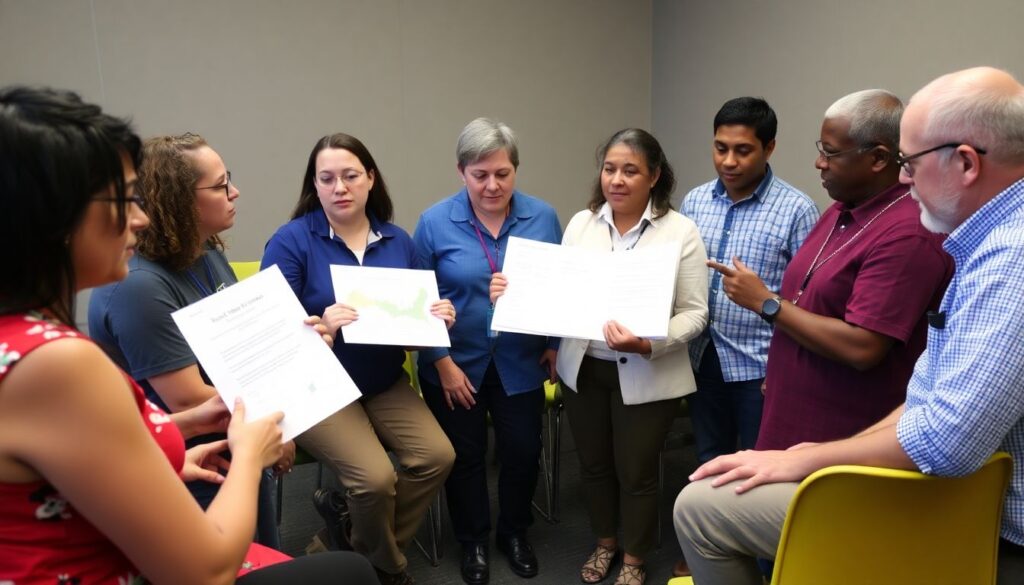
Share specific activities and outcomes backed by simple data and partner verification. Highlight stories that show human impact and be transparent about limitations and next steps rather than making sweeping claims.