Why big hits are getting smaller — and smarter
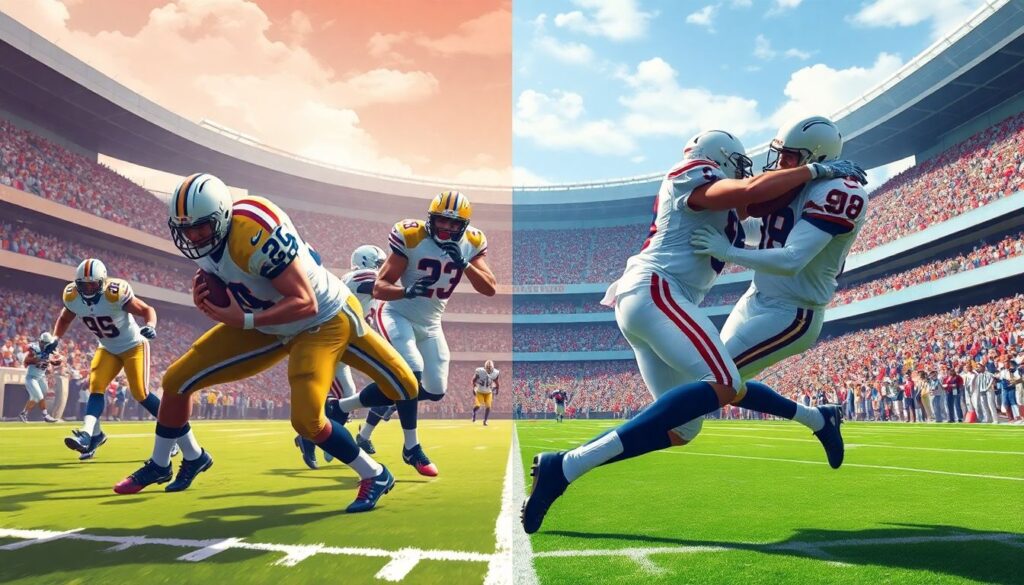
If you feel like modern football looks different from the highlight reels of the 90‑х, you’re not imagining it. Coaches still love a clean, crunching tackle, but the science behind those collisions has changed the way the game is taught, officiated and even manufactured at the equipment level. The NFL, NCAA and big high‑school conferences are all reacting to a decade of research on brain trauma, neck loading and joint mechanics. Between 2021 and 2023, the NFL reports a roughly 20% drop in concussion diagnoses in regular‑season games, even as passing volume and total plays have stayed high. That didn’t happen by accident: it came from a slow, sometimes controversial redesign of football itself, from the way players line up to what’s inside their helmets.
Rules and culture have shifted too. Players are now coached to think about strike zones and head position the way hitters think about pitch selection. Refs talk openly with defenders during games about “lower your target” and “take the head out,” something that was rare a decade ago.
Key terms: impact, load and risk — in plain English
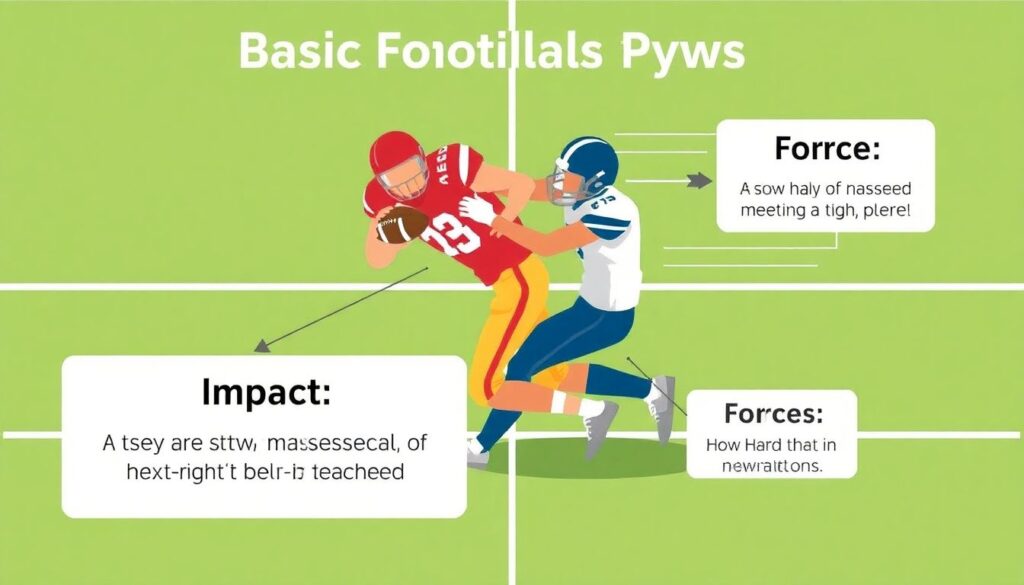
Before diving into football tackling techniques, it helps to pin down a few words that get thrown around in TV broadcasts but rarely unpacked. “Impact” is simply the collision itself — two masses meeting, usually fast. “Force” is how hard that impact is, measured in newtons; big bodies plus high speed equal big force. “Acceleration” in this context usually means how quickly the head changes speed or direction during a hit, and that’s what many concussion studies track with helmet or mouthguard sensors. Finally, “load” is how that force spreads through the body: is it taken mostly by the shoulder pad and chest, or does it whip the neck or twist the knee? Modern safety research is less obsessed with “big hits” in isolation and more with how often the brain experiences sharp, repeated accelerations.
Think of it this way: a single highlight‑reel tackle with great form might be less dangerous than a month of sub‑concussive, head‑to‑head thuds in practice.
What actually happens in a tackle: a verbal diagram
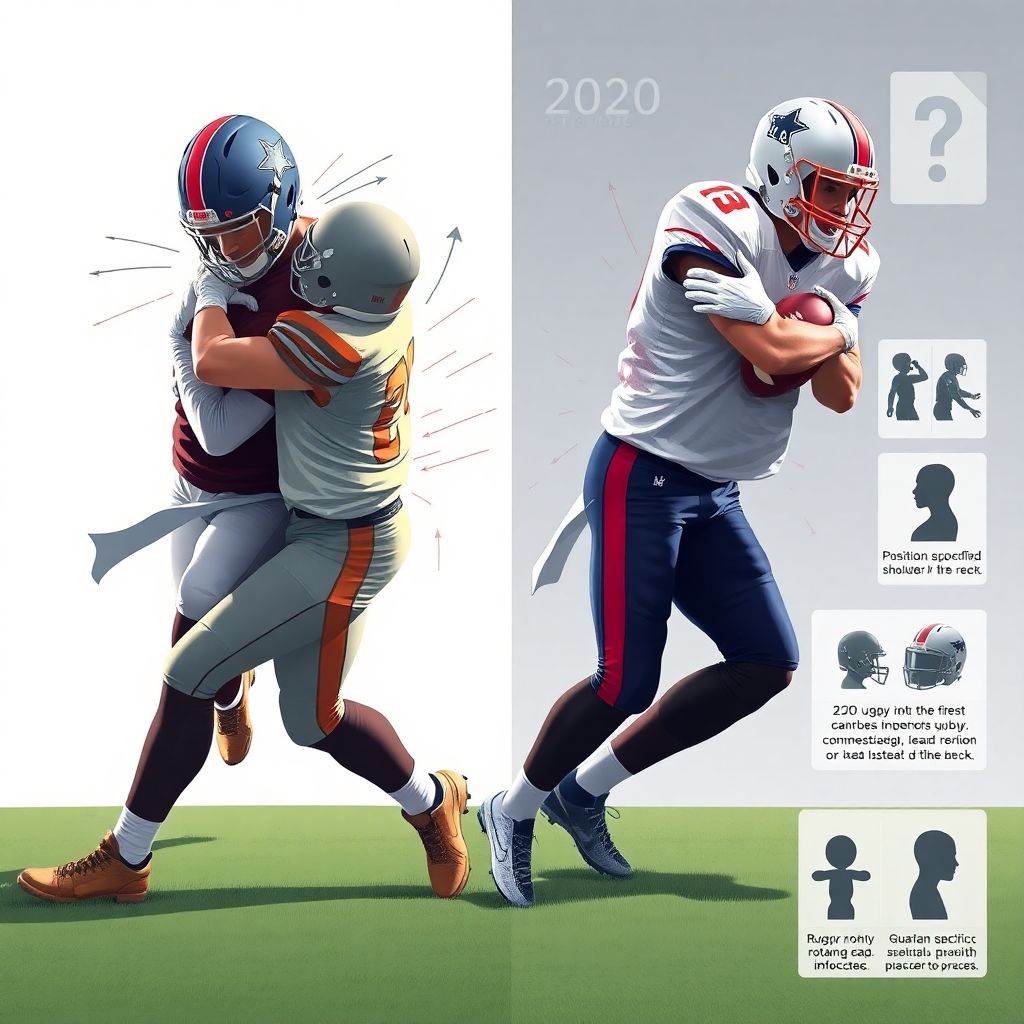
Let’s sketch a tackle as if we’re drawing it, using words instead of lines. Imagine a side view. At the left, a running back: small circle for the head, rectangle for the torso, smaller rectangles for the legs, arrow pointing downfield. On the right, a defender taking an angle: same simple body, but with an arrow that cuts diagonally across the runner’s path. At the moment of contact, two more arrows appear: one from the defender’s shoulder into the runner’s mid‑section, another smaller arrow from the defender’s wrapped arms pulling the runner’s thighs. Now add a curved arrow from the runner’s body toward the ground — that’s rotation. Researchers model these arrows to estimate how much of the collision energy is used to stop forward motion, and how much goes into rotating or snapping the head and neck, which is where a lot of brain and spine risk lives.
If those arrows concentrate at helmet level instead of the torso, the head’s acceleration spikes, even if the hit doesn’t look especially violent on TV.
Head‑first vs shoulder‑first: why form changes the physics
In raw numbers, a head‑first hit tends to produce a shorter contact time and a sharper deceleration of the skull, which means higher peak acceleration for the brain. Shoulder‑first, with the neck kept neutral and the eyes up, spreads that same stopping force over more time and more surface area: helmet shell, facemask, shoulder, chest and arms. Studies using instrumented mouthguards from 2021–2023 at several Division I programs showed that similar‑looking tackles could produce two‑to‑three‑times different head‑acceleration values depending purely on head position at contact. That’s why so much modern coaching sounds repetitive — “eyes through the thighs,” “bite the ball,” “near‑foot, near‑shoulder” — they’re all crude ways of telling the body to line up so the neck isn’t the first structure taking the blow.
Technique evolution: from knockout shots to controlled finishes
Older fans remember when “blowing someone up” was an accepted goal. Today’s coaches design a football tackling training program around deceleration and control rather than maximum violence. The core sequence hasn’t changed much: close space, sink the hips, strike through the ball carrier, wrap, then run the feet. What’s changed is the strike zone and the tracking path. Defenders are now taught to “track near hip to near hip,” which angles them to the ball carrier’s mid‑section instead of the head, and to finish with their own spine in a straight, stable line. In practice, this looks like defenders arriving under control, taking shorter steps in the final two meters and aiming for the torso, not the highlight‑reel blow to the chin. That slightly slower arrival actually allows them to redirect force more safely once contact happens.
You still get big hits; they’re just more about timing and leverage than pure speed.
Comparing rugby and American football tackling
Rugby is the most useful analogue when people talk about redesigning contact. Both sports involve open‑field tackling, but rugby players don’t wear hard helmets and are banned from leading with the head. That combination has nudged the culture toward leg and torso tackles with the head behind or to the side of the ball carrier. When researchers compare similar levels — say, professional rugby and the NFL — total concussion rates are still high in both, but the distribution differs: rugby sees more head‑to‑ground and head‑to‑hip contacts, while American football has historically logged more head‑to‑helmet hits. As American coaches borrow rugby‑style tackle progressions, we’ve seen the NFL’s helmet‑to‑helmet concussions in games drop from the 2017 peak to significantly lower levels by 2023, even before accounting for rule changes like defenseless‑receiver protections.
The lesson isn’t that football should become rugby, but that constraint‑driven coaching can change how players choose to collide.
Gear: what modern equipment really does (and doesn’t) do
The arms race in football player safety equipment has produced helmets that look like sci‑fi props, but the core job hasn’t changed: they’re built to reduce skull fracture and spread impact over time, not to make the brain immune to shaking. Since 2021, the NFL and manufacturers have publicized rankings of helmet models based on how well they reduce lab‑measured head acceleration in common impact scenarios: frontal, side and oblique blows at different speeds. At the same time, position‑specific padding — guardian caps over helmets in practice, added padding at the back for quarterbacks, lower‑profile models for wide receivers — aim to address the most frequent hit patterns each role sees. Shoulder pads have gone the other direction, getting smaller and more flexible to allow better tackling mechanics, even if that means slightly less armor for straight‑on hits to the chest.
Cleats and lower‑body pads are also being rethought, as knee and ankle loads are increasingly seen as part of the “safety” conversation, not just upper‑body trauma.
Youth gear and the gap between lab and field
At the youth level, where neck strength and motor control are still developing, good helmets and pads matter, but not in the way parents sometimes hope. Youth football safety gear tested in the same labs as pro models often shows similar reductions in peak acceleration under standardized impacts, but real‑world studies from 2021–2023 suggest that helmet choice alone doesn’t significantly change concussion rates in kids. What does move the needle is a mix of gear and behavior: proper fit checked regularly as kids grow, limits on full‑contact practice, and consistent enforcement of form‑tackling rules. Mouthguards, often marketed as concussion‑reducers, are valuable for teeth and jaw but have mixed evidence for brain protection. They sometimes show modest benefits in impact metrics, yet not enough to rely on them as a primary shield. In short, equipment is a safety net, not a license to hit recklessly.
Parents should think of gear as seat belts, not force fields: essential, but only as part of a wider safety system.
Concussions: what’s changed in the last three years
On concussions, definitions matter. Medically, a concussion is a mild traumatic brain injury caused by biomechanical forces — a blow to the head or a whiplash‑style jolt that temporarily disrupts brain function. Symptoms can be obvious (loss of consciousness, confusion) or subtle (headache, light sensitivity, irritability). From 2021 to 2023, the NFL reported an overall decline in diagnosed concussions in games and practices compared with the 2015–2017 period, even accounting for more aggressive spotting and independent neuro consultants. At the college level, some conferences that capped full‑contact practice periods saw year‑over‑year drops in reported concussions by the low double‑digits, though under‑reporting remains a concern. For concussion prevention in football, the big shift has been away from “tough it out” toward mandatory removal and stepwise return‑to‑play protocols, which, while unpopular with some players, reduce the risk of dangerous second‑impact scenarios.
My data access currently runs through 2023, so I can’t quote precise 2024–2025 numbers, but the rule and protocol trends point toward continued emphasis on early detection and conservative management rather than miracle cures.
Can technique really lower concussion risk?
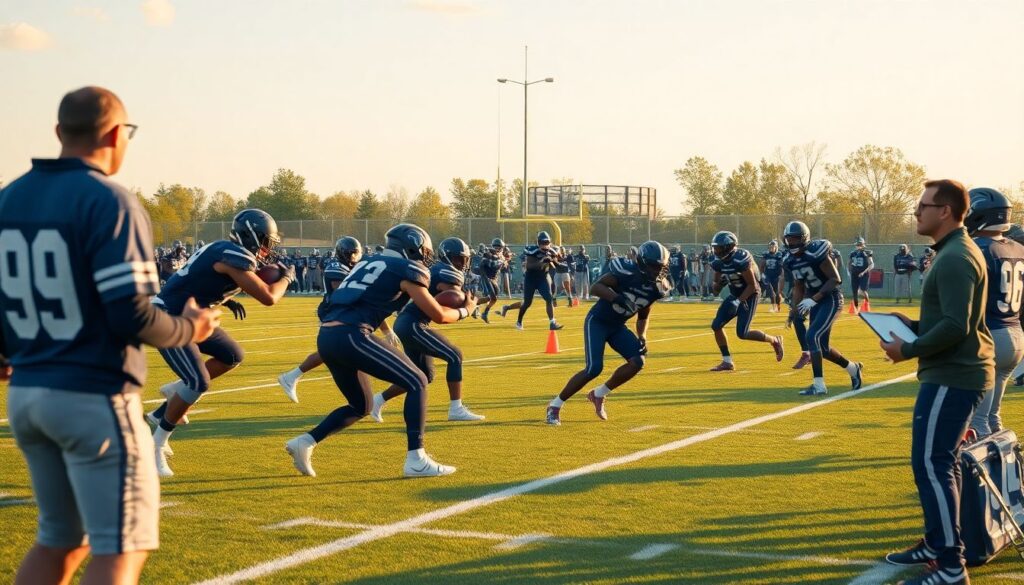
Technique isn’t a magic shield, but it measurably nudges the odds. In high‑school and college teams that fully implemented head‑out tackling systems between 2020 and 2023 — meaning every drill, every practice rep and every scrimmage was coached with the same principles — researchers observed fewer head‑to‑head contact events per game and lower average head‑acceleration values in instrumented players. Not every program saw a clean decline in diagnosed concussions, partly because one bad fall can undo a lot of safe reps, but the overall exposure to risky impacts dropped. The key is consistency: if a team only emphasizes form during preseason and then lets “just get him down” take over in October, old habits return when fatigue and pressure rise. Technique is best viewed as risk budgeting: you can’t reduce risk to zero, but you can move many plays from the “high‑risk” bucket into the “moderate” one.
That’s especially crucial for linemen, who experience frequent sub‑concussive blows that rarely make highlight reels but add up over seasons.
Rules, penalties and how they reshape behavior
We can’t talk about safety without talking about the rulebook. Targeting and defenseless‑receiver rules in college, and use‑of‑helmet and roughing‑the‑passer penalties in the NFL, are effectively behavioral levers. When a big hit costs a defense 15 yards, an ejection or a fine, coaches adjust the film‑room message. Between 2021 and 2023, both the NFL and major college conferences tweaked language to focus on “forcible contact to the head or neck” and on players using the crown of the helmet as the initial point. Early on, critics complained that refs were guessing intent; more recently, leagues have leaned into video review and clearer teaching clips so players know exactly what’s banned. The side effect is real: defenders now talk openly about “strike zones” the way baseball pitchers do, aiming shoulders for the torso and ribs.
There’s still tension between defensive aggression and safety, but the direction of travel is obvious: fewer knockout shots, more technically sound stops.
Training smarter: where programs are heading
Modern football tackling techniques don’t live only in contact periods anymore; they’re baked into warm‑ups, walk‑throughs and film study. Many programs now begin with non‑contact “tracking” drills, where defenders learn approach angles and hip‑level aiming points using cones or hoops, then layer in contact later. Sensor data from 2021–2023 show that simply cutting full‑speed, full‑contact reps in half during practice can dramatically reduce cumulative head‑impact loads over a season without hurting game performance. That’s changing how coaches periodize weeks: more focused, shorter contact blocks, more work on decision‑making and leverage in controlled settings. For youth and high‑school players, some states have written contact limits directly into policy, effectively baking sports‑science insights into law.
At the elite level, off‑season work now frequently includes neck‑strengthening and proprioception drills — small things that can slightly reduce how violently the head whips during surprise contact.
Looking ahead: balancing spectacle and safety
The big question hanging over every rules change and gear innovation is simple: can football stay football and still get safer? No one expects collisions to disappear, and part of the sport’s draw is the physical confrontation at its core. But the past three seasons suggest that impact doesn’t have to mean chaos. Better data, more transparent protocols and smarter design have already nudged the game away from its most reckless edges. For youth leagues, that means starting kids with habits that make their necks and brains less vulnerable before they ever step into varsity stadiums. For pros, it’s about extending careers without turning games into half‑speed exhibitions. In all of this, clear definitions, honest stats and real‑world feedback loops matter more than slogans.
Behind every “big hit” that lands cleanly now, there’s a decade of biomechanics and policy quietly steering bodies into safer, more sustainable collisions.