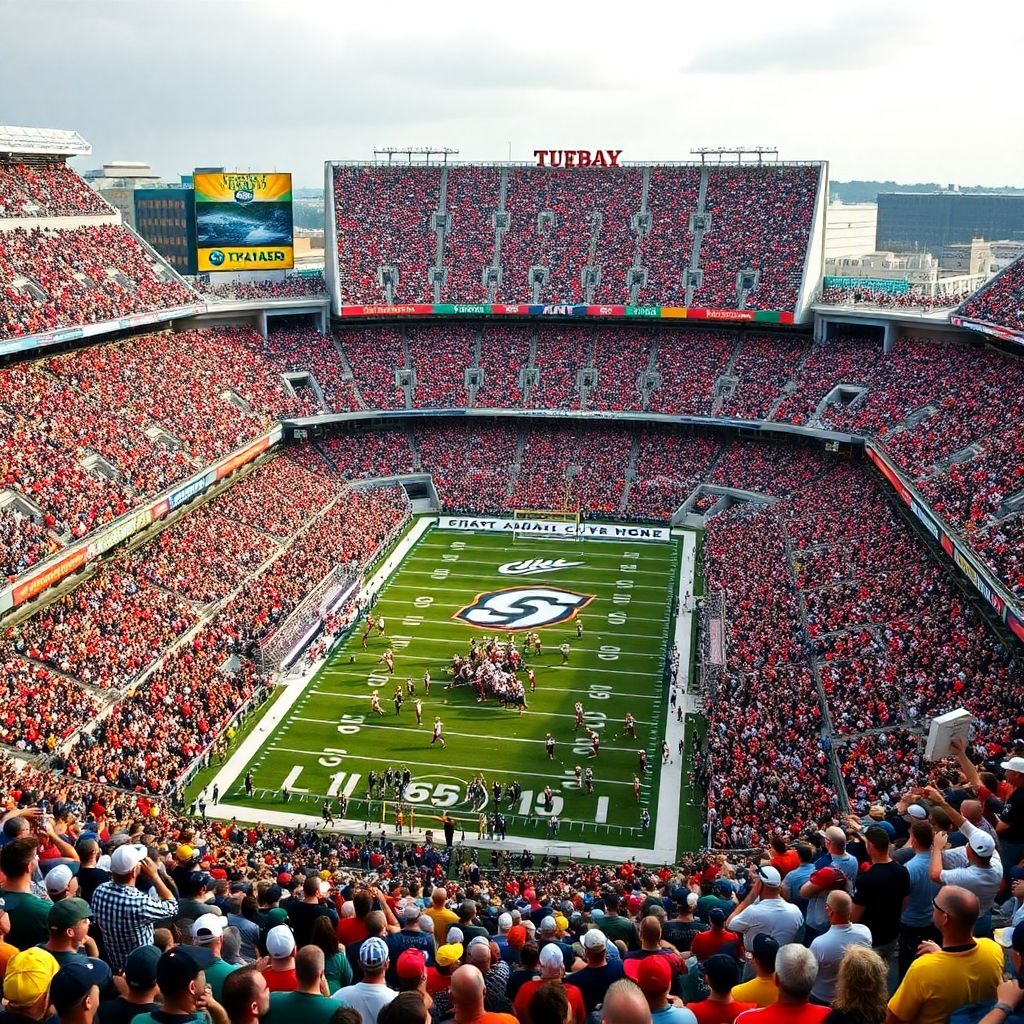
The biggest rivalries in college football are long-running matchups where history, geography, culture and competitive balance combine into must-watch games. If you want to understand what makes them special, then look at origin stories, trophies, iconic finishes and recruiting stakes instead of only rankings, and compare how fans, media and money amplify each series.
What Defines a College Football Rivalry
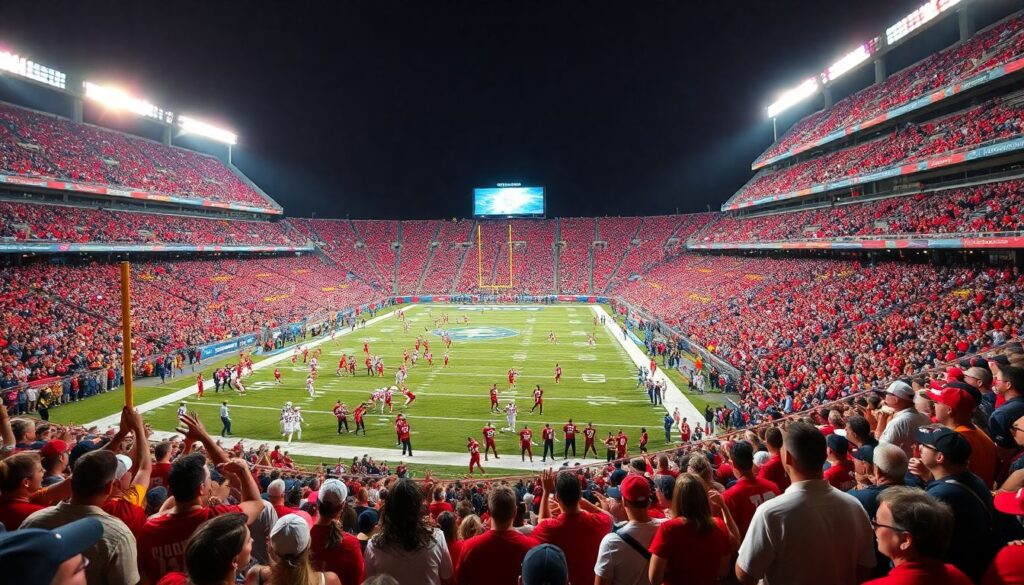
- If two teams play almost every year and the result shapes both seasons, then you are likely looking at a true rivalry.
- If alumni, students and local communities build traditions around one opponent, then that game usually matters beyond the standings.
- If both sides can point to painful losses and unforgettable wins, then emotional balance fuels the rivalry.
- If recruiting battles and regional pride are always at stake, then the matchup affects the future, not just one weekend.
- If media and sponsors treat the game as an event with its own brand, then commercial attention is reinforcing the rivalry.
Historical Origins and Defining Turning Points
A college football rivalry is a recurring matchup between two programs whose shared history, high stakes and emotional intensity make the game stand out from ordinary contests. The biggest rivalries in college football usually began early in the sport’s history and grew alongside conferences, regional identity and national media coverage.
Many classic series, like Michigan-Ohio State or Alabama-Auburn, started as simple geographic or conference pairings. Over time, defining turning points turned them into something more: disputed calls, title-deciding games, legendary coaches facing off, and seasons remembered almost entirely for one November afternoon. If you are building a best college football rivalries list, then you should always ask which single games changed how fans view that matchup.
Historical depth also explains why some rivalries remain huge even when one or both teams are having down years. If the series has survived wars, conference realignment and coaching eras, then tradition itself keeps the rivalry relevant. This is why the college football rivalry games schedule still highlights matchups like Army-Navy, even when playoff implications are limited.
- If a series predates modern television and realignment, then its longevity is a core part of what makes it special.
- If one game in the past is still referenced every time the teams meet, then that turning point is central to the rivalry’s identity.
- If fans measure seasons in terms of “did we beat them,” then history has successfully redefined the program’s priorities.
Geography, Culture and Recruiting Stakes
Geography is often the seed of a rivalry: neighboring states, shared borders or competing cities. Culture and recruiting then turn physical distance into emotional distance. If two schools compete for the same high-school talent and media markets, then resentment and bragging rights grow naturally.
- If campuses are a short drive apart, then families, workplaces and friend groups will likely include fans of both sides, intensifying trash talk.
- If the schools represent contrasting identities (public vs. private, secular vs. religious, rural vs. urban), then every game feels like a clash of values.
- If top recruits routinely choose between these two programs, then signing day becomes an extension of the rivalry.
- If one team dominates the local narrative, then the underdog uses the rivalry as a shortcut to relevance.
- If conference titles or divisional standings regularly hinge on this matchup, then geography and culture are reinforced by concrete stakes.
- If the fan bases travel well to each other’s stadiums, then both atmospheres stay intense regardless of home-field advantage.
- If neighbors argue about the game year-round, then local culture is a primary engine of the rivalry.
- If recruiting announcements are followed closely by both fan bases, then future rosters are shaping future chapters of the feud.
- If conference realignment separates geographic rivals, then you should expect fans to lobby publicly for nonconference renewals.
Iconic Games, Plays and Signature Moments
Even the fiercest rivalry needs defining images. Iconic games and plays give casual fans something to remember and give insiders a shared language. If a single name, scoreline or crazy bounce instantly evokes one game, then that moment is probably central to the rivalry’s story.
For example, in the Iron Bowl between Alabama and Auburn, last-second returns and coaching gambles have turned otherwise ordinary seasons into legends. In “The Game” between Michigan and Ohio State, coaching duels and upset bids have altered national championship races. If you are comparing rivalries, then weigh how many neutral fans can describe those signature finishes without looking them up.
Iconic moments do not have to be game-winning touchdowns. Weather games, massive comebacks, controversial calls and record-breaking performances all count. The key is repetition: if broadcasters replay the same clip every year, then that play has become part of the rivalry’s permanent highlight reel.
- If neutral fans circle the date on their calendars because “something wild always happens,” then big moments have built a trustworthy reputation.
- If one play is still painful to one side and joyous to the other, then emotional memory is sustaining interest.
- If each new meeting is framed as a chance to “add another chapter,” then iconic games are doing their job as narrative anchors.
Traditions, Trophies and Game-Day Pageantry
Rivalry traditions turn a football game into a ritual. Marching band formations, pregame parades, tailgate customs and postgame songs signal that this is not an ordinary Saturday. If a matchup has unique pageantry you do not see in other games, then those rituals are part of what makes it special.
Trophies give that ritual a physical symbol. From the Golden Hat to the Commander-in-Chief’s Trophy, tangible awards focus fan attention and create simple storylines. If players talk about “keeping” or “bringing back” a specific trophy, then you know the game carries weight inside the locker room as well.
| Rivalry | Approximate Origin Era | Trophy (If Any) | Series Balance | Widely Cited Defining Moment |
|---|---|---|---|---|
| Michigan vs. Ohio State ("The Game") | Early 20th century | No single traveling trophy; Big Ten stakes act as prize | Historically competitive, with long swings for each side | Multiple late-season upsets affecting national title races |
| Alabama vs. Auburn (Iron Bowl) | Late 19th century | No traditional trophy; state bragging rights define the win | Closely contested over modern decades | Dramatic last-second return and other late-game heroics |
| Texas vs. Oklahoma (Red River rivalry) | Early 20th century | Golden Hat | Relatively even, with momentum swings by era | Neutral-site shootouts deciding conference trajectories |
| Army vs. Navy | Late 19th century | Commander-in-Chief’s Trophy (shared with Air Force) | Back-and-forth stretches reflecting service academy eras | Emotionally charged games played in front of national leaders |
| USC vs. Notre Dame | Early 20th century | Jeweled Shillelagh | Momentum swings tied to coaching legends | Heisman-level performances and comeback wins on big stages |
- If a rivalry has a named trophy or object, then that symbol often simplifies the story for casual fans.
- If unique pregame or halftime rituals exist only for one opponent, then that pageantry sets the rivalry apart from regular games.
- If players and coaches mention traditions unprompted, then internal culture has fully absorbed the rivalry’s significance.
Head-to-Head Statistics and Competitive Balance
Numbers shape how rivalries are perceived, but they can also mislead. If one program has dominated for decades, then some observers may claim the rivalry is “dead,” yet local intensity and upset potential can still be very high. Conversely, an even all-time series does not guarantee national attention.
Competitive balance over meaningful stretches tends to matter more than one lopsided era. If each side has had runs of dominance and painful collapses, then both fan bases enter the game hopeful and wary. When you scan head-to-head statistics, look for patterns in streaks, upsets and games decided late, not just the raw total.
- If you focus only on the all-time series lead, then you may overlook how close the games have been in the modern era.
- If you ignore blowouts or long losing streaks, then you might underestimate how badly one side wants revenge.
- If you assume parity is required for a rivalry, then you will miss matchups where tradition and hatred outweigh recent results.
- If you treat a single upset as proof of a power shift, then you are reading too much into one chapter of a long story.
- If both teams have ruined the other’s big season at least once, then statistical swings are feeding resentment.
- If close scores cluster around coaching or quarterback eras, then personnel cycles are a major driver of rivalry drama.
- If media graphics highlight upset records and one-score games, then competitive balance is part of the marketing.
Media, Money and How Rivalries Evolve Today
Modern college football rivalries exist inside a media and business ecosystem. Television deals, streaming platforms and sponsorships influence kickoff times, neutral sites and even conference realignment. If a rivalry reliably delivers high ratings, then networks and conferences will prioritize it in scheduling and promotion.
For fans, this shows up in several ways. If you search for college football rivalries tickets online and see dynamic pricing or premium packages, then demand is driving revenue strategy. If you notice special broadcasts, alternate uniforms and branded college football rivalry merchandise, then marketing teams are treating the game as a standalone product rather than just another date on the calendar.
Travel and tourism have also entered the picture. If you see college football rivalry weekend travel packages advertised, then local hotels and tour operators have learned to bundle tickets, tailgates and city experiences. When you combine that with a nationally televised slot on the college football rivalry games schedule, the result is a full-scale event with economic impact well beyond the stadium.
Here is a simple decision pattern that programs and conferences often follow, expressed in “if…, then…” form:
- If a rivalry consistently outperforms average ratings and attendance, then schedule it in a high-visibility window and build a week-long content plan around it.
- If realignment threatens to cancel a classic rivalry, then consider nonconference agreements or neutral-site deals to keep it alive.
- If fan travel, merchandise sales and hospitality bookings spike around the game, then treat the rivalry as a signature brand asset in long-term planning.
- If you see a rivalry promoted with special logos and sponsors, then media and money are reinforcing traditional passion.
- If changing conferences disrupt old rivalries, then new matchups with frequent high-stakes collisions may gradually grow to fill the gap.
- If you track how often networks select a rivalry for prime slots, then you can gauge its current national value.
Quick Self-Check for Spotting a Real Rivalry
- If one game defines the mood of each fan base for an entire offseason, then you are probably looking at a core rivalry.
- If both history and recent seasons provide memorable moments, then the matchup has staying power.
- If tickets, travel, media and recruiting all spike around one opponent, then emotional and economic incentives are aligned.
- If fans talk about “hate” but still respect the opponent’s place in the sport, then the rivalry is culturally embedded, not manufactured.
Practical Questions Fans and Analysts Commonly Raise
How can I quickly tell if a game is a genuine rivalry or just a big matchup?
Look for history, emotion and repetition. If the teams have played for many years, fan bases circle the date every season and past results still sting, then it is a rivalry. If hype only appears when rankings are high, then it is probably just a marquee game.
Why do some lopsided series still feel like major rivalries?
Local culture and emotion can outweigh recent results. If one school dominates but the underdog’s season is still defined by this game, then the rivalry lives on. Occasional upsets or near-misses keep hope alive and add fuel to the storyline.
How should I plan around the college football rivalry games schedule as a fan?
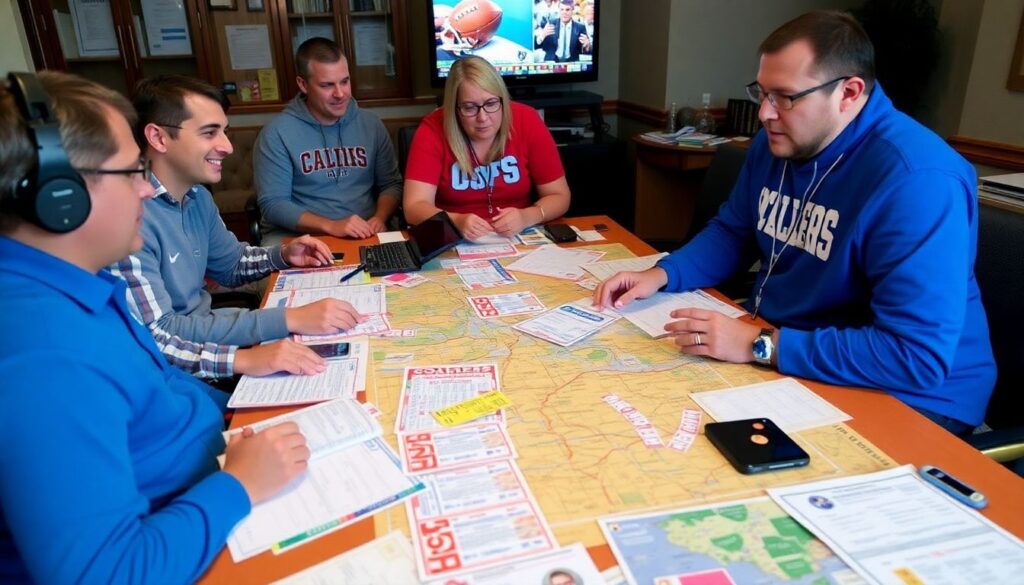
Start by identifying the specific rivalry weeks you care about most, then work backward. If travel or family plans are flexible, then prioritize games with unique pageantry or neutral sites, and check dates early because kickoff times and television windows may shift closer to the season.
What should I consider before buying college football rivalries tickets?
If demand is high, then expect variable pricing and limited seat clusters, especially for neutral-site games. Check stadium layout, weather history and typical kickoff times, then decide whether atmosphere (student sections, bands) or comfort (covered seats, premium areas) matters more for your experience.
How do lists of the “best” college football rivalries differ from one another?
Criteria vary. If a best college football rivalries list focuses on national titles and ratings, then legacy regional rivalries may be downgraded. If a list emphasizes tradition and pageantry, then service academies or long-running neighbor feuds usually rise in the rankings.
Is official merchandise really different for rivalry games?
Often yes. If you browse college football rivalry merchandise, then you will notice limited-edition designs, split-logo items and date-specific apparel. These pieces are tied to a specific matchup, so availability can be shorter and resale interest higher than for standard team gear.
Are travel bundles worth it for a rivalry weekend?
If you are visiting from out of town and value convenience over micromanaging costs, then college football rivalry weekend travel packages can be helpful. They typically combine hotels, local experiences and sometimes tickets; compare bundled prices with booking everything separately before committing.