
Understanding How NIL Is Flipping College Football on Its Head
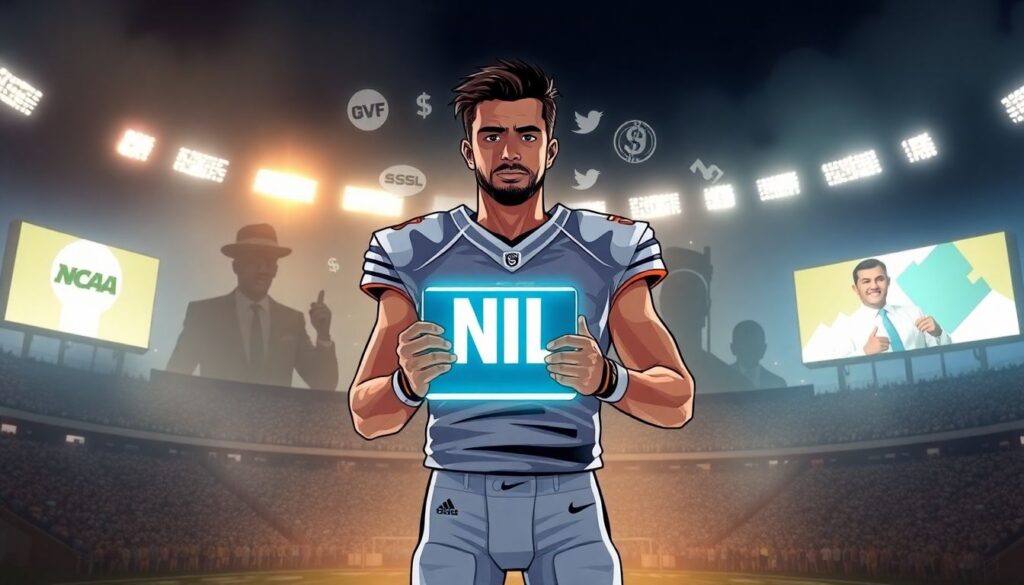
Name, Image and Likeness used to be three legal words buried in NCAA rulebooks; now they’re the lever moving the entire sport. College football NIL deals are shifting power from schools and TV networks toward players who can build real brands before they ever touch the NFL. Instead of slipping into the system and hoping for a draft day, athletes can monetize social media, local fame, and even niche hobbies right now. That changes recruiting, locker‑room dynamics, playcalling risk tolerance, and how long stars stay in school. To use this quickly evolving system without getting burned, you need to treat yourself like a startup founder: learn the rules, gather a small “advisory board,” and design a personal NIL strategy that outlives your playing career.
The upside is huge, but so are the traps. Bad contracts, shady handlers, or tax messes can erase a year’s worth of checks fast. The goal isn’t just signing anything; it’s building leverage, options, and a clean paper trail.
Necessary Tools for Navigating NIL
Digital, Legal and Human Toolkit
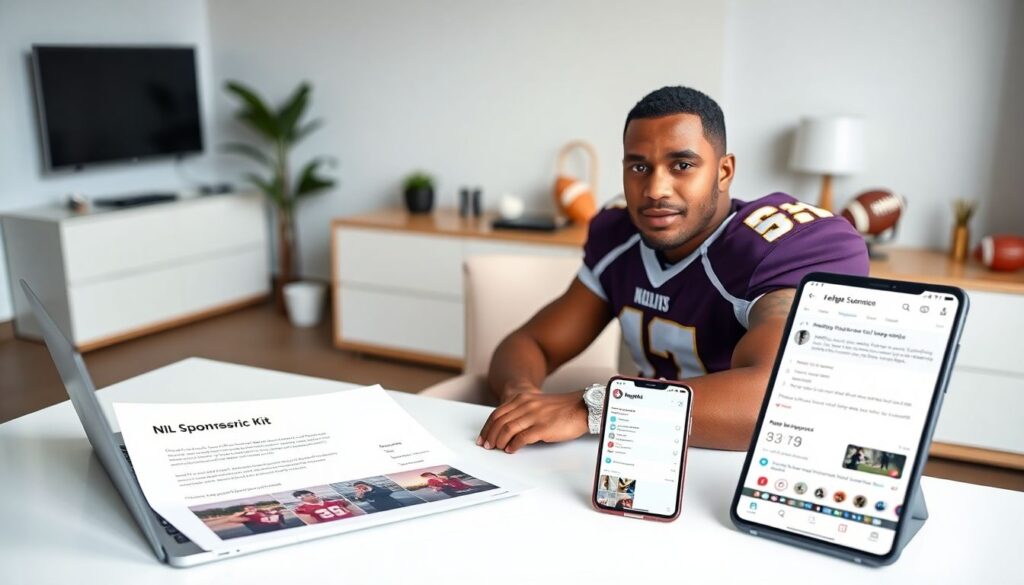
If you want to compete for serious NIL sponsorship opportunities college football is offering, you need more than a highlight reel. Start with a professional email, a media kit (short bio, photos, stats, follower counts, and brand fit), and at least one well‑run social channel where you actually talk to fans instead of posting once a month. Add a basic website or Linktree‑style hub so brands and collectives can see everything in one place. On the boring but crucial side, you’ll need an EIN or at least a bank account just for NIL money, a simple bookkeeping app, and access to a legit sports lawyer or school‑vetted legal advisor who actually reads your contracts. Finally, line up one trusted “reality check” person—a parent, mentor, or retired player—who will ask the questions you’re too excited to ask yourself when a flashy deal appears.
Don’t underestimate soft tools: your reputation, punctuality, and how you treat staff and walk‑ons will spread faster than any campaign.
Finding the Right Partners and Platforms
Instead of waiting for random DMs, plug into the ecosystem on purpose. Register on your school’s NIL portal, follow local businesses you’d actually use, and research NIL marketing agencies for college athletes that have real case studies, not just big promises. Some agencies are great at national brands, others shine with smaller but steady local deals—know which lane you’re in.
The best NIL collectives for college football players usually aren’t just throwing cash around; they offer content days, financial education, maybe even intros to alumni investors.
Step-by-Step: How to Turn NIL From Chaos Into a System
Laying the Foundation Before You Chase Deals
If you’re wondering how to get NIL deals college football wide, start by acting like a brand before anyone pays you. Step one: clean up your social feeds. Remove old posts that clash with sponsors’ values, pin a sharp intro video, and show bits of your real personality—funny, nerdy, community‑minded, whatever’s authentic. Step two: define three brand pillars, like “hometown pride, film‑room junkie, faith and family,” and create content that fits those lanes. Step three: write a one‑page NIL game plan—target industries (food, fitness, auto, gaming), ideal deal types (events, social posts, camps), and time windows that won’t wreck your practice and class schedule. Finally, meet with your school’s compliance office and financial aid staff so you know exactly where the lines are on eligibility, taxes, and any impact on scholarships. Your future self will thank you for that boring meeting.
Before you sign anything, decide your minimum price and non‑negotiables (no payday loan apps, no sketchy supplements, etc.). That protects your long game.
Pitching, Negotiating, and Growing Your NIL
Once your foundation is set, move into outreach. Start small: local restaurants, gyms, car washes, barbershops. Send short, customized messages explaining who you are, what audience you reach, and a specific idea (like a weekly “Film Room Friday” video filmed at their spot). Offer test campaigns instead of big commitments—three posts and a meet‑and‑greet can prove your value. When brands bite, insist on written agreements that spell out deliverables, timelines, usage rights, and payment schedule. Use simple performance bonuses: more engagement, more pay. As you land wins, capture screenshots, stats, and photos in a “proof of impact” folder for future pitches. Then level up: partner with regional brands, experiment with revenue share on merch, or co‑create digital products like playbook breakdown courses. Think like an entrepreneur, not a walking billboard.
Don’t forget off‑field NIL angles—podcasts, YouTube film reviews, youth camps, or joint ventures with teammates can outlast your eligibility.
Troubleshooting Common NIL Problems
When Deals, Teams, or Money Create Friction

Problems will show up the minute real money enters the picture. One common headache: misaligned expectations. A business might expect you to post weekly, while you thought it was “one and done.” Fix this pre‑emptively by restating all deliverables in plain language before signing. Another issue is locker‑room tension when one player is drowning in offers and others get scraps. You can’t fix the market, but you can lower the temperature by looping teammates into group opportunities—shared camps, co‑branded appearances, or charity events funded by collectives. If a brand ghosts you on payment, stay professional: send a dated reminder, then escalate to your lawyer or school‑approved advisor, and only go public if it’s truly necessary. Finally, keep an eye on your mental load; if NIL noise is wrecking your film study and recovery, it’s time to hand more work to an agent or pause new deals.
If a deal feels off in your gut—rushed timelines, pressure not to show it to advisors—step back. Lost money is cheaper than a bad reputation or compliance hit.
Future-Proofing Your NIL Strategy
The NIL landscape will keep changing—state laws, NCAA rules, even your own role on the depth chart. Treat your NIL presence as a bridge to whatever comes next, not just a short‑term cash grab. Build assets that keep working after the last whistle: an email list, a podcast audience, a local camp brand, maybe a small equity stake in a startup instead of just a flat fee. Use relationships from college football NIL deals to learn business basics from sponsors and alumni rather than only taking checks. Diversify who you work with so one coaching change or collective drama doesn’t erase your income overnight. And keep records—contracts, 1099s, messages—for at least a few years; you never know when the IRS, a future agent, or a pro team’s background check will ask for clarity.
In the end, NIL is less about free money and more about accelerated adulthood. The players who treat themselves like thoughtful businesses—without losing the joy of the game—will come out with leverage, liquidity, and options long after the scoreboard shuts off.