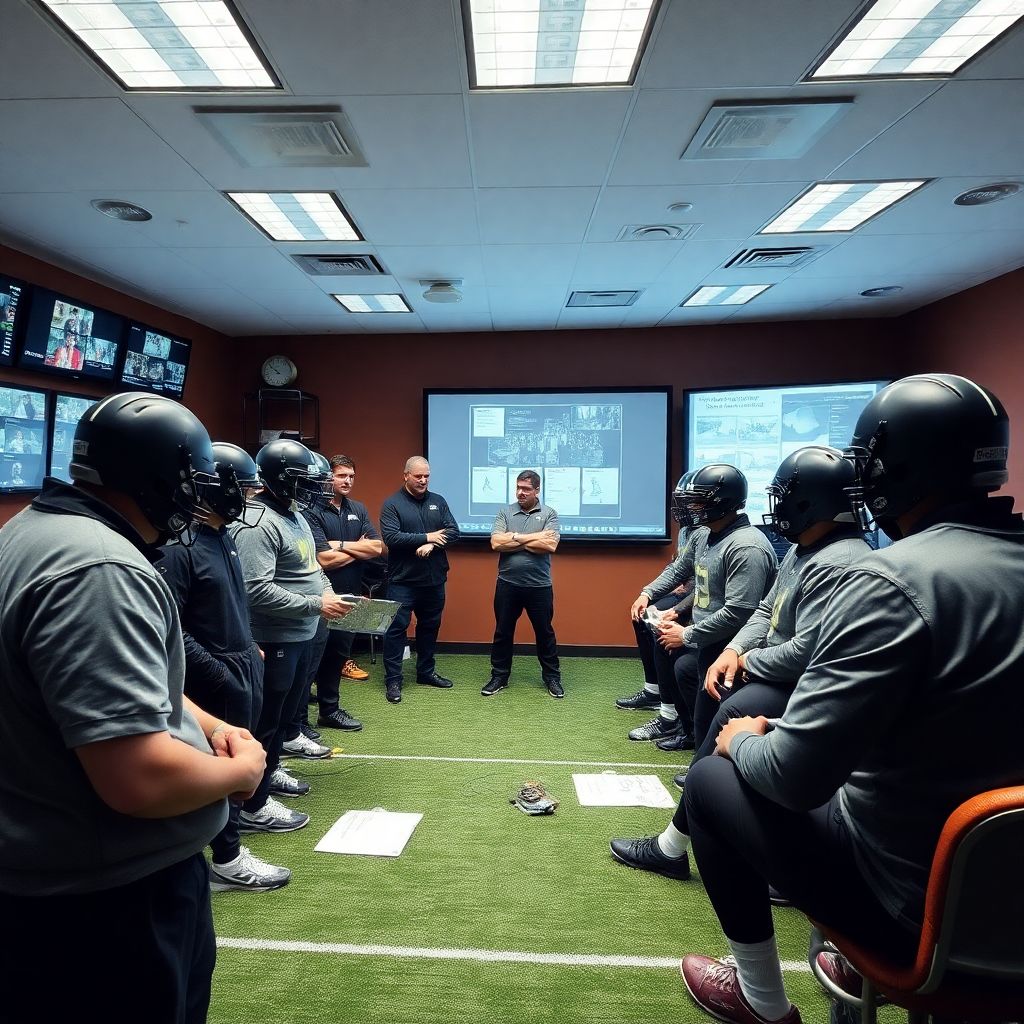
NFL rule changes since 2000 have steadily restricted contact, accelerated passing efficiency, and protected offensive players, forcing defenses to trade raw physicality for disguise, precision, and speed. If you coach or analyze defense, then you must align fronts, coverages, and personnel with these constraints instead of fighting the rulebook.
Defensive Shifts at a Glance
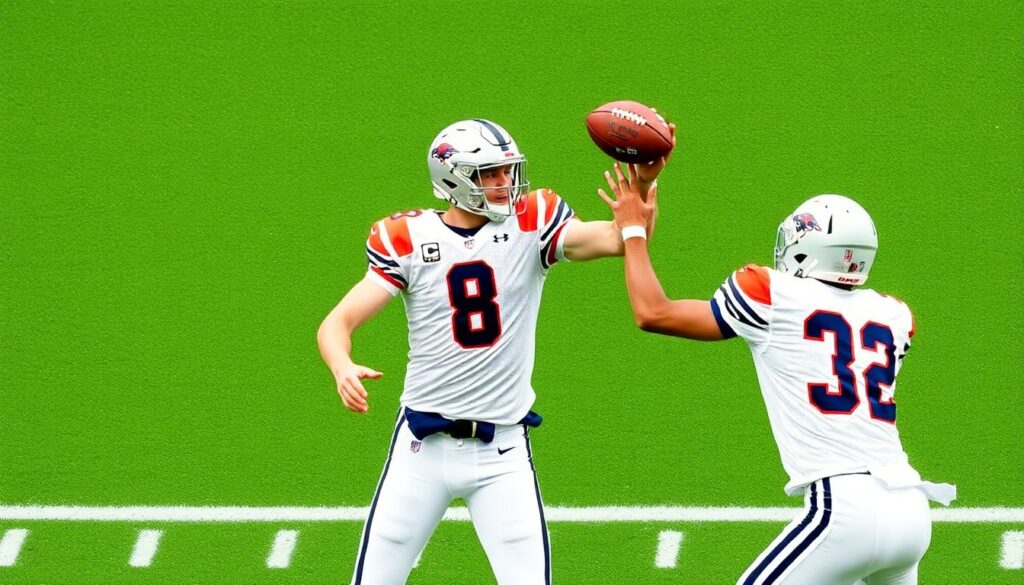
- If rules favor passing efficiency, then prioritize pressure and coverage that disrupt timing, not just big hits.
- If illegal contact and defenseless receiver rules limit downfield contact, then lean into pattern-match zones and leverage-based positioning.
- If roughing-the-passer is tightly enforced, then emphasize controlled pass‑rush lanes and rush plans over blind aggression.
- If player-safety rules change tackling areas, then retrain strike zones, pursuit angles, and gang-tackling structure.
- If offenses spread the field with tempo, then build subpackages and communication rules that are simple, fast, and rule‑compliant.
- If analytics expose your tendencies, then create rule‑driven calls and checks that stay unpredictable but sound.
Evolution of NFL Rules Affecting Defense
Post‑2000 rules like the 2004 illegal contact emphasis and repeated roughing‑the‑passer clarifications have constrained defensive contact and raised the cost of late or high hits. If you design modern defenses, then you must assume tighter enforcement on contact beyond five yards and increased quarterback protections.
Defensive strategy now lives inside three main rule buckets: contact with receivers (illegal contact, defensive holding, DPI), hits on quarterbacks (low hits, driving into the turf, late hits), and player‑safety protections for defenseless players. If you ignore these, then you trade expected yards for flags and automatic first downs.
In practical terms, this pushed defenses from intimidation and grabby man coverage toward leverage‑driven positioning, pattern‑matching, simulated pressure, and pursuit‑based tackling. If your scheme still depends on constant downfield contact, then you are structurally volunteering explosive plays via penalties.
If you want to track the impact over time, then chart defensive penalties per pass attempt and yards gifted via penalties per game as a simple visualization to see how rule emphasis changes should immediately reshape your call sheet and teaching points.
From Physicality to Precision: Pass-Rush Adaptations
Roughing‑the‑passer points of emphasis since the mid‑2000s (low hits, head/neck area, landing with full body weight, late hits) have redefined acceptable rush behavior. If you coach the front, then you must coach a rush plan that pressures the quarterback without flirting with high‑variance personal fouls.
- Lane‑disciplined rush over reckless pursuit
If defenders cannot hit high or low freely, then emphasize four‑ and five‑man rushes with strict lane integrity and aiming points at the mid‑torso. Example: if you run a T/E game, then coach the looper to finish through the strike zone, hands first, not diving at knees or helmet. - Two‑hand, wrap‑and‑roll finishes
If landing with full body weight risks a flag, then teach rushers to wrap, roll off to the side, and finish with hands rather than drive. Example: if an edge rusher arrives clean, then he should side‑wrap and peel off, accepting a slightly slower finish for a near‑zero flag risk. - Simulated pressures and creepers
If full‑on blitzing exposes you to quick‑game and roughing calls on late hits, then generate pressure with four‑man simulated pressures, presenting blitz while dropping traditional rushers. Example: if it is 3rd‑and‑medium, then mug both A‑gaps, bring one and a nickel, and drop an edge into hot‑route windows. - Rush timing tied to QB drop and route concepts
If you cannot legally disrupt receivers past five yards, then attack the quarterback’s set point and timing. Example: if film shows three‑step timing on boundary outs, then coach edges to convert to a quick power move at the quarterback’s third step, not at an arbitrary depth. - Interior quickness over pure power
If offensive linemen can extend and steer without fear of heavy counter‑violence, then prioritize penetrating 3‑techniques and quick centers over pure maulers. Example: if you face heavy shotgun and RPO, then use light, explosive interiors to win immediately rather than bull‑rush into double teams.
If you want to monitor these adaptations, then track pressures per dropback and roughing‑the‑passer penalties per game; a simple scatter plot can show whether increasing pressure is coming with an unacceptable flag rate.
Coverage Changes: Zone Concepts and Defensive Back Roles
The 2004 illegal contact emphasis and subsequent defenseless‑receiver rules limited downfield grabbing and high hits. If you coordinate the back end, then you must assume receivers have freer access through routes and that collisions at the catch point will be tightly officiated.
- Third‑down option routes and bunch sets
If the offense aligns in bunch or stacks, then they are likely leveraging pick routes the defense cannot aggressively disrupt. If that happens, then check to pattern‑match zone (e.g., match‑quarters, box checks) that passes routes rather than pressing through traffic. - Spread 3×1 formations
If the offense isolates X weak and loads three threats strong, then you must decide who gets help without illegal contact. If the isolated receiver is elite, then tilt the post safety that way and use bracket rules, while rotating match defenders over trips to avoid soft spots between zone landmarks. - Fast RPO and glance concepts
If the offense pairs inside run with quick slants or glance routes, then linebackers cannot grab crossing receivers to slow them. If the conflict player is your overhang, then adjust to light box quarters or trap coverages that let corners drive the glance from off leverage. - No‑huddle, tempo drives
If offenses play fast to prevent subbing and force simple calls, then your coverage system must include rules, not just static coverages. If the ball is snapped inside 15 seconds on the play clock, then use a limited menu of match coverages with built‑in checks for bunch, empty, and condensed splits. - Red‑zone fades and back‑shoulder throws
If hand‑fighting is scrutinized near the goal line, then corners must win with early leverage and eyes, not late grabs. If the receiver aligns tight to the sideline, then corner leverage should be inside with a low, patient press to minimize DPI on under‑thrown balls.
To evaluate coverage within this rule environment, track completion percentage over expected (CPOE) versus your primary coverages, and visualize target locations to see where illegal‑contact limitations are opening high‑percentage throws.
Tackling, Player Safety and the Open-Field Defender
Across the 2010s, defenseless player definitions, crown‑of‑the‑helmet penalties, and strict head/neck protection reshaped tackling. If you coach open‑field defenders, then you must teach strike‑zone targeting (shoulders to thighs), angle discipline, and finish techniques that avoid the head entirely.
Scenario‑Driven Adjustments for Tacklers
- If you face a shifty slot receiver on shallow crossers, then coach defenders to tempo their approach, aiming for near‑hip leverage and vice‑tackling rather than launching at the chest.
- If safeties trigger downhill on seams and posts, then coach them to attack the near hip with a shoulder‑through‑thigh finish, expecting late throws to keep receivers defenseless.
- If perimeter runs feature crack‑replace by safeties, then train those safeties to strike low and wrap, not to deliver high collision blocks that now draw flags.
Advantages of Rule‑Compliant Tackling
- If you shrink the legal strike zone in practice, then players naturally aim lower and reduce head/neck contact without overthinking on game day.
- If you emphasize wrapping, roll tackles, and gang pursuit, then missed tackles become shared responsibilities instead of isolated, desperate lunges.
- If your pursuit rules keep a clean inside‑out and outside‑in structure, then runners are funneled into predictable lanes where safe, low tackles are easier.
Constraints and Trade‑offs for Defenders
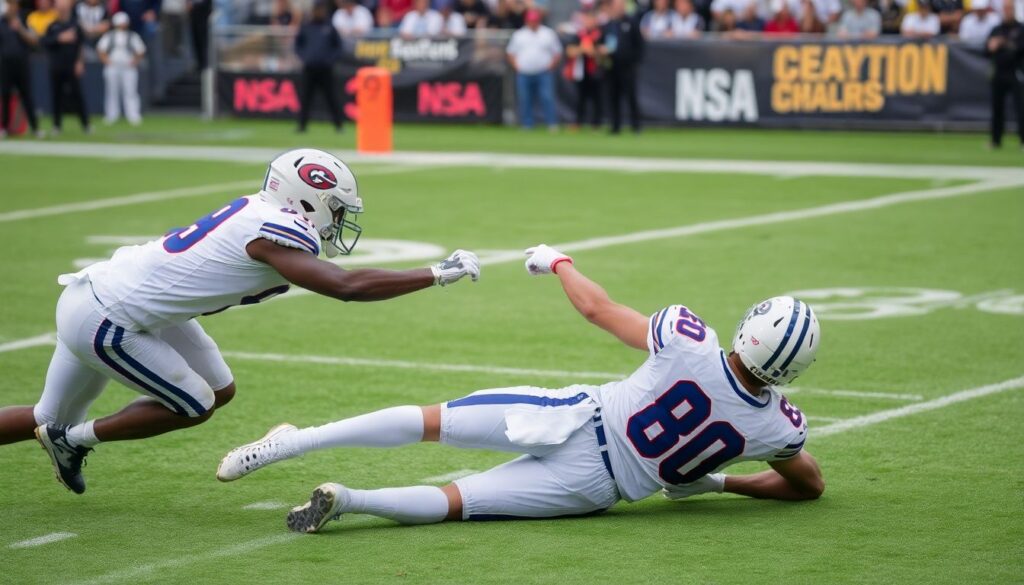
- If defenders fear flags on any high contact, then some will over‑brake and allow extra yards after contact until tackling confidence is rebuilt.
- If the strike zone is lower, then you risk more broken tackles on powerful backs unless you pair low hits with tight leverage and vice support.
- If you coach ultra‑conservative approaches near the sideline, then ball‑carriers may steal yards by tiptoeing and staying in bounds rather than being forced out.
To monitor technique under these constraints, track missed tackles, yards after contact, and personal fouls related to hits; a simple bar chart by position group exposes where retraining is most urgent.
Strategic Responses: Play-Calling, Personnel and Subpackages
As rules tilted toward passing and player safety, defensive coordinators leaned on nickel, dime, and position‑flex personnel instead of heavier, collision‑based fronts. If you call defenses, then you must match speed and space without inviting mismatches or mental overload.
Common Missteps and How to Reframe Them
- Over‑blitzing to “fight back” against pass‑friendly rules
If your response to looser coverage rules is to blitz constantly, then you often hand quarterbacks quick throws and roughing chances. If you want pressure, then mix simulated pressures and post‑snap rotations so you keep seven in coverage more often while still stressing protection. - Assuming press‑man is “dead”
If you abandon press entirely because of illegal contact fears, then you concede free releases and timing routes. If you want to survive in press, then teach patient, lateral jams inside five yards and emphasize feet over hands, minimizing grabs beyond the contact zone. - Misusing hybrid defenders
If you add a safety‑linebacker hybrid to chase spread offenses but never define his rules, then he becomes your coverage bust magnet. If the hybrid aligns as an overhang, then give him simple if/then rules: if #2 is vertical, then carry; if #2 crosses, then pass and replace. - Subpackage overload and communication breakdowns
If you carry too many situational packages, then tempo offenses will trap you in bad personnel. If you want flexibility, then build a small core of nickel/dime looks with tagged adjustments, not entirely new calls, so players think in rules instead of memorizing calls. - Ignoring penalty impact in call selection
If you do not bake penalty risk into down‑and‑distance decisions, then you call high‑variance coverages on downs where an automatic first is catastrophic. If it is 3rd‑and‑long, then lean toward low‑penalty match zones instead of grabby man that invites DPI.
To test whether your strategic responses align with the rule era, chart explosive plays allowed and first downs via penalty by coverage and subpackage; this surfaces which calls carry unacceptable rule‑driven risk.
Analytics, Technology and Rule-Driven Game Planning
With tracking data, video cut‑ups, and evolving rule interpretations, defenses can now quantify how officiating interacts with scheme. If you build game plans, then you should treat rules and their enforcement trends as a data source, not just background noise.
If your opponent lives on quick, legal contact‑free timing routes, then chart their target depth, formation usage, and penalty tendencies by situation. If their receivers invite DPI with under‑thrown fades, then teach corners to find and play the ball early instead of panicking late with grabs.
Simple rule‑driven analysis logic might look like this:
for each coverage_call in playbook:
    if (penalty_first_down_rate(coverage_call) > threshold)
        and (pressure_rate(coverage_call) not significantly higher):
        then downgrade coverage_call in 3rd-and-long menu
If you visualize this, then a dashboard with pressure rate, EPA allowed, and penalty first‑down rate by coverage and front quickly shows which calls are efficient within today’s rule constraints.
Practical Clarifications for Coaches and Analysts
How should I adjust practice structure for modern defensive rules?
If you want players to internalize new constraints, then script full‑speed, thud‑tempo periods with strict emphasis on strike zone, leverage, and finish, and review every borderline hit on film as a teachable moment.
Is aggressive man coverage still viable under current illegal contact rules?
If your corners have disciplined feet and understand leverage, then aggressive man is still viable inside five yards; beyond that, rely on position, route recognition, and help calls instead of grabs.
How do I balance blitz rate with roughing-the-passer risk?
If your blitzers understand rush lanes, timing, and aiming points, then you can maintain a healthy blitz rate; if roughing calls spike, then shift to more simulated pressures and late rotations without increasing rusher count.
What data should I track first if I am new to defensive analytics?
If you are starting simple, then track pressures per dropback, explosive plays allowed, and first downs via defensive penalties by coverage; this trio quickly shows which calls work within current rules.
How do rule changes affect how I select personnel on draft day?
If rules emphasize space and safety, then prioritize defenders with coverage flexibility, range, and tackling technique over pure size; heavier, one‑dimensional hitters lose value as illegal‑hit risk rises.
How often should I update my scheme for new rule interpretations?
If the league or officiating guidance highlights a new point of emphasis, then review and, if needed, adjust your techniques and call preferences in the following offseason at minimum, and sooner if penalty trends spike.