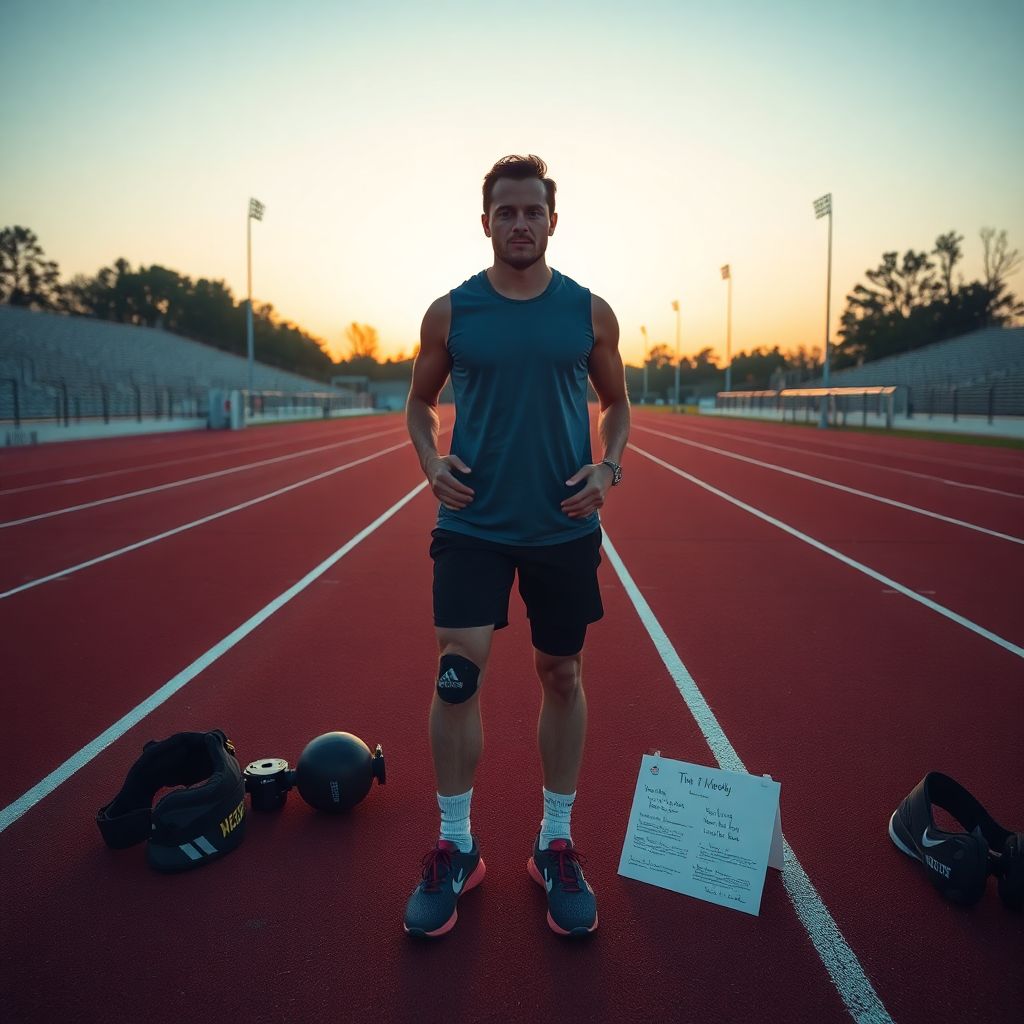
Injury comebacks are structured, stepwise returns to sport after significant damage to muscles, ligaments, bones, or nerves. They combine medical care, progressive rehabilitation, and psychological skills so athletes can compete safely again. Inspiring sports injury comeback stories show that disciplined planning, clear milestones, and support systems matter more than “talent” when defying bleak early prognoses.
Core Principles Behind Successful Injury Comebacks
- Protect the injured tissue early, then progressively reload it with planned increases in volume and intensity.
- Use objective criteria (strength, range of motion, sport tests) rather than pain alone to guide decisions.
- Integrate medical, rehab, coaching, and mental skills support instead of working in silos.
- Expect plateaus and minor setbacks; adjust load, not the overall goal.
- Keep athletic identity alive through modified training, leadership roles, and technical learning.
- Study athletes who came back stronger after injury to model realistic timelines and behaviors.
Fast-Acting Practical Advice for Navigating an Injury Comeback
Use this short guide to stabilize your situation in the first days and weeks after a serious injury while you and your team build a longer-term plan.
- Get a clear diagnosis and written summary from a qualified sports-medicine clinician; avoid relying on casual opinions.
- Ask for a simple week-by-week outline: what you can do, what you must avoid, and what the next decision point will be.
- Track pain (0-10), sleep, and training load daily; share trends with your clinician and coach.
- Stay in the training environment with modified roles: technical study, leadership, or upper-/lower-body focus.
- Schedule brief, regular check-ins about motivation; do not wait until a full mental crash to seek support.
- Clarify diagnosis and restrictions in writing.
- Build a simple weekly plan with your rehab team.
- Monitor symptoms and load, not just emotions.
- Remain engaged with your team in adjusted ways.
- Plan proactive psychological support from the start.
Mechanics of Common Sports Injuries and Typical Recovery Timelines
Sports injuries that lead to dramatic comebacks usually involve structures that handle high forces: ligaments (ACL, ankle), tendons (Achilles, patellar), meniscus, labrum, or major fractures and dislocations. The mechanism of injury (twist, contact, overload, fall) determines which tissues fail and what stress they will later need to tolerate again.
Recovery timelines depend less on “willpower” and more on tissue biology. Bone generally heals faster than ligament and tendon; articular cartilage and nerves are slow and sometimes incomplete. Even among famous football players career threatening injury comebacks, those who respect tissue healing phases before chasing performance tend to return more reliably and stay healthy longer.
Complex injuries (multi-ligament knee, spinal trauma, severe concussion) often require staged goals: first restoring basic function (walking, self-care), then general athletic capacity, and only later elite performance. Motivational stories of athletes overcoming serious injuries highlight that “walking again” and “returning to pro play” are separate milestones, each with its own timeline.
- Identify which tissue is primarily injured (bone, ligament, tendon, cartilage, nerve).
- Match expectations to biological healing phases, not just calendar dates.
- Separate goals: daily function, general fitness, and competitive performance.
- Use past inspiring sports injury comeback stories as reference, not rigid templates.
Medical Interventions That Alter Prognosis and Their Indications
Medical and surgical choices can significantly change the arc of an injury comeback, especially in high-demand athletes.
- Ligament Reconstruction and Repair – Used for unstable joints (e.g., ACL, UCL in throwers) when conservative care cannot provide the stability needed for cutting, pivoting, or high-velocity throwing. These procedures often reset the timeline but offer a clearer path to high-level sport.
- Arthroscopic Debridement and Stabilization – Applied to meniscus, labrum, and cartilage lesions to reduce mechanical symptoms (locking, catching) and restore joint congruency. It can convert an unpredictable, pain-limited situation into a more stable rehab scenario.
- Fracture Fixation (plates, screws, rods) – Indicated for displaced, unstable, or intra-articular fractures. Internal fixation allows earlier controlled loading and movement compared with prolonged casting, which is vital in preserving muscle mass and joint motion.
- Biologic Adjuncts – Injections (e.g., blood-derived products) and graft choices aim to enhance tissue healing quality. While not magic solutions, they can optimize the environment for recovery when combined with sound loading strategies.
- Concussion and Neurologic Management – Careful graded exertion protocols, vestibular rehab, and visual therapy target brain and balance systems rather than just resting indefinitely. These interventions make return-to-play decisions safer and more individualized.
- Pain Management Strategies – Short-term medications, regional anesthesia, and non-drug options (ice, TENS) are used to control pain enough to allow early movement and sleep, without masking warning signs of overload.
- Clarify whether surgery will improve stability, alignment, or healing environment.
- Ask how each intervention changes your rehab timeline and restrictions.
- Discuss realistic sport-specific demands before deciding on procedures.
- Integrate medical choices with a long-term load management plan.
Stepwise Rehabilitation: Acute Management to Sport‑Specific Conditioning
Effective comebacks follow a logical progression rather than jumping from rest to full competition. Each phase has goals, criteria to progress, and typical timelines that vary by injury. Coaches and clinicians can think in layers: protect, restore, reload, and then refine sport skills.
-
Acute Protection and Swelling Control
Focus on protecting damaged structures, controlling pain and swelling, and maintaining motion in non-injured areas. Temporary unloading, bracing, and careful use of rest are balanced with gentle movement as soon as it is safe. -
Restoration of Mobility and Basic Strength
Gradually restore joint range, soft-tissue flexibility, and foundational strength (isometrics, simple closed-chain exercises). The aim is symmetric, pain-tolerable motion and the ability to bear partial, then full, body weight if relevant. -
Integrated Strength, Balance, and Power
Add multi-joint patterns, unilateral work, and power development at submaximal intensity. Landing mechanics, deceleration control, and trunk stability are prioritized, since these capacities often precede the moment of injury in real play. -
Linear then Multi-Directional Conditioning
Start with simple, linear conditioning (bike, straight-line running) before cutting, shuffling, and rotational work. Progress the volume first, then speed and complexity, always within prescribed pain and fatigue thresholds. -
Sport‑Specific Drills and Controlled Contact
Introduce technical and tactical drills, then controlled, role-specific contact or high-speed actions under supervision. At this point, the athlete should tolerate full practices in modified form. -
Full Training and Competitive Exposure
Only after consistently tolerating full training sessions should the athlete return to competition, ideally with minutes or rep limits at first. This is where inspiring sports injury comeback stories usually highlight key turning points and renewed confidence.
- Define goals and exit criteria for each rehab phase in writing.
- Progress volume, speed, and complexity separately and systematically.
- Introduce sport skills and contact only after robust strength and control.
- Use team feedback (coaches, S&C, medical) to refine each phase.
Psychological Recovery: Motivation, Identity Work, and Resilience Building
Physical healing alone does not guarantee a successful comeback. Athletes often face fear of re-injury, loss of role on the team, and disruptions to identity and routine. Many of the most inspiring sports injury comeback stories center on psychological turning points rather than purely medical breakthroughs.
Working intentionally on mindset does not mean ignoring risk or “thinking positive” at all times. It means aligning expectations with reality, processing grief over lost seasons or contracts, and building daily routines that support long-term goals. This is visible in many motivational stories of athletes overcoming serious injuries and later mentoring others.
Helpful Psychological Strategies and Benefits
- Regular sessions with a sport psychologist to develop coping skills, imagery, and confidence in the repaired body.
- Goal setting with short-, mid-, and long-term targets to maintain a sense of progress.
- Cognitive restructuring to challenge unhelpful beliefs such as “I’m fragile now” or “I’ll never be the same.”
- Maintaining connection with the team, staff, and competition environment to reduce isolation.
- Using curated media, such as best documentaries about athletes returning from injury, to normalize setbacks and plateaus.
Common Constraints and Psychological Pitfalls
- Ignoring fear of re-injury until late in rehab, which can surface suddenly when contact or high-speed work resumes.
- Over-identification with being “the injured player,” leading to reduced motivation once pain declines.
- Comparing daily progress to highlight reels of athletes who came back stronger after injury instead of their full, messy journeys.
- Family, media, or team pressure that shortens rest phases and punishes cautious decisions.
- Lack of basic sleep and stress-management habits, which undermines both tissue healing and emotional stability.
- Plan mental skills training from the same day you plan physical rehab.
- Address fear and identity questions proactively, not just near return-to-play.
- Use stories and documentaries for perspective, not unrealistic comparisons.
- Protect recovery basics: sleep, nutrition, and social support.
Profiles in Return: Detailed Case Studies of Athletes Who Defied Odds
Comeback narratives share recognizable patterns that coaches, clinicians, and players can study. While every case is unique, common themes appear repeatedly in famous football players career threatening injury comebacks, elite runners returning from tendon ruptures, and gymnasts rehabbing spinal stress injuries.
These profiles are not just feel-good stories. They are practical blueprints: how the athlete responded to an initial bleak prognosis, which expert opinions they sought, how they modified goals during setbacks, and how they used their platform to influence others. Many of the most inspiring sports injury comeback stories reveal a disciplined, sometimes boring, adherence to fundamentals.
Frequent Mistakes and Persistent Myths Around Comeback Stories

- Myth: “They just wanted it more.” – In reality, structured planning, expert guidance, and resources mattered as much as motivation.
- Mistake: Copying timelines from a single story. – Attempting to match one star’s calendar often leads to rushed progressions and reinjury.
- Myth: Surgery guarantees a full return. – Surgery can create the opportunity for a comeback but does not substitute for meticulous rehab.
- Mistake: Ignoring the role of luck. – Some athletes have favorable injury patterns and support systems; others face setbacks despite perfect compliance.
- Myth: A better comeback must mean higher performance PRs. – Many athletes who came back stronger after injury mainly improved decision-making, preparation, and longevity, not just raw statistics.
- Mistake: Focusing only on the final game or medal. – Overlooking the daily habits that actually made the return possible undermines learning from motivational stories of athletes overcoming serious injuries.
- Study comeback stories for processes and decisions, not just outcomes.
- Customize timelines to your injury, sport, and resources.
- Highlight daily behaviors that make a return probable, not “miracles.”
- Stay humble about the role of luck and context in every case.
Objective Return‑to‑Play Criteria and Functional Testing Protocols
Deciding when an athlete is ready to return is both science and judgment. Objective testing decreases guesswork and emotional bias. Instead of “feeling ready,” the athlete demonstrates that the injured limb performs at a high percentage of the uninjured side in strength, power, and movement quality tests relevant to their sport.
Testing batteries often include strength measures (e.g., dynamometry), hop or jump tests, change-of-direction drills, and fatigue-based tasks that mimic real competition. The goal is not perfection but an acceptable risk level, with transparent communication among athlete, clinicians, and coaches.
Mini Scenario: Lower-Limb Ligament Injury in a Field Sport Athlete
Consider a winger recovering from a major knee ligament reconstruction:
- They first restore near-symmetric quadriceps and hamstring strength on both sides.
- Next, they complete hop tests and repeated-sprint drills without pain spikes or major asymmetries.
- Then, they participate in full-intensity practice for several weeks, monitored for swelling and workload.
- Only after this sustained exposure do they return to competition with minutes restrictions that widen over time.
- Define sport-specific strength, power, and movement benchmarks in advance.
- Require stable performance in practice before clearing competition.
- Use return-to-play as a phase of rehab, not the finish line.
- Document decisions so everyone understands the rationale and risk.
Self-Check: Are You Building a Sustainable Comeback?
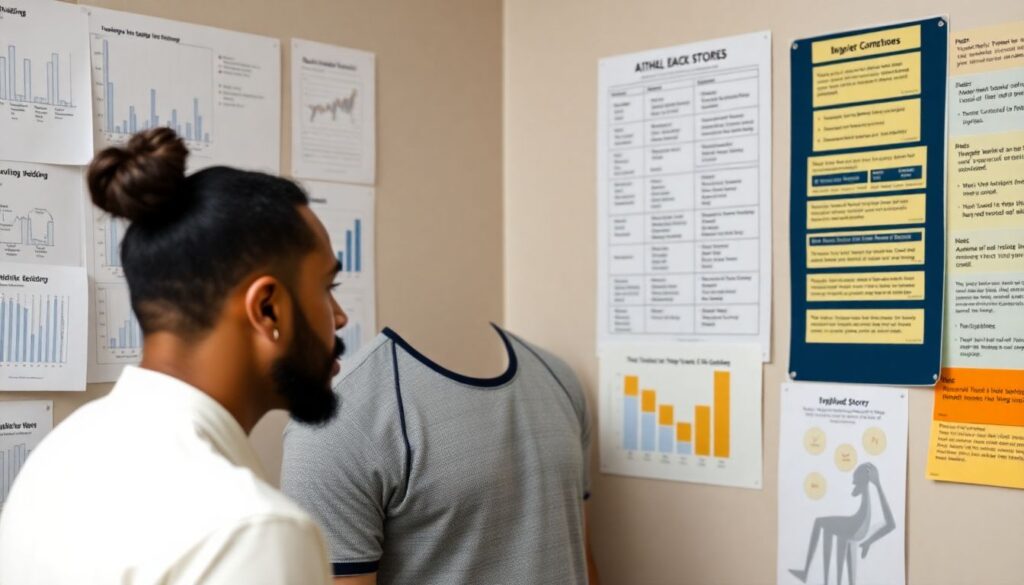
- Have you written down your diagnosis, key restrictions, and staged goals?
- Do you have coordinated input from medical, rehab, coaching, and psychological support?
- Are you tracking symptoms, workload, and mood at least weekly?
- Do you use comeback stories and media for learning instead of rigid comparison?
- Is your return-to-play decision based on objective tests plus informed consent, not emotion alone?
Concise Practical Answers for Coaches, Clinicians, and Athletes
How do I explain a realistic comeback timeline to an athlete?
Anchor expectations to tissue healing (bone, ligament, tendon) and then add time for sport conditioning and skill. Present a best-case range and a slower but still successful path, emphasizing that decisions will follow objective milestones, not fixed dates.
What should be non-negotiable before returning to full competition?
Acceptable strength symmetry, controlled movement mechanics under fatigue, and the ability to tolerate full training for a sustained period without significant pain spikes or swelling. The athlete should also demonstrate coping strategies for fear of re-injury.
How can coaches keep injured players engaged without risking setbacks?
Assign them leadership tasks, film analysis duties, and position-specific technical drills that respect medical restrictions. Maintain their place in team meetings and culture so they return as integrated contributors, not outsiders.
When is a second medical opinion justified in serious injuries?
Seek another opinion if surgery is proposed, if return-to-play expectations are vague or conflicting, or if symptoms are worsening despite good adherence. Choose clinicians experienced with your sport’s demands.
What separates sustainable comebacks from one-off heroic returns?
Sustainable comebacks prioritize long-term joint health, workload management, and skill adaptation. One-off heroic returns often overemphasize playing through pain for a single event, which can escalate the risk of re-injury or chronic issues.
How can athletes use comeback stories and documentaries constructively?
Look for process details: how they structured rehab, handled fear, and negotiated with teams. Avoid copying timelines or dramatic decisions; instead, use inspiring sports injury comeback stories and the best documentaries about athletes returning from injury as education on mindset and planning.
What early warning signs suggest an injury comeback is being rushed?
Persistent swelling, increasing pain after sessions, declining sleep quality, mood swings, and skipping testing or rehab sessions. These signs warrant reassessing workloads and timelines before significant breakdown occurs.