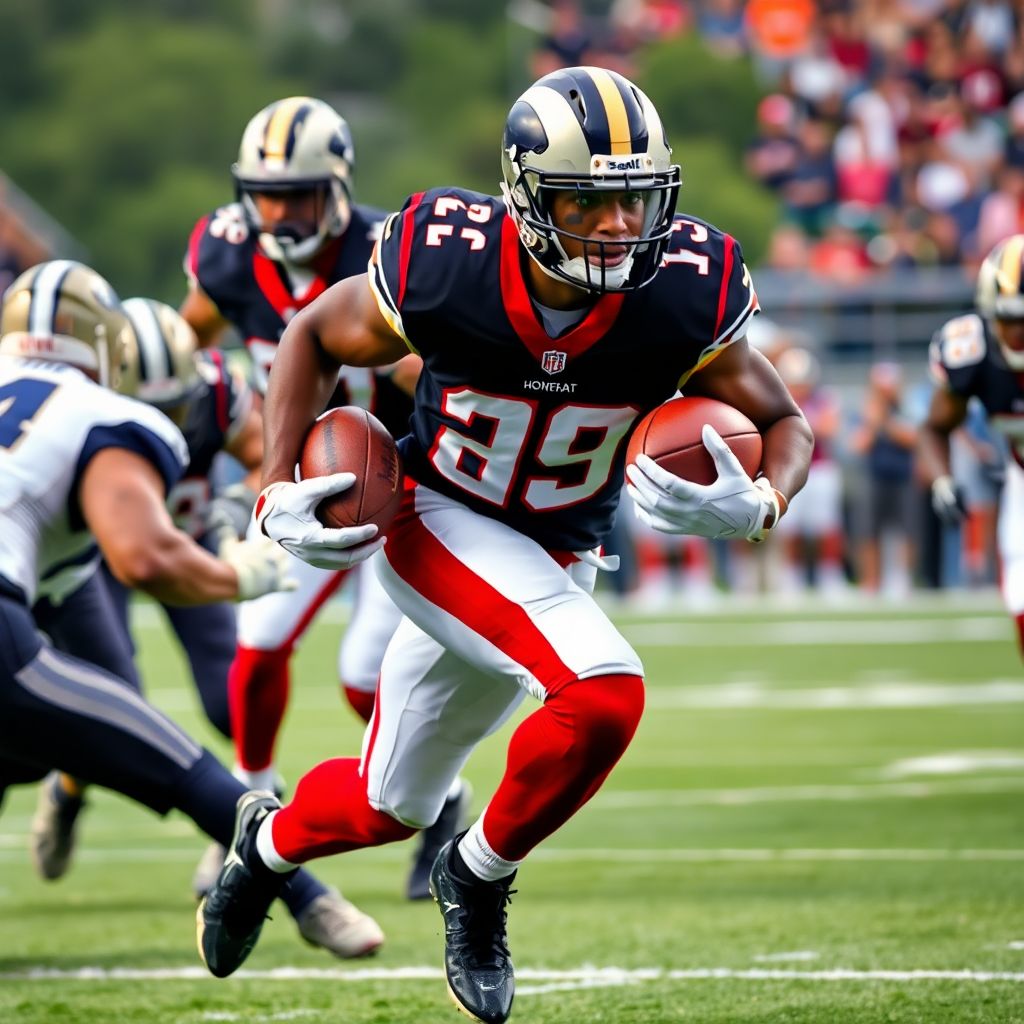
The modern tight end has evolved from an extra offensive lineman into a primary receiving threat who still blocks at a high level. If you understand how responsibilities shifted from run-first to route-running and mismatches, then you can design training, schemes, and evaluations that unlock a tight end as a complete offensive weapon.
Essential Concepts of Tight End Evolution
- If you treat the tight end as only a blocker, then you sacrifice easy mismatches against linebackers and safeties.
- If you align tight ends at multiple spots, then defenses must declare coverage and reveal weak matchups.
- If your tight end tracks snap counts, targets, and yards after catch, then you can quantify role growth over a season.
- If you pair improved route precision with stout blocking, then your offense can stay in the same personnel while changing its identity snap to snap.
- If youth players learn receiver skills early, then they can transition into the hybrid roles used by the best NFL tight ends of all time.
From Line Yards to Target Share: Historical Shift in Responsibilities
Originally, tight ends were defined by line yards created in the run game and by how reliably they sealed the edge. They were extensions of the offensive line, rarely featured in passing concepts and often measured more by knockdowns than by receptions or targets.
As passing volume and spread concepts grew, offenses discovered that a tight end aligned in-line, in the slot, or out wide could stress coverage rules. The position gradually shifted from a pure blocking role to a hybrid, with target share, routes run, and yards after catch becoming core evaluation metrics.
Today, when coaches and analysts debate the best NFL tight ends of all time, they rarely talk only about blocks; they compare how players dominated snap counts across alignments, red-zone targets, and explosive plays. If you ignore this evolution, then you misjudge what a modern tight end must do to stay on the field.
Applied example: simple game-plan adjustment
If your tight end is on the field for most early-down snaps but gets few targets, then script the first drive with one play-action shot and one quick play designed for him. This forces the defense to treat him as a receiving threat, changing how they fit the run and respond to motions.
Skillset Expansion: Receiving Techniques Added to the Toolkit
As responsibilities expanded, receiving skills became non‑negotiable. A tight end now trains route craft and ball skills almost like a wide receiver, while still maintaining functional strength for blocking. If you build a tight end football training program, then you must allocate dedicated time for these specific receiving tools.
- If the tight end learns to stem routes against leverage, then he can win inside against linebackers and outside against safeties without relying on pure speed.
- If he masters catching through contact with late hands, then contested targets over the middle turn into reliable chain-movers instead of breakups.
- If he practices tracking the ball on crossers and seams, then play-action deep shots become higher-percentage throws, boosting explosive-pass metrics.
- If he works release packages from in-line and slot alignments, then he can defeat jams and avoid getting re-routed into congestion.
- If he drills run-after-catch angles and shoulder leverage, then short throws can generate efficient yards after catch instead of immediate tackles.
- If he syncs route depth and breaks with quarterback drops, then timing improves and target share becomes more sustainable on critical downs.
Practical drill cluster for receiving development
If you need tight end drills and workouts for improving receiving, then cluster three short blocks: releases vs handheld pads, seam and corner-route tracking on air, and a contested-catch gauntlet where a coach strikes the ball at arrival. Track completion rate and YAC direction (upfield vs lateral) to monitor progress.
Contrasting Techniques: In-Depth Blocking Mechanics vs Route Precision
The core tension in tight end play is balancing blocking mechanics with detailed route execution. Historically, players leaned toward one side, but modern offenses reward those who maintain leverage in the run game while hitting receiver-level landmarks in the pass game.
If you define clear scenarios where blocking or route precision dominates, then you can teach a tight end which tools to prioritize pre-snap. Below are common situations where this contrast shows up and how an “if…, then…” mindset clarifies decisions.
- If you face heavy fronts on early downs, then the tight end must prioritize pad level, hand placement, and foot drive on down blocks and kick-outs, accepting fewer routes but better run efficiency.
- If you anticipate blitz pressure, then the tight end’s first rule is protection: scan hot defenders, chip the most dangerous rusher, and release only when the quarterback is protected.
- If you get man coverage with outside leverage, then emphasize route precision-sharp cuts on stick, out, and corner routes-to win separation for quick-game timing.
- If the defense sits in zone, then the tight end should throttle routes between defenders, widen windows, and become a high-percentage target on seams and crossers.
- If you run RPOs and play‑action, then initial selling of run blocks must be convincing before snapping into routes, so defenders hesitate and open space behind them.
- If you use bunch or stack formations, then route precision on rubs and picks becomes critical, with splits and release angles coached to avoid penalties.
Scenario-driven teaching example
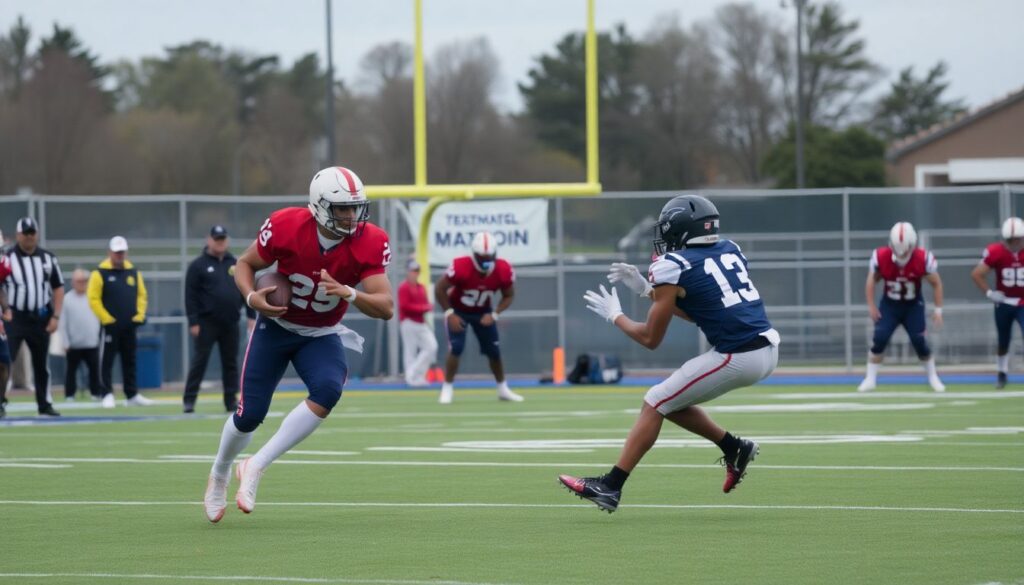
If practice script shows a third-and-medium segment, then tag concepts where the tight end runs primary option routes versus a nickel defender. Grade his success by whether he reads leverage correctly and whether his route depth matches the sticks, not just by catch totals.
Offensive Schemes That Remodeled the Position (West Coast to Spread)
Different offensive systems have pulled the tight end toward distinct strengths. The West Coast approach leaned into timing routes and short-area separation, while spread and Air Raid concepts pushed tight ends into space and slot roles. If you understand each system’s demands, then you can tailor player development and usage.
Mini-scenarios of scheme-specific usage
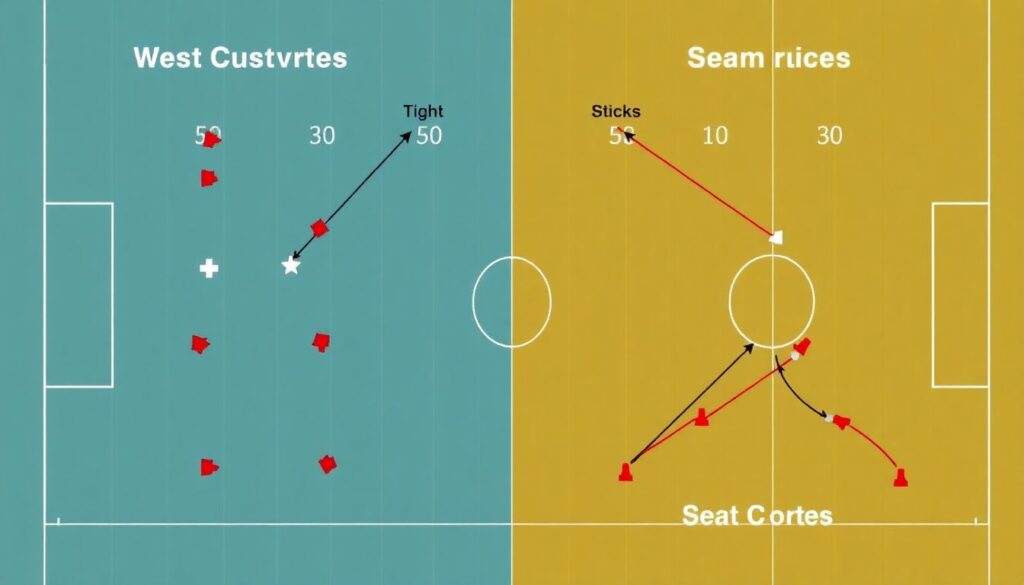
If your offense leans West Coast, then design quick-game concepts where the tight end runs primary slants, sticks, and option routes tied to the quarterback’s first read. If you lean spread, then move him into trips and empty sets, forcing linebackers to defend space and vertical seams.
Advantages in different systems
- If you run a West Coast structure, then your tight end gains predictable targets on timing routes, boosting catch rate and third-down efficiency.
- If you incorporate spread elements, then your tight end can attack mismatches in open grass, increasing explosive plays and yards after catch.
- If you use heavy play-action from under center, then tight ends become natural intermediate and deep threats behind linebackers who step up.
- If you feature motion and shifts, then you can move the tight end to dictate coverage, identify man vs zone, and locate favorable blocking angles.
Constraints and trade-offs to manage
- If your tight end is detached into slot and wide alignments too often, then your edge run blocking may suffer against physical defensive ends.
- If you ask him to block elite edge rushers every down, then fatigue and physical wear reduce his explosiveness on late-game routes.
- If your scheme never isolates the tight end on safeties or linebackers, then you leave easy red-zone and third-down matchups unused.
- If you rely solely on spread formations, then defenses can respond with lighter personnel, which may weaken your ability to pound the ball behind the tight end.
Player Archetypes and Milestones: Influential Tight End Case Studies
Archetypes have emerged across eras, from classic in-line maulers to oversized slot receivers and true hybrids. When people debate the best NFL tight ends of all time, they usually compare how players dominated one or more of these archetypes. Misunderstandings around these roles lead to common mistakes and coaching myths.
- If you assume bigger always means better at tight end, then you may ignore athletes who separate in space but still block with leverage and technique.
- If you copy the usage of a famous hybrid tight end without matching your player’s traits, then you set unrealistic expectations and stall development.
- If you chase fantasy football rankings 2024 tight ends when setting your depth chart, then you risk overvaluing receiving stats and undervaluing protection and run fit responsibilities.
- If you label a youth player as “only a blocker,” then you might prevent him from developing ball skills that later unlock a true dual-threat profile.
- If you mythologize a historic player’s toughness but skip the details of their route work and practice habits, then your teaching remains inspirational instead of actionable.
Short illustrative profile pattern
If a tight end consistently wins on third down, blocks competently in multiple schemes, and commands defensive game-plan attention, then he fits the modern “offensive weapon” archetype, even if his raw stats are modest compared to headline stars.
Development Pathways: Coaching, Drills, and Measurable Progress
Development now follows a multi-track pathway: blocking, receiving, and football IQ. If you build a how to play tight end football training program, then structure it around specific metrics-snap versatility, target efficiency, and assignment grade-rather than only size and straight-line speed.
- If you coach youth or beginners, then prioritize stance, alignment, and hand placement as foundational skills before complex route trees-these are the best youth football tight end coaching tips for long-term success.
- If you want to increase receiving impact, then track targets, catch percentage, and YAC by route family (flats, seams, crossers) and drill the weakest category more often.
- If you need more reliable protection, then chart pressures allowed by protection call and defender type, and dedicate weekly one-on-one periods to the most problematic matchups.
- If your tight end plays multiple positions, then log snap counts in-line, in the slot, and out wide; use this to align workouts with how he is actually deployed.
- If the player aspires to match high-level production, then study tape of the best NFL tight ends of all time, focusing on pre-snap alignment, leverage reads, and how they adjust routes on the fly.
Mini “week plan” example for tight end progress
If you structure one training week for a developing tight end, then you might allocate three focused blocks: a blocking session versus fronts you will face, a receiving period with tight end drills and workouts for improving receiving skills, and a film + walkthrough segment emphasizing reads and adjustments. Reassess metrics each weekend and nudge the workload toward the weakest area.
Practical Questions Coaches and Analysts Pose
How should I balance blocking and receiving practice time for a tight end?
If the player is already your best blocker, then tilt practice toward route running, catching, and reads. If he struggles in protection or edge sealing, then anchor his week around blocking fundamentals and assign him a simpler route inventory in games.
What measurables matter most when evaluating a tight end’s role in my offense?
If your scheme is run-heavy, then focus on block win rate, assignment grade, and versatility across fronts. If you pass frequently, then snap share, targets per route, and conversion on third downs and red zone snaps become more critical.
How can a tight end earn more targets without changing the entire playbook?
If you want more involvement, then tag existing concepts with simple tight end options-stick, flat, or seam reads-rather than installing new plays. If he consistently separates and catches those, then the quarterback will naturally progress to him more often.
What is the best way to introduce advanced route concepts to youth tight ends?
If your players are young or inexperienced, then start with basic spacing and option routes tied to leverage, not full pro-style trees. Once they show consistent depth control and catching, then layer in double moves and more complex combinations.
How do fantasy trends influence real-world tight end usage?
If you notice a tight end rising in fantasy football rankings 2024 tight ends lists, then study his tape to see how he is used, but do not copy that usage blindly. Your personnel, quarterback preferences, and protection needs should drive your deployment decisions.
Can a team succeed with a specialist tight end instead of a true hybrid?
If your roster has a dominant blocker or pure receiving tight end, then you can still succeed by pairing him with complementary personnel and smart packages. However, if you lack any tight end who can credibly do both, then your tendencies may become predictable.
How do I know when a tight end is ready for a larger role?
If his assignment grades are stable, mental errors are rare, and he consistently wins one-on-one situations in practice, then expand his role with higher-leverage routes or more complex protections. Reevaluate performance each week before adding further responsibility.