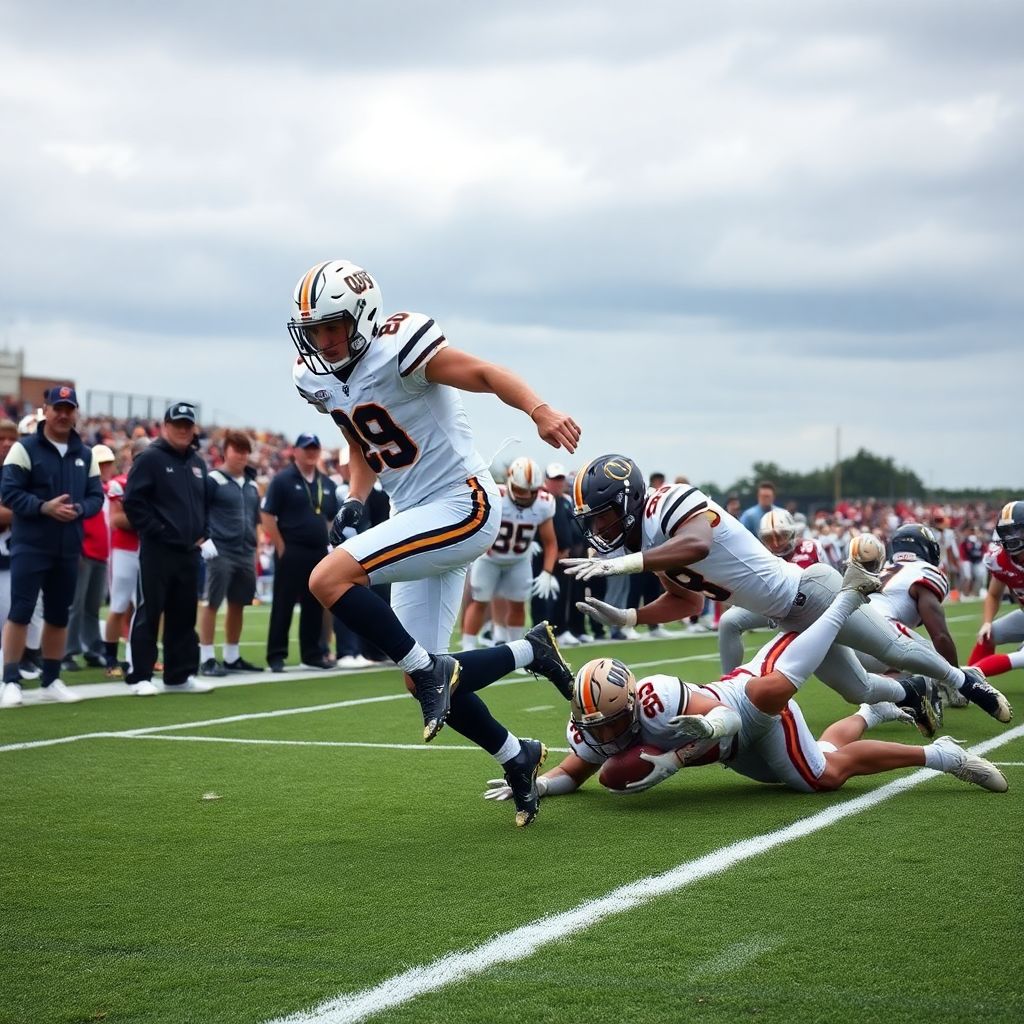
Special teams players change games in one play by flipping field position, stealing possessions, or scoring when the opponent expects a routine kick. A single return, block, or perfectly placed punt can erase mistakes by the offense or defense and instantly swing momentum, which is why coaches obsess over these “hidden yardage” situations.
What Makes a Special Teams Play Game-Changing
- It directly creates points: return touchdowns, blocked kicks taken back, or fakes that score.
- It dramatically flips field position, forcing a long field or creating a short one.
- It steals a possession through an onside kick recovery or muffed return.
- It erases almost certain points with a blocked field goal or red-zone stop on a fake.
- It changes momentum and energy on the sideline, even if it does not appear in simple box scores.
- It comes in a high-leverage moment: end of half, late in the fourth quarter, or after a momentum swing.
Return Specialists: Turning Field Position into Momentum
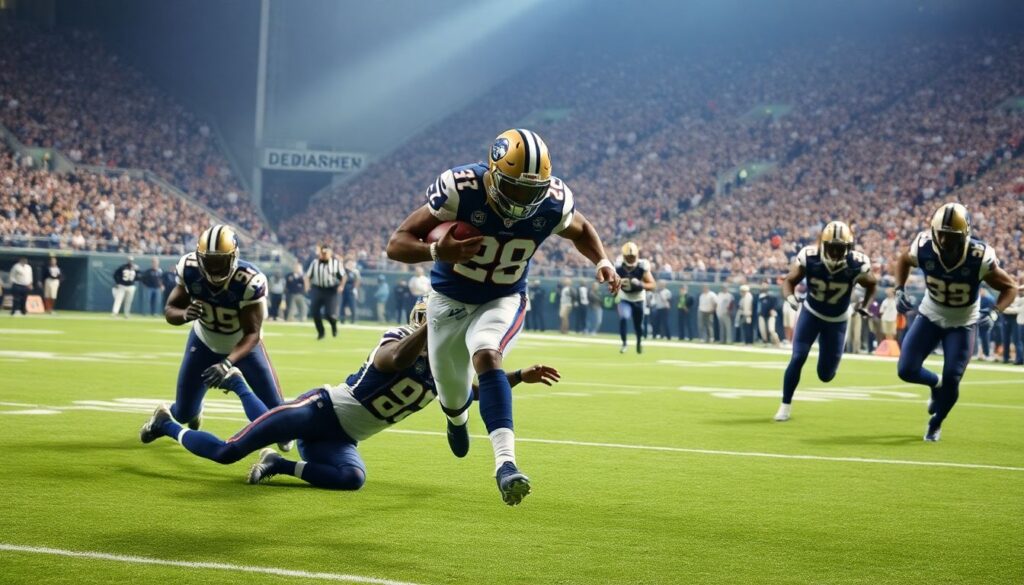
Return specialists handle kickoffs and punts with one job: turn a routine change of possession into an explosive gain or score. Their value is measured in field position and momentum more than raw yardage, which is why they dominate so many NFL special teams highlights even with only a few touches per game.
The top NFL return specialists have three defining traits: fearless ball security in traffic, the vision to hit seams at full speed, and the acceleration to separate once they find daylight. One decisive cut can turn a safe fair catch into a sideline sprint that instantly flips pressure onto the opponent’s defense.
On kickoffs, a strong return can rescue poor offensive drives by consistently starting near midfield instead of deep in your own territory. On punts, a returner can punish a line-drive kick or poor coverage lane, which is where you often see NFL game-changing plays special teams units practice all week: setting up walls, double teams, and reverses that spring one massive return.
Example in one play: a returner fields a high punt at his own 20, breaks the first tackle, follows a wall to the sideline, and finishes at the opponent’s 10. No points yet, but the offense is almost in the red zone; the game flow and play calling instantly change.
Coverage Gunners and Tacklers: Winning the Open-Field Battle
Coverage players, especially gunners, are the counterweight to great returners. Their role is to get downfield, defeat blocks, and make tackles in huge amounts of space, often as the first defender on the scene. While they rarely appear in NFL special teams stats and rankings, they are often the difference between a 5-yard return and a 40-yard momentum swing.
- Get off the line: Gunners must beat jams from one or two blockers, using releases similar to wide receivers but with more physicality.
- Maintain lane integrity: Interior coverage players sprint under control, staying in their assigned lanes so the returner cannot cut back across the field.
- Take proper leverage angles: The first man down forces the returner toward help, never letting him cross his face to the open field.
- Break down in space: In the final 5 yards, gunners must slow, keep balance, and make a secure tackle instead of flying past the ball carrier.
- Finish through contact: Coverage tackles have to survive stiff arms, spin moves, and lead blocks while wrapping up and driving through the returner.
- Create turnovers: A textbook tackle with good leverage often leads to fumbles, muffed catches, or penalties drawn on the return team.
Example in one play: a gunner beats a double-team, stays outside to cut off the sideline, and forces the returner to hesitate. That pause lets interior coverage collapse, the tackle happens at the 10-yard line, and the opponent’s offense now starts backed up instead of near midfield.
Kickers and Punters: The Hidden Art of Flipping the Script
Kickers and punters look like role players, but they control where almost every drive starts and whether empty possessions become points. Many of the best NFL special teams players are kickers and punters who consistently turn bad field position into manageable situations or salvage drives with reliable points.
- Long field goals in pressure spots: A made kick at the end of the half stabilizes the game, while a miss can energize the opponent. Mechanics, timing, and rhythm under pressure are everything.
- Directional punting: A punter pins the returner to a sideline, shrinking the field and making coverage angles easier. One coffin-corner punt can trap an offense inside its own 10.
- High “hang time” punts: A towering punt lets coverage players arrive as the catch is made, forcing fair catches or tackles on the spot, erasing return threats.
- Situational kickoffs: Kickers can drive touchbacks to eliminate returns, or use high, short kicks to pin opponents deep and test their blocking discipline.
- End-game four-point swings: A missed chip-shot field goal is almost like a turnover; a made one turns a one-score game into a two-score lead, completely changing late-game strategy.
Example in one play: a punter, backed up at his own end zone, booms a high, deep punt that forces a fair catch at the opponent’s 40 instead of a short field near the red zone. The entire drive chart for both teams shifts because one player executed perfectly under pressure.
Long Snaps, Holds and Blocks: Precision Under Pressure
Every kick depends on three specialists who rarely get credit: the long snapper, the holder, and the blocking unit. If any piece fails for even a fraction of a second, the rush gets home, the ball is mishandled, or the timing is off and the kick sails wide. Their work does not show up in flashy NFL special teams highlights, but errors do.
Strengths of a Well-Executed Operation
- Snaps arrive on target and on time, letting the holder place the ball quickly with the laces rotated away from the kicker.
- Protection creates a firm wall, especially inside, so the kicker can trust his steps and focus only on contact and trajectory.
- Clean mechanics allow for fake field goals or punts because defenders must respect both kick and run/pass possibilities.
- Consistency builds trust; coaches are more willing to attempt borderline kicks when they trust the snap-hold operation.
Limitations and Vulnerabilities
- Weather and field conditions make snapping and holding more difficult, increasing the risk of bobbles and bad placements.
- Predictable protections or snap counts let rush units time their get-off and scheme blocks.
- Backup long snappers or emergency holders often lead to operation breakdowns when injuries occur.
- One blocked kick can change how aggressive a coach is for the rest of the game, sometimes leading to overly conservative decisions.
Example in one play: the long snap is slightly high, the holder double-clutches, and the kicker hesitates. A rusher gets a hand on the ball, turning a routine three points into a live ball that the defense returns across midfield.
Strategic Tricks: Fake Kicks, Onside Attempts and Risk Management
Trick plays on special teams use the opponent’s expectations against them: fake punts, fake field goals, and surprise onside kicks. When executed correctly, they join the catalog of NFL game-changing plays special teams coaches study every offseason. When misread or mistimed, they can instantly hand away points or field position.
- Mistake: Calling a fake from the wrong field position. Going for a fake inside your own territory without a clear tendency break can give the opponent a near automatic scoring chance.
- Mistake: Ignoring personnel on the field. Running a fake into a loaded box or against a heavy, aggressive rush unit usually ends in a stuffed run or broken pass.
- Mistake: Telegraphing the onside kick. A different lineup or approach angle can tip off the “hands team,” removing the surprise factor that makes the play viable.
- Myth: Fakes are desperate moves only. Well-prepped teams script them as calculated shots when film shows an uncovered edge or a defender who always vacates his lane.
- Myth: Onside kicks never work under modern rules. While success rates are low, a perfectly placed kick with aggressive coverage can still steal a possession in a must-win situation.
Example in one play: after scoring to cut a lead late, a team dials up a surprise onside kick. The ball hops perfectly, a coverage player fields it in stride, and the offense returns to the field with a chance to tie instead of kicking deep and hoping for a stop.
When a Specialist Becomes the Deciding Player: Case Studies and Criteria
A specialist becomes the decisive player when his single action changes the math of the game: swing in expected points, field position, or time remaining so large that strategy on both sidelines must adjust. This is what separates routine kicks and returns from true turning points that end up in NFL special teams highlights packages for years.
Informally, you can think in this simple decision flow:
if (play_changes_possession or play_creates_points) and
   (big_shift_in_field_position or time_leverage_high):
    label = "game-changing"
else:
    label = "routine"
Example in one play: a gunner forces a muffed punt in the fourth quarter of a one-score game, and his team recovers in the red zone. The offense scores, flipping the lead. Even if the stat sheet shows only one tackle and one fumble recovery, that gunner was the deciding player.
This is why film analysts and coaches often disagree with fan lists of the best NFL special teams players. They value repeatable decisions and techniques that set up these rare moments, not just the visible touchdowns. Watching top NFL return specialists, elite gunners, and clutch kickers closely is often more revealing than scanning basic NFL special teams stats and rankings.
Quick Checklist: Spotting a Game-Changing Special Teams Moment
- Did the play directly create or erase points on the scoreboard?
- Did starting field position swing by a large chunk of the field on that single snap?
- Did the play steal or give away a possession (turnover, onside recovery, muffed punt)?
- Did it happen in a high-leverage situation: late, backed up, or right after a big momentum shift?
- Did coaches clearly adjust their strategy afterward (more aggressive or more conservative decisions)?
Practical Clarifications on Roles, Rules and Impact
What exactly counts as a special teams play in the NFL?
Any snap that involves a kick, punt, extra point, or two-point defense is a special teams play. That includes kickoffs, kickoff returns, punts, punt returns, field goals, PATs, onside kicks, and all the coverage and blocking units used on those snaps.
How do coaches measure special teams impact beyond highlights?
Coaches track average starting field position, net punt yardage, hidden yardage on returns and penalties, and points added or lost by kicks. They also grade individual assignments on film to see who consistently wins matchups even when it does not show on the stat sheet.
Why do some starters play on special teams while others do not?
Coaches use starters who have elite open-field skills or physicality in key roles while managing injury risk. Core special teamers are often backups or role players, but on critical units like hands teams or late-game coverage, coaches will use their best athletes regardless of starting status.
Are return touchdowns more valuable than long, hidden field-position flips?
Return touchdowns are the most visible, but consistent field-position flips matter over an entire game or season. A series of 10- to 20-yard advantages on returns and punts can effectively add extra drives or shorten the field enough to change play calling and scoring chances.
How risky are fake punts and surprise onside kicks in practice?
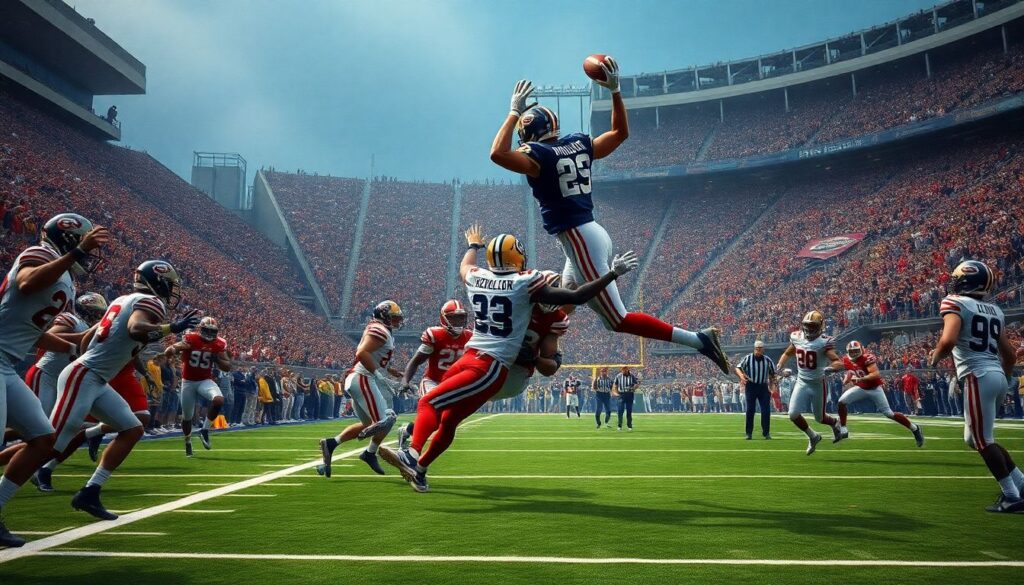
They are high-variance by design. When the look is right and execution is sharp, they create huge value by stealing possessions or keeping a drive alive. When mistimed or poorly executed, they usually hand the opponent a short field and a high chance to score quickly.
Why are long snappers and holders rarely mentioned in broadcasts?
Their work is almost invisible when done correctly because the process looks routine. Broadcasters usually mention them only when something goes wrong: a bad snap, a bobbled hold, or a breakdown in protection that leads to a blocked kick.
What can fans watch for to better appreciate special teams on Sundays?
Focus on the first two steps of gunners, the spacing of coverage lanes, the hang time and direction of punts, and how often returners make the first defender miss. These details explain why some units quietly dominate even without constant big plays.