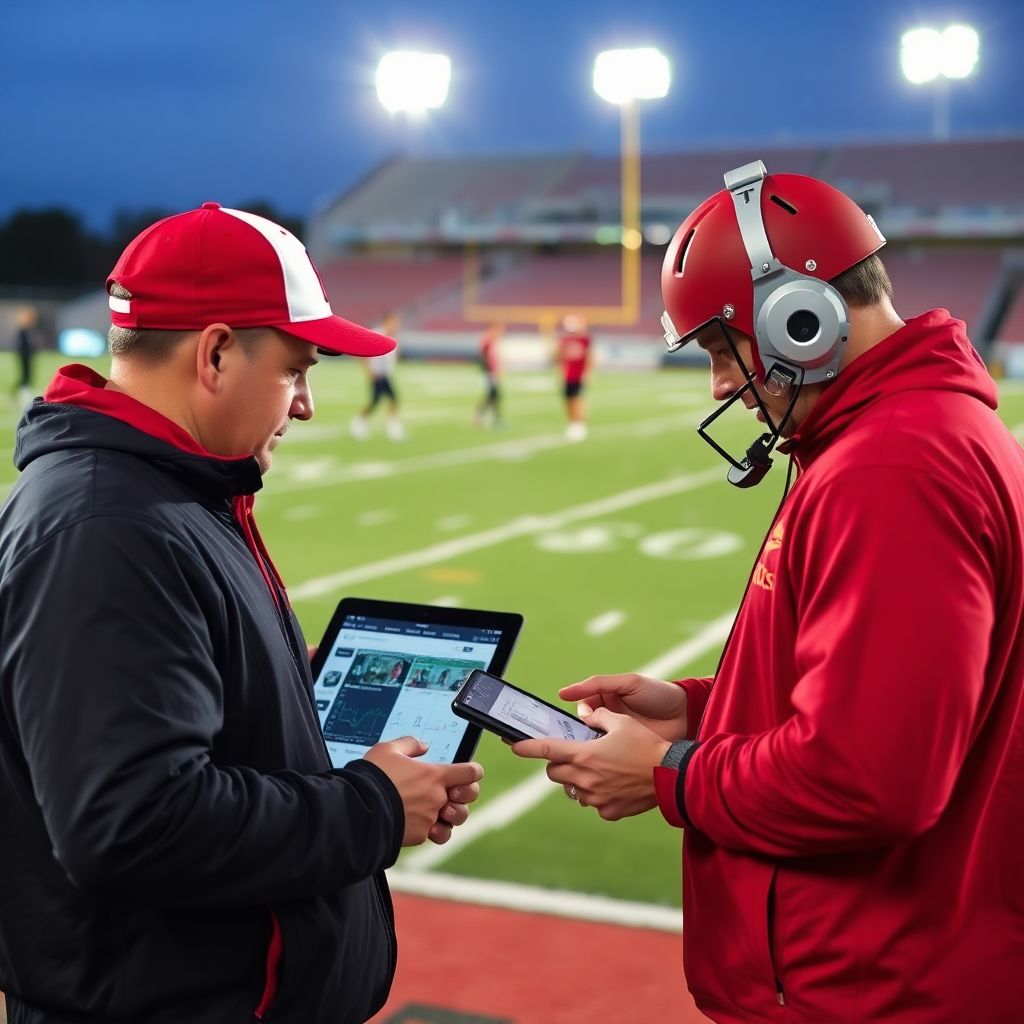
Special teams decide close games through hidden yardage, pressure kicks, and situational judgment more than highlight returns. To control those factors, track field position, operation times, and decision rules, then drill them under stress. Combine film, basic timing, and special teams analytics NFL resources to turn small edges into wins.
Critical Special-Teams Variables to Monitor
- Average starting field position for both teams, split by punt, kickoff, and turnover on downs.
- Punt and field-goal operation times from snap to kick, plus pressure effects on accuracy and distance.
- Net punt and kickoff yardage, including returns, penalties, and touchbacks (true hidden yardage).
- Return depth, ball trajectory, and decision consistency (fair catch, return, let it bounce, or touchback).
- Coverage lane integrity, missed tackles, and first-contact yard line on each special-teams snap.
- Fourth-down and long-field-goal decision rules tied to score, time, and field position.
- Execution under stress: results on late-game or high-leverage special-teams plays in past games.
Field-Position Mechanics: Win the Hidden Territory
This approach suits coaches, analysts, and bettors who already understand basic rules and want to sharpen close-game edges. It is especially useful if you lean on advanced NFL stats for handicapping or self-scouting. Avoid overemphasizing it when your roster is heavily outmatched and simply cannot protect or block in space.
- Define a clear field-position target. For each game, set a target average starting field position you want to achieve versus your opponent (for example, their drives start deeper than yours). Use simple post-game breakdowns or nfl special teams rankings and stats to see whether you consistently hit that target.
- Track net hidden yardage every week. After games, log punt distance, return yards allowed or gained, and penalties on each special-teams play. Sum them to see whether you won or lost the hidden-yardage battle, and tie swings to specific decisions or breakdowns.
- Adjust kick strategy by opponent tendencies. If an opponent’s return unit is dangerous but undisciplined, favor higher, shorter kicks with better coverage angles. Against a conservative unit, more aggressive deep kicks or directional punts can tilt field position while keeping risk manageable.
- Use in-game examples to reinforce learning. After a tight game, tag two to three swings where field position directly led to points or killed promising drives. Review those clips with players and staff to show how a single poor punt or penalty shifted win probability.
Example: your punt from midfield rolls into the end zone instead of being downed inside the 10. That single decision and execution error hands the opponent roughly a full first down of free field position to start a potential game-winning drive.
Kicking Accuracy vs. Pressure: Metrics That Matter
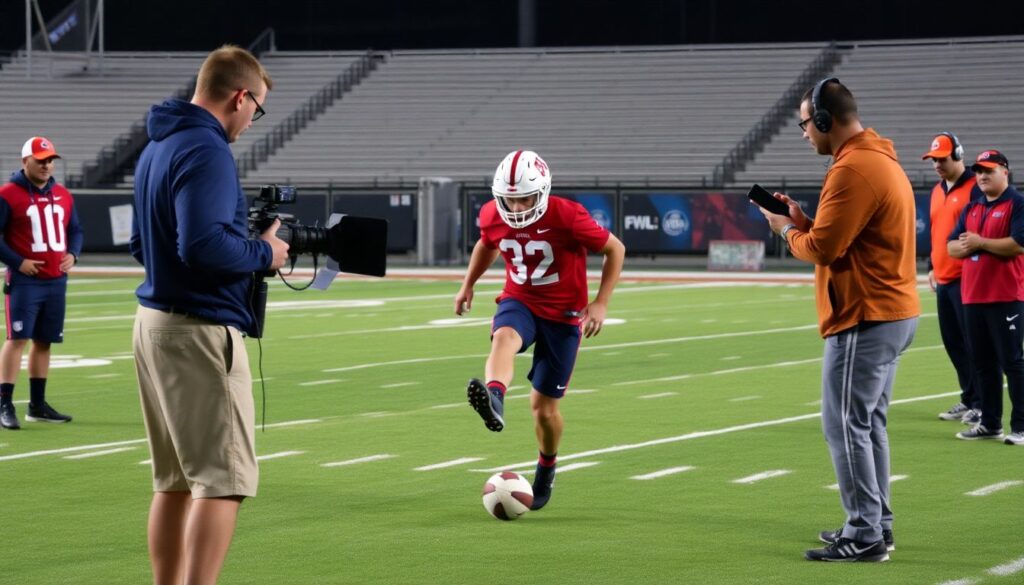
To quantify how your kickers handle pressure, you will need basic timing tools, video, and clear charting templates. These same data help refine nfl close game betting strategies by grounding opinions in repeatable indicators.
- Timing tools. A reliable stopwatch or timing app to record snap-to-kick operation time on field goals, PATs, and punts, plus hang time on punts and kickoffs.
- Video with consistent angles. End-zone and sideline angles that clearly show snap, hold, and kick, letting you confirm operation time and protection quality on pressure kicks.
- Charting sheets or a simple spreadsheet. Columns for hash, distance, wind direction, operation time, pressure level (clean, hit, or altered), and result (make/miss, location) so you can spot patterns.
- Context tags for pressure. Mark late-game, go-ahead, or game-tying attempts, plus kicks after a timeout or penalty, to separate casual practice accuracy from real-stress performance.
- Reference to special teams analytics NFL sources. Even simple league-level baselines on expected make rates by distance and hash help you judge whether your kicker is truly above or below typical outcomes under pressure.
Example: by charting all kicks beyond a certain distance, you find your kicker’s operation time slows on the right hash in late quarters, leading to more blocks or pressured misses despite normal leg strength.
Return Schemes: Designing Game-Changing Angles
- Identify your returner’s core strengths. Decide whether your main returner is best at vertical burst, lateral agility, or vision and patience. Build your base return calls to highlight that trait rather than forcing a one-size-fits-all scheme.
- Vertical burst: more middle or one-cut returns.
- Lateral agility: boundary and counter returns.
- Vision/patience: delayed or set-up returns with double teams.
- Study opponent coverage landmarks. From film, log where gunners line up, common over-pursuit tendencies, and which coverage players lose lane discipline. Basic football special teams coaching tips apply: identify the most aggressive defenders and design angles to use their speed against them.
- Choose a safe base return by field zone. Inside your own 10, favor secure catches and fair catches over explosive designs. In the middle of the field, call your primary return with built-in safety rules: if hang time or coverage spacing is unfavorable, your returner automatically shifts to ball security first.
- Install clear leverage rules for blockers. Teach blockers to win leverage, not highlight blocks. Define which shoulder to attack, how deep they can chase a man, and when to disengage to avoid blocks in the back. Repeat these rules in walk-throughs, then in full-speed but controlled drills.
- Script and rehearse one constraint return. Add a complementary return that looks like your base but hits a different lane (for example, a boundary look that bends back to the middle). Rep it in practice with strict emphasis on safe decision-making and ball security under traffic.
- Evaluate success with simple benchmarks. Instead of chasing touchdowns, track metrics like “clean catches,” “no negative returns,” and “starting beyond the 25” on kickoffs. For handicappers using advanced NFL stats for handicapping, these stable indicators matter more than the occasional long return.
Example: on film you see the opponent’s left gunner over-pursues inside. You call a boundary return that invites him to fold in, then seal him to create an outside lane, producing a safe, explosive return that flips the field.
Fast-Track Return Design Checklist
- Pick one base return that matches your returner’s main strength.
- Tag the two most undisciplined opponent coverage players from film.
- Set simple rules: secure catch first, no blindside or chase blocks.
- Practice two calls at game speed from multiple field zones.
- After the game, log starting field position and penalties on each return.
Coverage Discipline: Eliminating Hidden Yardage
Use this checklist after practices and games to verify whether your coverage units protect field position safely and consistently.
- All cover players maintain lane integrity past the 35-yard line before squeezing to the ball.
- First contact with the returner happens at or beyond the target yard line set in the game plan.
- No unforced lane swaps or two players in the same lane within five yards of each other.
- Gunners defeat releases within the coaching points and do not run themselves out of leverage.
- Missed tackles are followed by immediate population to the ball, not isolated second efforts.
- Contain players never cross the ball carrier’s near hip, even when they think they see a cutback.
- Post-play penalties (late hits, taunting, blocks in the back on sudden-change returns) are absent.
- Kick placement aligns with coverage plan; kicks are not miss-hit into the opponent’s strength.
- Average opponent starting field position on kicks is at or worse than the line specified pregame.
- Substitutions are smooth, with no last-second sprints or confusion before the snap.
Example: after a punt, a contain player crosses the returner’s face, giving up the edge and 20 extra yards. On film, you trace the hidden yardage to a simple violation of lane and leverage rules.
Situational Decision-Making: When to Roll the Dice
These are recurring mistakes that turn special teams into a liability in close games and can mislead nfl close game betting strategies if you watch only the outcomes, not the process.
- Attempting long field goals on fourth-and-manageable when the kicker’s real range and operation time are marginal under pressure.
- Calling fake punts based on gut feel instead of specific look keys, such as uncovered receivers or repeatedly undisciplined rush lanes.
- Forcing returns deep in your own end with poor blocking looks instead of taking touchbacks or fair catches to protect field position.
- Ignoring wind, surface, or protection issues when choosing between a punt pin attempt and a high-risk long field goal.
- Burning timeouts late because of substitution confusion on special teams rather than having clear personnel groupings and alerts.
- Overreacting to a single bad result (like a missed kick) and abandoning sound decision rules that are correct over time.
- Letting emotion, crowd noise, or momentum override preplanned fourth-down and kicking guidelines agreed on before kickoff.
Example: instead of pinning an opponent inside the 10, a coach forces a low-percentage long field goal that misses and gifts prime field position in a one-possession game.
Preparation Routines: Drills That Replicate Late-Game Stress
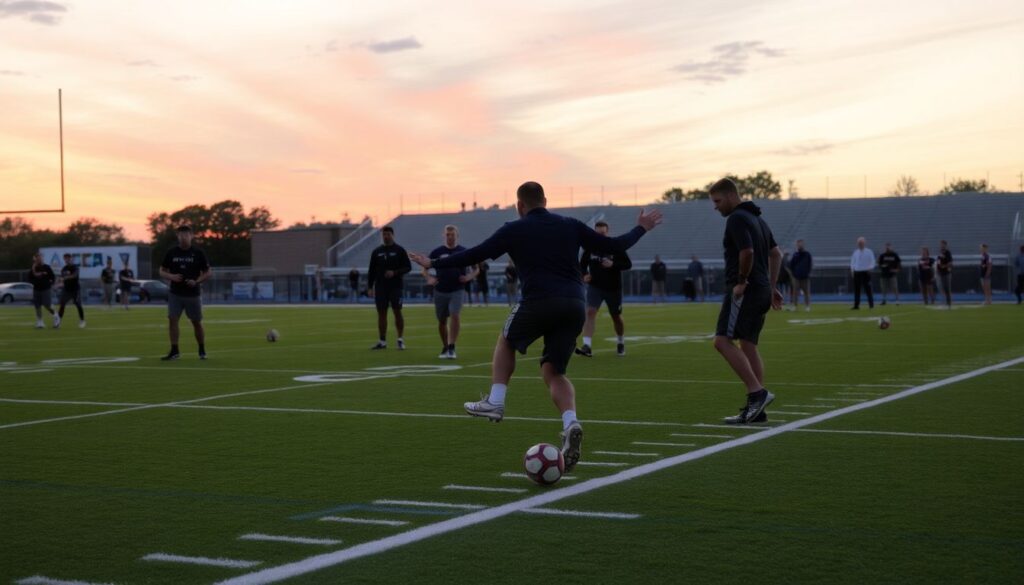
These alternative approaches help teams and analysts integrate special teams into a full-game plan while staying safe and clear for users who are still building experience.
- Scripted pressure-period practice. End each practice with a short scripted sequence of late-game special-teams plays (field goal, onside recovery, backed-up punt) with crowd noise and a visible game clock. Keep contact controlled to avoid injury while still simulating pressure.
- Film-only situational walkthroughs. For staffs short on practice time, run meeting-room walkthroughs with video clips of end-game situations. Pause before the snap, ask for the decision (kick, go, fake), then reveal the actual choice and outcome.
- Analytics-informed decision cards. Build simple sideline cards that blend special teams analytics NFL baselines with your roster realities, so in-game choices on fourth downs and long field goals are consistent, quick, and calm.
- Risk-aware handicapping checklists. For bettors, integrate nfl special teams rankings and stats into a pregame checklist: kicker reliability, punter consistency, coverage discipline, and coaching aggressiveness. This supports safer, structured decisions rather than impulsive wagers.
Example: during a scripted pressure period, you simulate a game-tying field goal with the whole team watching. Operation time, snap quality, and protection are graded, building confidence long before the real situation arrives.
Common Concerns and Tactical Clarifications
How much practice time should be devoted to special teams without overloading players?
Short, focused daily segments are usually more effective than occasional long blocks. Prioritize core operations (snap, hold, kick, coverage lanes, ball security) and rotate specific situations by day, so players build habits without excessive contact or fatigue.
What is the safest way to introduce new return concepts mid-season?
Limit yourself to one new return that closely resembles a scheme players already know. Install it in meetings first, then run it in walk-through, and only then in controlled full-speed reps. Emphasize decision rules and ball security over explosive yardage early on.
How can smaller programs use analytics without a dedicated analyst?
Start with simple manual tracking: operation times, net yards on kicks and punts, and penalties. A basic spreadsheet and game video are enough to spot patterns and refine decisions, even without advanced software or full-time support staff.
When is it better to fair catch than attempt a risky return?
If coverage is within a few yards at the catch point, hang time is high, or you are deep in your own territory with a small lead, the fair catch is usually safer. Protect field position and the ball first, especially late in games.
How should bettors weigh special teams compared to offense and defense?
Special teams rarely dominate outcomes alone but often decide close games. Treat them as a tie-breaker: when offenses and defenses look even, superior kicking, coverage, and coaching discipline can justify a small edge in your evaluation.
What is the safest way to handle a struggling kicker during the season?
Shorten his effective range and tailor decisions around high-confidence distances and hashes. Increase targeted practice under simulated pressure and consider competition only if fundamentals and confidence do not improve over time.
How can coaches reduce penalties on kick coverage and returns?
Coach specific leverage and disengage rules rather than highlight blocks, reinforce them in low-contact drills, and show penalty clips in meetings. Players who understand where blocks are likely to be flagged make better, safer decisions at full speed.
Комментарии