
Off-the-field controversies are non-sporting incidents-legal, ethical, or reputational-that influence a footballer’s contracts, selection, transfers, sponsorships, and long-term career. They include criminal investigations, social media misconduct, integrity breaches, and personal scandals. Their impact depends on law, league rules, club policies, media optics, and how quickly lawyers, agents, and communication teams respond.
Core Concepts: Legal and Ethical Drivers in Player Careers
- Off-field behavior is regulated simultaneously by criminal law, civil law, employment contracts, and football regulations.
- Clubs and sponsors routinely use morals clauses to react to reputational damage, even without criminal convictions.
- Early, specialist legal representation for professional footballers often limits contractual and disciplinary fallout.
- Reputation management services for athletes work best when aligned with factual legal strategy, not spin alone.
- Ethical compliance consulting for football clubs helps prevent crises by setting clear standards before problems arise.
- Long-term career recovery depends on consistent behavior change, transparent communication, and controlled re‑entry to media exposure.
Types of Off-Field Controversies and Their Legal Foundations
Off-field controversies are incidents away from the pitch that trigger legal or ethical scrutiny and can reshape a footballer’s professional path. They typically fall into categories: alleged criminal conduct, civil disputes, integrity and betting violations, discrimination or harassment, and reputational issues such as offensive social media content.
Criminal-related controversies include assault, domestic violence, sexual offences, drink-driving, or corruption. These are governed by national criminal law and procedure. Civil disputes-image rights conflicts, unpaid commissions, defamation-are handled in civil courts or arbitration and may coexist with contractual claims between player, club, and agents.
Regulatory controversies, such as betting on matches, match manipulation, or anti-doping violations, are primarily handled by football bodies under their own disciplinary codes. Ethical breaches, including discrimination, hate speech, or breaches of club codes of conduct, often rely on internal regulations and employment law rather than criminal statutes. A sports lawyer for football players typically maps any incident across all four dimensions: criminal, civil, regulatory, and employment.
Reputational-only issues-ill-judged interviews, nightlife photos, or minor public disorder-may not lead to court cases but can still trigger sponsor concerns or club sanctions under morals or conduct clauses. The legal foundation then becomes the wording of the contract and the proportionality of any disciplinary response.
- Classify each incident into criminal, civil, regulatory, and reputational categories before acting.
- Identify which contracts (club, sponsor, image rights) could be triggered by the controversy.
- Consult legal representation for professional footballers early to align legal, PR, and football strategy.
Contractual Consequences: Discipline, Termination, and Liability
When a controversy unfolds, the immediate risk is usually contractual, not criminal. Club contracts, sponsorship deals, and image rights agreements almost always contain clauses on conduct, reputation, and compliance with club rules and competition regulations. These clauses define how far a club or sponsor can go with discipline or termination.
Typical mechanisms include internal disciplinary procedures, fines, temporary suspension from training or matches, exclusion from team activities, and, in severe cases, termination for just cause. In parallel, sponsors may suspend campaigns, freeze payments, or terminate endorsement contracts, often citing damage to brand reputation even before a court decision is reached.
- Internal discipline and pay: Clubs can issue warnings, fines, or short suspensions based on internal codes of conduct, provided procedures are fair and documented.
- Sporting exclusion: Coaches may bench a player for “sporting reasons,” but if it is clearly disciplinary, employment protections and collective bargaining rules may apply.
- Contract termination: Termination usually requires serious breach (e.g., criminal conviction, repeated misconduct, or reputational harm that makes cooperation impossible) and can be litigated before national courts or sporting tribunals.
- Civil liability: If a player’s misconduct causes financial losses-for example, a sponsor withdraws support from the club-there may be claims for damages, depending on contract language.
- Mutual settlements: Many disputes end via negotiated exits or amended terms, with confidentiality and non-disparagement clauses to limit further damage.
- Review all active contracts (club, sponsor, image rights) for conduct and morals clauses at the first sign of trouble.
- Document every disciplinary step taken to show fairness and proportionality if challenged later.
- Use experienced sports lawyer for football players to negotiate settlements that preserve future employability.
Criminal Proceedings, Evidence, and Presumption of Innocence in Sport
Criminal investigations pose unique challenges for football careers because legal timelines are slow while sporting and media reactions are instant. The formal presumption of innocence applies in court, but clubs, leagues, and sponsors often take precautionary action based on risk and optics rather than final verdicts.
Common scenarios include alleged violence, sexual offences, driving offences, financial crimes, and public order incidents. Evidence gathered by police-witness statements, CCTV, digital communications-may never become public, while media reports focus on accusations. This information gap can produce pressure on clubs to suspend or separate the player from the team environment.
In some leagues, regulatory frameworks allow “administrative leave” or precautionary suspensions during investigations, especially for integrity-related or safeguarding concerns. In others, disciplinary bodies wait for court outcomes before acting. Players’ representatives must balance full cooperation with authorities against the player’s right to silence, ensuring that any club interviews or internal inquiries do not prejudice the criminal defense.
Specialist legal representation for professional footballers is critical at this stage: statements, social media posts, or apologies drafted with PR in mind can be interpreted as admissions in criminal or civil proceedings. Coordinating defense strategy with communications and club management helps uphold the presumption of innocence while managing practical safety and reputation.
- Separate criminal defense strategy from PR messaging, then align them carefully before any public statement.
- Clarify with the club and league which interim measures (leave, suspension) are possible during investigations.
- Advise the player not to comment publicly without prior legal review of wording and timing.
Regulatory Bodies: League Policies, FIFA/UEFA Rules, and Arbitration
Football operates within a layered regulatory system: national associations and leagues, confederations like UEFA, and FIFA. Each has disciplinary codes, integrity regulations, and ethical frameworks that can apply even when state authorities take no action. Off-field controversies may therefore trigger parallel proceedings in sporting bodies.
Advantages of this framework include defined procedures, specialist tribunals such as national arbitration bodies or the Court of Arbitration for Sport (CAS), and relatively predictable sanctions for common violations (e.g., betting, match manipulation, discrimination). However, overlaps between national law and sporting rules can generate conflict, particularly around due process and employment protections.
League policies often address social media conduct, anti-discrimination, safeguarding, and integrity. FIFA and UEFA regulations provide higher-level standards on match-fixing, doping, and ethics. When sanctions are imposed, appeals typically proceed through internal appeal bodies and, ultimately, to CAS under specific time limits and formal requirements.
- Regulatory strengths:
- Specialised understanding of football’s context and integrity risks.
- Clear, codified sanctions for recurring types of misconduct.
- Relatively fast disciplinary timelines compared with many state courts.
- Regulatory limitations:
- Perception of limited independence when leagues sanction high-profile players.
- Procedural rules that may differ from national employment protections.
- Complex jurisdictional questions when incidents span several countries or competitions.
- Map which body (club, league, association, FIFA/UEFA) has jurisdiction before responding to charges.
- Track all procedural deadlines for appeals and submissions to avoid losing rights.
- Use counsel familiar with arbitration and CAS practice to design a coherent defense route.
Reputation Management and Sponsor Relations after Scandals
Reputation is a core asset for modern footballers, directly linked to market value, sponsorship income, and leadership roles. Once a controversy breaks, a coordinated response between legal advisors, agents, and reputation management services for athletes is essential. Poorly timed statements can escalate the story, invite new allegations, or undermine legal defenses.
Sponsors focus on brand safety. They monitor media sentiment, stakeholder reactions, and compliance with their internal ethics codes. In many cases, they will pause campaigns or hide content featuring the player while assessing risk. A crisis management agency for sports scandals helps align sponsor messaging, club messaging, and the player’s own narrative to avoid contradictions that damage trust.
Common errors include issuing emotional, unvetted social media posts; allowing friends or family to speak unofficially to the press; and promising facts that may later be contradicted by investigations. Another myth is that a public apology always helps; in some legal contexts, it can be interpreted as admission of fault, influencing both courts and regulators.
Ethical compliance consulting for football clubs can reduce both the frequency and impact of crises by setting clear behavior expectations and training players on digital conduct, consent, discrimination, and media handling before problems arise.
- Do not publish any apology or “side of the story” before legal and PR teams agree on facts and wording.
- Engage one coordinated crisis management agency for sports scandals to centralise all external communication.
- Audit all sponsor contracts and proactively brief key partners on verified information and next steps.
Long-Term Career Impact: Rehabilitation, Transfers, and Post-career Pathways
Even serious off-field controversies do not automatically end a football career, but they often change its trajectory. Some players rebuild status at a different club, league, or level after a structured rehabilitation process; others move into coaching, media, or business where they can reframe their story through consistent positive conduct.
Rehabilitation usually involves time away from the spotlight, visible commitment to behavior change (such as education programs or community work), and a carefully managed re-entry to competitive football. Clubs will assess both legal clearance and reputational risk before signing or fielding a player whose name still attracts controversy.
In transfer negotiations, past issues may influence contract length, salary structure, bonus triggers, and specific conduct clauses. Agents and a sports lawyer for football players must demonstrate that risks are understood and controlled. This often means more detailed internal codes and review mechanisms than for players without such history.
A simple “career recovery algorithm” can help guide decisions:
1. Stabilise: resolve legal cases and stop reputational bleeding.
2. Rebuild: demonstrate consistent behaviour and targeted remediation.
3. Reposition: choose clubs, roles, and media exposure that support a credible new narrative.
- Assess whether the player’s environment (club, peer group, advisors) supports genuine behavior change.
- Structure future contracts with clear, realistic conduct expectations and transparent consequences.
- Plan post-career pathways early, using mentoring and education to widen options beyond playing.
Self-Check: Quick Review Algorithm for Practitioners
- Have you mapped the incident across criminal, civil, regulatory, employment, and reputational dimensions?
- Have you reviewed all relevant contracts and regulations for potential triggers and deadlines?
- Are legal, club, agent, and PR teams aligned on one agreed factual timeline and message?
- Is there a documented plan for rehabilitation, monitoring, and controlled media re-entry?
- Have you recorded decisions and rationale, anticipating future scrutiny by courts or sporting bodies?
Common Practitioner Questions on Legal and Ethical Risks
When should a club involve external lawyers after a controversy emerges?
Immediately, once an incident could affect contracts, employment status, or regulatory exposure. Early advice from a specialist sports lawyer for football players or clubs helps preserve evidence, manage statements, and avoid steps that later conflict with national law or football regulations.
Can a player be suspended before any criminal conviction?
Yes, depending on league rules and club policies. Precautionary suspension or administrative leave is often allowed where there are serious allegations or safeguarding concerns, provided the measures are proportionate and reviewed regularly.
How do off-field controversies affect transfer value?
They typically increase perceived risk, which can reduce transfer fees, shorten contract lengths, or shift value into performance or conduct-based bonuses. Some clubs refuse to engage at all when reputational risk outweighs sporting benefit.
What is the role of agents during a legal or ethical crisis?
Agents coordinate between player, club, lawyers, and communication teams. They should avoid offering legal opinions, instead ensuring that legal advice, PR strategy, and sporting objectives are aligned and that all key stakeholders receive accurate, timely information.
Do internal club investigations replace police or court processes?

No. Internal investigations are primarily for employment and regulatory decisions. They must respect criminal procedures and avoid interfering with law enforcement, especially by pressuring witnesses or demanding information subject to legal privilege.
When are reputation management services most effective?
They are most effective when engaged early, working alongside legal counsel. Their role is to shape how verified facts are understood, not to invent narratives. Late or reactive PR usually cannot fully repair damage from uncontrolled leaks or statements.
Can ethical training really reduce the risk of scandals?
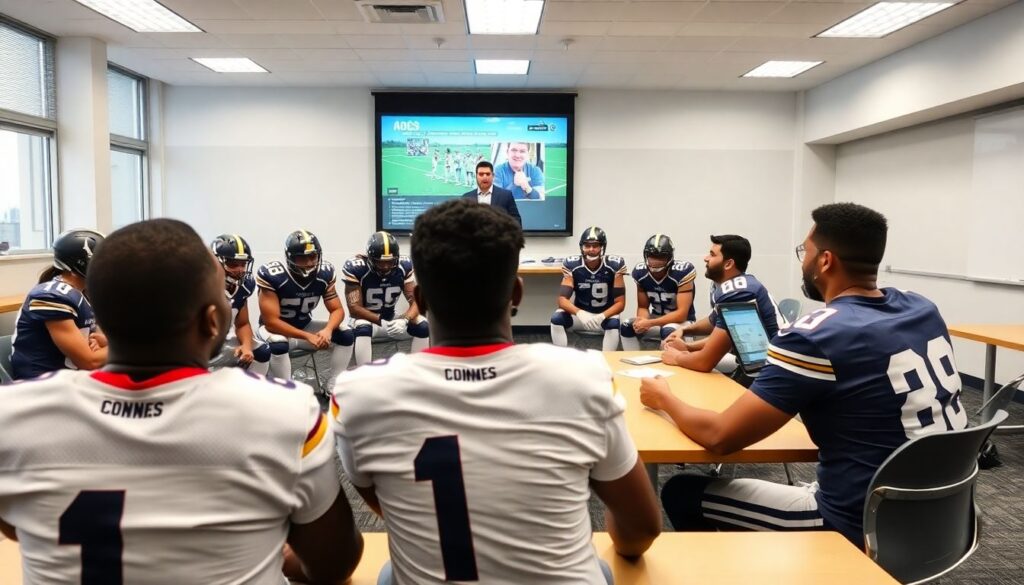
Targeted, practical training on digital conduct, consent, diversity, and media interaction significantly lowers the likelihood of avoidable controversies. Ethical compliance consulting for football clubs helps embed such training into onboarding and ongoing player development.