Why Some Defensive Schemes Stay Underrated
Most fans only hear about “Cover 2,” “Cover 3,” or “zero blitz,” so a lot of nuanced structures never get proper credit. When you look for the best NFL defensive schemes analysis, the underrated ones tend to be concepts that flex between fronts and coverages without tipping the quarterback. They’re hard to label on TV, but nightmare fuel on third down. In a modern NFL defensive strategies guide, these systems are prized because they let coordinators handle spread sets, mobile QBs and RPOs while still fitting the run with light boxes and interchangeable personnel.
Pattern‑Match Quarters: More Than Just Cover 4
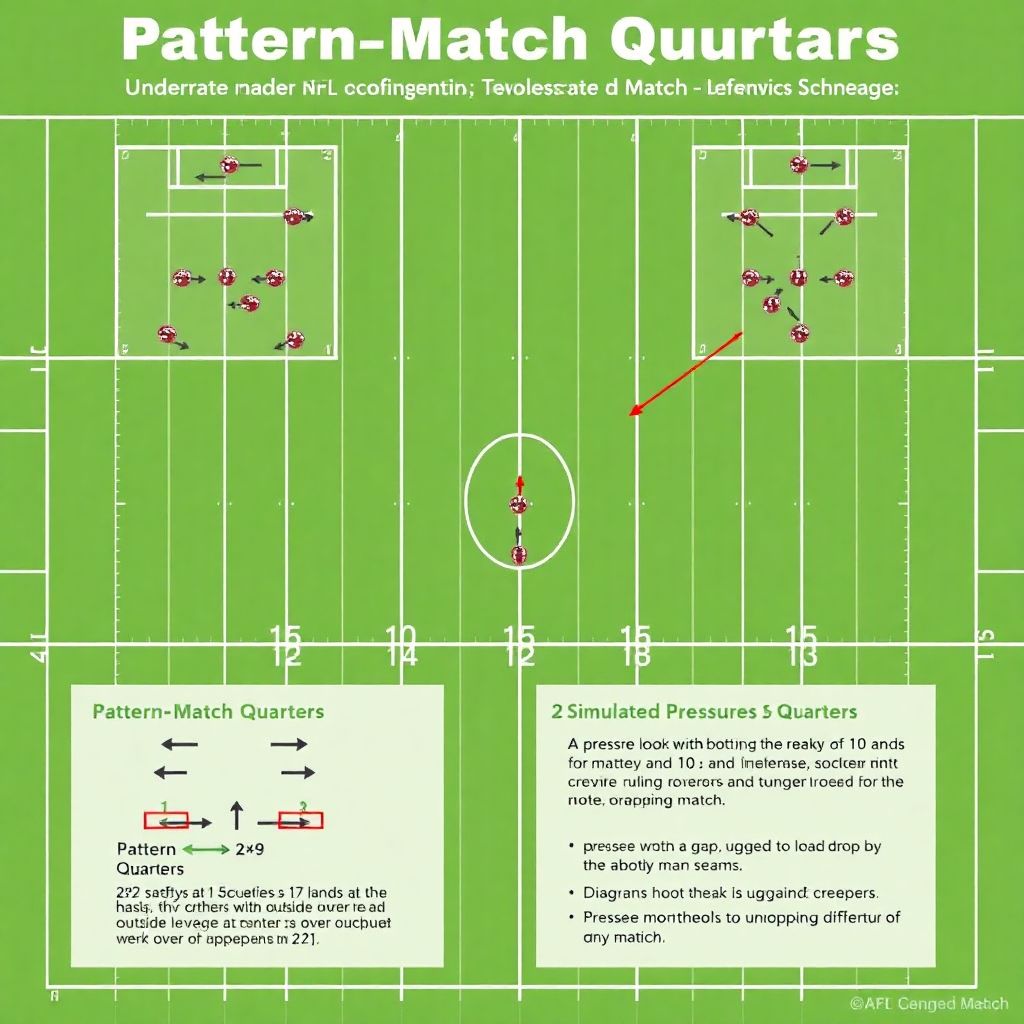
Quarters is often mis-tagged as simple “four deep, three under,” but pattern‑match quarters is closer to matchup zone. Definition: defenders drop to landmark zones, then convert to man based on route rules. A basic diagram in text: “Diagram 1: Two safeties at 12 yards over the hashes, corners at 7 yards outside leverage, nickel inside #2 receiver, backers stacked in the box.” The underrated part is how you can bracket key threats without announcing double coverage. Many coordinators treat it as the base of how to run match quarters coverage defense versus 2×2 and 3×1 spread formations.
How Match Quarters Actually Operates
Take a 2×2 set. The corner reads the release of #1 and #2: if #2 goes vertical, he knows the safety is involved and can midpoint any outside fade or dig; if #2 goes shallow, the corner basically plays man on #1. Safeties read #2 to #1, triggering downhill on crossers or dig routes. “Diagram 2: Linebacker shaded to the passing strength, hook-dropping to 10 yards, overlapping seams when #2 breaks inside.” Coaches value this because it gives zone eyes on the QB with man-like matchups. Experts stress drilling route reads daily or the pattern rules fall apart.
Simulated Pressures and Creepers
Simulated pressures (“sims”) and creepers are blitz mechanics where you rush four but show more. Definition: you present a pressure look (often six or seven on the line), drop traditional rushers and send second-level defenders instead. Example diagram: “Diagram 3: Mugged A‑gaps with two linebackers, both ends wide; post-snap, boundary end drops to the flat, nickel and field end loop to rush.” Because coverage still has seven defenders, these calls are safer than true blitzes. They’re underrated since stat sheets just list “four-man rush,” hiding the stress they put on protections and hot reads.
Why Sims Matter Against Modern Offenses
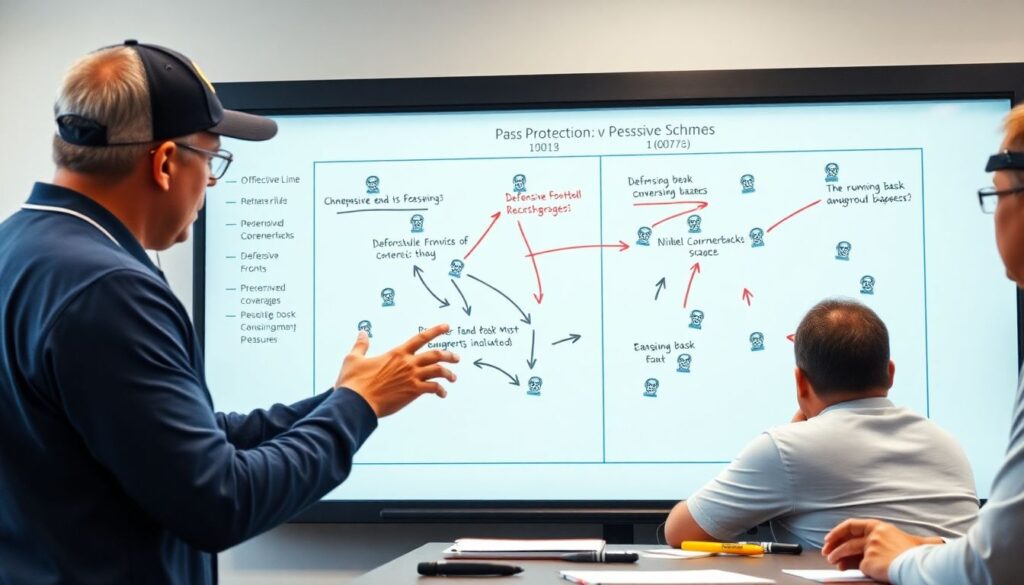
Offensive lines slide protection based on perceived most dangerous rushers. Sims reverse that math. When a defensive end drops and a nickel fires, the back or center can end up blocking in space they’re uncomfortable with. This is a core topic in any coaching clinic on modern NFL defensive schemes, because coordinators can spin the picture post-snap while living in familiar coverage shells like Cover 3 buzz or quarters. Veteran pass‑rush coaches recommend tying each simulated pressure to a specific formation tendency, instead of calling them randomly, so players can anticipate protection rules before the snap.
Nickel vs Dime: The Real Differences
Nickel and dime get tossed around on broadcasts, but the nuance is deeper than “five or six DBs.” Nickel = 5 defensive backs (usually 3 corners, 2 safeties) and 2 linebackers; dime = 6 DBs and typically only 1 linebacker. In nickel vs dime defense in NFL explained by coaches, nickel is the default versus most 11 personnel because it still supports the run. Dime becomes a situational call: obvious pass, long yardage or vs elite pass-catching backs and tight ends. The underrated angle is using “big nickel” or “dime backers” to keep run fits sound.
Sub‑Package Flex: Big Nickel and Hybrid Dime
Big nickel uses three safeties instead of three corners, often aligning the extra safety over the slot. This gives you a heavier body to fit the run and cover tight ends. Text diagram: “Diagram 4: Two corners outside, three safeties—one deep middle, two at 8–10 yards over slots—plus two linebackers and a four‑man front.” Hybrid dime swaps a traditional linebacker for a safety‑linebacker tweener who can blitz, cover and handle zone drops. Position coaches emphasize cross‑training these hybrids in run fits and hook‑curl responsibilities to keep disguise while still living in light boxes.
Odd‑Front “Tite” and “Mint” vs the Run and RPO
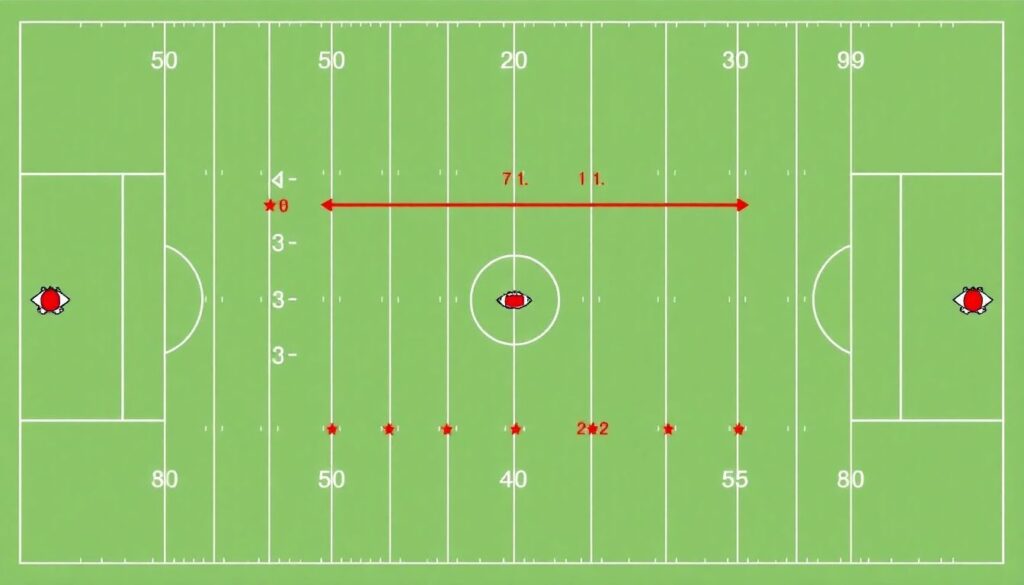
An underrated structural answer to spread offenses is the 3‑down “tite” or “mint” front: a 4i–0–4i alignment (ends inside the tackles, nose over center) with two overhangs. Diagram: “Diagram 5: Nose shaded head‑up, ends on inside shoulders of tackles, two overhangs at 4–5 yards apexed between tackle and slot.” This creates interior gap control with minimal bodies, freeing those overhangs to handle bubbles, RPO glance routes and jet motion. Unlike old 3‑4 two‑gap looks, these fronts often play one‑gap principles, letting linemen attack instead of read, which better suits modern athletes.
Coverage Rotations: Palms, Trap, and Robber
Palms (or quarters‑palms) and trap coverages are match‑zone calls that bait quick game. In a basic trap to the boundary, the corner aligns off, then jumps any out or hitch by #1 while the safety caps deep. Text diagram: “Diagram 6: Field side in Cover 3, boundary side corner at 7 yards off, safety at 12 yards inside; post‑snap, corner drives the flat, safety overlaps fade/post.” Robber is a middle‑of‑field rotation where a safety buzzes down to steal dig and glance routes. These calls are underrated because they look like conservative zones until the QB throws the “gift” route.
Expert Tips on Coaching Underrated Schemes
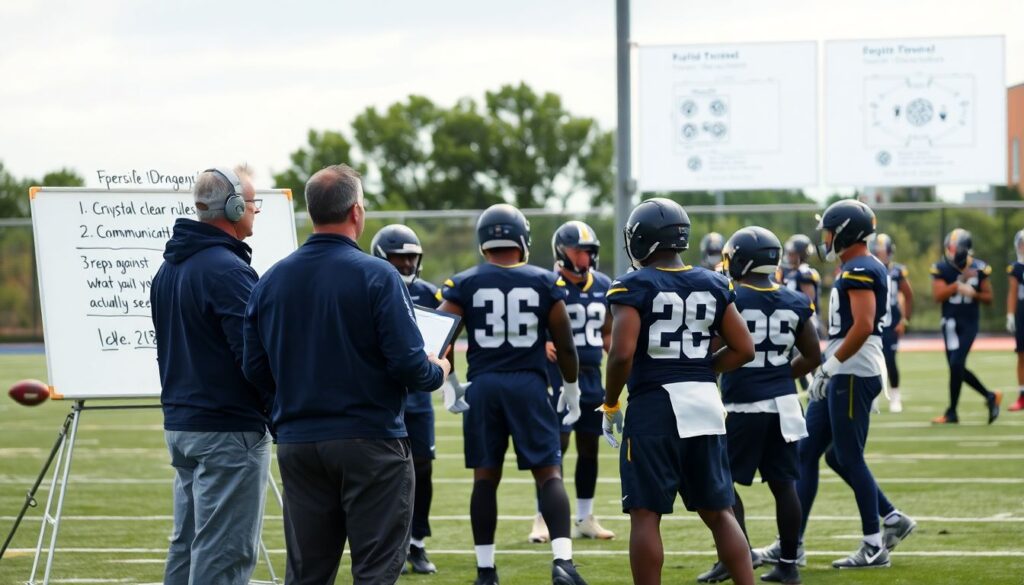
Coaches who install these concepts repeatedly mention the same priorities: 1) crystal‑clear rules, 2) communication, 3) reps against what you’ll actually see. To make this a practical modern NFL defensive strategies guide, many position coaches script weekly “coverage ID” periods where players just call out formation, strength and check (e.g., “3×1, nub, check poach”). Veteran DB coaches advise building a small menu: a base quarters, a boundary trap, one or two sims, and a preferred sub‑package, repped heavily, instead of chasing every trendy call seen on Sunday cut‑ups.
Installing for High School, College, or Clinic Settings
When explaining how to run match quarters coverage defense or creepers at a lower level, experts suggest trimming the coverage tree and majoring in teaching route stems and protection IDs. For a high school coaching staff, a simple best NFL defensive schemes analysis might start with: 1) base match quarters vs 2×2, 2) “special” checks vs 3×1, 3) one pressure family with sim and full‑blitz tags, 4) a nickel and big‑nickel package. Stacking layers slowly—front structure first, then coverage tags, then disguise—keeps players confident while still stealing concepts from Sundays.