
To go from walk-on to impact player, treat yourself like a serious prospect: choose the right level, know what coaches expect, follow a structured weekly plan, and steadily create proof you can help the team win. This guide turns famous college football walk-on success stories into clear, safe steps you can actually follow.
Essential Roadmap for Aspiring Walk-Ons
- Decide whether walking on fits your academics, finances, and realistic playing level.
- Measure your current size, speed, strength, and skills against your target program.
- Follow a progressive strength, speed, and position-drill plan with weekly milestones.
- Master practice habits that earn trust: reliability, effort, special teams value.
- Communicate with coaches, study film, and correct mistakes quickly and calmly.
- Increase visibility through camps, stats, highlight film, and smart transfer options.
- Use inspiring college football player stories, books, and documentaries to stay motivated long term.
Mapping the Walk-On Path: Types, Timelines, and Expectations
Walking on means joining a college football team without an athletic scholarship at first. You must earn reps, travel spots, and possibly a scholarship through performance and consistency. The path is demanding but realistic for disciplined, coachable players who match the program’s athletic level.
Common types of walk-ons
- Preferred walk-on (PWO): Invited by the staff, roster spot expected if you meet admissions and team standards. Often more realistic path to reps.
- Standard walk-on/tryout player: No promises; you earn a spot through an open tryout and then daily performance.
- Roster add later: Occasionally, a student manager or practice player earns a future roster spot through persistence and development.
Who walking on is usually right for
- Players with solid high school film but limited recruiting attention.
- Multi-sport athletes who bloomed late and are still improving physically.
- High-academic students who choose a school for academics first but want to pursue football seriously.
- Players driven by inspiring college football player stories and ready for years of delayed rewards.
When you should strongly reconsider walking on
- If the cost of the school without an athletic scholarship will create serious, long-term financial stress.
- If you are not able to commit to year-round training, meetings, film, travel, and limited free time.
- If your realistic playing level is far below the program (for example, fringe high school player trying to walk on at a powerhouse).
- If you mainly want the social status of being on the team more than the work of being a contributor.
If you still feel pulled toward the walk-on path, spend time with college football recruiting stories walk-on to scholarship to understand how much patience and sacrifice those journeys required.
Evaluating Your Current Skillset and Setting Target Benchmarks
Before you follow any plan, you must know where you stand. This keeps you safe, realistic, and efficient with your training time.
Measure your current profile
- Body metrics: Height, weight, and an honest estimate of body composition (do clothes fit tight because of muscle or extra fat?).
- Speed and quickness: Time for short sprints (10-yard, 20-yard, 40-yard), and a simple shuttle or 3-cone change-of-direction drill.
- Strength: Main lifts you actually perform correctly (for example, squat, bench, deadlift, pull-ups, push-ups, split-squat).
- Position skills: Footwork, stance, hand use, tackling form, catching, throwing, coverage ability, depending on position.
Set realistic targets by level
Instead of chasing random numbers from the internet, work backward from your target level: FBS, FCS, Division II, Division III, NAIA, or junior college. Watch practice clips, game film, and read program notes to estimate the typical size and speed at your position.
- List three to five physical targets (speed, strength, weight range) that seem common for your position at that level.
- List three to five skill targets (for example, “no wasted steps in backpedal,” “consistent hands on short and intermediate routes”).
- Translate them into weekly actions: “Add one more bodyweight pull-up,” “Cut 0.05 seconds from 10-yard split,” or “Complete every catch in individual drills this week.”
Tools and access that help
- A safe training space: a weight room with racks, bars, and dumbbells, plus a field or turf.
- Reliable timer or timing app for sprints and agility drills.
- Phone or camera plus a tripod or partner, so you can film your technique and compare it to college players.
- Access to your future college’s playbook or basic scheme principles if possible, to align your drills with what they actually run.
- Educational resources: some of the best books about college football players overcoming odds, clinic talks, and online position tutorials to refine technique safely.
High-Impact Training: Strength, Conditioning, and Position-Specific Drills
This section lays out a safe, progressive structure you can adapt. Always prioritize proper technique, warm-ups, and recovery. If you are new to lifting or have an injury history, clear your plan with a qualified coach or medical professional.
-
Build a weekly structure you can actually sustain
Instead of copying a college plan on day one, create a sustainable schedule and increase volume gradually.
- Start with 3 lifting days, 2-3 field days, and 1 mobility/recovery day per week.
- Keep sessions under about 75-90 minutes to stay focused and maintain quality.
- Track each session in a training log: lifts, sets, reps, times, and how you felt.
-
Prioritize safe, compound strength movements
Strong, stable joints and good movement patterns matter more than impressive numbers with bad form.
- Base lower-body work around squats or split-squats, hip hinges (like deadlift variations), and lunges.
- Base upper-body work around presses (horizontal and vertical), rows, and pull-ups or pulldowns.
- Add core stability (planks, dead bugs, carries) rather than endless sit-ups that stress your lower back.
- Add weight slowly and never sacrifice range of motion or control just to lift more.
-
Develop position-specific speed and conditioning
Condition like you play: short bursts, changes of direction, then recover. Avoid constant long-distance running that beats up your joints.
- Use short sprints (10-40 yards) with full recovery for acceleration and top speed.
- Use position patterns: receivers and DBs run routes and backpedal transitions; linemen do short pulls, mirror sets, and rapid get-offs.
- Use intervals that mimic drives: for example, 4-8 second efforts with 20-40 seconds of recovery.
- Once per week, include slightly longer tempo runs to build general conditioning without sprint-level intensity.
-
Refine technique through focused, filmed drills
Every field session should include a small set of key drills that you can track week to week.
- Choose 3-5 “money drills” per position: for example, pass-set footwork for tackles, route releases for receivers, read steps for linebackers.
- Film 3-5 reps of each drill from the side and from behind.
- Compare your film to college players at your position (especially from motivational college football documentaries and practice clips) and correct one detail at a time.
-
Create weekly progress milestones
Anchoring your effort to clear weekly targets keeps you accountable and mirrors how college strength staffs operate.
- Pick 1-2 numbers per week to improve: slightly faster short sprint, 1 extra clean push-up per set, or cleaner technique rating on video.
- Rate your effort and focus after each session on a simple scale (for example, 1-5), and aim to avoid low-effort days.
- Review your log every Sunday and adjust the upcoming week based on what felt great or overly fatiguing.
-
Integrate recovery, mobility, and injury prevention
Walk-ons cannot impress coaches from the training room. Staying healthy is part of your job.
- Before each session: 5-10 minutes of dynamic warm-up (skips, leg swings, light shuffles, arm circles).
- After each session: 5-10 minutes of light stretching or mobility, especially hips, ankles, shoulders, and thoracic spine.
- Include basic prehab 2-3 times per week: light band work for shoulders and hips, single-leg stability drills, and landing mechanics for jumps.
- Respect pain signals: adjust or stop exercises that cause sharp pain and seek professional evaluation if pain persists.
Быстрый режим
- Train 5-6 days per week: 3 strength days, 2-3 field/position days, 1 lighter recovery day.
- Film yourself on 3-5 key drills per week and correct one technique flaw at a time.
- Chase small, weekly improvements in short sprint time, reps, or consistent technique instead of jumping levels overnight.
- Prioritize sleep, food, and recovery so you can show up at every workout with full effort.
Practice to Game Day: Techniques for Securing Reps and Earning Trust
On-campus, your job shifts from “getting noticed” to “never giving coaches a reason to doubt you.” Use this checklist to gauge whether you are on the right path.
- You arrive early to meetings and practice, fully taped and ready, without reminders.
- You know assignments for multiple positions or special teams units and rarely bust a play.
- You finish every drill through the whistle, even when the rep is not “for you.”
- You treat scout team like game day, giving starters realistic looks and full-speed effort.
- You respond to coaching corrections with quick eye contact, a clear “Got it,” and immediate adjustment on the next rep.
- You stay engaged when not in: echo calls, help spot the ball, and support teammates instead of drifting mentally.
- You look the same in practice at the end of the week as at the beginning: no drop in effort or body language.
- You volunteer for special teams and physical jobs that many players avoid.
- You avoid conflicts, complaints, and gossip; coaches associate you with solutions, not drama.
- You consistently grade out as dependable on film, which increases your chances to move from practice field to game day.
Building Influence: Communication, Film Study, and Coach Buy-In
Talent gets you in the room; communication and consistency keep you there. These are common mistakes that quietly stall many walk-on careers.
- Relying on effort alone without learning the playbook deeply enough to be trusted in complex situations.
- Avoiding honest check-ins with position coaches because you fear hearing hard feedback.
- Studying only your own highlights instead of full-drive film where technique and alignment matter more than one big play.
- Letting frustration about reps, depth chart status, or lack of attention leak into your body language.
- Talking more than listening when coaches explain corrections or game plans.
- Failing to connect with strength and athletic training staff, who often influence coaches’ perception of your professionalism.
- Undervaluing academics and off-field conduct, which can instantly erase months of trust-building.
- Chasing social media clout over private improvement, especially when posting clips that do not reflect team schemes or standards.
- Ignoring your own mental health and burnout signs instead of using campus resources to stay steady over long seasons.
Replacing these mistakes with intentional habits is what turns anonymous walk-ons into the subjects of future inspiring college football player stories.
Visibility Strategies: Camps, Stats, Highlight Reels, and Transfer Options
Visibility matters most before you arrive on campus and again if you consider transferring. Here are structured alternatives and when to use each.
-
Position and college camps
Ideal if you are still in high school or at a junior college and want to display skills directly in front of staffs.
- Focus on camps where the staff actually recruits players at your realistic level.
- Use camp video to refine technique and to send follow-up clips to coaches.
- Pair camp attendance with watching motivational college football documentaries to study how elite players practice and compete.
-
Production at a smaller program
Sometimes the cleanest path is to play early at a lower division, then consider moving up later if you dominate and stay healthy.
- Choose a school where you can earn reps quickly and build a strong, consistent stat line.
- Gather full-game film that shows effort, consistency, and versatility, not just isolated big plays.
- Use those games to build a highlight reel with clear labeling: down, distance, opponent.
-
Smart transfer or walk-on upgrades
After establishing yourself, you may seek a scholarship or move up a level.
- Work within NCAA and conference rules regarding the transfer process and communication with other programs.
- Ask your current staff for honest evaluations and realistic levels where you could contribute.
- Study college football recruiting stories walk-on to scholarship that began at smaller schools; note how long it took and what production they needed.
-
Story-based motivation and learning
Staying mentally fresh is a competitive advantage.
- Rotate through the best books about college football players overcoming odds and high-quality, motivational college football documentaries as part of your weekly routine.
- Use those examples to shape your own habits: early work, attention to detail, respect for every role.
- Remember that most college football walk-on success stories took years, not weeks; patience and consistency are your leverage.
Addressing Common Concerns of Walk-On Players
How long does it usually take for a walk-on to earn playing time?
It varies widely by program and position. Expect at least one full year focused on development, scout team, and special teams before serious rotation reps, and treat anything faster as a bonus, not a promise.
What is the safest way to ramp up training without getting injured?
Increase volume and intensity gradually, focus on clean technique, and include warm-up, mobility, and recovery every week. If new to lifting or returning from injury, work with qualified staff and avoid copying advanced college programs immediately.
Can a walk-on realistically earn a scholarship at a major program?
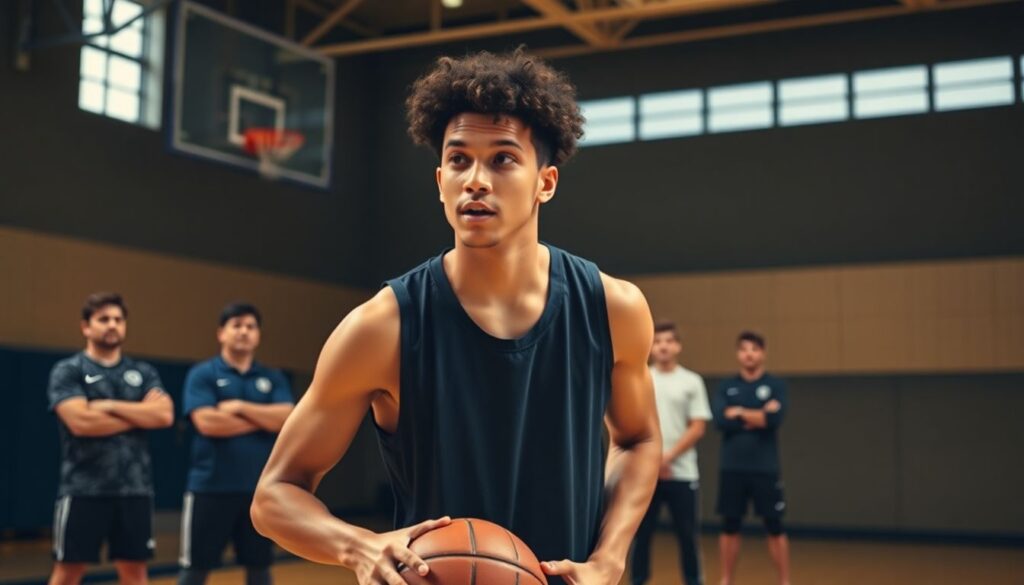
Yes, but it is uncommon and requires performance, reliability, and sometimes roster need aligning at the right time. Focus daily on being a player the staff trusts completely; scholarships usually follow that trust, not the other way around.
How important are grades and off-field behavior for walk-ons?
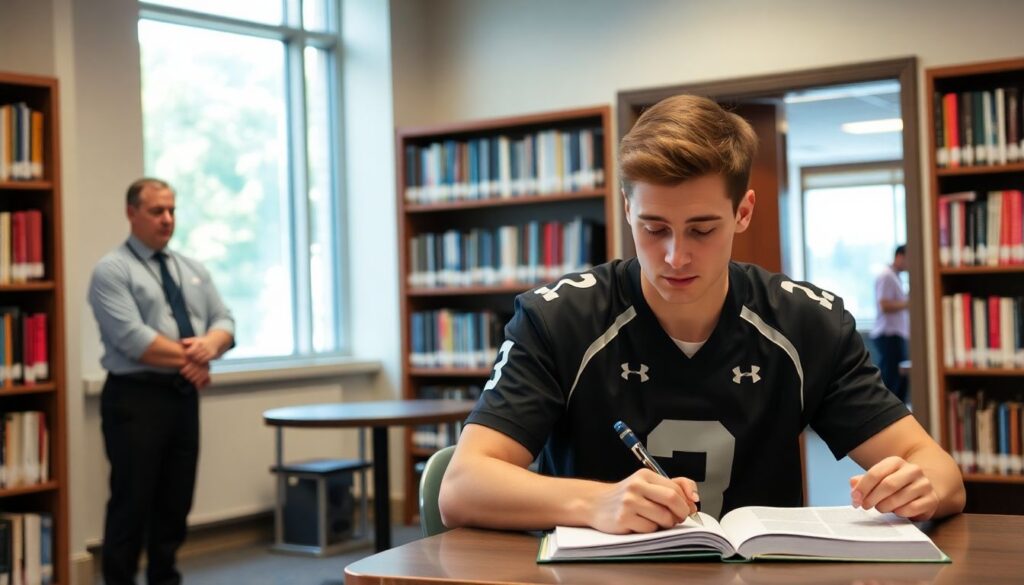
Critical. Coaches are unlikely to risk playing time or scholarships on someone who struggles academically or creates off-field problems. Solid grades and clean conduct make it much easier for coaches to advocate for you.
Should I walk on at a big school or choose a smaller school where I can play sooner?
Decide based on your realistic depth-chart chances, academic fit, financial situation, and long-term goals. Many successful careers started at smaller programs where players could develop with more reps and then explore upward moves later.
What should my highlight film include if I want to walk on?

Show full-speed effort, physicality, and versatility: offense, defense, and special teams if possible. Keep clips clear and labeled, and pair your film with an honest summary of your measurables, grades, and contact information.
How do I stay motivated if I feel overlooked as a walk-on?
Anchor motivation to daily improvement, not attention. Revisit college football walk-on success stories, talk with trusted mentors, and keep a training log that shows your progress over months instead of judging yourself week to week.
Комментарии