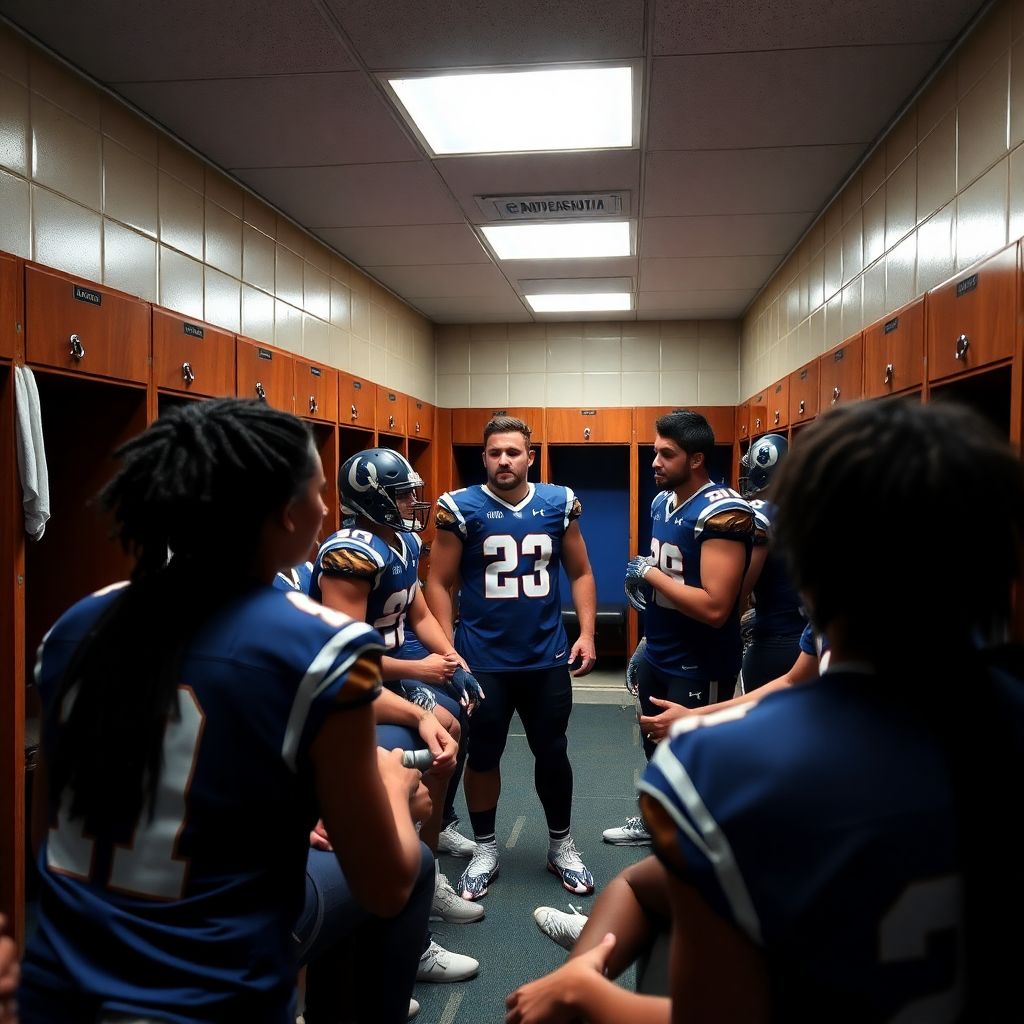
Winning and losing streaks are chains of results powered less by luck and more by how athletes think, feel, and interact under pressure. To manage streaks, define them clearly, focus on controllable behaviors, stabilize confidence, protect locker room standards, and install simple routines that make performances consistent even when emotions spike.
Core psychological mechanisms driving streaks
- Streaks start to feel like a story players are living inside, not just a sequence of games.
- Confidence and self doubt change how athletes interpret every mistake and every success.
- Emotions and body tension alter decision speed, risk taking, and skill execution.
- Team conversations in the locker room amplify either belief or fear between athletes.
- Coaches reinforce streaks when they change standards, roles, or communication too fast.
- Simple mental skills routines can uncouple today’s performance from yesterday’s result.
Defining winning and losing streaks: patterns, thresholds, and measurement
In practice, a streak is not just three or more results in a row; it is a pattern where recent outcomes start to change how people think and behave before and during competition. That psychological shift is what really matters for coaches, captains, and anyone doing team performance coaching services.
For applied work, define a streak by two elements: an objective run of results and a subjective change in mindset. For example, a team might call it a winning streak when players arrive expecting to win and relax too early, or a losing streak when players tense up and play not to make mistakes.
Measurement should therefore include more than the scoreline. Track three layers:
- Results: wins, losses, and quality of opponents.
- Performance quality: execution of key process goals such as defensive rotations, shot quality, or set piece discipline.
- Psychological indicators: confidence ratings, pre game anxiety, communication tone in the locker room.
Actionable takeaway: Write a simple team definition of what counts as a streak, then monitor both results and behaviors so you react to real patterns rather than to emotions after one or two games.
Individual cognition: confidence, momentum, attribution, and self-efficacy
Inside a streak, the most powerful drivers live in individual thinking patterns. Four cognitive processes are especially important for any athlete mindset training program.
-
Confidence loops
After wins, athletes often over trust their game and skip details; after losses, they under trust their training. Both are confidence loops: beliefs about ability change effort, focus, and risk taking, which then confirm the belief. -
Perceived momentum
Momentum is largely a story athletes tell themselves about which way things are trending. When they feel the game is flowing their way, they take assertive actions; when they feel momentum is against them, they hesitate or rush. -
Attribution style
How athletes explain wins and losses to themselves matters. Attributing success to controllable factors such as preparation and effort makes streaks feel buildable. Blaming losses on fixed traits or bad luck makes streaks feel like fate. -
Self efficacy under pressure
Self efficacy is the belief that you can execute a specific skill in a specific situation. On a streak, this belief often becomes situational: an athlete may trust their skills in practice yet doubt them late in a tight game. -
Attention narrowing and bias
During a losing streak, attention narrows toward threats and errors; during a winning streak, it narrows toward opportunities and strengths. In both cases, athletes stop seeing the full picture and miss useful information on the field or court.
Actionable takeaway: Have players write brief, factual post game notes that focus on controllable behaviors and specific skills executed, to stabilize confidence and attribution from game to game.
Social dynamics in the locker room: contagion, norms, and microcultures
Once individuals shift, the locker room amplifies those shifts. Four recurring social patterns often decide whether a streak grows or ends.
-
Emotional contagion
One or two vocal athletes can set the emotional tone. Optimism, panic, sarcasm, or resignation can spread quickly through jokes, side comments, and body language before coaches even speak. -
Norms around effort and accountability
On a winning streak, standards often loosen: players arrive later, focus less in film, or joke through warm ups. On a losing streak, norms can switch to blame, with people protecting themselves rather than the group. -
Informal leadership and cliques
Subgroups form microcultures with their own beliefs about the streak, the coaches, and the season. If key veterans quietly express doubt, others usually follow; if they show calm and ownership, panic tends to stay low. -
Storylines about identity
Teams often create identity phrases such as being strong finishers or slow starters. During streaks, these stories harden and start to guide behavior, sometimes more than the actual game plan.
Actionable takeaway: Build a short, shared language in the locker room for how your team responds to both winning and losing runs, and rehearse it just like any tactical play.
Leadership and communication: coach behaviors that break or sustain streaks
Before exploring pros and cons, it helps to see where the psychology shows up in real decisions. The same patterns you might learn in a sports psychology course online have to be translated into short, clear actions in the locker room.
Brief practical scenarios:
- A head coach uses the same pre game structure during a losing streak, but narrows the focus to three controllable actions rather than emotional speeches about pride or must win pressure.
- An assistant functions almost like a mental performance coach for athletes, quietly checking on body language, breathing, and self talk of key players in the tunnel before the game.
- A captain calls a five minute players only huddle after back to back losses to reset accountability rules and stop side conversations from turning into a negative microculture.
Helpful leadership behaviors during streaks

- Keep routines stable so players feel anchored, while tightening attention on one to three controllable process goals.
- Use clear, calm language that normalizes pressure and frames the next game as a fresh opportunity, not as a verdict on the season.
- Protect standards: do not let a winning streak relax discipline, and do not lower expectations during a losing streak.
- Delegate emotional checks to trusted staff or senior players who can spot rising anxiety or complacency early.
- Offer specific, behavior based feedback instead of global labels about character or talent.
Leadership tendencies that unintentionally extend bad streaks
- Overhauling tactics or lineups after every loss, which signals panic and removes players’ sense of control.
- Relying on fear based speeches that may create short term intensity but build long term tension and hesitation.
- Ignoring emotional undercurrents in the locker room, assuming performance problems are purely technical.
- Publicly blaming individuals instead of clarifying shared responsibilities and system issues.
- Talking only about outcomes like must win games instead of reinforcing the small, repeatable habits that break streaks.
Actionable takeaway: Design a simple communication script for wins and losses and stick to it, adjusting details but not the core tone, so athletes experience stability when results fluctuate.
Practical interventions: psychological skills training and practice design
Many teams now use structured psychological skills training, sometimes with a sports psychologist near me or a remote consultant, but common myths can limit the impact. Avoid these traps when building your own system.
-
Myth: mental skills are only for slumps
Reality: routines should run year round so they are easy to trust during losing streaks. Only introducing breathing, visualization, or self talk tools when things go badly makes them feel like band aids rather than core tools. -
Myth: one team talk will fix streak psychology
Reality: streaks grow from habits. Plan small, repeated interventions, such as a weekly confidence review or brief reset huddles, instead of searching for one magic speech. -
Myth: more intensity always equals better practice
Reality: during losing streaks, overloading intensity can spike anxiety and tighten muscles. Practices should mix high focus segments with controlled, confidence building reps of strengths. -
Myth: mental training must be complex and academic
Reality: short, concrete tools work best with busy athletes. For example, a three breath reset between plays or a one sentence cue for each role is often more useful than long theory discussions. -
Myth: only professionals can coach mindset
Reality: working with a specialist or taking a sports psychology course online can help, but every coach can build simple checklists, language, and routines that support mental skills in daily training.
To build an integrated, practice based system, structure mental tools into three phases:
- Pre practice and pre game: brief visualization of first actions, reviewing controllable goals, and using music or breathing to set intensity.
- During play: between play resets, keyword cues for roles, and quick body checks for tension.
- Post game and review: short reflection on three controllable behaviors done well and one adjustment for next time.
Actionable takeaway: Choose a small set of mental tools, name them clearly, and attach them to specific practice drills so they become automatic rather than something extra athletes must remember.
Monitoring and case analyses: metrics, intervention audits, and examples
Defining streaks and installing tools is only half the work; the rest is monitoring. This is where many teams consider bringing in team performance coaching services or a dedicated mental performance coach for athletes to run reviews alongside tactical meetings.
A simple monitoring loop might look like this:
- Before each week, set three clear process goals for games and practices.
- After each game, rate performance on those goals plus confidence and communication quality on a simple low to high scale.
- Review patterns every few games to spot early signs of streak like thinking, such as fear of mistakes or overconfidence.
- Adjust one or two interventions at a time, such as adding a reset routine or changing the focus of pre game talks.
Brief case style example:
A basketball team loses three games in a row by small margins. Coaches notice players talking about bad luck and referees. Instead of changing the entire offense, the staff creates a mini athlete mindset training program: a pre game focus on late game execution, a between quarters breathing reset, and a post game review focused on two minute closing stretches. Over the next few weeks, results stabilize as players feel they have concrete tools instead of feeling trapped by the streak narrative.
Actionable takeaway: Treat streaks as data, not drama: monitor a few mental and behavioral indicators, then adjust specific routines instead of making sweeping, emotional changes.
Common practical concerns and quick clarifications
How do I talk about a losing streak without making it worse?
Keep language factual and focused on controllable behaviors. Briefly name the streak so it is not taboo, then shift attention to two or three specific actions the team can execute in the next game.
Should youth teams use the same mental tools as pros?
The core ideas are similar, but tools should be simpler and shorter for youth. Focus on basic routines like consistent warm ups, simple breathing, and clear role cues rather than complex psychological models.
When is it worth bringing in a specialist for mindset?

If emotional swings are extreme, conflict in the locker room is growing, or previous efforts have stalled, consider a sports psychologist near me or an online consultant to guide structured interventions and train staff.
Can online learning really help with streak psychology?
Yes, if it is practical and integrated into daily coaching. A targeted sports psychology course online can give coaches frameworks and tools, but these must be translated into drills, scripts, and routines to change behavior.
How do I get buy in from skeptical veterans?
Start by connecting mental tools to performance situations they care about, such as closing tight games. Use short experiments rather than big programs, then highlight how specific tools helped in real moments.
What if only a few players want mindset training?

Begin with those players and let results speak for themselves. Small wins, such as improved composure at key moments, often convince others to join without forcing participation from the start.
Is mindset work different for individual athletes versus whole teams?
Principles are similar, but delivery changes. Individual plans can be tailored with a mental performance coach for athletes, while team plans focus more on shared language, norms, and coordinated routines across positions.