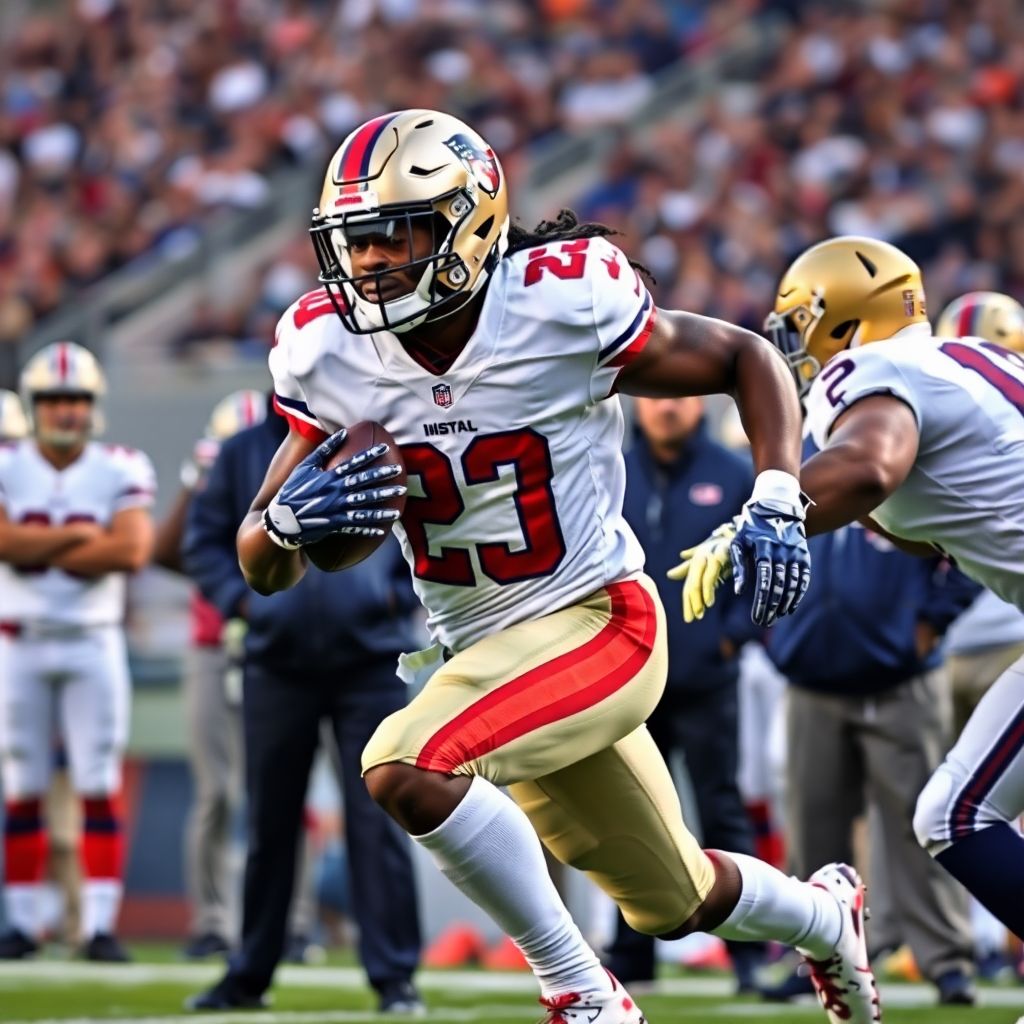
First-year NFL players change games when talent, opportunity, and scheme align. “Rookie impact” means how much a newcomer immediately shifts wins, efficiency, and game plans, not just highlight stats. Rookies matter most where touches and snaps are concentrated, coaches simplify roles, and veterans plus staff protect them from overuse and mental overload.
Debunking Rookie Myths: What First-Year Stars Actually Change
- Myth: Rookies rarely matter in year one. Reality: When starters get injured or depth is thin, first-year players can anchor entire units and swing close games.
- Myth: Only quarterbacks truly shift franchises. Reality: Edge rushers, corners, and left tackles often change protection schemes and route concepts more immediately than a developing passer.
- Myth: Early big stats always equal long-term stardom. Reality: Usage spikes, weak competition, and unsustainable touchdowns can inflate rookie numbers without guaranteeing growth.
- Myth: Veterans always finish drives in the red zone. Reality: Coordinators increasingly script red-zone looks specifically for explosive rookies to stress defenses horizontally and vertically.
- Myth: Rookies only matter on bad teams. Reality: Contenders use them in specialized packages that create matchup problems and keep game plans unpredictable.
- Myth: You can read rookie value only from box scores. Reality: Coverage shifts, double-teams, and fewer blitzes against a line are impact signals that do not show in basic stats.
Why Early Playing Time Translates to Team Momentum
Early playing time is the gateway for a rookie to create real NFL impact. Without snaps, talent stays theoretical. With defined roles and steady usage, first-year players can influence game flow, dictate matchups, and shift how opponents call plays week to week.
Team momentum in this context means sustained stretches where a unit consistently wins matchups, stays on schedule, and forces opponents to adjust. A rookie wide receiver who consistently wins one-on-one, or a corner who discourages certain throws, nudges an offense or defense into more favorable situations repeatedly, not just via occasional big plays.
Coaches often script early touches for rookies to build confidence and test how defenses react. If opponents roll coverage or adjust protection, coordinators gain leverage: other playmakers face softer looks, and the call sheet opens up. That is why rookies can matter even with modest stat lines; their presence can rewire defensive priorities.
For fans, bettors tracking 2024 NFL Rookie of the Year odds, and collectors hunting the best NFL rookie cards to invest in 2024 or NFL rookie trading card boxes 2024, the key is not a single viral highlight. It is whether the rookie’s snap share, role, and usage trend upward as coaches trust them more.
Position-by-Position Breakdowns: Where Rookies Matter Most
- Quarterback: Touches the ball every snap, so even small improvements in timing, reads, and pocket movement shift overall efficiency. However, protection, play calling, and supporting talent can cap how far a rookie can carry an offense.
- Wide receiver and tight end: Explosive plays and coverage manipulation come quickly if the route tree is simplified and timing with the quarterback develops. Rookies at these spots can flip field position on a handful of touches.
- Running back: Easiest spot for immediate production when run concepts are clear and pass protection rules are digestible. A rookie back’s vision and burst can stabilize an offense struggling with down-and-distance consistency.
- Offensive line: Less visible yet crucial. Rookie tackles and centers can redefine protection calls and run-game angles, but mistakes are punishing. Coaches often give them help via tight ends, chips, and condensed splits.
- Edge rusher and defensive line: First-year rushers impact games quickly with pressure and disruption, even without high sack totals. They change how offenses slide protection and how quickly quarterbacks are willing to hold the ball.
- Cornerback and safety: Rookie defensive backs alter coverage options. If they can survive on an island or process route combinations quickly, coordinators unlock heavier blitz packages and tighter man coverage.
- Special teams roles: Returners, gunners, and personal protectors provide field-position advantages and hidden yardage. These contributions often tilt close games even if they never appear in fantasy football rankings 2024 rookie sleepers lists.
| Position Group | Typical Rookie Impact Window | Most Visible Effect | Hidden Impact Marker |
|---|---|---|---|
| Quarterback | Gradual across the season | Yards, touchdowns, turnovers | Pre-snap control, protection checks, fewer delay penalties |
| Receiver / Tight End | Early in scripted drives | Chunk plays and targets | Coverage shifts, bracket looks, motion responses |
| Running Back | Immediate in simplified schemes | Rushing totals and yards per carry | Down-and-distance stability, blitz pickup reliability |
| Offensive Line | Steady improvement with reps | Sacks allowed and penalties | Cleaner pockets, more inside runs staying on track |
| Edge / Defensive Line | Spikes on passing downs | Sacks and tackles for loss | Hurried throws, forced rollouts, double-teams drawn |
| Secondary | Builds as trust grows | Pass breakups and interceptions | Fewer deep attempts, tighter windows, pressure unleashed |
Quick Sideline Takeaways for Fans, Bettors, and Collectors
- Watch snap counts and alignments, not just box scores; growing roles matter more than one big game.
- For fantasy football rankings 2024 rookie sleepers, prioritize rookies whose teams lack entrenched starters at their position.
- If you track 2024 NFL Rookie of the Year odds, monitor how often coaches script plays specifically for that rookie in early drives.
- Collectors chasing the best NFL rookie cards to invest in 2024 should focus on players with expanding usage, not only on early-season hype.
- Merch buyers looking at NFL rookie jerseys for sale can use the same signal: if coaches trust a rookie in key situations, their relevance tends to last.
- When buying NFL rookie trading card boxes 2024, research which rookies have clear paths to starting roles; volume of opportunity fuels card demand.
Statistical Indicators That Predict Immediate Impact
Several recurring indicators suggest a rookie is poised for real first-year influence. None guarantee stardom, but together they tilt the odds that a player moves quickly from depth piece to a core contributor.
- Snap share trending upward: A rising percentage of offensive or defensive snaps shows coaches trust the rookie’s assignments. Even if touches or targets lag slightly, growing playing time is the primary early signal.
- High-leverage usage: Targets and carries on third down, red zone work, and two-minute drills reveal how a staff truly values a rookie. These plays reflect game-deciding trust, not just scripted opportunities.
- Alignment versatility: Rookies who line up at multiple receiver spots, shift between defensive back roles, or move along the front create matchup problems. That flexibility keeps them on the field regardless of game script.
- Efficiency over volume: Explosive play rates, pressure rate for rushers, and completion rate when targeted provide a cleaner read than raw totals, which can be inflated or depressed by game flow.
- Stability against stronger opponents: When production and assignment soundness hold up against top defenses, complex disguises, or elite pass rushers, the rookie’s impact profile is more sustainable.
- Special teams trust: Early roles on coverage or return units show the staff sees a rookie as reliable and tough, which often leads to offensive or defensive promotions.
Case Studies: Rookie Seasons That Shifted Franchises
Some rookie seasons go beyond good numbers and actively reset expectations for a franchise. These first-year campaigns often share patterns: clear opportunity, immediate role clarity, a scheme tailored to strengths, and veteran support structures that keep mistakes from snowballing.
Benefits of a High-Impact Rookie Season
- Injects belief into a locker room, signaling that the current core can compete without a long rebuild.
- Attracts complementary free agents who see a rising foundation to join.
- Gives coordinators more aggressive play-calling options thanks to new matchup advantages.
- Generates commercial and fan momentum, boosting interest in team gear and rookie-focused collectibles.
- Allows front offices to redirect future draft capital away from a solved position toward weaker spots.
Constraints and Hidden Downsides
- Over-reliance on a single rookie can mask systemic roster issues that resurface when game plans adjust.
- Heavy usage early in a career can raise injury risk or slow long-term development if recovery is not managed.
- Short-term success may push teams into contract and cap decisions built on small samples.
- Media and fan expectations can outpace actual growth curves, inviting backlash during inevitable slumps.
- Coaches might hesitate to evolve schemes away from what worked in year one, limiting future adaptability.
Coaching and Scheme Fit: Unlocking First-Year Potential
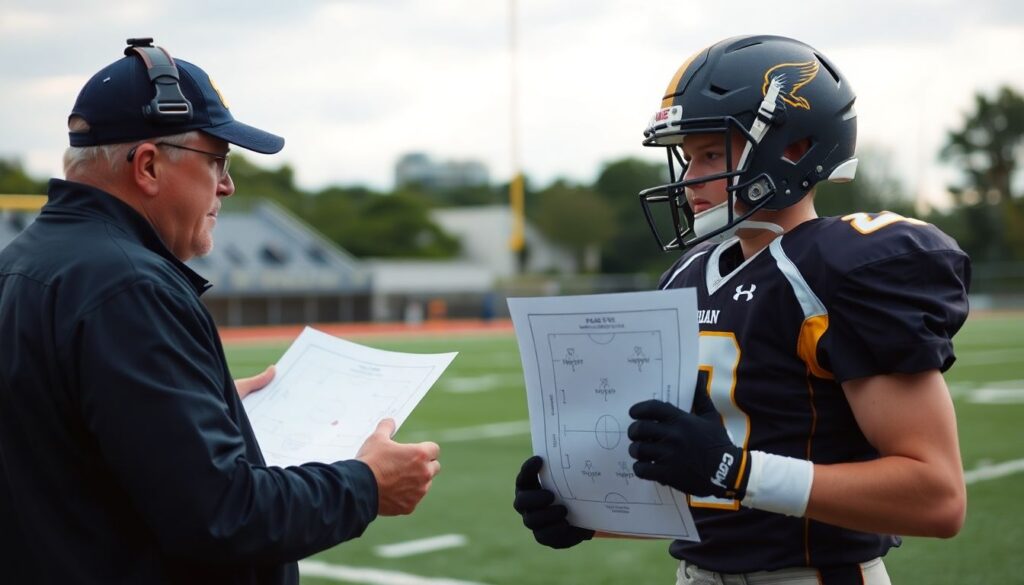
Coaching philosophy and scheme fit often determine whether a rookie looks lost or transformative. Good staffs adapt playbooks to what a rookie already does well and steadily layer complexity, instead of forcing them into rigid systems meant for veterans.
Common Mistakes and Misread Myths
- Myth: Talent overcomes any playbook – Complex route trees, protection rules, or coverage checks can neutralize even elite rookies if coaches dump the entire system on them at once.
- Myth: Rookies must be “position pure” – Keeping a versatile player in a single spot can waste their multiplicity; using motion, varied alignments, and hybrid roles often accelerates impact.
- Myth: Tough love builds faster – Public callouts and early benchings can erode confidence. Private corrections plus defined, attainable roles tend to produce steadier first-year growth.
- Myth: Veterans always deserve key snaps – Deference to experience can delay necessary transitions. Balanced rotations based on performance, not tenure, surface rookie value sooner.
- Myth: Consistency only comes from limiting usage – Overprotecting a rookie can stunt processing development. Controlled exposure in different situations is how they learn to adapt in real time.
Injury, Consistency, and Longevity: Managing Rookie Risks
Rookie impact means little if it burns out quickly. Teams must balance immediate production with long-term durability and mental bandwidth, especially for players stepping from shorter college seasons into pro workloads.
A simple way to think about responsible rookie usage is to treat it like a repeatable checklist rather than a guessing game:
For each rookie game week:
    1. Confirm medical baseline and fatigue signals.
    2. Define a realistic snap range and key packages.
    3. Script early touches or targets to gauge how defenses respond.
    4. Monitor in-game performance and communication quality.
    5. If technique or focus drops, simplify assignments, do not just cut snaps.
    6. Review post-game film for overload signs and adjust the next week.
Consider a first-year edge rusher who flashes with early sacks. If coaches steadily expand his role from third-down sub to every-down starter without adjusting practice intensity or conditioning, late-season dips or soft-tissue injuries become more likely. When staffs instead cap snaps, rotate packages, and build recovery windows, that rookie has a better chance to sustain pressure, stay healthy, and deliver impact beyond the first highlight month.
Persistent Questions Around First-Year Players
How quickly can a rookie realistically change an NFL team’s fortunes?
A rookie can tilt outcomes as soon as they earn steady snaps in high-leverage situations like third down and the red zone. True franchise-level change usually builds across a season as coaching adjusts and teammates adapt to the new skill set.
Which rookie positions are safest to trust early in fantasy formats?
Running backs and receivers with clear paths to starting roles are generally safer for early fantasy use. Quarterbacks, tight ends, and offensive linemen often need more time to adjust to pro-level complexity before delivering consistent production.
Why do some hyped rookies start strong and then fade?
Defenses gather film, scheme specifically to remove first options, and test weaknesses. If coaches do not expand the rookie’s tools and counters, early tendencies become predictable and efficiency drops even if talent remains the same.
How should I evaluate rookies when considering NFL rookie jerseys for sale or collector items?
Look beyond one or two big games and focus on role stability, snap trends, and how often coordinators design plays around them. Players whose coaches clearly treat them as foundational pieces tend to sustain relevance longer.
Do strong rookie seasons guarantee long-term stardom?
No. Early success is encouraging but not definitive. Injuries, coaching changes, scheme shifts, and league adjustments all influence whether a strong rookie year becomes a long career arc or a brief peak.
Are late-season rookie surges more trustworthy than early breakouts?

Late surges can be more sustainable because they happen after defenses have adjusted and the rookie has seen varied looks. However, context matters; sometimes late production comes against depleted or less competitive opponents.
How can I spot undervalued rookies other people are overlooking?
Track snap share, high-leverage usage, and coaching comments about assignment trust. Rookies quietly gaining roles on special teams or in situational packages often become broader contributors before public perception catches up.