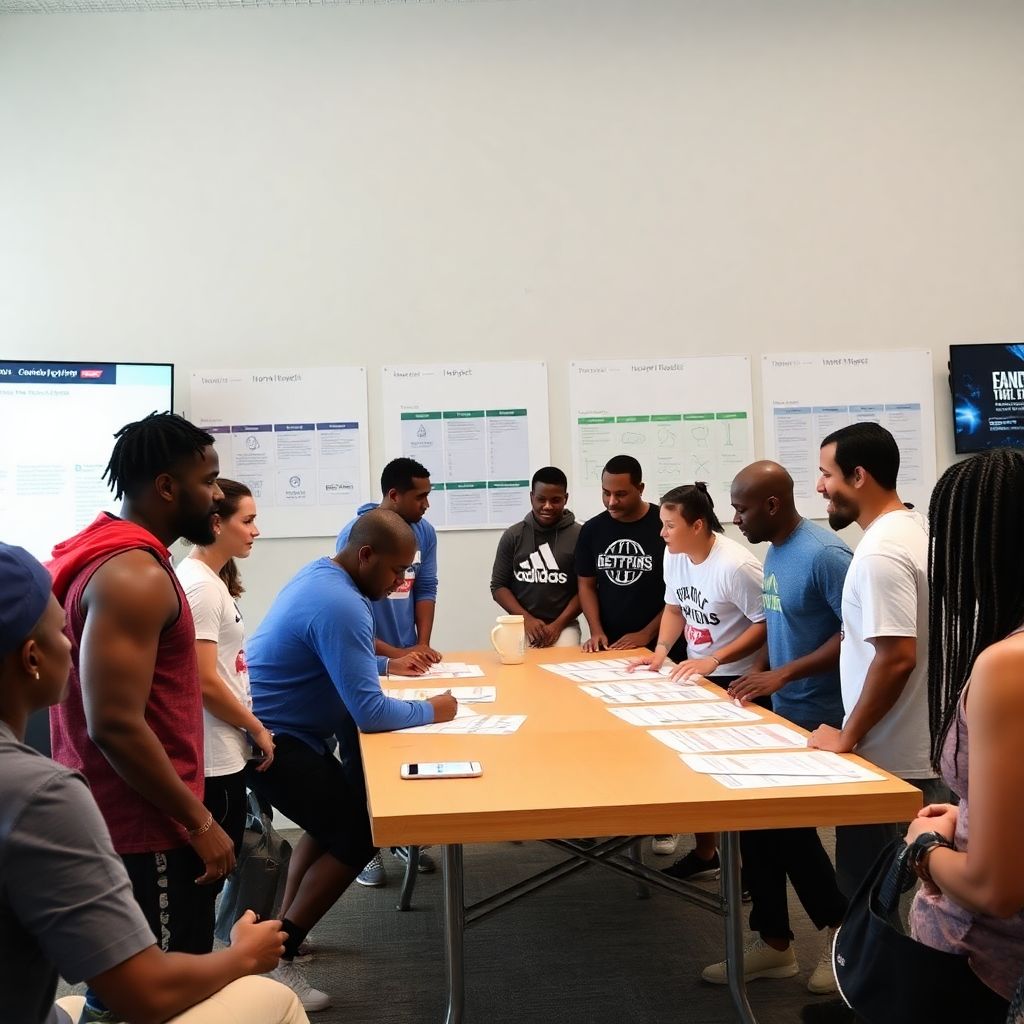
Athletes can drive social change off the field by aligning causes with their values, designing focused community programs, and using media intentionally rather than reactively. Start small, define a specific outcome, work with credible partners, protect your legal and brand risk, and measure impact so athletes social impact initiatives become sustainable, not symbolic.
Core Strategies Athletes Use to Create Measurable Social Impact
- Choose one clear cause that matches your story, identity, and competitive schedule.
- Build a simple, repeatable program instead of one‑off events or posts.
- Use social and traditional media to tell beneficiary stories, not just your own.
- Partner with experienced nonprofits, brands, and leagues to add structure and safeguards.
- Set 3-5 basic metrics to track progress and report them publicly each season.
- Prepare for backlash with clear values, talking points, and legal guidance.
- Look beyond charity to policy, advocacy, and institutional change when appropriate.
Building Authentic Advocacy: Align Causes with Personal Values and Brand
This approach fits players who already feel a strong pull toward a cause and are ready to be publicly associated with it for years, not weeks. It works especially well when your game persona and off‑field message reinforce each other instead of competing for attention.
Clarify your authentic positioning before you launch any sports stars charity work and foundations or campaigns:
- Map your lived experience: family background, hometown, education, injuries, discrimination, or support you received. Causes tied to lived experience are easier to defend and sustain.
- Define your core values in plain language: for example, opportunity, safety, education, mental health, or gender equity. Limit yourself to three values you are willing to discuss repeatedly in public.
- Audit your current brand: sponsors, past posts, media coverage, game style. Check where your image already overlaps with your chosen cause and where there is visible tension or contradiction.
- Choose one flagship issue: for instance, youth sports access, racial justice, food security, or clean water. This becomes the through‑line across interviews, posts, camps, and partnerships.
- Set boundaries for activism: topics you will address, topics you will decline, and how far you are willing to go (statements, campaigns, boycotts, lobbying). Share those boundaries with your agent and communications team.
When should you not launch a high‑profile advocacy push?
- When you are unsure about the facts or history behind how athletes use their platform for social justice in your chosen area.
- When your off‑field behavior or pending legal issues directly contradict the cause narrative.
- When your main motivation is short‑term publicity, reputation repair, or contract leverage.
- When key stakeholders (team, league, agent) flag clear safety or legal risks you have not mitigated.
Designing Sustainable Community Programs: Needs Assessment to Impact Measurement
Before building brand partnerships with athlete-led community programs or launching a foundation, assemble basic capabilities and tools so you do not over‑promise and under‑deliver.
Core requirements you and your team will need
- Time and access
- Two to four committed people (agent staff, family, or trusted advisors) with weekly availability.
- Clear permission from your club or league for appearances, logo use, and media engagement.
- Local insights and community data
- Introduction to at least one established community organization already working on your issue.
- Recent local assessments or reports about needs in your target area (schools, neighborhoods, clubs).
- Basic program design skills
- Someone who can turn your idea into a simple logic model: inputs → activities → outputs → outcomes.
- Ability to write a one‑ to two‑page concept note understandable to funders and NGOs.
- Lightweight measurement and evaluation (M&E) tools
- Simple sign‑in sheets or digital forms to track who participates and how often.
- Short pre‑ and post‑surveys with a few outcome questions (e.g., sense of safety, attendance, skill confidence).
- Secure storage for data and a clear privacy policy.
- Financial and legal structure
- Decision whether to work through an existing nonprofit, your own foundation, or fiscal sponsor.
- Separate bank account, transparent bookkeeping, and annual financial reporting.
- Legal review for waivers, insurance, and safeguarding policies, especially for youth programs.
Example M&E indicator set for a youth sports program
- Outputs: number of training sessions held, participants per session, number of coaches trained.
- Short‑term outcomes: change in school attendance for participants; self‑reported confidence; knowledge of nutrition or injury prevention.
- Medium‑term outcomes: retention in sport after one season; referrals to scholarships or education programs.
Amplifying Voice: Effective Use of Media, Social Platforms and Storytelling

Public communication can amplify your impact but also multiplies risk. Before following any steps, consider these constraints:
- League and team media policies may limit political statements or commercial mentions.
- Online harassment and doxxing risks increase with strong positions; plan for personal and family safety.
- Misinformation spreads quickly; always verify facts and avoid naming individuals without legal advice.
- Sponsored content must follow advertising and endorsement rules in your jurisdiction.
Once you understand the boundaries, follow this structured sequence to communicate safely and effectively.
- Define one communication objective per campaign. Decide if your goal is to raise awareness, mobilize sign‑ups, influence a vote, or secure funding. Connect the objective to a tangible program outcome (for example, filling 100 camp spots or recruiting five new mentors).
- Segment your audiences. Think beyond follower counts:
- Primary: beneficiaries and their families.
- Secondary: fans, teammates, and local community members.
- Influencers: journalists, civic leaders, and potential funders.
Tailor language, images, and calls to action for each group.
- Choose your safest primary channels. For many players, this means using existing social accounts plus controlled appearances (team site, trusted podcasts). If discussing sensitive topics like protests or elections, avoid live streams without moderation and stick to pre‑recorded statements that your team has reviewed.
- Craft a simple, repeatable story arc. Use a three‑part structure:
- Problem: what is happening in your community.
- Personal link: why it matters to you as an athlete and person.
- Action: what your initiative does and how people can safely get involved.
Keep key phrases consistent across platforms so journalists quote you accurately.
- Coordinate with partners and sponsors. When corporate sponsorships with socially active athletes are involved, share your campaign calendar, talking points, and red‑line topics. Align hashtags, visuals, and donation or sign‑up links so that each post points back to credible information and official channels.
- Schedule releases and monitor reactions. Plan announcement, follow‑up, and closing posts with space to adjust if crises or major news events arise. During the campaign, monitor comments for threats, hate speech, or misinformation, and have a clear escalation plan (reporting, blocking, or involving security and legal teams).
- Close the loop with results and gratitude. Share honest outcomes: numbers served, lessons learned, and next steps. Credit community partners and volunteers. This builds trust and shows that your communication is tied to real work, not just branding.
Structuring Partnerships: How to Work with NGOs, Foundations and Corporate Sponsors
Use this checklist to verify that partnerships around your initiative are healthy, aligned, and low‑risk before you sign anything.
- The NGO or foundation partner has a clear mission, track record, and publicly available financials.
- Roles and responsibilities are written: who handles program delivery, communication, data, safeguarding, and finances.
- There is a simple term sheet covering duration, exit options, and review points for the collaboration.
- Your image and name usage are explicitly defined and limited to agreed contexts.
- All payments, in‑kind support, and donations are documented and traceable.
- Brand control is balanced: no partner can imply your endorsement of issues you have not approved.
- There is a crisis plan outlining who speaks, on what channels, and with what approval process if problems arise.
- The partnership respects league and team rules, as well as local laws on fundraising and advertising.
- Measurement and reporting responsibilities are assigned, with timelines for sharing impact data.
- The collaboration complements, rather than duplicates, existing athletes social impact initiatives in your area.
From Pitch to Policy: Tactics for Civic Engagement and Institutional Influence
Moving from charity to policy requires more caution. These are frequent mistakes athletes make when they push for institutional change.
- Confusing political party promotion with issue‑based advocacy, which can alienate broad fan bases and violate league policies.
- Engaging with policymakers or officials without preparation, resulting in vague asks and superficial photo opportunities.
- Announcing big policy goals publicly before building coalitions with community groups who work on the issue daily.
- Underestimating how statements about justice, policing, or elections will be framed by media, especially in polarized environments.
- Failing to separate personal social accounts from organizational channels, which blurs lines of responsibility.
- Assuming one meeting, boycott, or speech will change laws, instead of planning for long‑term, stepwise engagement.
- Not tracking or disclosing when lobbying rules, gift laws, or campaign finance regulations apply to their actions.
- Ignoring the emotional load of constant advocacy without mental health support or scheduled recovery time.
Risk Management and Compliance: Handling Backlash, Legal Constraints and Reputation
When direct, public activism feels too risky, there are safer alternatives that still create value.
- Quiet funding and capacity building: Provide resources to trusted organizations already working on your cause without front‑facing campaigns. You focus on strengthening programs; they manage visibility and advocacy.
- Team‑ or league‑level initiatives: Work through collective platforms where responsibility and exposure are shared. This reduces individual targeting and can align with existing community relations departments.
- Thematic, not partisan messaging: Frame your work around widely accepted principles like safety, opportunity, and inclusion, rather than specific parties, candidates, or polarizing slogans.
- Storytelling through art and culture: Support documentaries, books, exhibits, or local arts projects that highlight community voices. This keeps focus on lived experiences rather than your personal opinions alone.
Practical Concerns and Rapid Clarifications for Player-Led Initiatives
Do I need my own foundation to start community work?
No. You can begin by partnering with existing nonprofits or using a fiscal sponsor. This often reduces cost, admin burden, and compliance risk compared with immediately launching a new legal entity.
How much time should I realistically commit during the season?
Design programs so that your visible involvement (appearances, media, content) fits into narrow windows around training and games, while partners handle day‑to‑day operations. Consistency matters more than total hours.
Can sponsors influence which causes I support?
Sponsors may have preferences or restrictions, but your values should lead. Discuss boundaries early and include them in contracts so that corporate sponsorships with socially active athletes remain aligned with your priorities and safe for all parties.
What if my team or league discourages public activism?
Review your contract and media policies with a lawyer or players association. In some cases, focusing on less controversial community work or behind‑the‑scenes support is a safer starting point.
How do I avoid “performative” activism?
Connect every public statement to a specific, tangible action: a program, donation, training, or policy ask. Listen to community partners, share results honestly, and adjust based on feedback rather than chasing headlines.
Is it safe to engage in conversations about social justice online?

Safety varies by context. Use privacy settings wisely, avoid sharing personal details like home location, and have a plan to handle harassment. When discussing sensitive issues, focus on verified information and avoid incitement or personal attacks.
How can I evaluate potential brand partnerships with athlete-led community programs?

Check alignment with your cause, transparency of money flows, and the partner’s track record. Insist on written terms that protect your name, image, and long‑term reputation before joining or endorsing programs.
Комментарии