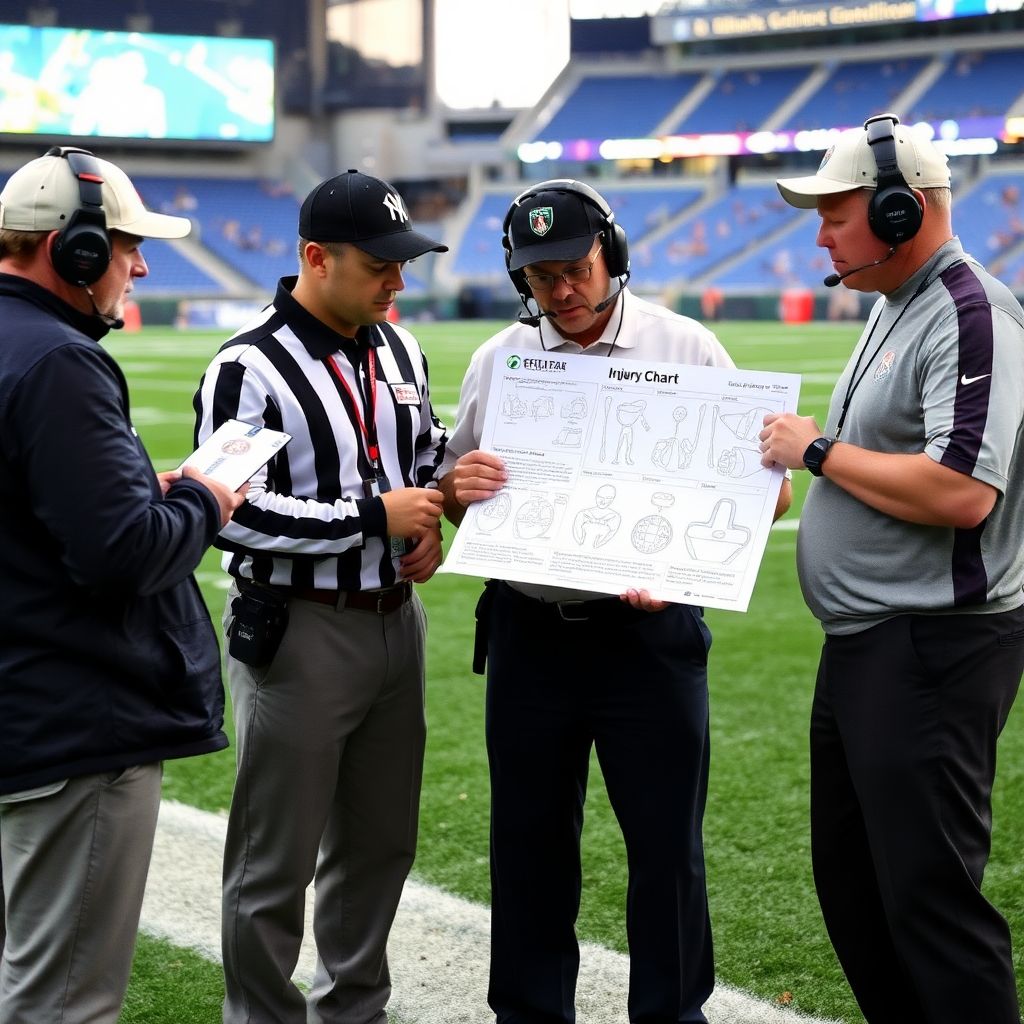
Rule changes improve player safety only when they clearly reduce dangerous contacts, are enforced consistently, and are tracked with real injury data. Go beyond headlines by mapping each rule to specific risk scenarios, adjusting coaching and equipment, and reviewing injury trends every season to fine‑tune the regulations.
Immediate safety implications of rule changes
- Every rule must target a specific injury mechanism, not just look safer on paper.
- Coaching, officiating, and equipment updates decide whether the rule works in real games.
- Injury logs before and after implementation show whether risk truly drops.
- Clear language and video examples reduce confusion and unintentional violations.
- Player feedback highlights new unintended risks created by the rule.
- Regular review prevents outdated rules from blocking better safety innovations.
Mechanisms: How rule changes affect injury patterns
Rule changes influence player safety by reshaping behavior in specific, repeatable situations. To understand the impact, do not start with the wording of the rule; start with the injury patterns you want to change. Then connect those patterns to what players, coaches, and officials actually do under pressure.
First, define the target scenario. For example, an NFL rule changes player safety impact discussion often focuses on high‑speed collisions: kickoffs, blind‑side blocks, and hits on defenseless receivers. Other sports may target checking near the boards, slide tackles from behind, or head‑to‑head clashes on aerial duels. Each scenario involves typical speeds, angles, and body parts that take the hit.
Second, map the behaviors that cause harm. Is the problem late contact, leading with the helmet, twisting falls, or pile‑ups that trap joints? This is where a basic sports injury prevention rule change analysis starts: list the two to three behaviors that, if reduced, would likely reduce injury in that specific play type.
Third, design rule elements that directly push behavior in a safer direction:
- Deterrence: penalties, fines, suspensions, or loss of field position that make risky choices clearly not worth it.
- Constraints: bans on techniques (for example, tackling above the shoulders) or on vulnerable situations (for example, blind‑side blocks to the head or neck).
- Procedures: new steps such as mandatory stoppage for suspected concussions, or required equipment checks before games.
- Field or roster conditions: changes to formation, distance, or number of players that reduce speed or congestion.
Fourth, consider equipment interaction. A change in football helmet safety regulations latest rules may make leading with the head feel less painful, which can unintentionally encourage risky technique unless the rules and coaching clearly counter that tendency. Equipment and rules must point in the same safety direction.
Finally, remember that rule changes rarely shift injury patterns evenly. They tend to reduce specific acute injuries while sometimes increasing others (for instance, fewer head hits but more lower‑body tackles). The goal is not zero injury, which is impossible, but a meaningful shift away from the most severe and preventable harm.
Evidence: Measuring player harm and protective effects
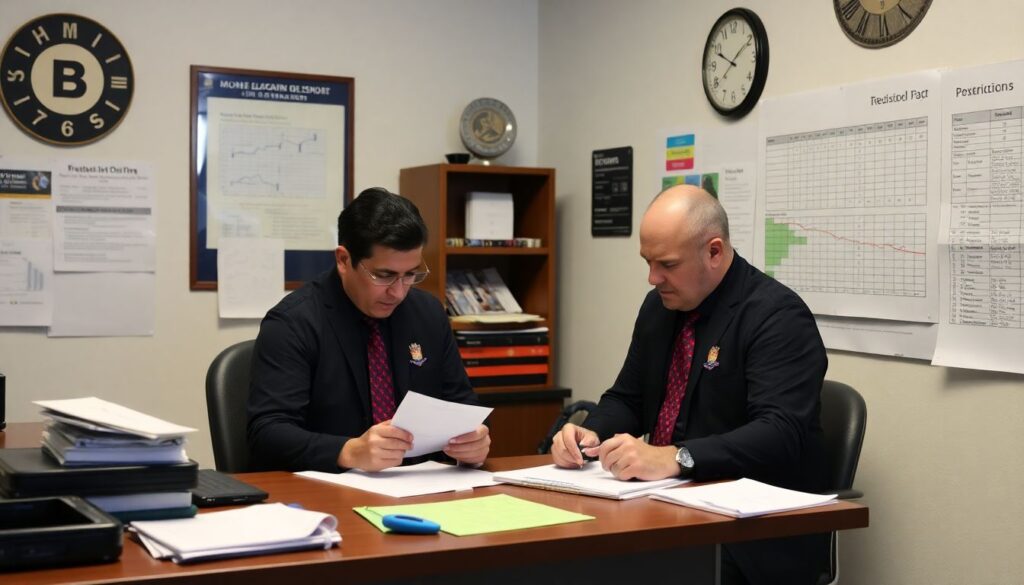
To judge whether a rule change is working, you need a basic measurement plan, even in smaller leagues without big analytics departments. Aim for simple, repeatable numbers that track how behavior and injuries change over time.
-
Baseline and follow up injury logs
Before a new rule starts, capture at least one season of structured injury data: type of injury, body part, mechanism (for example, tackle from front, fall, collision), and return to play time. After implementation, track the same categories. The key is consistency: same definitions, same recording process, and the same level of attention every week. -
Event counts linked to the rule
Count the specific events the rule targets. If you change kickoff rules, log how many returns, touchbacks, and high‑impact tackles occur. If you adjust checking rules in hockey, log number of checks, penalties for illegal checks, and video‑confirmed dangerous hits. This is the core of hands‑on sports injury prevention rule change analysis. -
Penalty and enforcement metrics
Track how often officials call the new rule, in which game phases, and against which positions. Low call counts can mean either excellent compliance or poor enforcement. Video review with the officiating team helps you understand which it is. Sudden drops in penalties over weeks can signal either improved behavior or creeping leniency. -
Return to participation and medical flags
Especially for concussion protocol rule changes in professional sports and amateur leagues, monitor how long players stay out after suspected brain injury, how many are re‑evaluated, and how many return in the same game. Even simple yes or no flags in team medical logs provide valuable trends about how strictly protocols are applied. -
Qualitative feedback from field staff
Short, structured debriefs with coaches, athletic trainers, and referees add context to the numbers. Ask the same three short questions every month: where the rule clearly helped, where it created confusion or risk, and what change would make it easier to enforce safely. -
Equipment compliance observations
Because equipment safety standards compliance for sports leagues shapes how well safety rules work, inspect a sample of helmets, pads, and other gear each month. Note fit, visible damage, and whether any modifications undermine intended protection. Record violations and how quickly they are fixed.
Lessons from practice: Case studies across sports
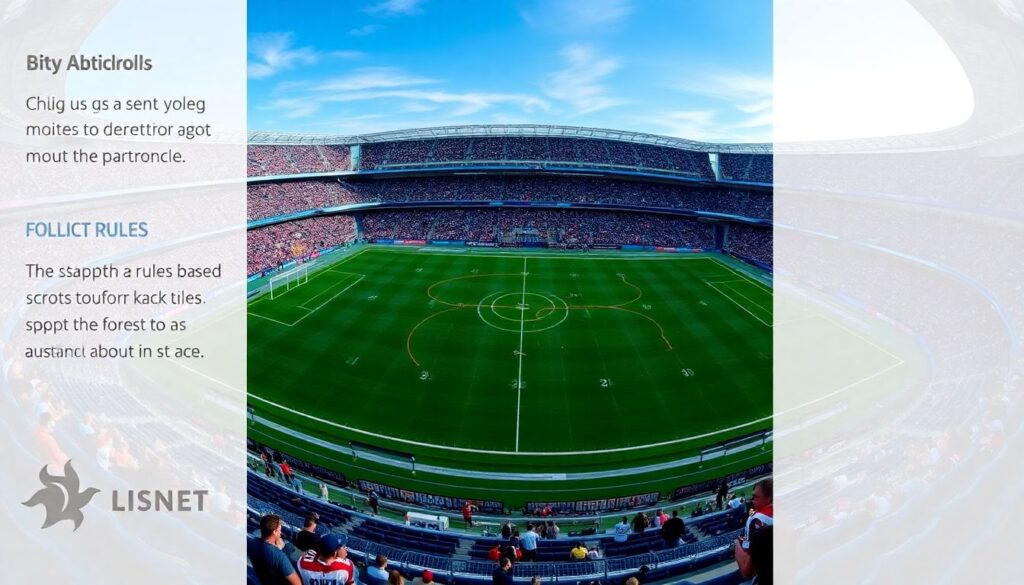
Experiences from different sports show how targeted rules can reshape risk. Use these patterns as templates rather than one‑for‑one copies; each league has its own culture, player size, and game tempo.
1. American football kickoff modifications
Many leagues have experimented with moving the kickoff spot, limiting run‑up distance, or incentivizing touchbacks. The idea is clear: reduce high‑speed, long‑distance collisions. Where these changes are paired with coaching that teaches safer coverage angles and better return decisions, collisions in open field tend to become less frequent and less severe. Where coaching and officiating do not adapt, players find new ways to generate speed and collisions move a few yards but still occur.
2. Targeting and hits to the head
Stricter penalties for contact to the head or neck area, especially on defenseless opponents, aim to reduce catastrophic brain and spine injuries. In many cases, this has pushed defenders to tackle lower, which can slightly increase certain leg injuries while reducing head trauma. A serious NFL rule changes player safety impact discussion highlights exactly this tradeoff: do you clearly communicate that lower‑body risk is more acceptable than damage to the brain and cervical spine, and have you trained tackling form accordingly?
3. Concussion substitution and assessment protocols
Mandatory removal from play for suspected concussion, with neutral medical staff and clear return‑to‑play steps, has changed sideline dynamics. Players learn that lying about symptoms does not guarantee continued playing time, because independent evaluators control the decision. This form of concussion protocol rule changes in professional sports is now spreading into college and youth systems, with variations depending on resources. The key lesson: protocols must be simple enough to execute under game pressure and backed by the league in disputes.
4. Checking and board contact in ice hockey
Adjustments to body checking rules, especially for youth players, have shown that delaying the age of first contact and punishing checks from behind can lower severe injuries without breaking the sport. However, when contact is removed without adding good techniques for angling, balance, and safe falls, players can reach older age categories with poor skills and then see a spike in injuries when contact is reintroduced.
5. Equipment and field dimension rules
Changes in stick curvature, bat materials, or field sizes can reduce ball speed and collision zones. However, unless equipment safety standards compliance for sports leagues is actively monitored, creative modifications creep in and re‑introduce old risks. The lesson: whenever you change equipment‑related rules, plan for inspection, education, and consequences from day one.
Design principles for safety-focused rulemaking

Effective safety rules share common design patterns. Think of them as a checklist you run each time someone proposes a new regulation, whether you work in a small club or a major league office.
Advantages of clear, safety‑driven rule changes
- Direct link to specific injuries: each rule is tied to a documented injury pattern, such as repeat concussions on certain plays, rather than vague fear of danger.
- Actionable for coaches and officials: language translates into specific coaching points and decision criteria for referees, supported by video clips.
- Alignment with equipment standards: new football helmet safety regulations latest rules and similar requirements are synchronized with on‑field technique expectations, so equipment does not encourage risky behavior.
- Built‑in review schedule: every rule includes a simple plan for how and when it will be evaluated and possibly revised, avoiding permanent lock‑in of experimental ideas.
- Transparent communication: players and coaches know why the rule exists, which injuries it intends to prevent, and how compliance will be monitored.
Limitations and risks if design is weak
- Unintended behavior shifts: banning one technique without providing a safe alternative can push players toward other risky actions, simply moving the injury risk.
- Enforcement gaps: if referees find the rule unclear or impractical at game speed, they will avoid calling it, signaling to players that the rule does not matter.
- Rule fatigue: frequent, poorly explained changes cause frustration and quiet resistance, especially when rules appear driven by optics rather than injury data.
- Equity concerns: rules can disproportionately affect certain positions, body types, or levels (for example, smaller amateur defenders asked to tackle larger pros in the same way), creating perceived unfairness.
- Paper compliance only: manuals and official statements look excellent, but on‑field behavior, medical decisions, and equipment checks do not change in practice.
To design better rules, insist on one simple requirement: for each proposed change, write down in one sentence which injury risk it reduces, how it changes player actions, and how you will know within a season whether it worked.
Operational hurdles: Enforcement, compliance and training
Even strong rules fail if day‑to‑day execution is weak. The most common problems live not in policy documents, but in how staff interpret and apply the regulations during busy competitions.
-
Inconsistent officiating between crews
Different referee crews may call the same contact either legal or illegal, especially soon after a rule change. This inconsistency confuses players and coaches and can increase risk when some adapt to the stricter interpretation and others do not. Regular joint video sessions and a clear interpretations memo reduce this variability. -
Coaches teaching around the rule instead of with it
Some coaches search for loopholes, adjusting tactics to maintain physical advantage while staying just inside the wording of the rule. This can reintroduce dangerous mechanics. Early engagement of coaches in rule design and providing them with teaching clinics that emphasize safe alternatives are crucial steps. -
Limited understanding of medical protocols
Even when leagues adopt strong concussion protocol rule changes in professional sports and amateur settings, bench staff may not fully understand the steps, time frames, or authority of medical personnel. Clear pocket cards, short e‑learning modules, and pre‑season walkthroughs help transform protocols from theory to routine practice. -
Weak equipment oversight on game days
Without checks, equipment safety standards compliance for sports leagues quickly slips. Players alter helmets, pads, and mouthguards for comfort or perceived performance gains. Assign a specific role (for example, equipment manager or designated official) responsible for random spot checks, and define simple consequences for non‑compliance that do not derail competitions but still matter. -
Poor communication to players and parents
At youth and amateur levels, many injuries stem from misunderstanding: players and parents do not know why a rule changed and may pressure coaches or officials to ignore it. Brief, plain‑language explainers, short videos, and pre‑season meetings go a long way toward building buy‑in for safety goals.
Evaluation loop: Monitoring outcomes and adapting policy
Safety rules are never final. The critical step is building a simple evaluation loop: observe, adjust, and communicate. This loop does not require complex technology; it requires discipline and clear responsibilities.
Consider a small league modifying its kickoff rules to reduce head injuries, inspired by larger NFL rule changes player safety impact debates:
- Plan: define goals (fewer high‑speed collisions), select measures (number of returns, high‑impact tackles, head injuries on kickoffs), and state how long you will test the change (one full season).
- Implement: train referees, issue clear diagrams to coaches, and run pre‑season scrimmages focusing only on kickoffs so that everyone experiences the new pattern in a low‑stakes setting.
- Monitor: each game, log kickoff outcomes and any injuries linked to these plays. Once a month, review short clips of borderline situations in a joint meeting of coaches and officials.
- Analyze: after the season, compare event counts and injuries with the previous year. Combine numbers with feedback from staff and players about how the play feels and what new risks emerged.
- Adjust: refine distances, penalties, or techniques based on what you learned. Publish a short summary that explains what changed, what you observed, and what you will do next season.
This kind of loop can be summarized as a simple pseudo process:
identify risk → define rule → train and enforce → collect events and injuries → review → revise rule
When leagues follow this pattern, headlines about safety become less about public relations and more about visible, steady reductions in the most serious injuries.
- Write one sentence linking each rule change to a specific injury mechanism.
- Decide which two or three simple metrics you will track this season.
- Schedule at least two mid‑season review meetings with coaches and officials.
- Assign a named person responsible for equipment and protocol compliance.
- Plan a short, public summary of what worked and what you will adjust next year.
Practical clarifications for practitioners
How can I quickly assess whether a proposed rule change improves safety?
Write down the exact injury scenario it targets, how it changes player behavior in that moment, and how you will measure results within one season. If you cannot answer those three points clearly, the rule is not yet ready for implementation.
What data should small leagues collect to track injury trends?
Capture basic details: date, player role, body part, type of injury, mechanism (for example, tackle, fall, collision), and time lost before return. Add a short free text field for context. Consistent, simple records beat complex systems that staff will not maintain.
How do equipment rules and concussion protocols work together?
Equipment rules aim to reduce the force and frequency of impacts; concussion protocols manage what happens when a potentially harmful impact still occurs. Treat them as a pair: safe, compliant gear plus clear removal and evaluation steps when symptoms or suspicious hits appear.
What can we learn from recent NFL rule changes about player safety impact?
The main lessons are to focus on specific high‑risk plays, pair rules with coach education and video guidance, and review data every season for adjustments. Copy the process rather than individual rules, adapting to your level, resources, and athlete profile.
How often should a league review and update its safety-focused rules?
Plan a structured review at least once per season, plus a shorter mid‑season check. Use those meetings to examine injury data, enforcement consistency, and feedback from coaches, officials, and medical staff, then decide whether to keep, refine, or retire each rule.
Who should be on a league’s rules and safety committee?
Include at minimum a coach, an experienced official, a medical or athletic training professional, and a league administrator. Where possible, add a player representative. This mix keeps rules practical, enforceable, medically sound, and aligned with the realities of competition.