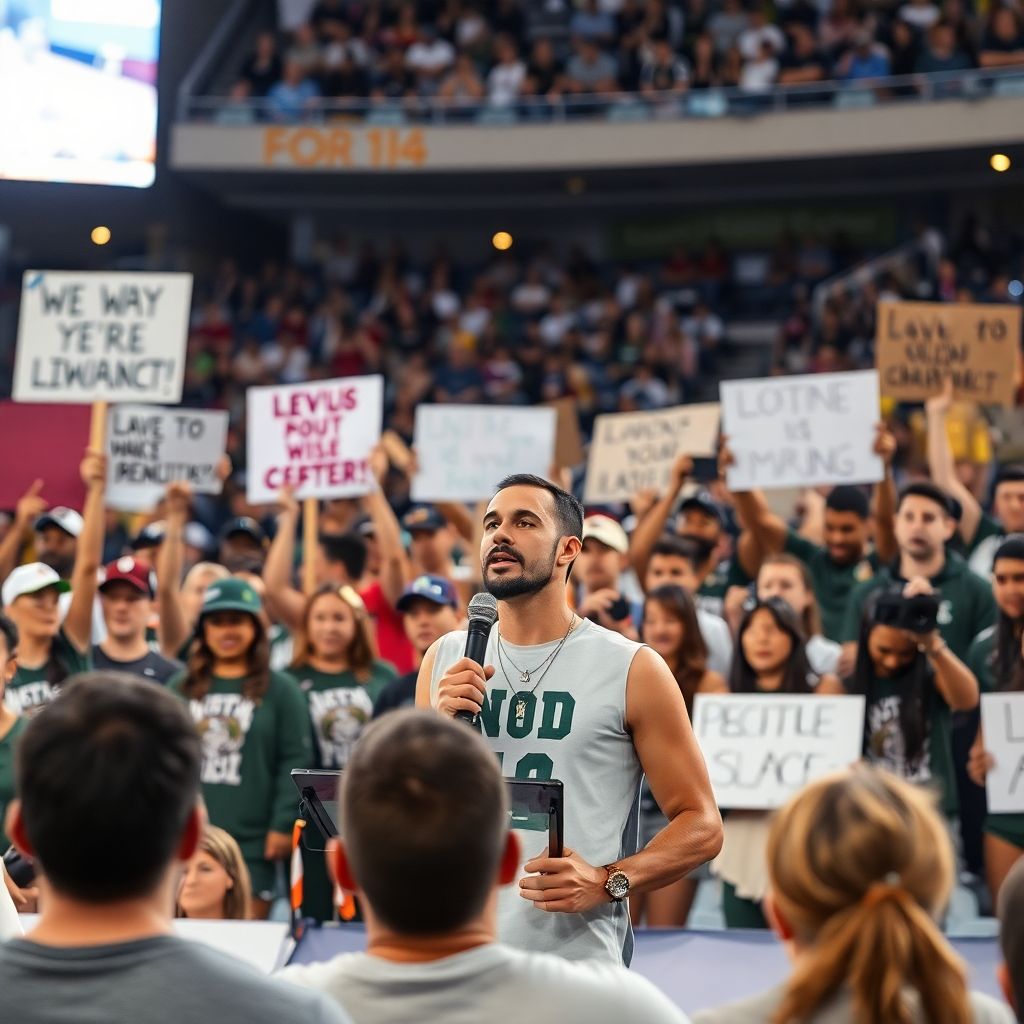
Athletes can use their platform for social change by choosing a focused cause, sharing informed personal stories, collaborating with trusted organizations, and taking consistent, low‑risk actions on and off social media. Start small, protect your mental and physical safety, coordinate with your team or club, and track real‑world impact, not just attention.
Core Principles for Athlete Advocacy
- Start from lived experience and authentic values before choosing public positions.
- Prioritize safety: legal, contractual, mental health, and physical security.
- Set realistic, specific goals instead of chasing vague “awareness.”
- Work with experienced NGOs and player associations to avoid avoidable mistakes.
- Protect relationships with teammates, staff, and communities through clear communication.
- Measure impact beyond likes: policy shifts, donations, participation, or narrative change.
- Plan for long‑term commitment, not one‑time posts or symbolic gestures.
Mapping Your Platform: Audience, Reach and Risk Assessment
Athletes using their platform for social change need a clear picture of who is watching, how far messages travel, and where the real risks lie. This section helps you decide when to act, when to pause, and when to redirect energy behind the scenes.
- List your channels and touchpoints. Include team and personal social accounts, interviews, community events, podcasts, and brand campaigns.
- Map your audiences. Identify primary groups (fans, local community, sponsors, teammates, youth) and what each group expects or fears from you.
- Assess contractual limits. Review club, league, and brand agreements for clauses around public statements, politics, and use of logos or uniforms.
- Assess digital and physical safety. Consider doxxing, harassment, or hostile fans; plan moderation, reporting, and security with team staff where needed.
- Rate personal risk tolerance. Decide what types of backlash you can handle now (online criticism vs. potential loss of deals or playing time).
- Identify low‑risk “entry lanes.” Examples: charity events, educational content, and support for widely accepted initiatives aligned with social justice.
- Recognize red‑flag situations. Avoid acting in the heat of a game controversy, contract dispute, or personal crisis without cooling‑off and advice.
Defining Purpose: Aligning Causes with Personal Values and Brand
Before looking at how professional athletes influence social justice movements in public, clarify what matters to you privately. You need a clear purpose, basic information, and a support system so your advocacy feels grounded instead of reactive.
- Clarify your core values. Write 3-5 values (for example: fairness, opportunity, community, safety) that you are willing to stand on even under pressure.
- Connect values to specific issues. Translate “fairness” into concrete topics like racial equity in policing, gender pay gaps, or disability inclusion in sports.
- Collect lived stories and examples. Note personal experiences, family history, or locker‑room moments that illustrate why the issue matters to you.
- Do a basic knowledge check. Read starter material from reputable NGOs or think‑tanks so you avoid sharing misinformation or oversimplifications.
- Define your personal brand boundaries. Decide what you will and will not talk about publicly, especially among famous athletes speaking out on social and political issues.
- Identify experts and advisors. Line up a short list of lawyers, communications staff, player union contacts, or NGO partners you can call before major actions.
- Prepare mental health support. Arrange access to a therapist, sports psychologist, or trusted mentor to help process criticism and pressure.
Tactical Planning: Setting Goals, Timelines and Resource Needs
Before you follow any detailed how‑to steps, use this short preparation checklist to make your activism safer and more effective.
- Confirm that your chosen cause fits your values, experience, and schedule for at least one season.
- Check contracts and club policies for restrictions on political or commercial speech.
- Tell at least one trusted staff member or agent about your plans, even if you go small.
- Decide your personal non‑negotiables: topics, words, or actions you will not use.
- Set a simple safety plan: how to respond to online abuse and media misquotes.
- Define one clear, realistic goal. Choose a specific outcome instead of “raising awareness.” Examples: raise funds for a youth program, shift a team policy, or increase voter registration among fans.
- Break the goal into short milestones. Plan what 1 week, 1 month, and 3 months of progress would look like, keeping your competitive season in mind.
- Week: select partners and key messages.
- Month: run first campaign or event.
- Quarter: review what changed and what did not.
- Choose your main tactics and channels. Decide how you will act: social content, press interviews, community events, locker‑room conversations, or meetings with decision‑makers. Align each tactic with your schedule and media obligations.
- Map the people and resources you need. List who must be involved: agent, club communications, legal advisor, NGO partners, teammates, or family. Identify practical needs like venues, translation, transport, and safe security arrangements.
- Coordinate timing with your sports calendar. Avoid scheduling major advocacy actions during playoffs, contract negotiations, or recovery from injuries unless the cause is urgent and you accept the distraction.
- Draft a simple risk‑response plan. Write short responses for likely scenarios: brand concern, league statements, fan criticism, or misinterpretation by media. Sports activism examples of players driving social change often include prepared talking points for tough questions.
- Lock in a review date and exit criteria. Decide when you will pause and re‑evaluate the project, and what signs mean it is time to pivot, scale up, or quietly step back.
Crafting Messages: Storytelling, Tone and Channel Selection
Use this checklist to test your messages before you post, speak, or partner on campaigns. This protects both impact and your reputation, and reduces negative impact of athlete activism on society and brands.
- Lead with your story, not slogans. Explain “why this matters to me” with a concrete moment or person, then connect it to the wider issue.
- Use clear, accessible language. Avoid heavy jargon; write so a teenage fan or casual viewer can understand and repeat your main point.
- Match tone to channel and audience. You might be more emotional in a Players’ Tribune‑style essay and more measured in sponsor‑linked content or press conferences.
- Balance urgency with respect. Name harm and injustice clearly while avoiding personal attacks that can distract from the issue.
- Check facts and links twice. Confirm statistics, quotes, and images with original sources or partner NGOs; avoid reposting unverified viral content.
- Pre‑read for unintended offense. Ask a trusted person from the affected community or your NGO partner to flag language that could be harmful or misunderstood.
- Separate personal views from team or brand. Add clarifying phrases when needed so your club or sponsors are not mistakenly seen as the speaker.
- Localize where possible. Connect big issues to local impact (your city, youth clubs, schools) so fans can see concrete paths to help.
- Plan a call‑to‑action that fits the moment. Examples: donate, register, sign up, learn more, or show up-always with a reputable destination.
- Rehearse key messages out loud. Practice short soundbites for interviews so you stay calm and consistent under pressure.
Building Alliances: NGOs, Teammates and Media Partnerships
Partnerships multiply your influence, but also bring common mistakes. Learning from how professional athletes influence social justice movements together with others will help you avoid these traps.
- Choosing partners only for visibility. Working with big names without checking their track record can tie your reputation to weak or harmful programs.
- Ignoring community leadership. Skipping local activists or community groups in favor of national organizations can create resentment and shallow impact.
- Speaking for, not with, affected people. Centering your own voice over those most impacted by the issue can turn sincere advocacy into savior narratives.
- Failing to align expectations early. Not discussing roles, timelines, and media use can lead to broken promises or “ghosting” after launch.
- Overcommitting your time. Agreeing to too many events, posts, or calls during the season can hurt performance and force last‑minute cancellations.
- Letting brands script everything. Sponsors may water down your message; without boundaries you can end up in campaigns that misrepresent your views.
- Neglecting teammates and locker‑room dynamics. Surprising teammates with public actions can create tension; even a brief heads‑up can build support.
- Underestimating media framing. Assuming journalists will tell the full story without your guidance can result in headlines that focus on controversy over substance.
- Skipping legal and financial checks. Signing MOUs or appearing in fundraising without reviewing contracts can create tax or compliance problems.
Tracking Outcomes: Metrics, Feedback Loops and Long‑Term Sustainability
There are multiple ways to sustain your off‑field impact. Choose the approach that fits your energy, profile, and risk tolerance, using well‑known sports activism examples of players driving social change as inspiration rather than strict models.
- Low‑profile, behind‑the‑scenes advocacy. Focus on private meetings, mentoring, donations, or quiet lobbying with decision‑makers. Use this if you want real impact with minimal public attention or controversy.
- Issue‑focused, time‑bound campaigns. Run focused efforts (for example, a season‑long education drive) with clear start and end dates. This works when you have limited capacity but want visible contribution.
- Ongoing public leadership on one core issue. Become known for steady, informed work on a single topic-similar to famous athletes speaking out on social and political issues over many years, not just one moment.
- Collective action through unions or associations. Act mainly through player unions, team councils, or cross‑sport coalitions. This suits athletes who want shared responsibility and stronger protection.
Operational Questions and Quick Tactical Answers
How can I start activism safely if I have never spoken out before?
Begin with low‑risk steps: educate yourself, support existing campaigns from trusted organizations, and share simple personal reflections rather than strong political claims. Coordinate with your agent or club communications so they are not surprised.
What if my team or coach disagrees with my stance?
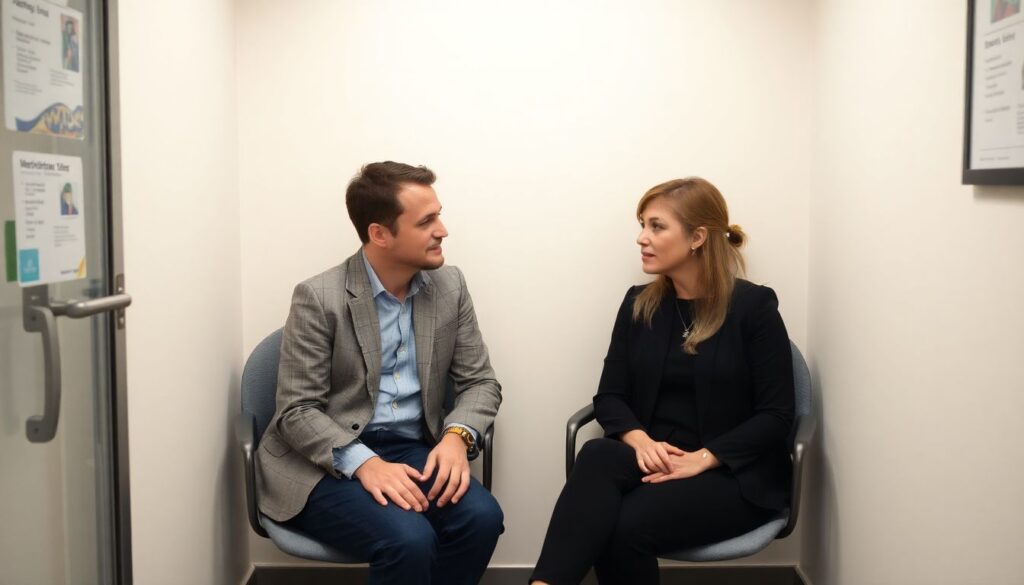
Request a private conversation to explain your intentions, boundaries, and safety planning. Aim to find ways your advocacy can coexist with team goals, and consider shifting some activity to off‑season if tension feels high.
How do I handle online abuse after speaking out?
Use platform tools to mute, block, and report; avoid reading replies during peak backlash; and ask staff or trusted friends to monitor mentions. Protect your mental health by limiting screen time and scheduling decompression after major posts or interviews.
Can I work with brands and still be an outspoken activist?
Yes, if you set clear red lines early and choose partners who respect your values. Review campaign scripts carefully, insist on accurate messaging, and be ready to walk away from deals that require you to soften or reverse your positions.
What metrics should I track beyond likes and views?
Look for concrete changes: funds raised, petitions signed, people registered or trained, policy shifts, or recurring community programs. Qualitative feedback from affected communities matters more than general fan praise or criticism.
Is it better to focus on one cause or several?
Most athletes are more effective when they concentrate on one or two connected issues. Spreading yourself too thin can dilute impact and confuse audiences about what you stand for.
How do I avoid being used as a “symbol” without real impact?
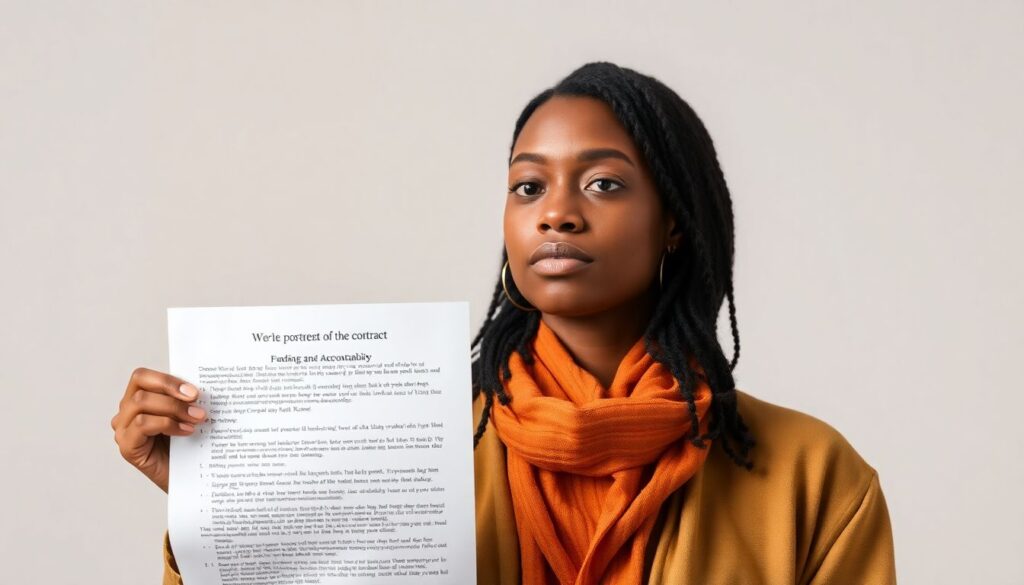
Insist on concrete commitments in partnerships, such as funding levels, timelines, and accountability plans. Regularly revisit agreements and be prepared to publicly step back if organizations only want your image, not your ideas.
Комментарии