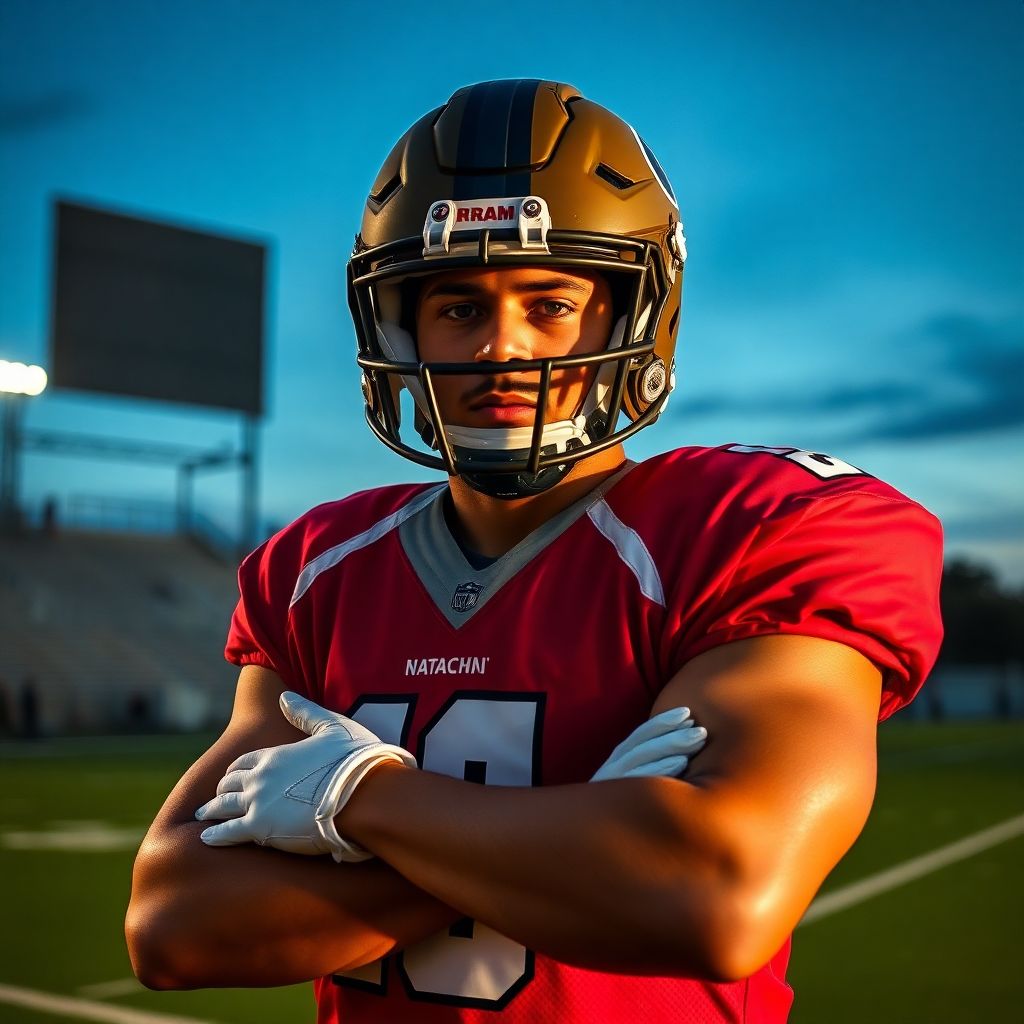
Turning a practice-squad role into Pro Bowl status requires treating every rep like live competition, building a custom development plan, and proving reliability on game week. This guide breaks down safe, concrete steps for skill work, conditioning, film study, and contract strategy, using real-world patterns drawn from classic NFL underdog stories.
Core Principles for Turning Practice Time into Pro-Level Performance
- Treat the practice squad as a paid development lab, not a holding pattern.
- Own a specific role and skill set the team is currently missing or thin on.
- Use objective benchmarks (times, loads, reps, grades) to measure weekly growth.
- Earn trust with perfect assignments and low mental errors before demanding touches.
- Build a repeatable game-week routine that coaches can depend on.
- Align your agent and contract strategy with realistic promotion windows.
Assessing and Maximizing Practice-Squad Roles
A practice-squad spot fits players who are close athletically but need polish in technique, playbook mastery, or consistency. It is not ideal if you are unwilling to embrace special teams, live far from football shape in the offseason, or expect star treatment without first proving reliability.
Start by understanding precisely why you are on the practice squad and what path your team actually uses for promotions. Dig into your role instead of chasing a fantasy version of yourself.
- Clarify how the team sees you – Ask position and special-teams coaches: “What role do you project me for if injuries hit?” Capture their words and build around that picture.
- Identify your depth-chart lane – Map the players ahead of you by role: starter, swing, backup, teams-only. Note where age, contracts, or injuries may open a lane.
- Know the weekly call-up patterns – Track which positions your team elevates each week and for what reasons (injury, special teams, sub-package matchups).
- Define your two calling-card skills – For example: “press-man vs big receivers” or “core-four special-teams demon.” Those skills must be obviously better than the next option.
- Study past internal success stories – Ask staff or teammates about recent promotions. Treat them as living inspirational NFL player biographies and copy the habits that actually translated.
Quick readiness checklist for practice-squad value
- You can describe your projected role in one clear sentence.
- You know exactly which two veterans you must outperform to be elevated.
- Your position coach has given you a written or spoken development focus.
- You’ve watched at least one full season of your team’s past call-up decisions.
- You can name two habits from in-house nfl underdog stories you are actively copying.
Custom Skill Development Plans for Rapid Advancement
Improvement accelerates when you treat your development like a personal project, not a general “work harder” slogan. Build a plan around your position, body, and scheme, using tools, people, and content that are already available rather than waiting for extra attention from the team.
List the resources you can access:
- Coaching and feedback – Position coach, assistant, trusted veteran, and sometimes a remote specialist or offseason coach who knows NFL technique standards.
- Facilities and equipment – Team weight room during approved hours, fields, bags, sleds, jugs machine, and safe private facilities in the offseason.
- Film and learning tools – Team film system, tablet playbook, cut-ups of your reps, Pro Bowlers at your position, and the best NFL documentaries to watch for mental approach.
- Medical and recovery – Athletic trainers, PT, massage, nutrition help, and any personal recovery tools cleared by staff (rollers, compression, cold/heat).
- Contracts and support – Agent guidance, financial planner, and family support so you can focus on consistent training rather than short-term panic.
Then convert these into a 4-6 week block plan with clear weekly targets.
Quick readiness checklist for a solid development plan
- Your plan covers on-field skill work, strength/power, speed, film, and recovery.
- Each week has 2-3 measurable targets (for example, route depth accuracy, time standards, lifts).
- A coach or mentor has reviewed and approved your schedule for safety and realism.
- Your plan fits around official team obligations without risking overtraining.
- You’ve bookmarked at least two nfl training programs for aspiring players as reference points.
Physical and Mental Conditioning beyond Team Programs
Team programs set the floor, not the ceiling. Smart extra work is specific, scheduled, and safe. You need just enough to separate from peers without breaking down your body or violating team guidelines.
Pre-work preparation checklist
- Confirm with staff that your extra work is allowed and won’t conflict with recovery protocols.
- Get any previous injuries cleared and know your current restrictions.
- Plan sessions at least several hours away from team practices/lifts.
- Bring water, proper footwear, and any braces or supports you normally use.
-
Set position-specific physical baselines – Before pushing volume, know where you stand in key metrics (speed, power, conditioning) for your position so goals are realistic and safe.
- Use team testing data when available instead of guessing.
- If you lack numbers, ask strength staff for a basic assessment session.
-
Build a weekly conditioning template – Add no more than 2-3 extra field sessions and 1-2 targeted lifts beyond team work, with at least one low-impact day between heavy efforts.
- For skill players: short sprints, change-of-direction, and route or coverage patterns.
- For bigs: sled work, short bursts, and posture/hand-usage drills that mimic game loads.
-
Integrate safe, repeatable skill drills – Focus on low-collision, high-rep techniques that carry straight into practice: starts, breaks, hand placement, pad level, stance, and finish.
- Limit live-contact drills without pads; favor bags, sleds, and shadow work.
- Use a partner for timing and communication, not for full-speed tackling.
-
Install a daily mental workout – Treat your brain like another muscle with short, focused sessions of film, visualization, and playbook review.
- Study your upcoming opponent’s concepts and your own mistakes first.
- Watch clips of elite players and even inspirational NFL player biographies, then visualize yourself executing the same techniques correctly.
-
Protect recovery like a starter – Sleep, hydration, nutrition, and soft-tissue care must match your increased workload so gains actually show up on the field.
- Aim for consistent bed and wake times throughout the week.
- Use team trainers as the first stop for pain, not social media trends.
Quick readiness checklist for extra conditioning
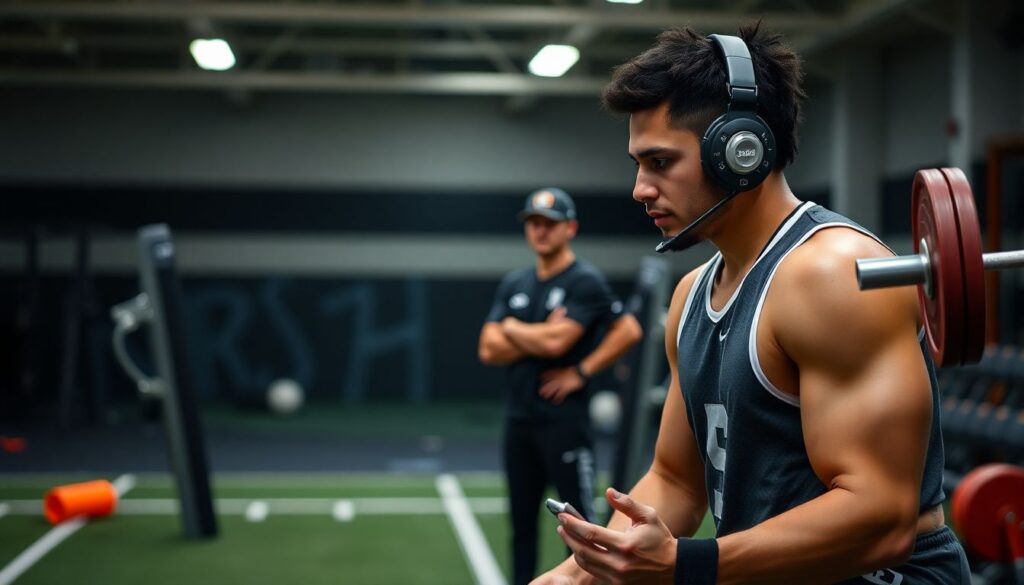
- Your extra work never leaves you too sore to execute in team practice.
- You have written limits on sprint volume, sets, and heavy lifts per week.
- Trainers know your full workload and have not flagged any red-flag patterns.
- Your film focus is sharper, not foggier, after extra physical work.
- You adjust volume immediately after any tweak, cramp, or unusual soreness.
Game-Week Prep that Wins Coaches’ Trust
Coaches elevate the players they trust, not just the most talented. Game-week preparation for a practice-squad player must prove you can step in on short notice and execute the plan exactly as installed, especially on special teams and situational downs.
Reliability checklist for game-week preparation
- You know the full game plan for your position and every special-teams unit you could join.
- Your mental errors in practice (missed assignments, wrong depth, false starts) are near zero.
- You arrive at meetings with notes prepared and can answer direct questions without guessing.
- You watch cut-ups of your scout-team reps and self-correct before coaches bring them up.
- Your warm-up, hydration, and recovery routines are the same every week and on time.
- Veteran starters trust you to line up next to them in walkthroughs without confusion.
- Special-teams coaches see consistent effort and technique on every rep, regardless of depth-chart status.
- When injuries hit during the week, you can verbalize the next-man-up responsibilities for your spot.
Navigating Contracts, Promotions and Agent Strategies
How you and your agent handle contracts and communication can open or close doors. The aim is alignment: your career timeline, the team’s depth needs, and realistic opportunities around the league should all point in the same direction instead of fighting each other.
Common strategic mistakes to avoid
- Chasing tiny short-term raises over a clear path to snaps and film that can change your career.
- Switching teams too often, never staying long enough to earn real trust from a coaching staff.
- Letting frustration hit social media or the press instead of handling concerns privately.
- Ignoring how special-teams value impacts your chance of promotion and contract leverage.
- Failing to understand the practice-squad elevation rules and timing windows in your current CBA.
- Allowing an agent to push their agenda (for example, certain markets) over your actual fit and development.
- Skipping due diligence on other rosters, where depth charts or schemes might suit you far better.
- Spending emotionally on status items like pro bowl jerseys for sale before your financial base is secure.
Quick readiness checklist for smart contract moves
- You can explain, in simple terms, your current deal and elevation rules.
- Your agent can name three realistic teams where your role could grow in the next year.
- You have reviewed any offer with a financial professional, not just friends or family.
- Your decisions prioritize playing time and development over short-term social status.
- You keep contract talk away from the locker room and focus on performance in the building.
Case Studies: Unlikely Paths to Pro Bowl Status
Players have gone from overlooked, cut, and bounced around to Pro Bowl recognition by nailing the exact patterns in this guide: niche mastery, special-teams excellence, reliable game-week prep, and aligned contract choices. You can use their paths as templates, not miracles.
Several practical models you can copy:
- Special-teams ace to defensive or offensive regular – Start as a core-four special-teams player, master assignments, become the first injury replacement, then lock in a role through consistent snaps and clean tape.
- Scheme fit late-bloomer – Land on a roster that perfectly fits your body type and strengths, even if it means lateral moves, then grow into a unique sub-package weapon that coordinators build around.
- Practice-squad technician – Become the best technique player in your room, using offseason time, nfl training programs for aspiring players, and detailed film of elite peers until coaches trust you more than raw athletes.
- Mindset turnaround story – Follow the arc you see in nfl underdog stories and inspirational NFL player biographies: cleaning up habits, sleep, and preparation, which turns you from a liability into a coach’s first call when pressure hits.
Quick readiness checklist for choosing your path
- You can point to a real player whose path closely matches your body and skill set.
- Your current team or target team runs a scheme where that path is actually possible.
- Your daily habits now look more like that example than they did a year ago.
- You’ve watched film or the best NFL documentaries to watch that feature players on similar journeys.
- Your long-term goals include impact and reliability first, then awards like the Pro Bowl.
Common Concerns and Tactical Clarifications
How much extra work can I add without overtraining or getting hurt?
Limit extra field sessions to a few focused days per week and keep at least one lighter day between heavy efforts. Coordinate with strength and medical staff so your added volume supports, rather than competes with, the team plan.
Do I have to be a special-teams standout to move from practice squad to active roster?
In most cases yes, especially early in your career. Special teams are often the fastest, safest way to show reliability, physicality, and assignment discipline while you wait for snaps at your primary position.
What if my team rarely promotes from the practice squad?
Track actual elevation history to verify that perception. If internal promotions are rare and your path is blocked, work with your agent to identify rosters where depth, scheme, and history suggest a clearer opportunity.
Can watching films and documentaries really impact my performance?
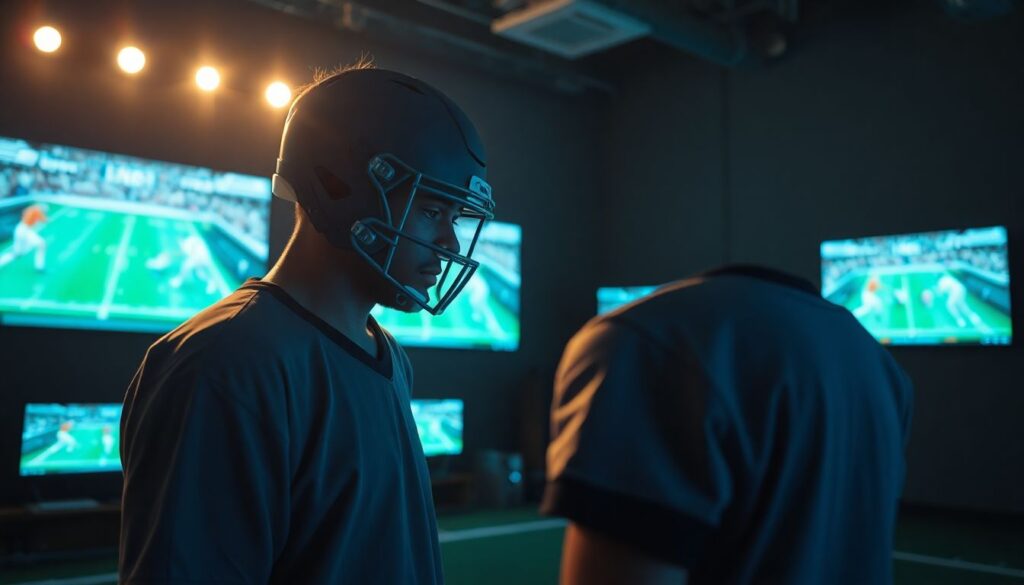
Yes, when used intentionally. Studying elite technique, decision-making, and routines from position-specific cut-ups, inspirational NFL player biographies, and curated documentaries can sharpen your mental reps and help you visualize correct execution.
How long does it realistically take to go from practice squad to reliable contributor?
Timelines vary widely, but many players need at least a full season of consistent development and trust-building. Focus on stacking clean weeks of assignments and technique rather than obsessing over exact dates.
Should I push my agent to get me on any active roster, even if the fit is questionable?
Chasing the first active spot available can backfire if the scheme or depth chart is wrong. Prioritize places where you can realistically earn snaps, put good film out, and grow into a stable role.
Is aiming for the Pro Bowl a distraction from daily improvement?
The Pro Bowl can be a useful long-term target if you translate it into daily behavior: technique work, conditioning, film, and reliability. Obsessing over awards without owning the small tasks will only add pressure without progress.