Rookie quarterbacks adjust to NFL speed by tightening pre‑ and post‑snap processing, cleaning up pressure‑proof mechanics, and using structured film study to anticipate, not just react. This guide walks through practical, safe steps-from clip‑by‑clip tape work to targeted practice drills-so QBs and coaches can translate film into on‑field timing and confidence.
Core Adjustments Seen on Game Tape
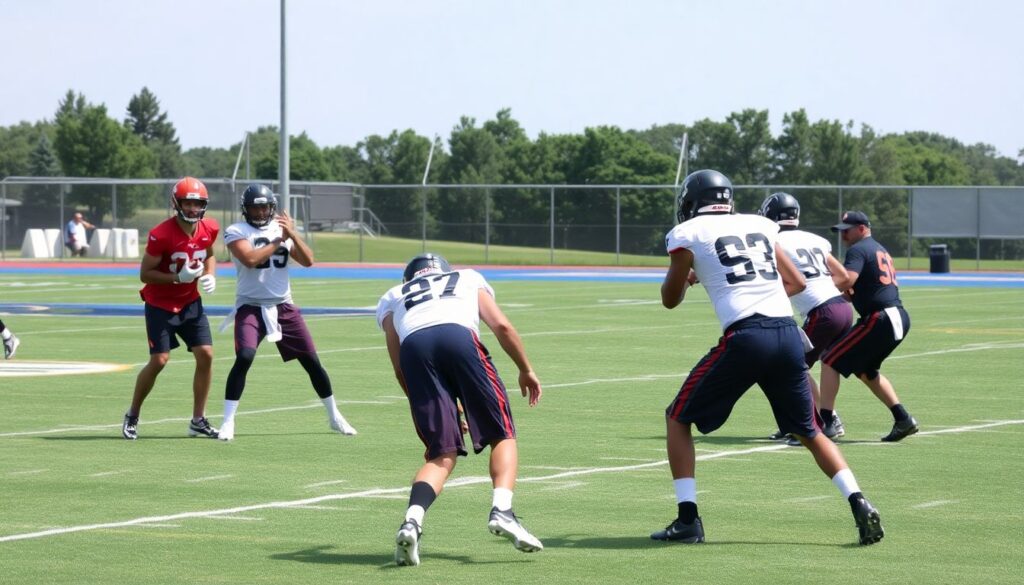
- Shift from reacting to defenders to predicting coverage and pressure using pre‑snap indicators.
- Condense progression reads without abandoning structure, especially versus simulated pressure.
- Standardize footwork and base width so mechanics hold up under interior pressure.
- Improve hot read execution and sight adjustments against nickel and safety blitzes.
- Use cadence, motions, and formations to force simpler defensive looks.
- Build anticipation timing so the ball is released before the break, not after separation.
- Leverage structured film and development resources to target specific weaknesses seen on tape.
Reading Pre-Snap Indicators: Alignments, Motions, and Coverage Recognition
This section fits rookie quarterbacks, backup NFL QBs, and coaches designing quarterback training programs for rookies who already grasp basic coverages and offensive concepts. It is also useful for staff in qb coaching clinics for youth and high school players who are preparing advanced prospects for faster competition.
Avoid overloading true beginners who still struggle with base footwork and simple coverage IDs; for them, detailed NFL‑level tells can create paralysis and slow them further. Do not apply these concepts without coach supervision when changing protections or hot routes in live games, because miscommunication leads to free rushers.
Key pre‑snap reads to emphasize on film:
- Shell and safety depth – Pause at the moment the QB reaches the line. Note if the defense is in a one‑high, two‑high, or rotated shell. Track how often late safety rotation changes the picture just before the snap.
- Corner leverage and cushion – Log whether corners are press, soft press, off, inside, or outside leverage. Tie those alignments to likely coverages and route adjustments, especially on third down.
- Box count and apex defenders – Count defenders in the box and the alignment of apex players (between slot and tackle). Use tape to show how slight shifts signal pressure, simulated pressure, or coverage rotations.
- Front structure and blitz threats – Identify fronts (even, odd, bear, tite) and star blitz threats (nickel, boundary corner, walked‑up backer). Freeze the clip one second before the snap to see who is creeping or stemming.
- Using motion for clarity – Show sequences where motion turns a muddy shell into a clear man/zone indicator. Create cut‑ups where the same motion repeatedly forces the defense to declare its rules.
Processing Post-Snap: Spotting Blitzes and Triggering Hot Reads
To train post‑snap processing safely and effectively, you need a structured film workflow plus controlled field drills that mirror what you see on tape. Many teams now use an nfl game film breakdown service or internal video staff to tag pressures, coverages, and QB decisions by situation and formation.
Recommended tools and inputs:
- All‑22 or end‑zone/coach copy – You must see all rushers and coverage rotations. If full All‑22 is unavailable, combine broadcast view with end‑zone shots for protection and pocket movement.
- Segmented cut‑ups – Build playlists: “all third‑and‑medium blitz,” “all 5‑man pressures vs empty,” “all slot pressures.” If you lack staff, an online nfl film analysis course often includes pre‑tagged libraries you can study.
- Call sheet and playbook access – The QB needs the exact play call, protection rules, and hot answers on screen or in a binder. Without those, you are guessing about whether the decision matched the rules.
- Practice plan linked to film – Every film theme should feed directly into drill blocks. For example, after a blitz cut‑up session, run a 10‑minute “hot throw” period with bags or scout defenders.
- Time‑stamped notes – Encourage QBs to log notes like “Clip 3: missed nickel pressure key; hot was open.” Revisit those precise clips after field work to reinforce corrected habits.
Mechanics Under Pressure: Footwork, Release, and Short-Window Accuracy
Before changing mechanics based on tape, be aware of risks and limits:
- Overcorrecting on your own can introduce new flaws; make major changes only with a qualified coach.
- High‑volume throwing while “fixing” mechanics can lead to overuse injuries; cap daily throw counts.
- Do not copy another quarterback’s motion exactly from film; adapt principles to your body type and flexibility.
- Any drill that adds resistance or uneven surfaces must be low‑intensity and supervised to avoid ankle and knee stress.
Use this step‑by‑step process to turn film notes into safe, targeted mechanical work under pressure.
- Anchor a neutral base in clean‑pocket clips – First, pull clips where the pocket is clean and the QB is on time. Freeze just before each throw and check base width, toe alignment, and posture. This becomes your reference for what “right” looks like when not under stress.
- Contrast pressured mechanics vs. the neutral template – Next, tag only pressure snaps: interior push, edge wins, and free runners. Compare body position to the neutral template. Note patterns like narrowing base, fading off throws, or widening arm arc when rushed.
- Isolate one variable at a time – Choose a single priority (for example, “keep base under shoulders on contact”) instead of changing everything. Write it at the top of your practice script so the cue is visible for the whole session.
- Build controlled pocket movement drills – On the field, recreate the exact stresses seen on tape with safe, non‑contact drills:
- Use bags or shields to simulate interior push while the QB slides and resets.
- Have a coach flash a color or number to the side to trigger lateral movement, then throw on a firm base.
- Cap the number of full‑speed reps and rotate in footwork‑only reps without throws.
- Train a compact, repeatable release under time limits – Use routes that showed timing issues on tape (such as quick outs or slants). Run them with a verbal or visual countdown, emphasizing compact motion rather than velocity. If the motion breaks down, slow the clock until the pattern stabilizes.
- Add “eyes downfield” pressure simulations – Have assistants close space with pads while the QB keeps eyes on a target and maintains throwing posture. No hits, only presence. The goal is calm lower‑body adjustments and consistent follow‑through, not creating contact.
- Recheck new film for transfer – After a week or two, cut a new reel of pressure snaps and look only at the prioritized mechanic. Confirm that fixes show up in real games before layering new changes.
Progressions and Timing: Compressing Reads Without Losing Structure
Use this checklist to evaluate whether a rookie QB is handling NFL speed in progressions while staying within the play’s structure.
- The first read is consistently identified pre‑snap, based on shell, leverage, and matchup, not guesswork.
- Eyes and feet move together from read one to read two without wasted hitches or drifting in the pocket.
- Late in the down, throws still come from a balanced base rather than jump passes or fade‑aways.
- Checkdowns are hit on time and in rhythm instead of as panicked last‑second flips.
- Against pressure looks, progressions adjust to built‑in hot or sight reads instead of full‑field scans.
- Throw locations align with leverage: away from defender leverage, not simply to “open grass.”
- Situational awareness appears on tape: clock, down, distance, and field position influence read aggressiveness.
- Same concept families (for example, drive, levels, or dagger) are executed more efficiently later in the season than early, showing learning over time.
- Misreads are decreasing in similar situations, proving that film notes are influencing in‑game choices.
Communication and Cadence: Syncing with Line Calls and No‑Huddle Pace
Common coaching tape reveals recurring communication and cadence errors that slow a rookie QB’s adaptation to NFL speed.
- Cadence becomes predictable, giving defenses a jump on the snap with no varied rhythms or hard counts.
- Protection calls are rushed or mumbled, leading to missed IDs of the mike or primary pressure threats.
- No‑huddle tempo is either too slow (wasting the clock) or too fast (causing formation and motion mistakes).
- Receivers do not appear to understand route adjustments, showing up as split‑field miscommunications on film.
- The QB looks at the sideline late in the play clock, compressing time for checks and making panic snaps more likely.
- Audibles are changed without clear accompanying hand signals, so wideouts miss the adjustment.
- After negative plays, body language and tempo sag on tape, which invites more aggressive defensive calls.
- The line fails to react to last‑second rotation or late blitz walk‑ups, indicating that cadence tools are not being used to freeze movement.
Building Anticipation: Film-Study Methods to Internalize NFL Velocity
Not every QB has full access to team‑level resources, so consider these alternative or complementary methods to build anticipation and adjust to NFL speed through film.
- Use a specialized nfl game film breakdown service – For independent QBs and small‑school coaches, third‑party breakdown providers can supply tagged NFL‑style concepts, pressures, and coverages that mirror what rookies face on Sundays.
- Enroll in an online nfl film analysis course – Structured courses walk you through coverages, route concepts, and QB decision‑making using curated clips, helping you see timing windows before you face them on the field.
- Attend qb coaching clinics for youth and high school players – Quality clinics expose coaches and developing QBs to professional‑grade teaching on reads, footwork, and practice scripting, which can be adapted to bridge the jump in speed at each level.
- Join the best quarterback development camps you can access – Top camps combine on‑field reps, classroom installs, and film review, emphasizing how to throw with anticipation against tight windows, not just arm strength in air.
Typical Pitfalls and Tactical Remedies from Tape
Why does my timing collapse when defenses blitz, even after film study?
Most rookies keep the same full‑field progression versus blitz they use versus base looks. Redefine your rules: build specific hot and sight answers into each concept, then drill them at controlled speeds before returning to full‑speed team periods.
How can I use film to stop staring down my first read?
During film, track only your eyes: pause each clip every half‑second and call out where you should be looking. Then run skelly or routes on air with a coach grading eye placement rather than completion percentage.
What is the safest way to adjust my throwing motion based on tape?
Change one element at a time-often lower‑body base or stride length-under a qualified coach’s supervision. Use low‑volume, high‑quality reps and re‑check game film after a few weeks to confirm transfer before making further tweaks.
How often should a rookie QB review game film each week?
Split film into shorter focused blocks: one for your last game, one for upcoming opponent tendencies, and one for league‑wide cut‑ups at your favorite concepts. Consistency of schedule matters more than marathon single sessions.
How do I make practice match the NFL speed I see on tape?
Script periods that mimic pressure, coverage, and tempo situations you tagged on film. Use time‑limited throws, managed pass‑rush presence, and clear coaching cues so intensity rises without sacrificing technique.
Can high‑school or small‑college QBs realistically prepare for NFL speed with film?
They can narrow the gap by studying pro concepts, defensive structures, and timing windows through services, courses, and camps. While you cannot fully replicate NFL athleticism, you can arrive with sharper processing and cleaner mechanics.
What should I prioritize if I feel overwhelmed by information on tape?
Pick one emphasis per week: for example, pre‑snap shell ID, third‑down pressures, or red‑zone progressions. Align all film notes and practice drills around that single theme until it becomes a strength, then move to the next.